

Good news for Tesla: The electric vehicle manufacturer has secured long-awaited approval to use its Full Self-Driving (FSD) system in Germany. The German Transport Ministry has withdrawn its objections to the system's use on the roads of Europe's largest economy, which is home to the continent's biggest automotive industry and whose political influence frequently shapes policy across Europe.
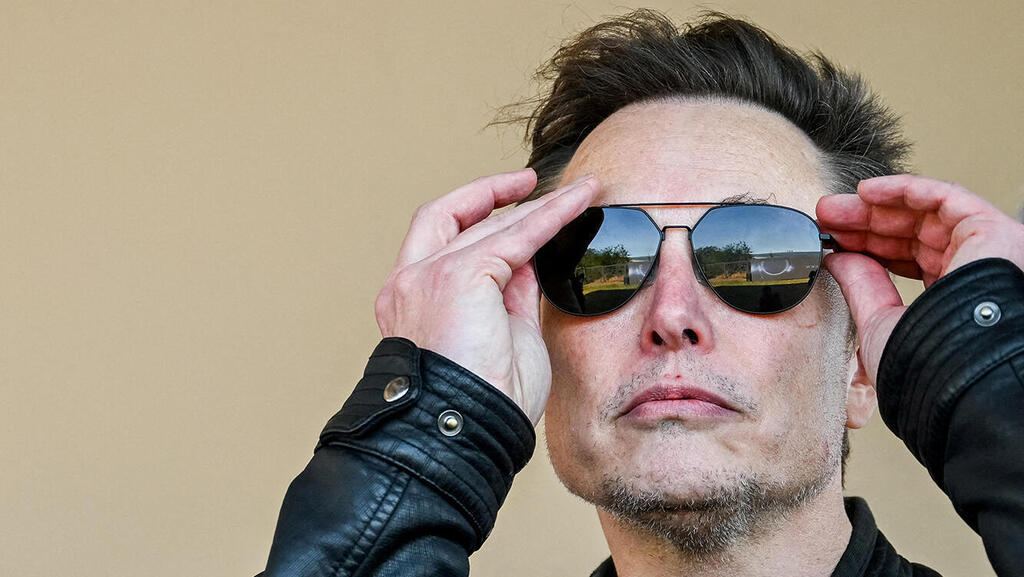
Tesla's FSD system, already approved for use in some U.S. states and several countries in Europe and Asia, initially faced opposition from official European road safety authorities. They were concerned that the American electric vehicle manufacturer's test data did not accurately reflect the system's safety under real-world driving conditions. But a public campaign and an aggressive media offensive targeting policymakers, led by Tesla CEO Elon Musk, appear to have paid off.
Tesla claims its FSD system can significantly ignificantly reduce the number of traffic accidents compared with human-driven vehicles. However, a series of high-profile crashes and other data have demonstrated that even if the system is safer than a human driver, it is still prone to failures, according to experts in the field. In recent months, Tesla has waged an extensive campaign to accelerate approval, which would give it a significant technological advantage over many European automakers that do not offer a comparable system.
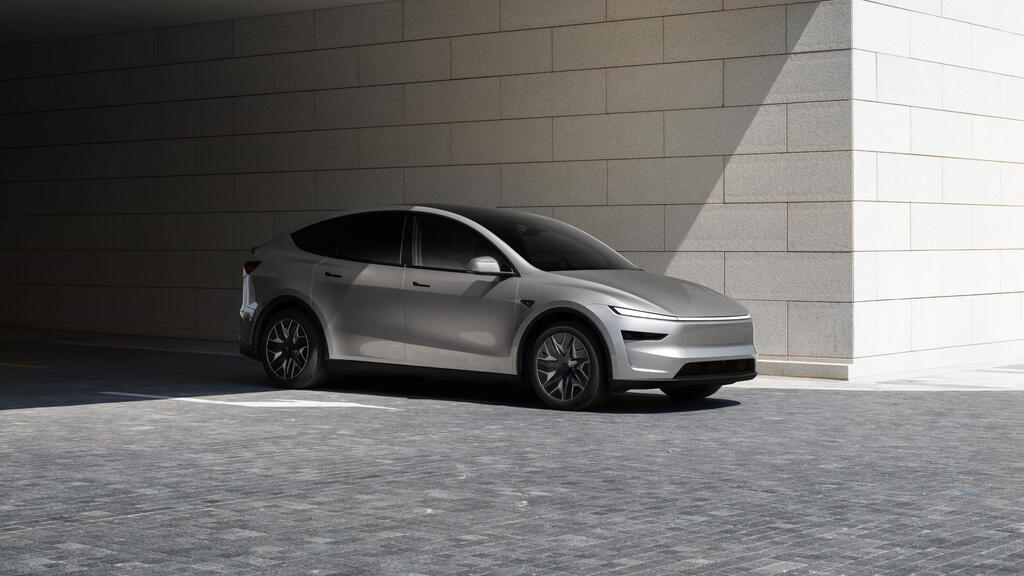
Tesla secured long-awaited approval to use its Full Self-Driving (FSD) system in Germany
In a statement issued this week, German Transport Minister Steffen Bilger said he had decided to recommend that the European Union approve regulations allowing the use of FSD across the continent. Approval from EU member states is required to amend current regulations, which stipulate that only a human driver, not an autonomous system, may operate a vehicle on public roads. According to Bilger, the decision followed discussions with Tesla on a range of technical issues, including insurance.
As part of the discussions between Germany and Tesla, the two sides agreed that the manufacturer's driving system would be permitted to exceed the speed limit by up to 10%. Germany will recommend that all EU member states adopt a similar policy. The issue had been one of the main points of contention between Tesla and EU member states, some of which demanded that FSD never be allowed to exceed the speed limit, even with human driver intervention.
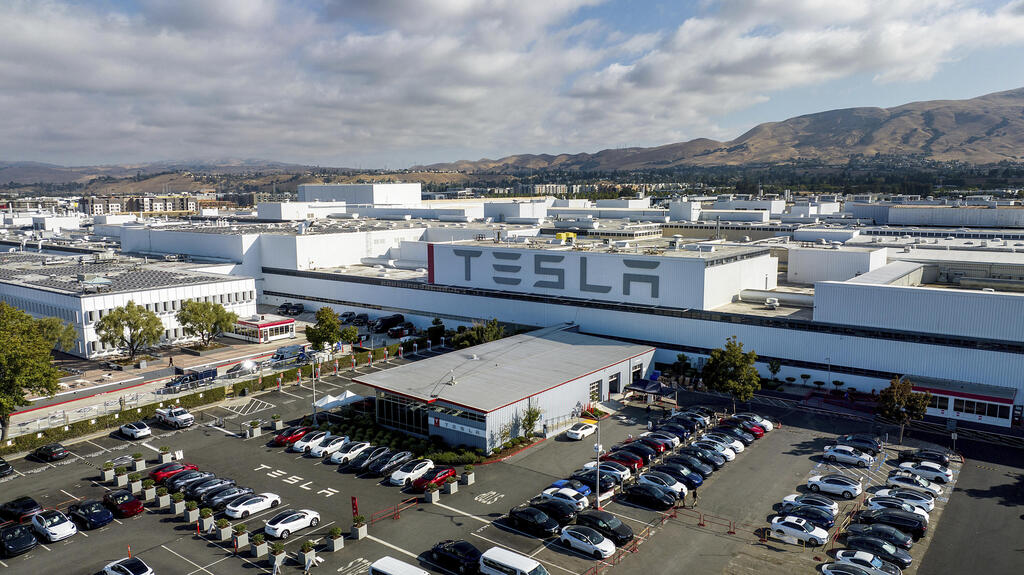
(Photo: Noah Berger\AP)
According to Bilger, Tesla also proposed changing the system's name in Europe from FSD (Full Self-Driving) to TAD (Tesla Assisted Driving) to emphasize that it is not an autonomous driver but rather a driver-assistance system that operates only under certain conditions. The driver must remain alert and ready to take control whenever necessary. Despite its misleading name, FSD is currently classified as a Level 2 autonomous driving system, meaning it still requires a human driver.
Did a cynical campaign help secure approval?
Meanwhile, Reuters has published an extensive investigation revealing a significant pressure campaign by Tesla targeting European lawmakers. The campaign argued that delays in approving the regulations were costing lives and that lawmakers should scale back their safety testing of the system, relying instead on Tesla's internal data. Musk also used his social media platform X to mobilize supporters and generate public pressure on lawmakers.
Meanwhile, sources familiar with the data Tesla submitted for regulatory approval, which was also obtained by Reuters, alleged that the figures had been manipulated to portray FSD in a favorable light. The news agency's investigation found that the data was not supported by studies conducted on European roads and did not account for actual crashes involving injuries or fatalities. Instead, the figures were based on assumptions about human driving behavior.
Despite the agreement with Germany, significant opposition to approving the system remains in several European countries. France, the continent's second-largest automotive market and a major vehicle manufacturer, is leading the opposition. Sweden, which aims to achieve its "Vision Zero" goal of eliminating traffic fatalities as soon as possible, also opposes the system's approval..
By contrast, the system received swift approval in the Netherlands, which did not even require Tesla to remove its "Mad Max" feature, allowing drivers to set a driving speed 50% above the posted speed limit.