


The second episode of “ALL CAPS” builds on the tone set in its debut, moving seamlessly from the personal realities of war to the broader forces shaping how Israel is portrayed worldwide. Led by international law expert Nitsana Darshan-Leitner, alongside Sarai Givaty, Titi Ayanaw and India Naftali, the panel returns with sharper urgency, opening with a striking cultural moment: a child’s song about drones that has become an unexpected wartime anthem, capturing both trauma and resilience.
ALL CAPS- episode 2


From there, the discussion pivots outward, exposing what the panel describes as the stark hypocrisy of the Iranian regime, contrasting the lavish lifestyles of elites abroad with the repression faced by citizens at home. The conversation gains depth with the addition of Beni Sabti, an Iran expert at the Institute for National Security Studies, who offers rare insight into Iranian public sentiment, describing a population that, despite decades of hostility, remains largely open and even sympathetic toward Israel.
A central theme of the episode is what Darshan-Leitner frames as the “weaponization of international law”, arguing that legal systems are increasingly used as tools against democratic states. The panel critiques global institutions and media narratives, questioning why terror organizations are often treated as credible actors while democratic nations face disproportionate scrutiny. The discussion reflects a continuation of the show’s mission to challenge mainstream narratives, first introduced in its premiere episode.

The episode also explores the digital battlefield, dissecting misinformation and high-profile commentary in Western media, while highlighting moments of support for Israel in the tech world. NVIDIA CEO Jensen Huang is singled out as a notable example, with panelists pointing to the company’s deep ties to Israel and continued public backing during wartime as both symbolic and strategic.
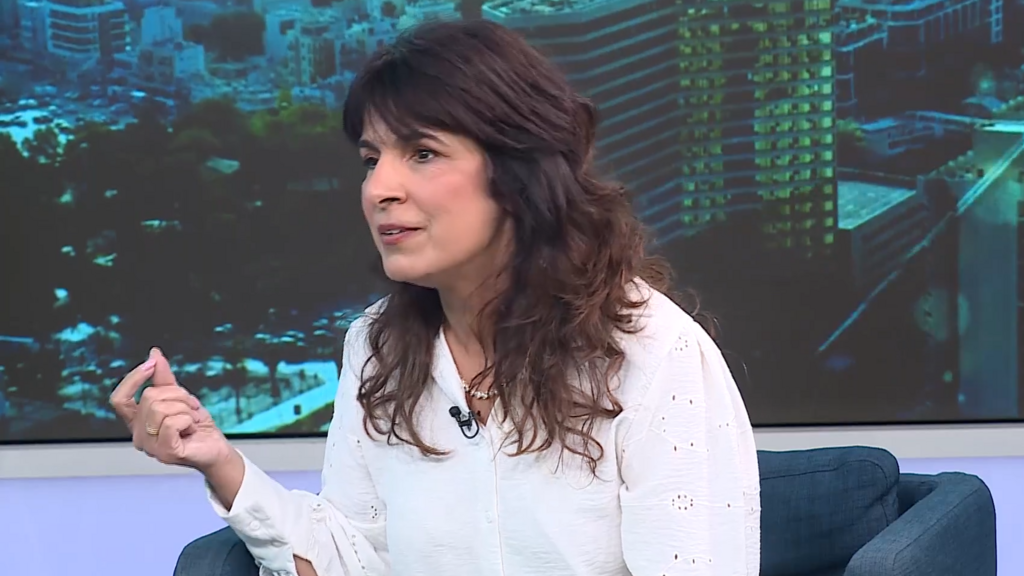
All CAPS lead and international law expert Nitsana Darshan-Leitner
Closing on a note of cautious optimism, the panel ties together its recurring message: that even amid conflict, Israel’s resilience, cultural, technological and societal, continues to shape its global story.
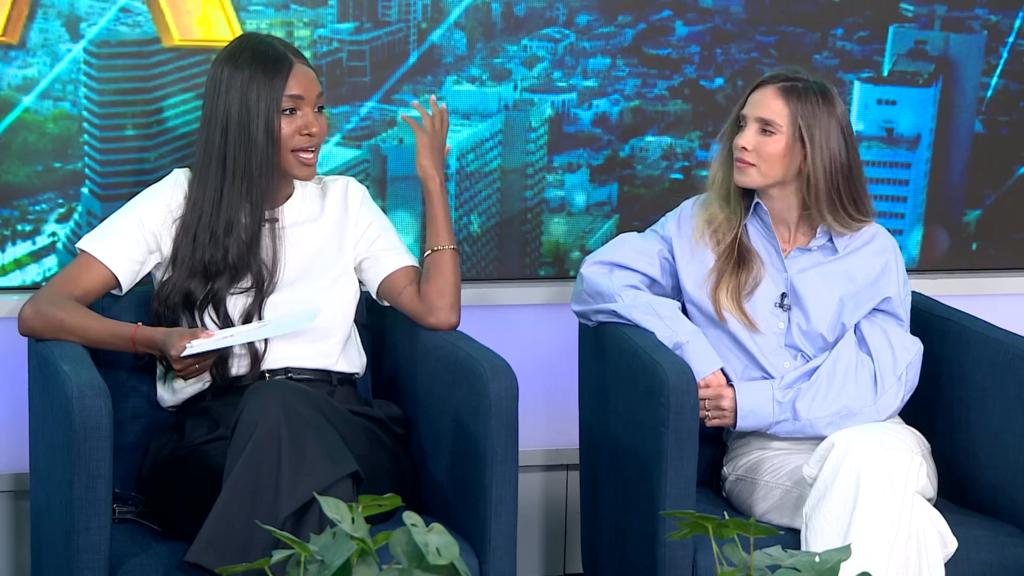
All Caps panelists: Titi Ayanaw and Sarai Givaty
As the series evolves, “ALL CAPS” positions itself not just as a talk show, but as a platform pushing back against narratives it argues are incomplete or distorted, one conversation at a time.
First published: 14:33, 03.29.26