

Sahar Seyedian, 45, of Jerusalem, is married and a mother of four. She hosts and edits a weekly Persian-language program on Kan REKA radio.
“When I travel abroad, I never post videos in real time,” she said. “I don’t want Iranian regime operatives to know where I am or try to harm or abduct me. Only after I return to Israel do I upload photos to social media.”
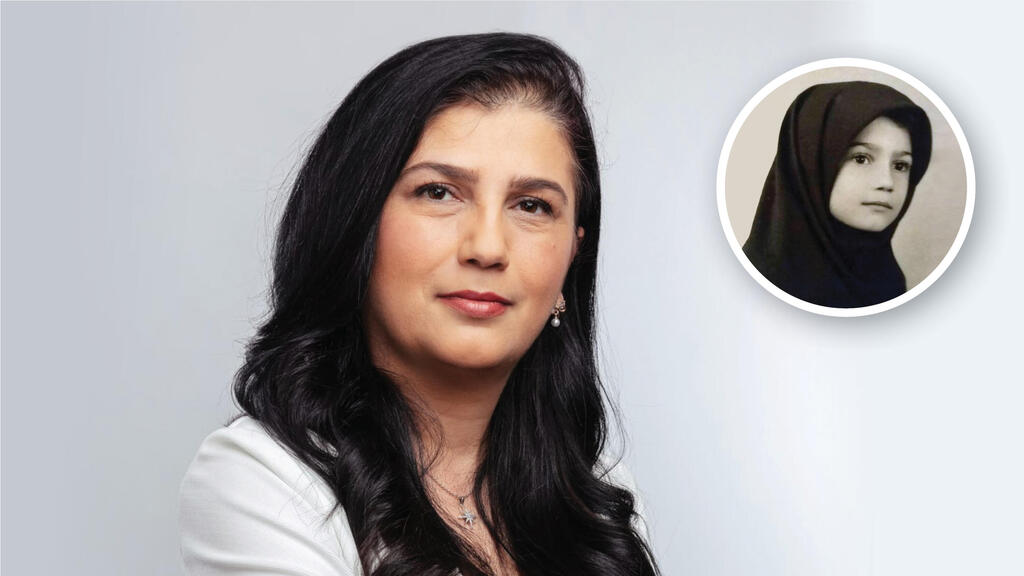
Seyedian was born in 1980, a year after the Islamic Revolution in Iran. Her name, Sahar, means dawn in Persian. She grew up in Shiraz, the eldest of four children.
“Our house was on a dead-end street,” she recalled. “Jews lived on the right side and Muslims on the left. We had good neighborly relations and played together in the street. But once we reached first grade, boys and girls were no longer allowed to play together.”
Her father owned a perfume shop and her mother was a homemaker. “Life was comfortable,” she said. “We didn’t know the word Zionism, but all Jews knew that one day we would immigrate to Israel. The Iranian authorities knew that too. When I received my passport at 16, I had to sign a document stating I could travel anywhere except Israel.”
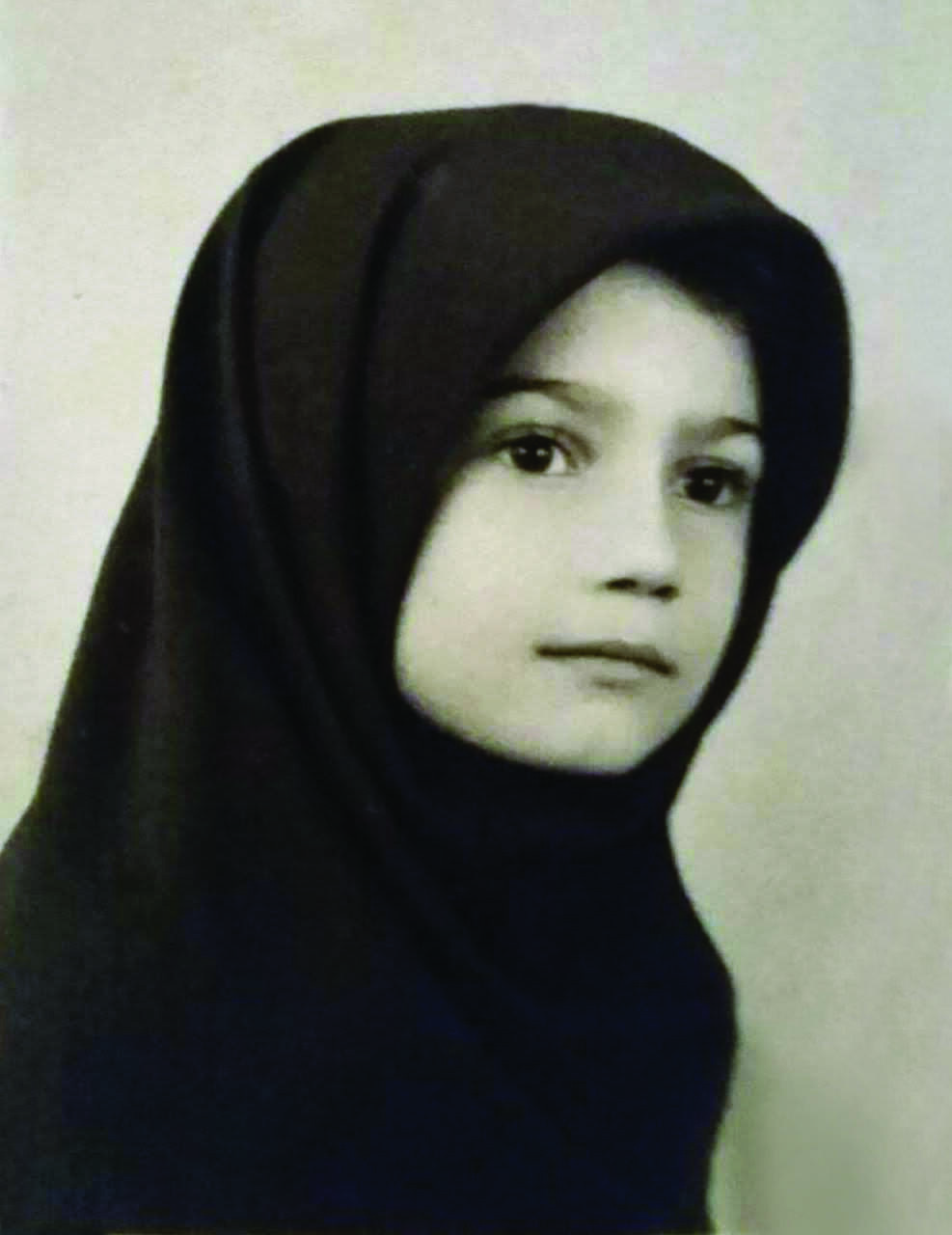
Sahar Seyedian as a young girl in Iran
At 18, after finishing high school exams, her parents took her and her 17-year-old brother on a trip to Turkey, a journey she did not tell her friends about. Relatives from Israel were waiting there.
“They took us to the consulate, testified that we were Jewish and brought us with them,” she said. “My parents and two younger siblings returned to Iran and immigrated a few years later.”
Seyedian arrived in Israel in August 1998 and settled in Holon, where her father’s family lived. She had studied Hebrew in Iran in order to read prayers, and after four months in an ulpan was accepted to a preparatory program for immigrants at Bar-Ilan University. She later earned a bachelor’s degree in education and history.
She married Dan Seyedian, who immigrated from Iran at age 12. “I always knew I would marry a Persian,” she said. “I love the language, the literature, the music and the culture, and also the Persian people. It’s important to separate them from their current regime.”
She began a master’s degree but did not complete it after the birth of her first son. Over the years, she worked as a manager in an optical store.
In 2009, she began reconnecting with Persian friends on social media, including two high school classmates she remains close to.
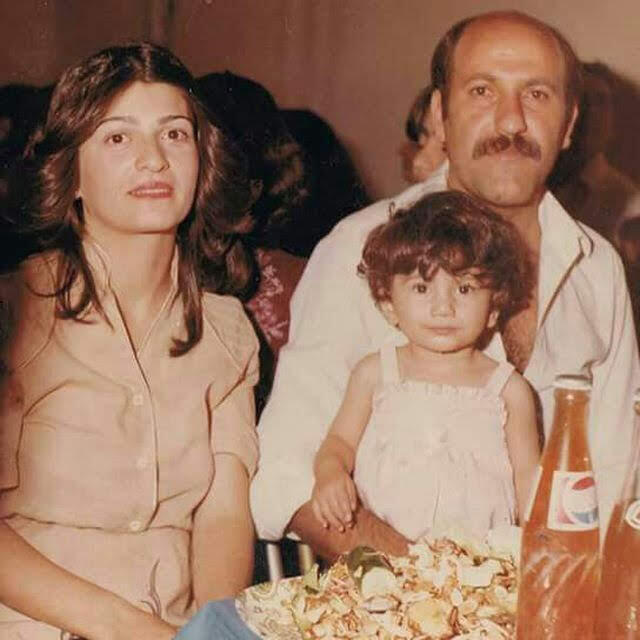
'When I made aliyah, relatives were waiting for me in Turkey. My parents returned to Iran and came to Israel years later'
When the Israel Broadcasting Authority shut down in 2017, Kol Yisrael’s Persian-language service closed as well. Menashe Amir, who had overseen the daily broadcasts, continued independently. At his request, Seyedian volunteered to present daily news online and manage Instagram and Telegram accounts.
In 2023, Amir ended his program. In 2024, the Israeli Public Broadcasting Corporation approached Seyedian about relaunching Persian-language broadcasts on Kan REKA. She now hosts a weekly hour-long program on Thursdays featuring news and current affairs, music, culture and holiday segments.
In recent broadcasts, she spoke about Purim, whose story is set in ancient Persia, as well as about Supreme Leader Ali Khamenei, the public reaction in Iran to his death and the views of Iranian expatriates who support U.S. and Israeli strikes and hope for a turning point that would allow them to take to the streets and bring about regime change.
“It’s important to emphasize that I do not speak on behalf of the Israeli government,” she said. “I try to be as objective as possible.”
Her listeners include Persian speakers in Israel, Europe, the United States and Iran itself. After each program airs, it is uploaded to the Kan website and later shared as a podcast on Telegram, where many listeners inside Iran tune in.
She does not know her exact audience size but tracks social media engagement. Some of her videos have drawn millions of views. A clip about Avichay Adraee, the former IDF Arabic-language spokesman, reached 4 million views.
“There isn’t a typical listener,” she said, estimating that most are between 24 and 45. Some write messages of gratitude for what they describe as Israel’s intervention. Others agree to interviews, often anonymously and with altered voices to avoid identification.
“With Iranian expatriates, I stay in touch,” she said. “With those living in Iran, much less so, so as not to endanger them.”
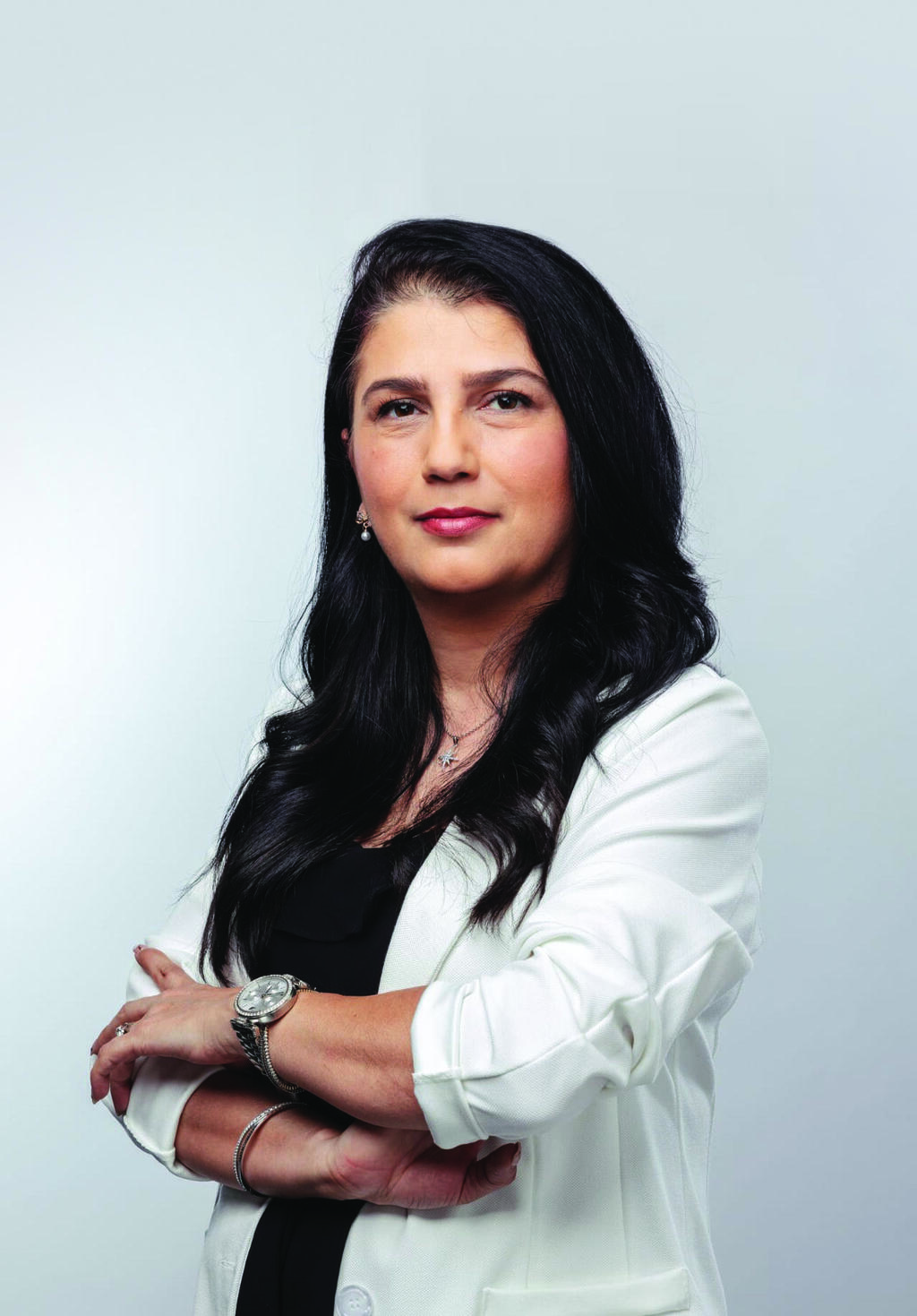
Seyedian
(Photo: Pini Siluk)
Seyedian has also taken her activism to the streets. In 2022, following the death of Mahsa Amini after being detained by Iran’s morality police over alleged hijab violations, she and Israeli friends organized rallies in support of Iranian women.
“We felt both peoples share a common interest in bringing down a regime that harms them and us,” she said. “Iranians appreciated those actions.”
On October 7, she said, Iranians took to the streets waving Israeli flags because Israel had openly supported them.
More recently, after violent crackdowns on young Iranians by authorities, she helped organize another rally, calling on President Donald Trump and Prime Minister Benjamin Netanyahu to assist the Iranian people in what she described as a shared interest in weakening the regime.
Despite that, she said she has learned to temper expectations.
“During Operation Rising Lion between Israel and Iran, we already packed suitcases and said, ‘Here we go, we’ll travel to Iran and walk its streets,’” she said. “Very quickly, that hope faded. The regime remained in place, and nothing changed. Now I am more cautious with hope.”
Still, she holds on to a personal dream.
“Despite the fears, I very much hope that in a year or two, after Iran recovers, we can take our children on a roots trip and introduce them to the beautiful country and the good people we miss so much,” she said.