

Nearly three decades after Princess Diana’s death, her younger brother is reopening some of the most painful chapters of her life and marriage, publishing a memoir that makes a series of deeply personal claims about King Charles, Diana’s mental health and the turmoil surrounding her funeral.
Charles Spencer’s Swan Song: Diana, My Sister is due to be published worldwide on Sept. 22. Extracts released ahead of publication have already prompted an unusually pointed response from Buckingham Palace, while Spencer has publicly insisted his recollections are accurate.
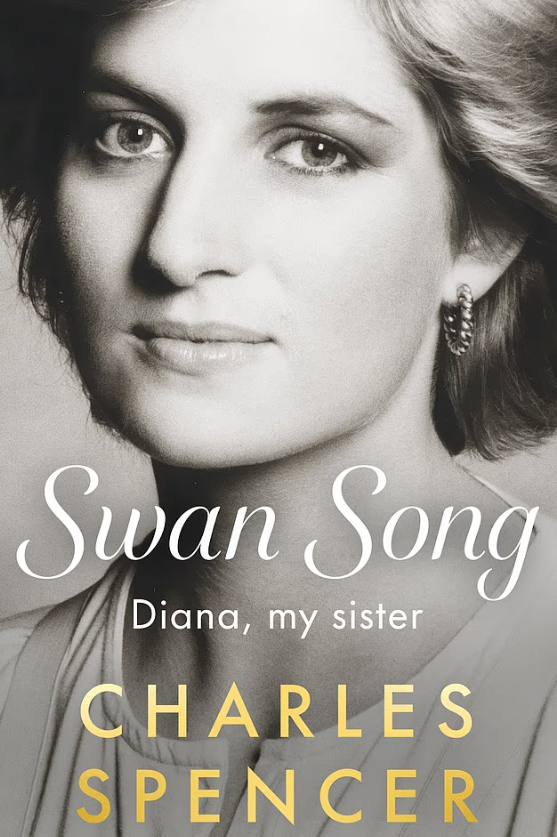
The book comes nearly four years after Prince Harry published Spare, his own account of life inside the royal family and of the morning his father told him Diana had died after the 1997 Paris car crash.
Harry recalled Charles telling him: “They tried, darling boy. I’m afraid she didn’t make it.” He also wrote that “Pa didn’t hug me,” describing his father as uncomfortable with displays of emotion even under normal circumstances.
Now it is Spencer, who delivered one of the defining speeches of Diana’s funeral at Westminster Abbey, offering his version of what happened inside the family before and after her death.
‘Rest assured, we’ll forget her soon enough’
One of Spencer’s most contentious claims concerns the decision to have Princes William and Harry, then 15 and 12, walk behind their mother’s coffin.
Spencer writes that he opposed the idea and believed Diana would not have wanted her sons placed in such a public and emotionally punishing position. According to his account, the disagreement led to a furious telephone conversation with the then-Prince Charles.
Spencer says Charles vented his anger while he listened without interrupting. Then, according to the memoir, Charles stopped and delivered the line Spencer says has remained with him ever since: “Rest assured, we’ll forget her soon enough!”
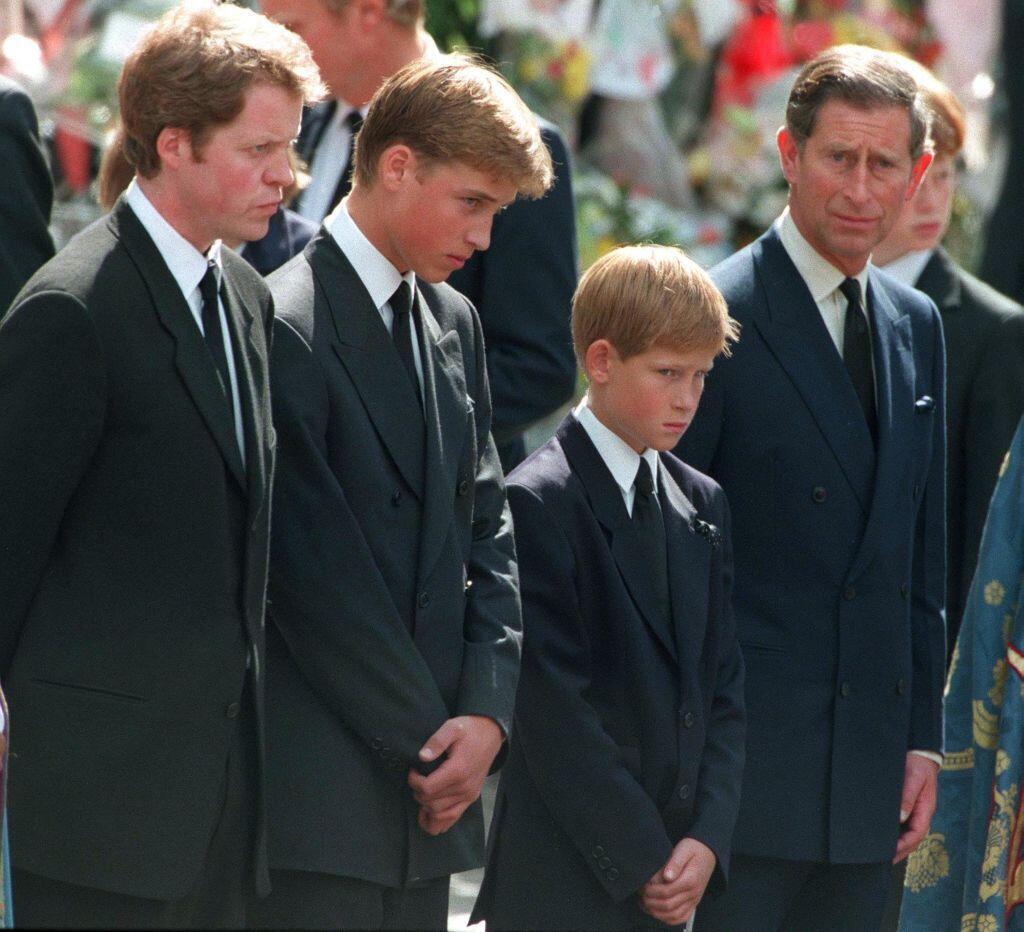
Walking behind Diana’s coffin: Charles, Harry, William and Charles Spencer
(Photo: Jayne Fincher/Getty Images)
Spencer says he was so stunned that he replied that he could not believe what Charles had just said and ended the call.
He also writes that discussions were underway among senior royal officials over who should join the funeral procession. According to Spencer, Charles wanted to walk behind the coffin, while palace officials feared the public reaction if he did so alone. William and Harry ultimately joined their father, grandfather Prince Philip and Spencer in the procession.
Buckingham Palace has challenged Spencer’s account without issuing a point-by-point denial. A spokesperson said the King was mindful that “the pain of fraternal grief can cloud reason, affect judgment and colour memory in ways others do not recognise,” adding that such effects can endure long after a loss.
Spencer has rejected that suggestion. Speaking to the BBC, he said he had had only two telephone calls with Prince Charles in his life and had therefore been particularly attentive during the exchange. “I was hyper alert to what he was saying and those are precisely the words that he said,” Spencer said, later adding: “I’m telling the truth.”
Charles was ‘very happy’ to marry her, but ‘not actually in love with her’
Spencer’s account also goes back to the beginning of Diana’s relationship with Charles. He writes that as Diana’s brother, he initially took comfort in how clearly she appeared to love the heir to the throne. Diana, he says, had grown up determined to marry for love, in part because of the painful divorce of their own parents.
Only years later, Spencer writes, did he learn that Diana had told a close friend about a devastating conversation on the eve of her wedding.
According to Spencer, Charles told Diana that he was “very happy” to marry her, but was “not actually in love with her.”
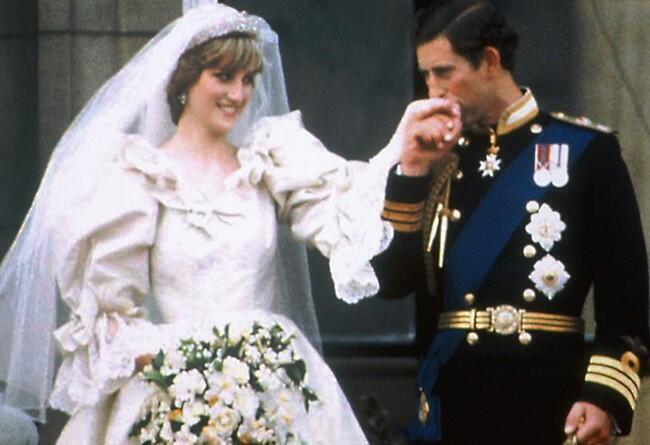
Prince Charles and Princess Diana
(Photo: AP)
On the morning of the July 29, 1981 wedding, Spencer recalls finding his sister already dressed, sitting quietly in front of a mirror. Only in retrospect, he writes, did he understand what she may have been carrying with her into St. Paul’s Cathedral.
The signs of doubt, according to Spencer, had appeared earlier. Diana had discovered a bracelet Charles had bought for Camilla Parker Bowles, Spencer writes, and became increasingly distressed about his relationship with Camilla.
He also recounts an evening at a royal birthday celebration for Prince Andrew at Windsor Castle when Diana had eagerly expected to spend time with Charles after his return from an overseas trip, only to feel largely ignored.
Spencer says Diana then went to their father, John Spencer, and told him she could not marry a man who plainly did not love her. Their father, he writes, was appalled by the idea of abandoning such a major commitment and discouraged her from ending the engagement.
Spencer now wonders whether his father’s lifelong devotion to the monarchy made it harder for him to put his role as Diana’s father ahead of what he saw as duty to the royal family.
‘Oh, a bit chubby here, aren’t we?’
The memoir also revisits Diana’s eating disorder, an issue she later discussed publicly herself. Spencer writes that Diana told him that by the time of her wedding she had already been struggling with the disorder for about five months.
After seeing photographs from the engagement announcement, Diana felt unhappy with her appearance, Spencer says. Days later, he claims, Charles squeezed her waist and remarked: “Oh, a bit chubby here, aren’t we?”
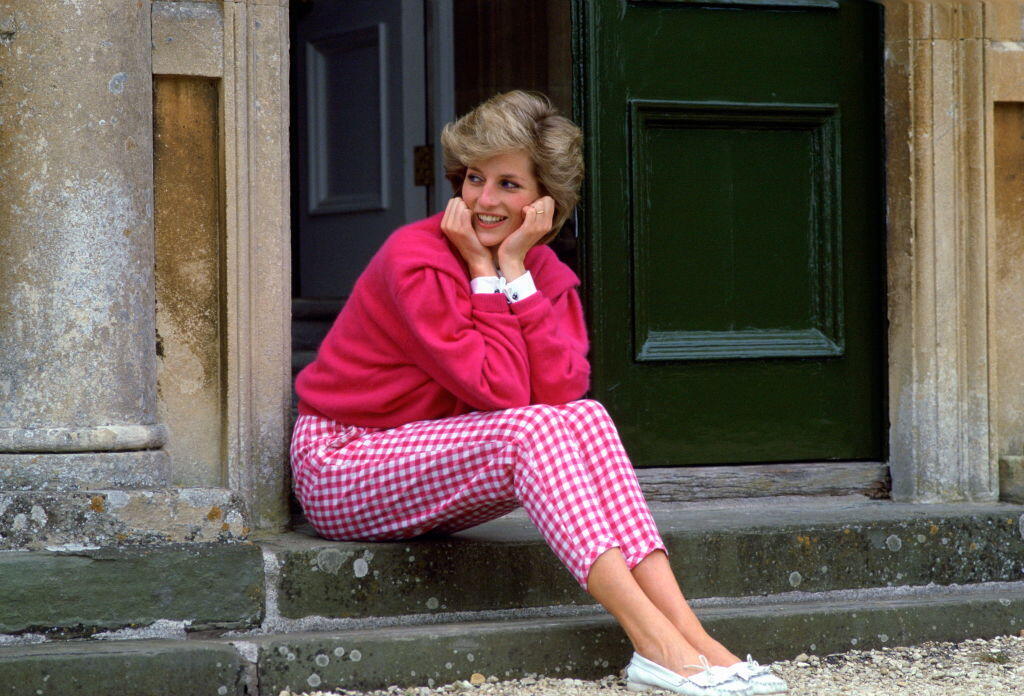
Princess Diana
(Photo: Tim Graham Photo Library via Getty Images)
Spencer says Diana found the remark devastating. She later told him, he writes, that her waist had fallen from 29 inches to 23.5 inches between the engagement and the wedding.
At the same time, he says, the machinery of royal life began taking control of decisions that previously had belonged to Diana and her family.
According to Spencer, longtime family doctor Mike Bloomer was informed that royal doctors would now oversee Diana’s care. Bloomer objected, arguing that he had known her for most of her life, but was replaced by Dr. John Batten, then the Queen’s physician. Spencer describes that decision as a serious mistake. The basic account of the change in doctors is also reflected in reporting on the memoir extracts.
Spencer says Diana’s problems with food and weight intensified again after William’s birth. She later told him, he writes, that she initially felt well after becoming a mother but soon grew isolated and trapped. She felt Charles was often too busy for her and, at other times, overly critical.
Advice he may have intended as helpful, about clothing, public behavior or interests, could feel to Diana like criticism, Spencer writes.
The earl also speculates in the memoir that his sister may have had ADHD and what he calls rejection sensitive dysphoria. That is Spencer’s retrospective interpretation, not a medical diagnosis presented in the material.
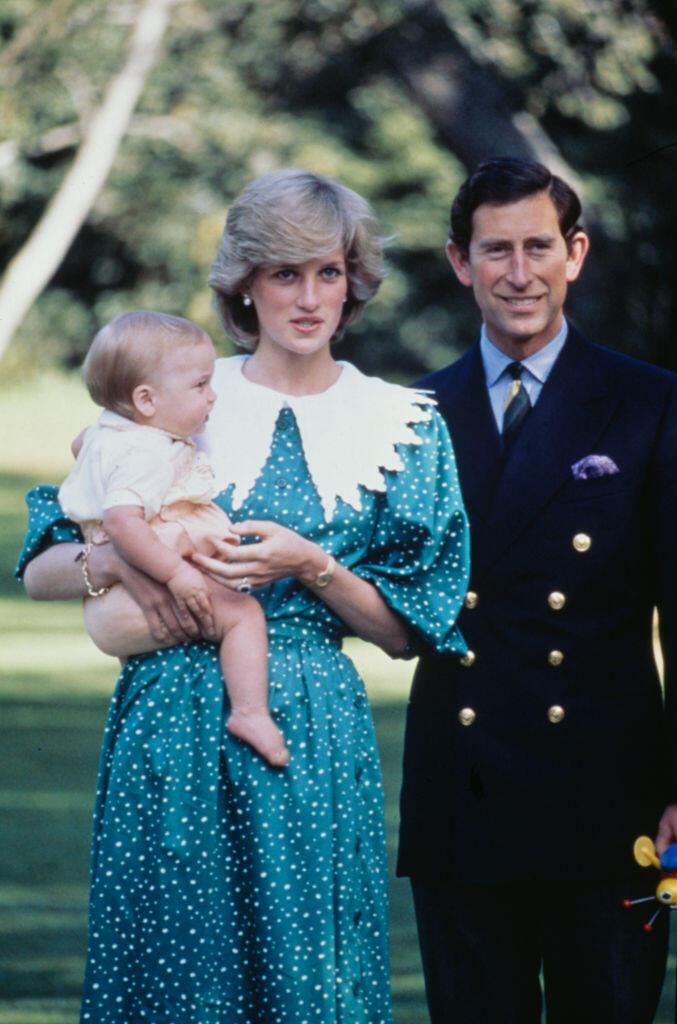
(Photo: Hulton Archive/Getty Images)
He stresses that he does not claim to be an impartial judge of his sister’s marriage and says both Diana and Charles eventually reached points of despair with one another.
The deeper problem, he writes, was that they were trapped inside a marriage the world expected them to present as a fairy tale even as their private relationship deteriorated.
‘Her love for her sons stopped her from going further’
Among the memoir’s darkest claims is Spencer’s account of Diana’s mental state later in her life. He writes that she drove herself to Beachy Head, the towering chalk cliffs on England’s southern coast, “more than once” while “contemplating ending it all.”
“Her love for her sons stopped her from going further,” he writes.
Diana had previously spoken publicly about self-harm, depression and bulimia during her years inside the royal family. Spencer’s new account adds what he says were private episodes she never disclosed publicly.
On another occasion, Spencer writes, Diana asked him at short notice to join her for lunch at San Lorenzo, one of her favorite London restaurants. Looking down at the table, she told him: “Carlos, I’m going to get divorced.”
Spencer says he was taken aback. He knew the marriage was in serious trouble but had not understood that she had reached that decision. He told her she had his support, he writes, but warned that the public had invested heavily in the fairy-tale image of the marriage and could blame her for destroying it.
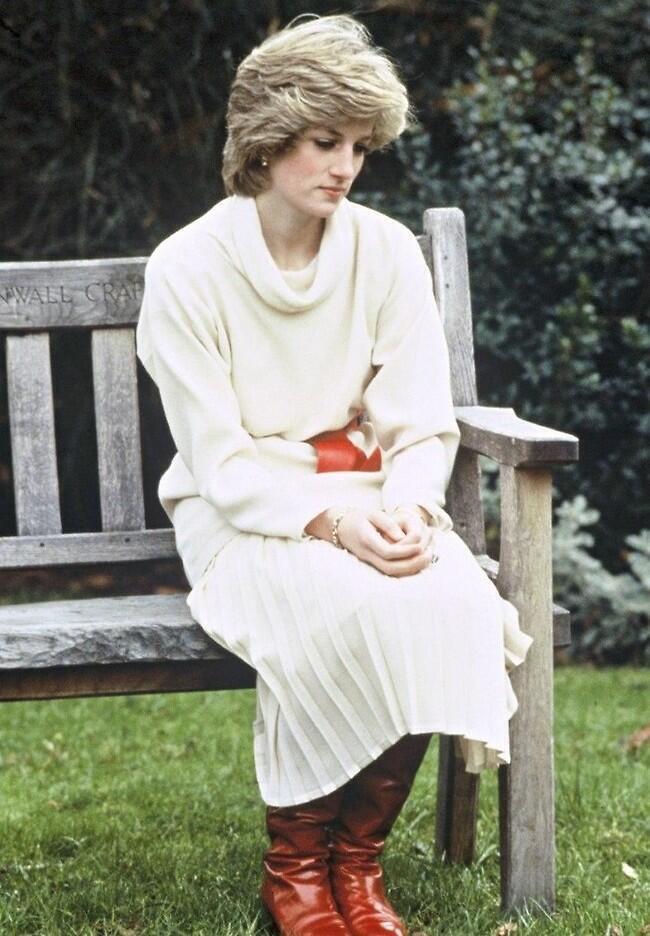
(Photo: Gettyimages)
According to Spencer, Diana then made another striking claim about her husband, telling him that Charles was “in love with his valet.” Spencer does not identify the valet in that passage or provide independent evidence for the allegation, and the claim should be understood strictly as his account of what Diana told him.
Spencer says the remark convinced him that, from Diana’s perspective, the marriage was beyond repair.
Charles and Diana separated in 1992 and finalized their divorce in 1996. Diana died the following year, aged 36, after the car carrying her crashed in the Pont de l’Alma tunnel in Paris.
The fallout from Spencer’s memoir shows that almost 30 years later, disputes over what happened inside the royal family during Diana’s life and immediately after her death remain far from settled.
Buckingham Palace has made clear that it questions Spencer’s memory of those events. Spencer, for his part, says he told close friends and relatives about the disputed telephone conversation at the time because of how shocking he found it and insists that his account has not changed.
“I’m telling the truth,” he said.