

Anyone who knows exactly where the left phalange is, or occasionally hums songs about smelly cats and pubic hair, probably never truly lost Lisa Kudrow.
More than two decades after Friends ended, Phoebe Buffay remains embedded in pop culture. Yet the woman who played her did not always feel worthy of the affection directed at the character. Now, in 2026, it finally seems to be Kudrow’s turn to stand confidently at center stage.
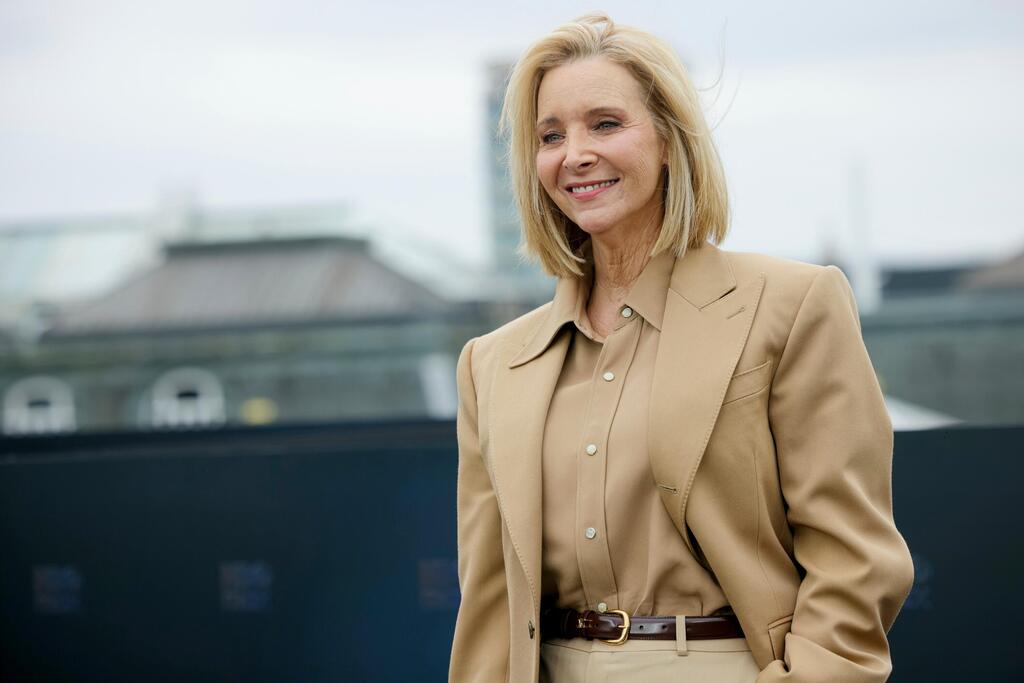
After Jennifer Aniston received a star on the Hollywood Walk of Fame in 2012 and Courteney Cox followed in 2023, the 63-year-old Kudrow has become the third member of the Friends cast selected for the honor. She was named to the class of 2027 alongside Pedro Pascal, Adam Scott, Keke Palmer, Idris Elba, Kate Hudson, Linkin Park, Sia and David Guetta.
The recognition does not end there. Kudrow has also returned to awards season with an Emmy nomination for the third and final season of The Comeback. It is her third nomination for the same series, following earlier nods in 2006 and 2015.
The nominations span 20 years, setting an unusual record for recognition of the same comedic role across two decades. She was also nominated for writing the series with her longtime creative partner, Michael Patrick King.
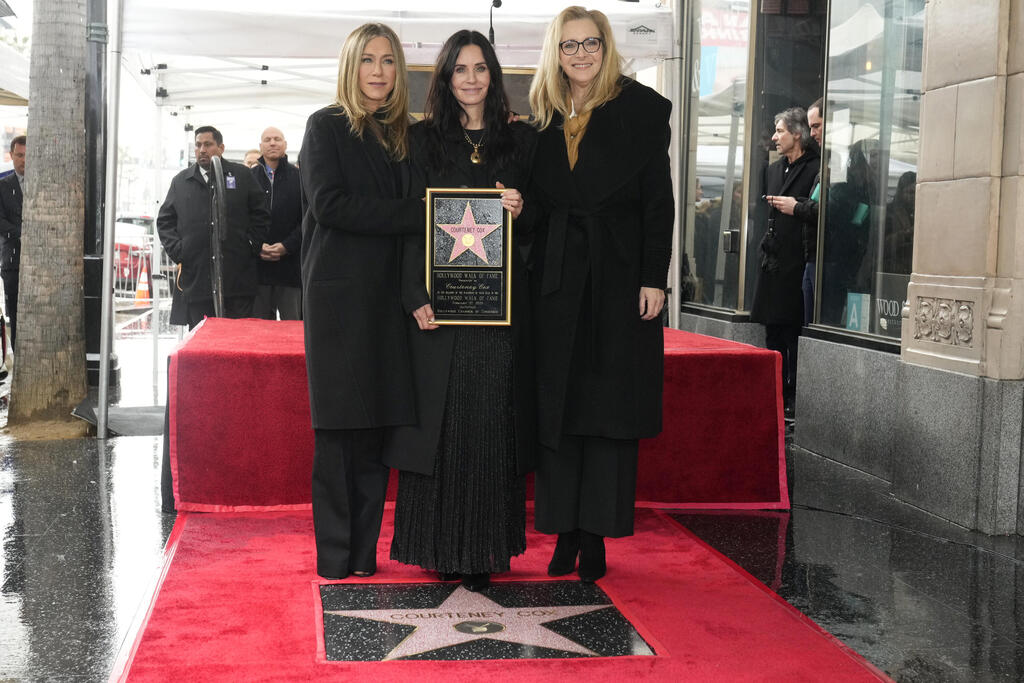
Lisa Kudrow and Jennifer Aniston at Courteney Cox’s Hollywood Walk of Fame ceremony
(Photo: AP Photo/Damian Dovarganes)
Yet despite the renewed acclaim, Kudrow spent years feeling that she had fallen behind. In a recent Actors on Actors conversation with Jennifer Aniston for Variety, she said she had never considered herself particularly funny.
Kudrow said she was relentlessly critical of herself, uncomfortable with her acting style and even with the sound of her own voice. Aniston told her she remembered that insecurity well, even though she never believed it was justified.
'I thought actors were egocentric people'
Kudrow was never supposed to become an actor. She grew up in Los Angeles in a Jewish family, the daughter of a physician who specialized in headache research and a travel agent. Although her father was an atheist and the family did not belong to a synagogue, Kudrow chose to have a bat mitzvah.
"We had a friend who was a rabbi who agreed to tutor me—not in person but with tapes I listened to,” she told The Saturday Evening Post in 2014. “I read phonetically."
"My son sort of wanted a bar mitzvah, but it was a lot of work, and we didn’t belong to a temple. But then he was at the mall and two Hassidic Jews, I think they were Chabad-Lubavitch, they went up to him and asked, “Are you Jewish? Did you have a bar mitzvah?” He said he was half-Jewish. They asked, “Your mother?” He said, “Yeah.” They told him, “Great, come here, we’ll give you a bar mitzvah in 30 seconds.” They did a ritual, took a picture. He was all by himself, and he had his own bar mitzvah.
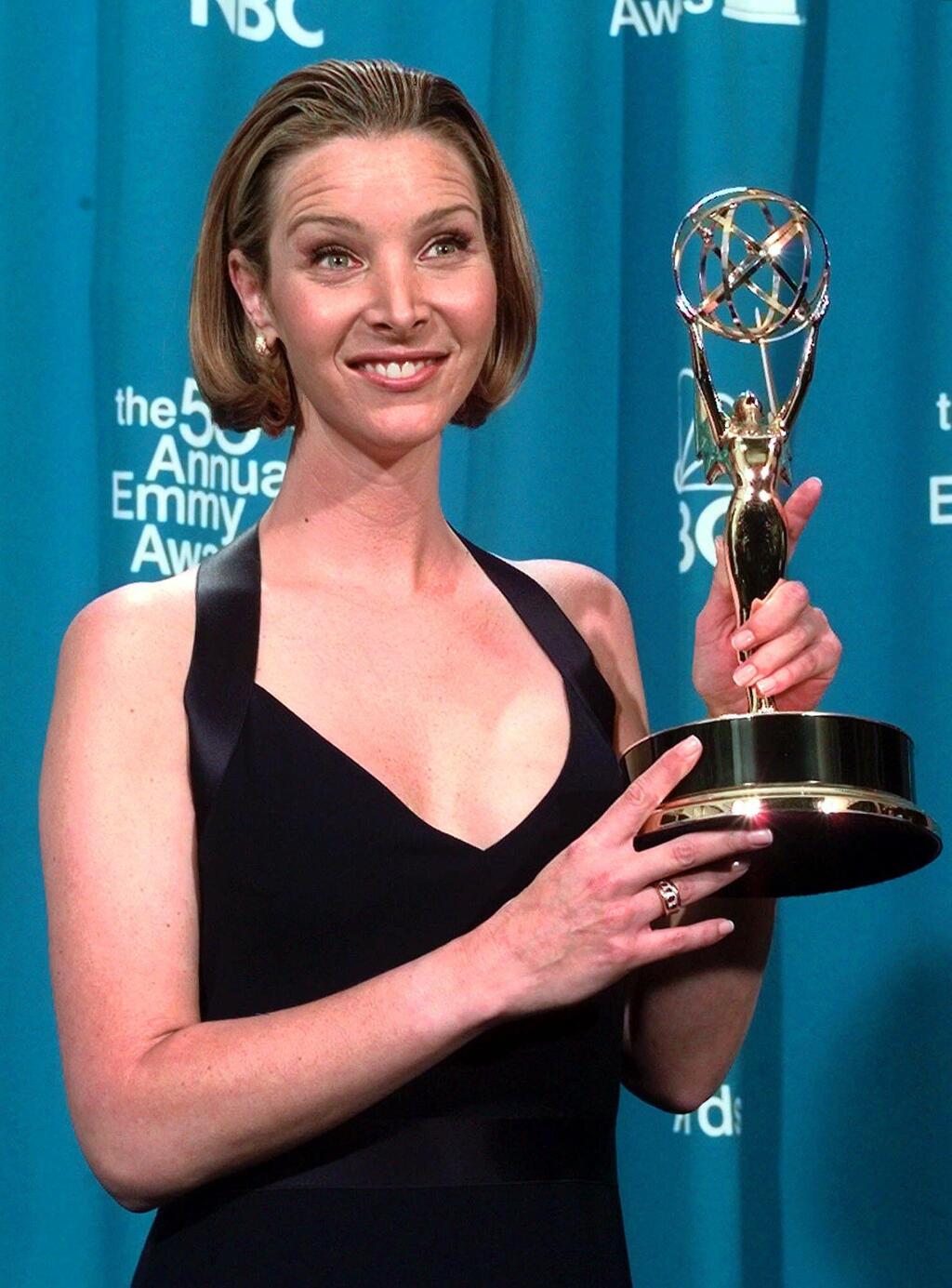
Lisa Kudrow at the 1998 Emmy Awards
(Photo: AP Photo/Reed Saxon)
Kudrow’s own bat mitzvah mattered for another reason. In retrospect, it planted one of the first seeds of her acting career. That day, she received a biography of acting teacher Uta Hagen from her brother’s close friend, actor Jon Lovitz, known for Saturday Night Live, The Simpsons and two guest appearances on Friends. In the dedication, he wrote: “To my fellow thespian.”
Years later, Lovitz did more than give her a book. He persuaded Kudrow to audition for The Groundlings, the legendary improvisational company that helped launch the careers of Will Ferrell, Kristen Wiig, Melissa McCarthy and Maya Rudolph.
At first, however, Kudrow followed her father’s path. After earning a biology degree from Vassar College, she worked as a researcher in his laboratory, apparently headed toward a scientific career that seemed far safer than Hollywood.
That chapter of her life later inspired a joke in the first season of Friends, when Phoebe challenges Ross’s certainty about evolution. Kudrow told Aniston that her degree in evolutionary biology may have helped prompt the writers to give Phoebe that argument.
Fortunately, Kudrow decided to give acting a chance and joined The Groundlings in 1989. She initially allowed herself only a few years to pursue the dream, assuming that if it failed, she would return to psychobiology and follow her father into medicine.
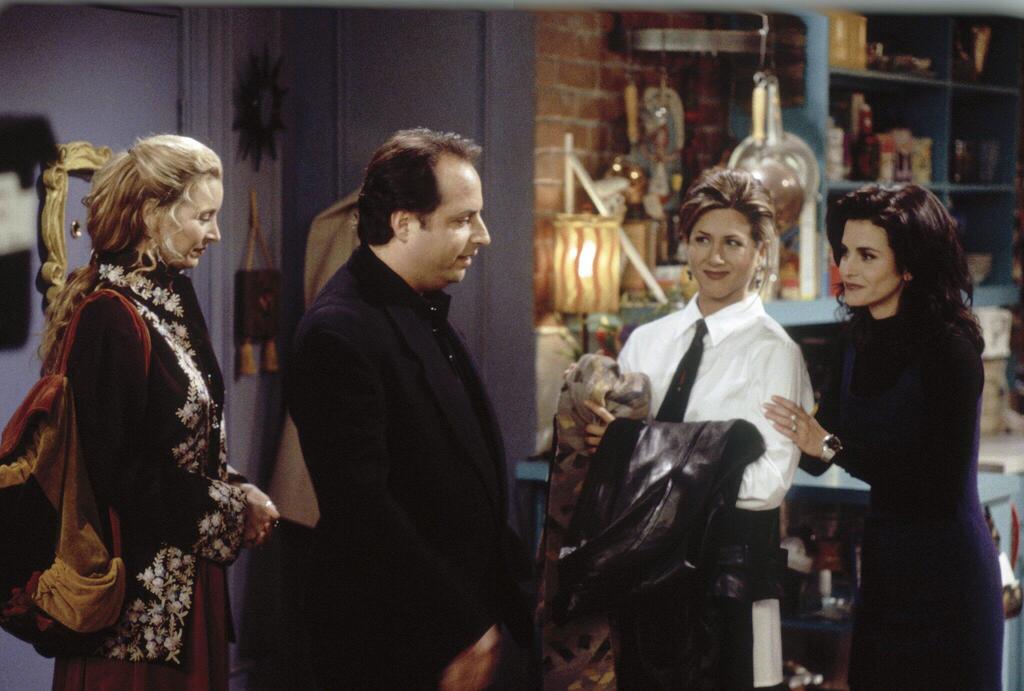
Jon Lovitz guest-starring on Friends
(Screenshot: HBO)
“I thought actors were egocentric people with bad judgment,” she admitted in 2014. "And anyone who wanted to do that, it wasn’t very mature."
She nearly abandoned the idea during her second improvisation class. "I had come late. It was too embarrassing. I felt I looked so silly doing some of the exercises. So I sat down to watch people make fools of themselves."
Then one of her classmates, a young comedian named Conan O’Brien, took part in an exercise. He threw an imaginary space ball, but it looked as if he was throwing an actual one. "It didn’t look stupid, and he wasn’t overdoing it. He was totally committed to it. I finally got it — that as long as you totally commit you’re safe from embarrassment", she said.
Years later, when O’Brien was uncertain about his future, Kudrow said she encouraged him to apply to host NBC’s late-night program after David Letterman’s departure. “If Letterman’s leaving his late-night show, he’s irreplaceable. So better it be someone we don’t know at all," she said.
Kudrow’s breakthrough did not come easily either. In 1993, she was cast as Roz in the new sitcom Frasier, only to be fired before the first episode aired. Several months later, she began playing Ursula on Mad About You. When producers of a new sitcom called Friends needed someone to portray Ursula’s twin sister, Kudrow received a second chance.
Phoebe Buffay became one of television’s most beloved characters, and in 1998 Kudrow won the Emmy for outstanding supporting actress in a comedy series.
'Now I can watch Friends without punishing myself'
Viewers around the world fell for Phoebe almost instantly. She was the spiritual, eccentric member of the six friends everyone wanted to join. Although the writers gave her a traumatic history, including abandonment, homelessness and her mother’s suicide, Phoebe remained an embodiment of optimism and kindness.
She worried that her bicycle might die because she was not riding it enough and agreed to become a surrogate for her brother’s triplets, a storyline created to accommodate Kudrow’s real-life pregnancy.
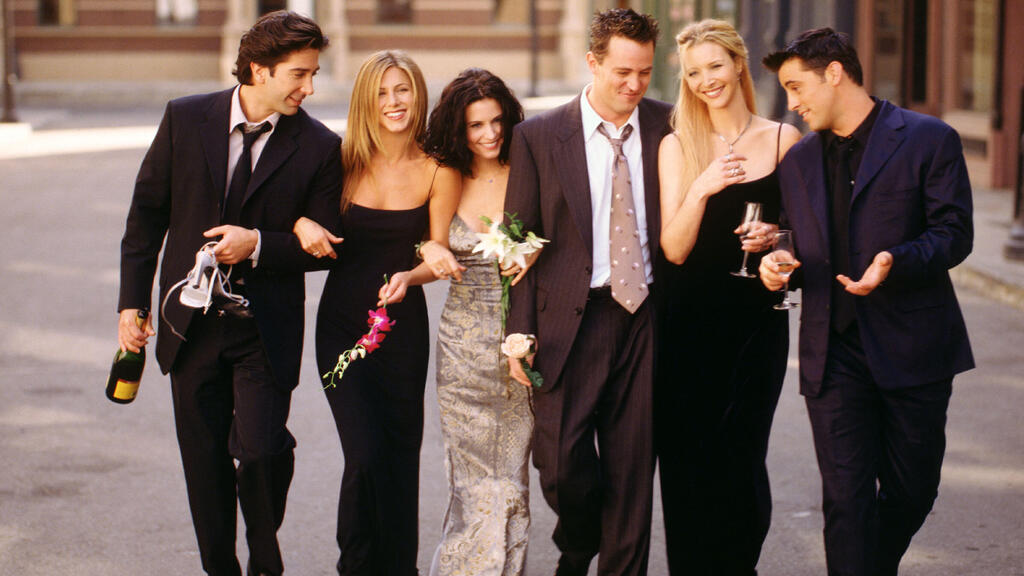
"At first, Phoebe was very, very far from me". The cast of Friends
(Photo: GettyImages)
“At first, Phoebe was very, very far from me,” Kudrow told Lily Tomlin this year in Interview magazine. "It took a lot of work to justify the things she would say and do. Not in an irritating way—it was fun. Over the course of 10 years, a little bit of her came into me. I lightened up a little more and read some books on spirituality and things, just to try to understand her. That’s why I don’t like playing characters that are too evil. I don’t want to inhabit that so much."
“I won a lottery being on 'Friends'," Kudrow told Today. "Anything else I got to do was icing". “All I ever wanted to do was be able to support myself as an actor. That was the goal,” she added. Not only did she achieve it, but she was working with people that she loved.
Despite the show’s extraordinary success, Kudrow was never entirely satisfied with her own performance. “After Matthew died I watched the show again,” she told The Sunday Times this year.
Kudrow had long admired Perry and wrote the foreword to his memoir. “Before, I only saw what I did wrong or could have done better. But for the first time I truly appreciated just how great it was. I felt I did OK, but Jennifer and Courteney? Amazing. David and Matt? They had me laughing so hard. And then Matthew — he was just beyond us all.”
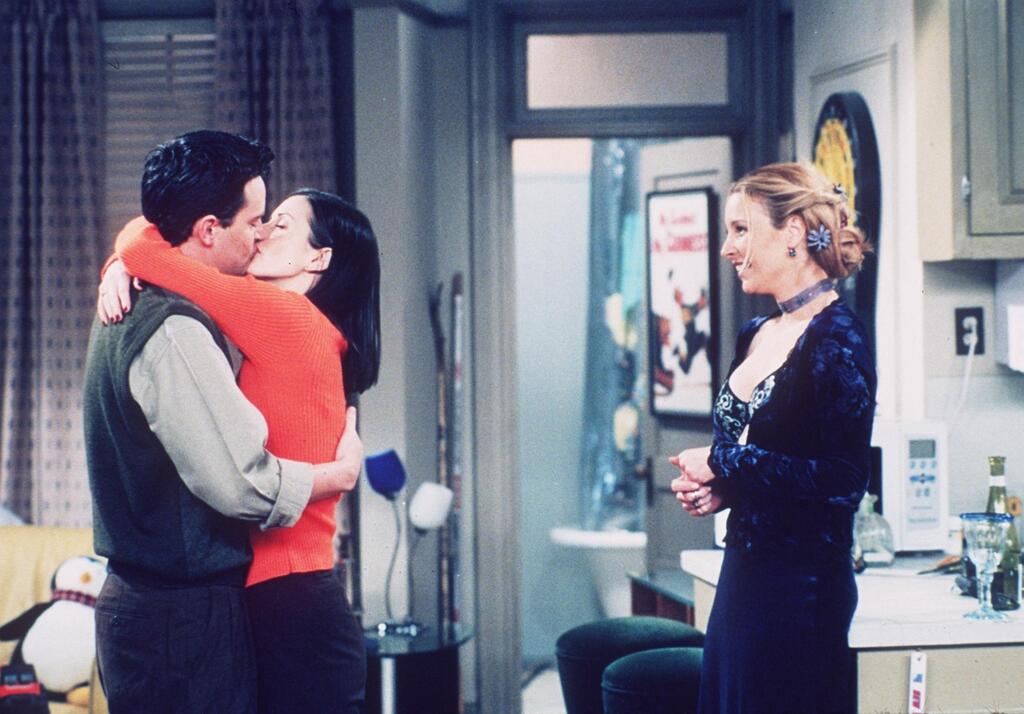
"Matthew was just beyond us all". From "Friends"
(Photo: GettyimagesIL)
“Now I’m comfortable watching Friends without punishing myself,” she later told Tomlin. Still, she says she gets nervous. "What if somebody walks in and I’m watching myself? That’s really embarrassing."
Just as Kudrow has fallen in love with the show again more than 20 years after it ended, Friends has found enormous success with younger viewers. Even in the age of TikTok and smartphones, the show offers an alternative world without constant digital distraction, where close friends live near one another, spend nearly all their time together and become a family.
“Friends captured a kind of innocence that maybe a younger generation has never got to experience,” she told The Sunday Times.
The cast’s closeness continued off-screen and helped them make television history. When Friends began in 1994, each actor earned $22,500 per episode. Rather than compete against one another, they decided to negotiate as a group.
Their collective bargaining eventually pushed their salaries to $1 million per episode. According to reports, Kudrow played a central role in those negotiations. The agreement made Kudrow, Aniston and Cox the highest-paid television actresses in the world at the time.
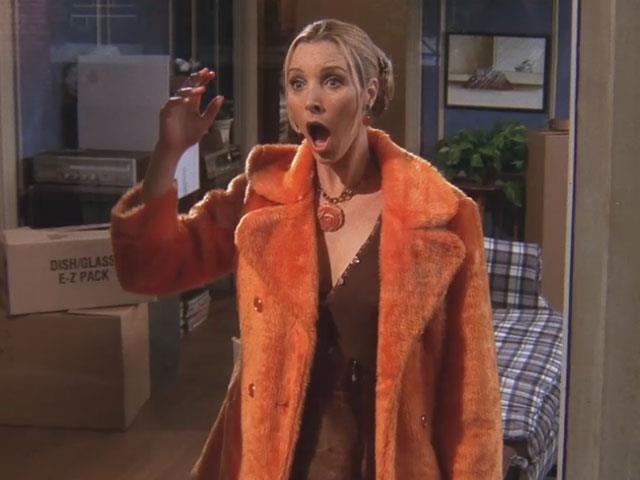
From "Friends"
(Screenshot: HBO)
Yet Kudrow has made clear that the atmosphere behind the scenes was not always as innocent as the show itself. She described the writers’ room at Warner Bros. Studios in Burbank, where between 12 and 15 writers worked, most of them men.
“Don’t forget we were recording in front of a live audience of 400," she told The Sunday Times. "And if you messed up one of these writers’ lines or it didn’t get the perfect response, they could be like, ‘Can’t the bitch f***ing read? She’s not even trying. She f***ed up my line.’
"And we know that back in the room the guys would be up late discussing their sexual fantasies about Jennifer and Courteney. It was intense.”
Kudrow’s comments also touched on a sexual harassment case that shook the Friends production in 1999. Writers’ assistant Amaani Lyle sued Warner Bros., alleging that workplace meetings exposed her to graphic sexual discussions, simulations of sexual acts and remarks about Aniston and Cox.
The lawsuit was dismissed, and Kudrow said she had chosen at the time to treat the atmosphere as part of the job.
“It could be brutal,” she said. “But these guys — and it was mostly men in there — were sitting up until 3 a.m. trying to write the show so my attitude was, ‘Say what you like about me behind my back because then it doesn’t matter.’ ” A similar storyline would later appear in the first season of The Comeback.
Kudrow also struggled with body image. “When I watched myself on television, all I could think was, ‘My God, I am just a mountain of a girl,’” she told Marc Maron’s WTF podcast. “I was bigger than Courteney and Jennifer. Taller and larger. My bones feel bigger. I just felt like this mountain of a woman next to them."
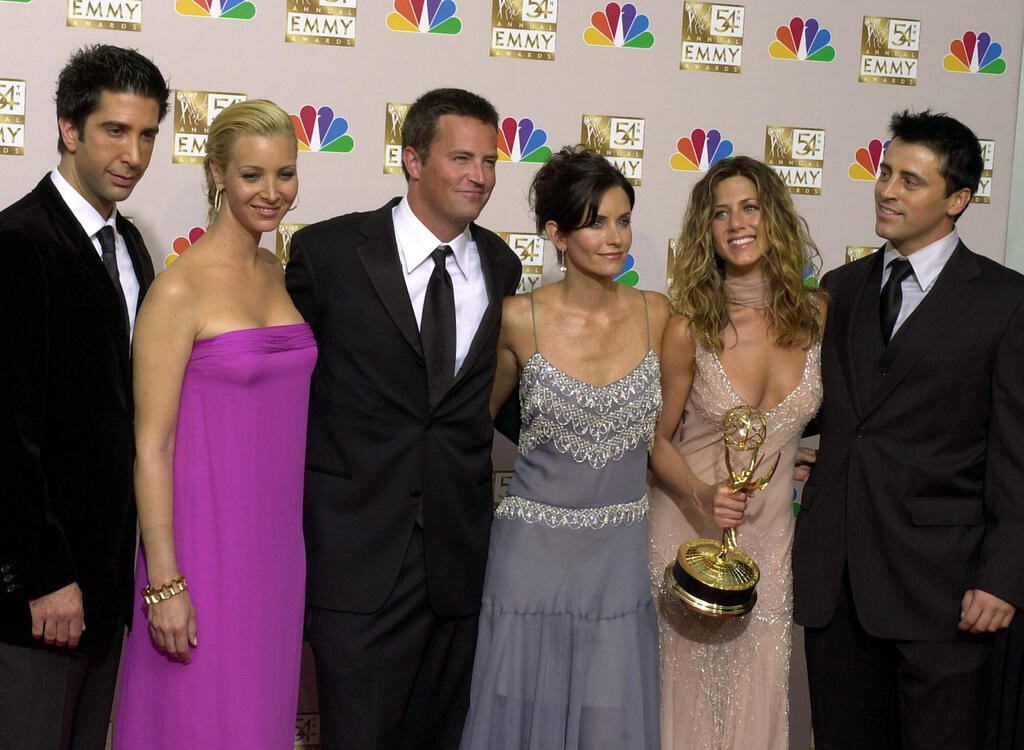
The Friends cast, from right: Matt LeBlanc, Jennifer Aniston, Courteney Cox, Matthew Perry, Lisa Kudrow and David Schwimmer
(Photo: AP)
Kudrow also acknowledged that during the years Friends was on the air, she deliberately lost weight. In retrospect, she said what disturbed her most was that weight loss was always rewarded with compliments.
Kudrow said women are often praised for looking good when they are underweight, even when the reality is far less healthy. She recalled that whenever she became too thin, she was constantly ill, suffering from colds and recurring sinus infections.
Only with age, Kudrow said, did she learn to stop searching for outside approval. Rather than fighting her body or fearing aging, she learned to accept both.
Kudrow said she now reminds herself that growing older is something positive rather than something to fear. She also knows exactly what she would tell her younger self if she had the chance.
“Don’t confuse people liking your work with them liking you,” she told Tomlin. “And don’t wait to get permission to like yourself, because you’ll need that. You’re all you’ve got.”
'"Comeback" sounded like the most embarrassing word'
Since Friends ended in 2004, Kudrow has never stopped working. She appeared in a long list of films and television series, including P.S. I Love You, Easy A, Grace and Frankie and, more recently, Netflix’s No Good Deed opposite Ray Romano.
Yet the role that most clearly defined her career after Phoebe was not one she merely played. It was one she created. Valerie Cherish, the central character in The Comeback, is a former sitcom star desperately trying to revive her career.
In many ways, she resembles Kudrow herself. Perhaps for that reason, Kudrow needed some visual distance from the character. After a decade in which Phoebe’s long blond hair became one of her defining features, Kudrow decided Valerie had to look entirely different.
“For Valerie, it was pretty clear early on that she should be a redhead,” she told Tomlin. “Blondes are ditzy and brunettes are too serious, but redheads are fun and smart. That’s what I thought her thinking around that would be.”
With hairstylist Jonathan Hanousek, Kudrow gave Valerie a hairstyle frozen somewhere in the 1980s, much like the career she is attempting to resurrect.
For Kudrow, The Comeback also proved that she did not have to chase another success on the scale of Friends.
Kudrow said that her success on Friends gave her the freedom to create shows of her own without expecting them to match its scale. Projects such as The Comeback and Web Therapy, she added, were deeply fulfilling for precisely that reason.
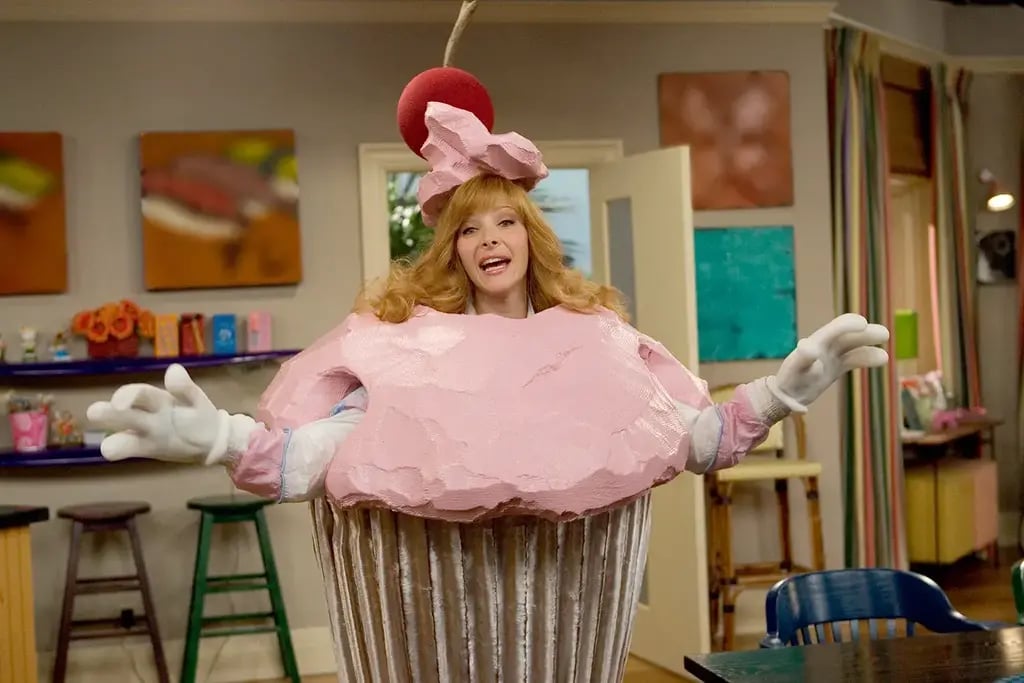
From "The Comeback"
(Photo: Courtesy of HBO MAX)
Kudrow created The Comeback with Michael Patrick King, one of the key creative forces behind Sex and the City. The series follows Valerie, a former sitcom star trying to return to television through a reality show that documents every moment of her attempted comeback. Along the way, she is cast in a new sitcom that is deliberately too young and too sexual for her.
Through Valerie, Kudrow and King explored not only performers’ fear of becoming obsolete, but also television’s transformation from the sitcom era into the age of reality programming, when cameras stopped at neither the set nor the front door.
“When The Comeback started, the idea that people would humiliate themselves and sacrifice all dignity for anything was still quite new,” Kudrow told The Times. That feeling intensified, she said, when she watched Survivor’s first winner, Richard Hatch. “I thought, ‘This is the end of civilization.’”
In retrospect, it is difficult to understand how The Comeback was canceled after only one season. The series was years ahead of its time in its treatment of celebrity obsession, reality television and Hollywood cruelty. Kudrow also created a character who was unbearable, pathetic and deeply moving all at once.
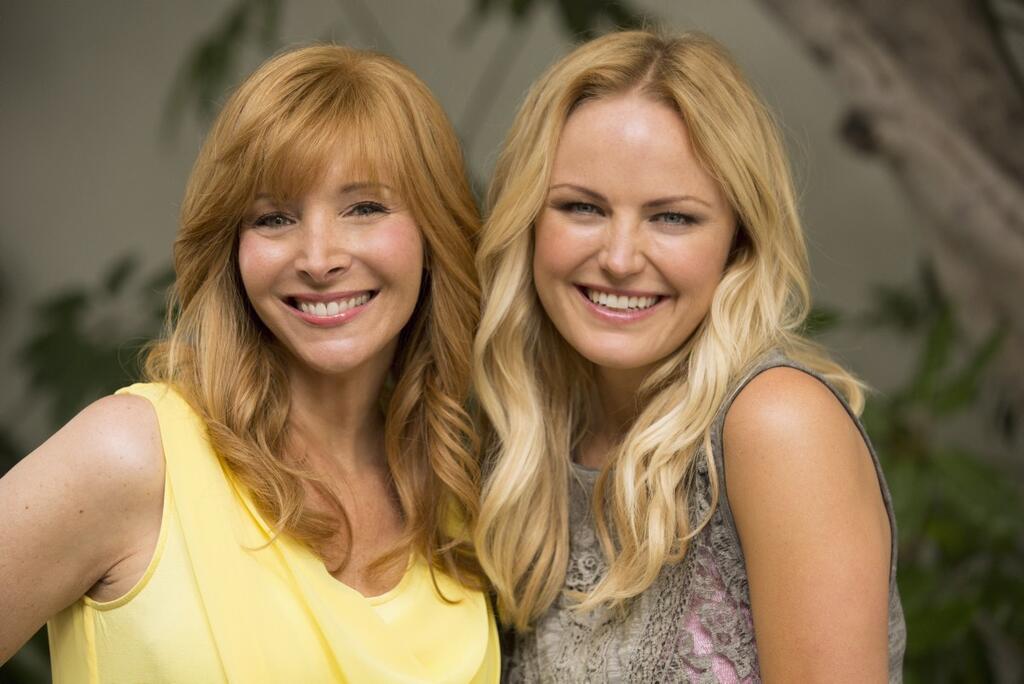
“David Bowie never missed an episode”: From The Comeback
(Photo: John P Johnson, Courtesy of yes)
Over time, the show developed a devoted cult following, sometimes among unexpected viewers.
Honestly, we were getting great feedback while it was on. We heard David Bowie called HBO when he was going on tour, being like, “I don’t want to miss any.” Being canceled was shocking, but I wasn’t devastated because I thought, okay, this is beyond my control. What we did was good. I’m proud of it.
“Honestly, we were getting great feedback while it was on,” Kudrow told Tomlin. “We heard David Bowie called HBO when he was going on tour, being like, “I don’t want to miss any.” Being canceled was shocking, but I wasn’t devastated because I thought, okay, this is beyond my control. What we did was good. I’m proud of it.”
Against all odds, and despite Hollywood’s decision-makers, The Comeback was not finished. In 2014, nearly a decade after its cancellation, it returned for a second season, this time to a world that had begun to understand what Kudrow and King had been saying from the start.
In 2026, the series returned for a third and final season, now confronting one of the entertainment industry’s greatest perceived threats: artificial intelligence. Valerie agrees to star in a sitcom written entirely by AI, while the creators use her to ask the same question that has driven the series for more than 20 years: What are people willing to sacrifice to remain relevant?
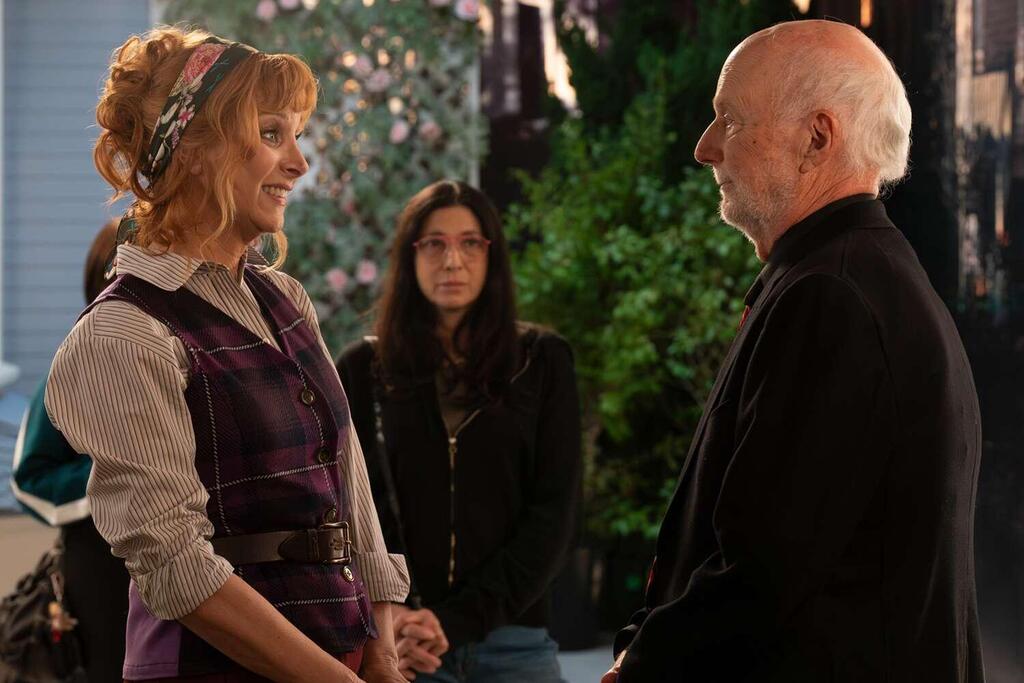
James Burrows and Lisa Kudrow in The Comeback
(Photo: Cuortesy of HBO MAX)
The location of the third season also created a full-circle moment. Kudrow returned to Stage 24 at Warner Bros. Studios, the same soundstage where Friends was filmed. She recalled how, in the 1990s, the Friends cast wandered between studios alongside the stars of ER, with no idea that they were about to become a cultural phenomenon. “None of us knew what was waiting for us,” she said.
Director James Burrows became part of that full-circle moment as well. The legendary television director, who directed the first episode of Friends and played the fictional sitcom director in the first season of The Comeback, returned in the third season to play himself. In retrospect, it was also his final screen appearance before his death last month.
In one of the season’s most powerful moments, Burrows explains that genuine comedy can be created only by human beings, not by artificial intelligence. It is difficult to imagine a more fitting message for a series that repeatedly saw the future before everyone else.
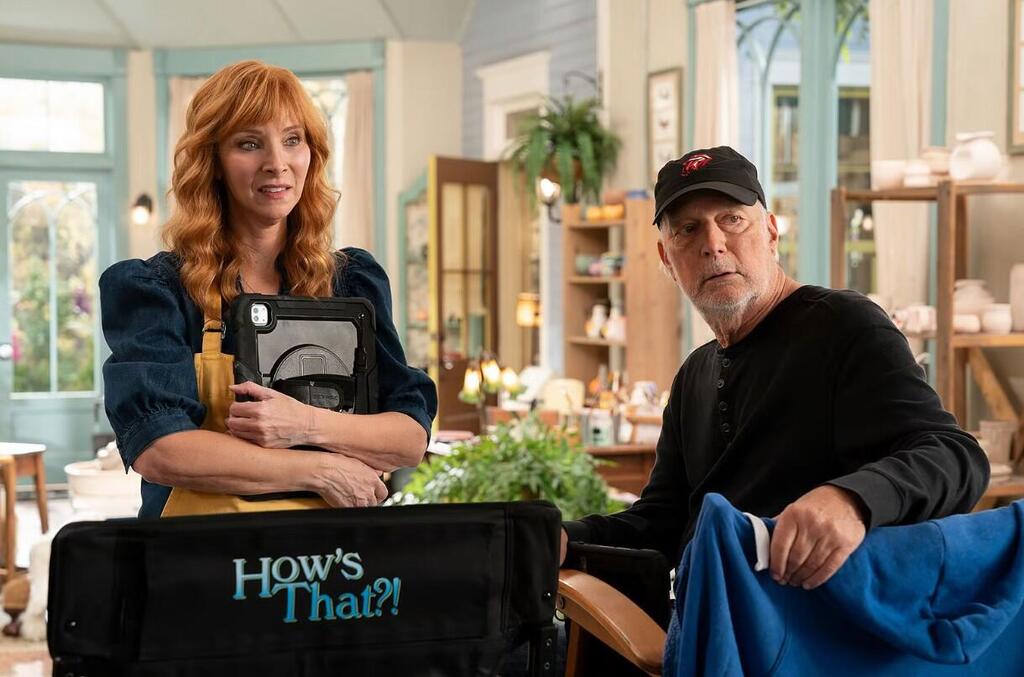
Burrows and Kudrow in The Comeback
(Photo: Photo: Courtesy of HBO MAX)
Yet perhaps the truest full-circle moment belongs to Kudrow herself. The woman who once regarded the title The Comeback as almost insulting now sees it entirely differently.
I mean, at first, to me, a comeback—that was the most embarrassing reality show to be on, because it’s saying, “I went away.” To me, it was really embarrassing that she’s so desperate to get back in the spotlight that she agrees to be on a show called The Comeback.
“At first, to me, a comeback—that was the most embarrassing reality show to be on, because it’s saying, 'I went away’,” she told Tomlin. “To me, it was really embarrassing that she’s so desperate to get back in the spotlight that she agrees to be on a show called The Comeback. Now, it’s the most celebratory word. We love a comeback. We’ve mutated comeback from cringe to celebratory. ”