

Porsche has reported a massive quarterly loss of nearly €1 billion ($1.08 billion), a sharp reversal from a similar profit in the same period last year. The luxury sports car maker, once seen as a model of efficiency and profitability, is now facing one of the toughest periods in its history, driven by an uncertain shift to electric vehicles and new trade barriers imposed by U.S. President Donald Trump.
According to the company’s latest financial statement, Porsche’s operating margin forecast has plunged to just 2% for 2025, compared with 14% in 2024. The most striking figure, however, concerns the first three quarters of this year: total profits collapsed to €40 million, down 99% from €4 billion during the same period last year.
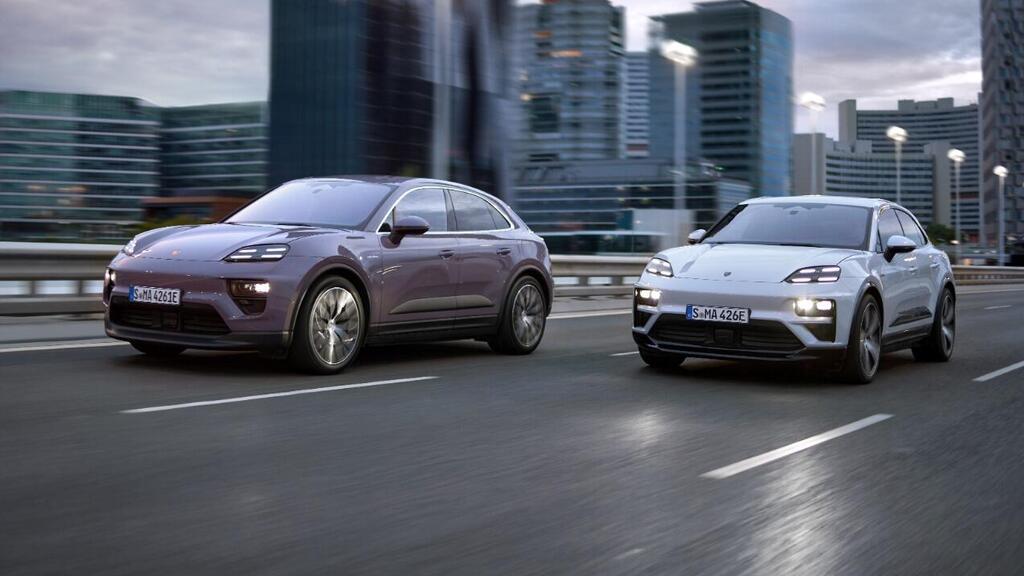
For years, Porsche ranked among the world’s most profitable carmakers, fueled by strong demand for its high-end sports cars and luxury SUVs, as well as exceptionally high resale values that allowed the brand to maintain premium pricing. Demand for used 911 models, often sold for more than their original sticker prices, had been a major driver of the brand’s financial strength.
But the combination of a faltering EV transition and new U.S. trade tariffs has dealt a heavy blow. Porsche said Trump’s trade war between Europe and the United States, announced earlier this year, cost the company €700 million in lost revenue due to steep import tariffs. To offset the losses, the automaker plans to raise prices on some U.S. models—though that may further depress sales.
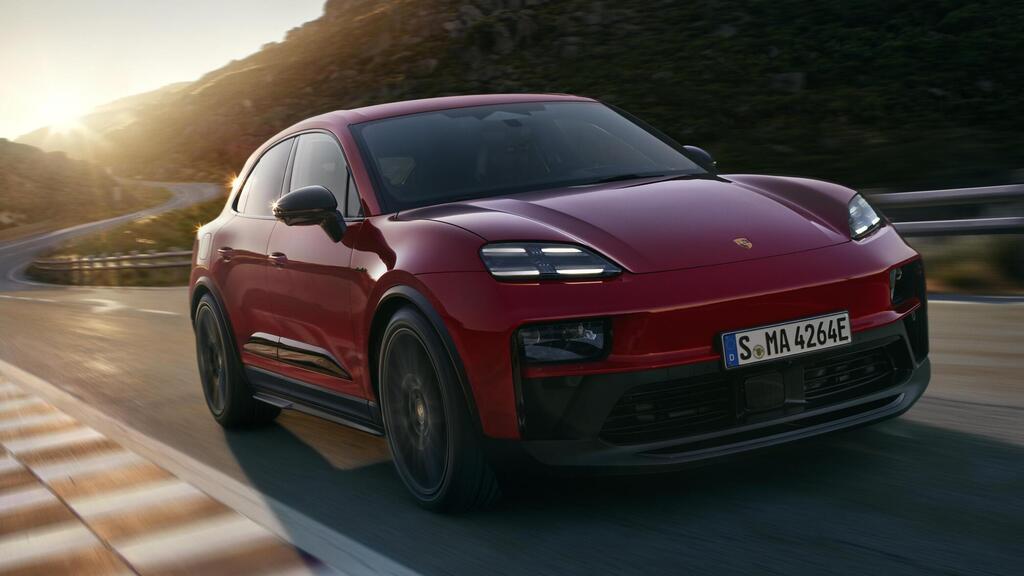
The company’s rapid pivot to electric vehicles has also proven costly. The discontinuation of the gasoline-powered Macan, one of Porsche’s best-selling and most profitable models, and the launch of its electric-only successor caused sales in that segment to collapse. Porsche also suffered a decline in its sports car division after halting production of the smaller 718 Boxster and Cayman models ahead of their upcoming electric replacements.

The downturn has also hit Porsche’s Chinese market, where sales have fallen well below expectations. CFO Jochen Breckner warned that “market conditions in China are unlikely to improve in the foreseeable future.” As a result, Porsche plans to shrink its dealership network there from 150 locations to 80 by 2027. The company will also lay off 1,900 employees in Germany, in addition to 2,000 temporary workers whose contracts were terminated earlier this year. Another cost-cutting plan is expected to be announced by year’s end.

In response to the deepening crisis, Volkswagen Group, Porsche’s parent company, announced that longtime Porsche CEO Oliver Blume will step down next year. He will be replaced by Michael Leiters, who previously worked at Ferrari and McLaren and is expected to steer the company back to stability with his expertise in hybrid performance cars.
Blume will continue to serve as CEO of the Volkswagen Group, a position he has held concurrently with his role at Porsche.