

Several dozen protesters carrying Palestinian flags, wearing keffiyehs and distributing anti-Israel flyers gathered Wednesday outside the Israeli pavilion at the Venice Biennale.
Within minutes, dozens of young people arrived at the site, shouting slogans at the Israeli pavilion in the Arsenale complex, including “Free Palestine,” “No genocide pavilion” and “From the river to the sea.”
Pro-Palestinian protesters rally outside Israeli pavilion at Venice Biennale
(Video: Yulia Prilik Niv)


Italian police quickly closed the pavilion’s glass doors and moved to protect Israeli artist Belu-Simion Fainaru and his installation, “Rose of Nothingness.”
Fainaru, Israel’s representative at the Biennale, was inside the pavilion at the time, surrounded by supporters, colleagues and several journalists.
The Biennale officially opens May 9, but invited guests were allowed entry beginning Wednesday, enabling protesters to organize in advance and demonstrate against the decision to allow Israel to take part this year.
Gallery
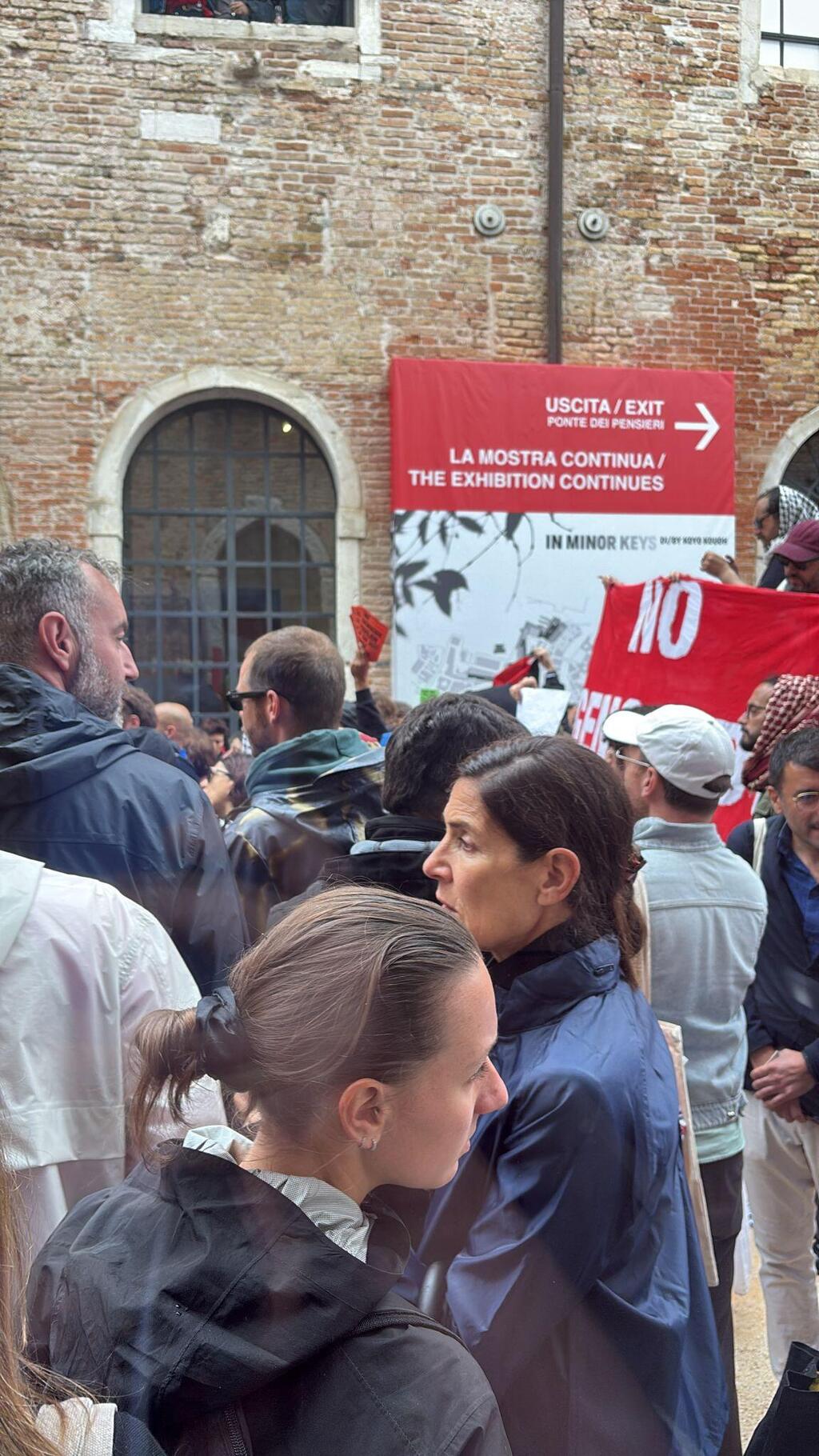
Pro-Palestinian protesters rally outside Israeli pavilion at Venice Biennale
(Photo: Yulia Prilik Niv)
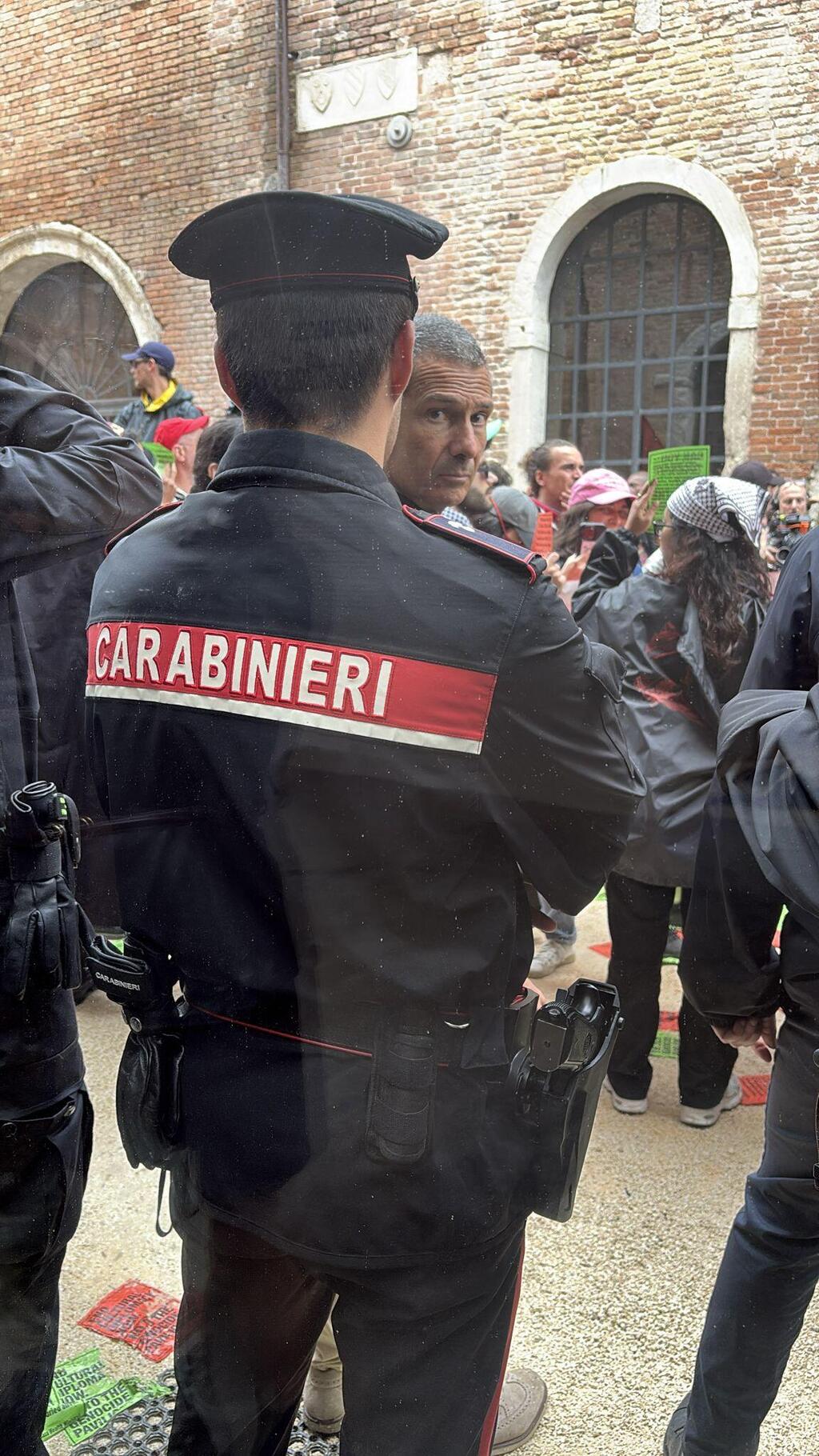
(Photo: Yulia Prilik Niv)
A similar protest was held earlier outside Russia’s pavilion, another national exhibition whose participation has drawn controversy.
Fainaru and his team remained calm, locked the doors and waited for the protest to subside. It ended after about 20 minutes, when rain began to fall.
The protest in Venice followed a storm that erupted at the Biennale last week, leading the jury to resign days before the event opened. The judges stepped down amid a dispute over a statement of intent to refuse to review countries whose leaders have been accused of crimes against humanity by the International Criminal Court.
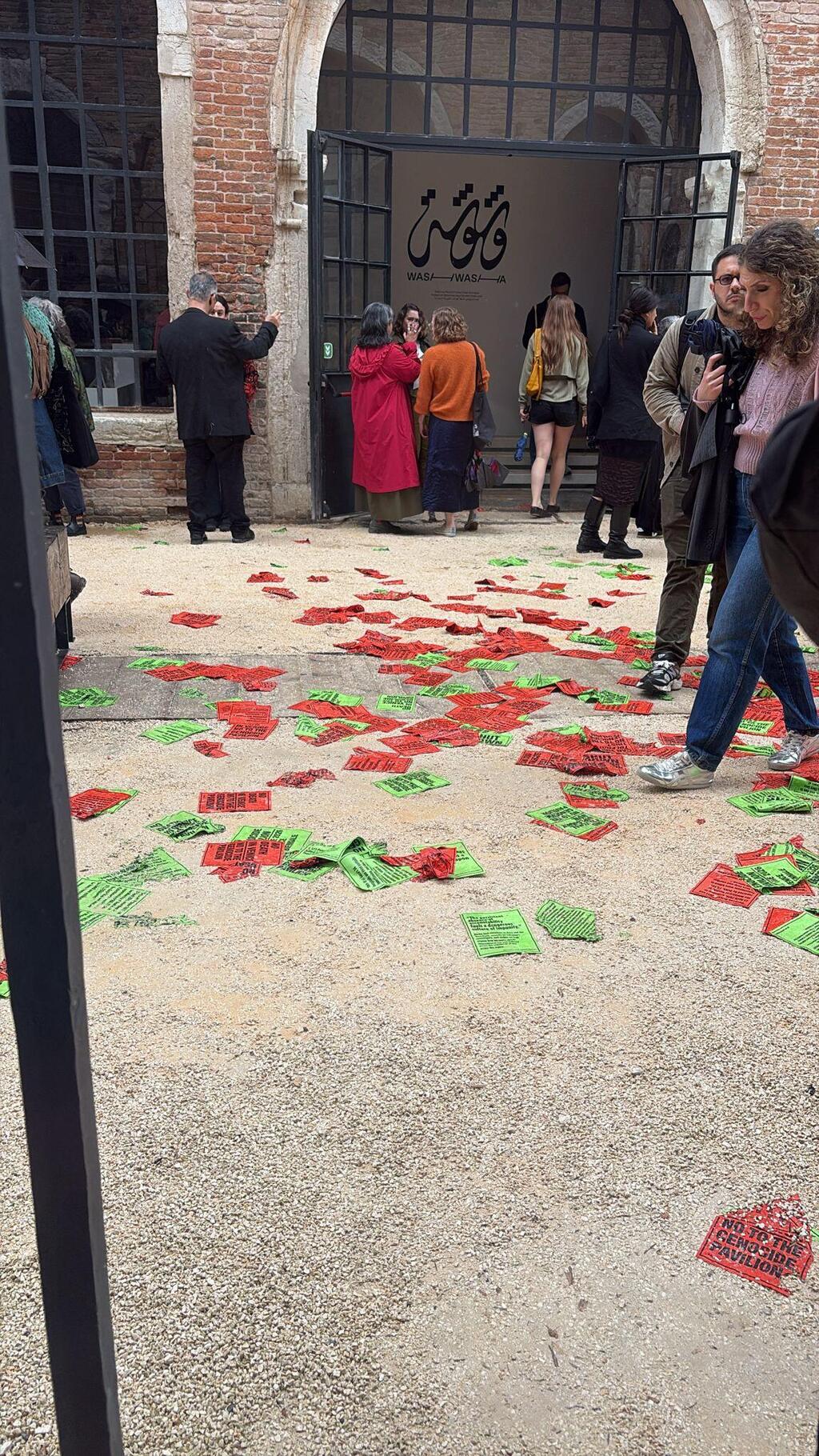
(Photo: Yulia Prilik Niv)
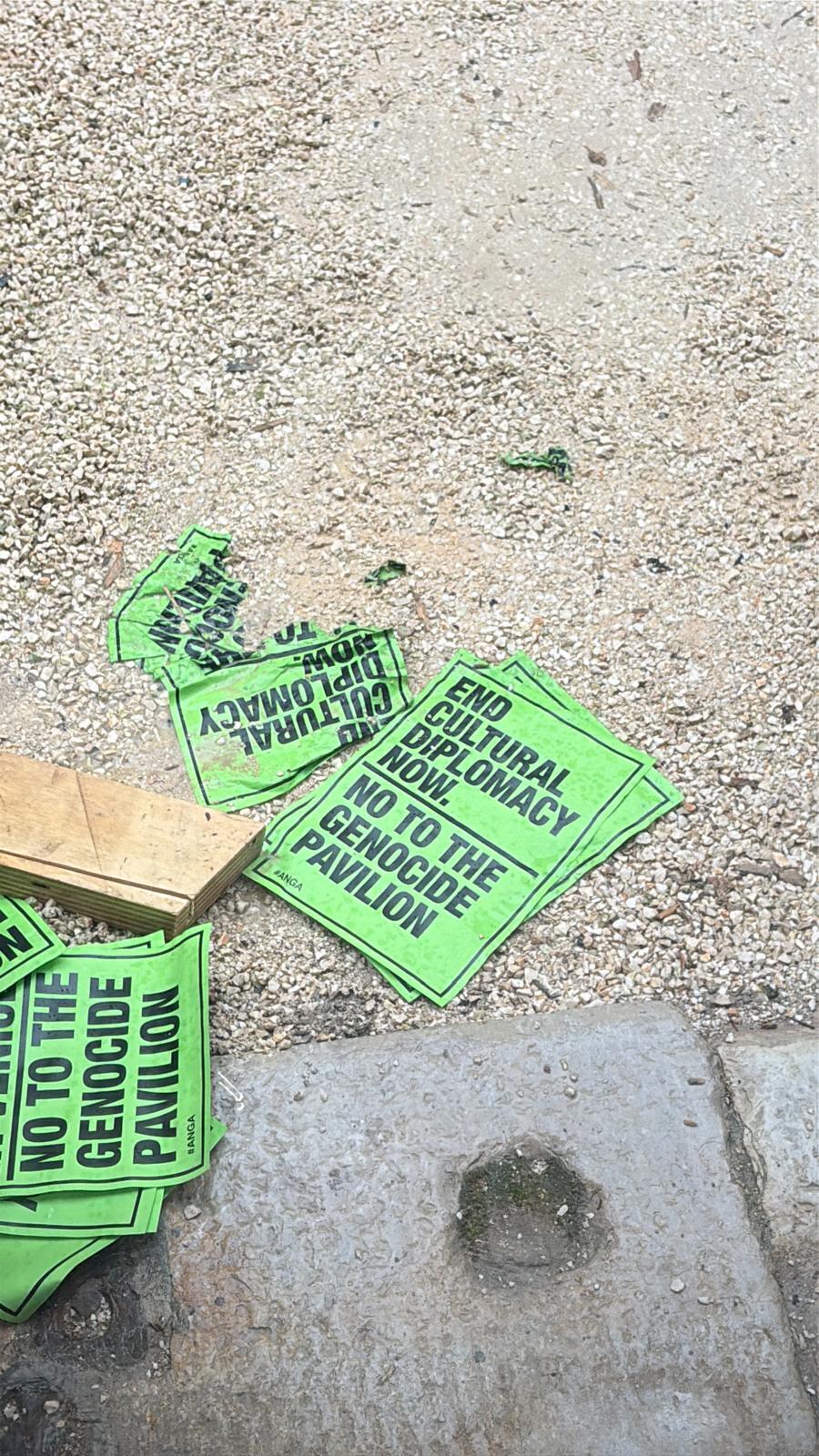
(Photo: Yulia Prilik Niv)
The dispute sparked a broader debate over the participation of some countries in the Biennale, including Israel and Russia.
Reports of the resignations revived the debate over the status of the two countries at the exhibition, though both remain official participants and are expected to present pavilions.
The controversy also comes against the backdrop of arrest warrants issued by the International Criminal Court for senior Israeli officials and Russian President Vladimir Putin on suspicion of war crimes.
Fainaru consulted lawyers following the developments and received support from officials in Italy and Israel, including Israeli Culture Minister Miki Zohar and Italy’s culture minister.