

Billy Joel has revealed that his health still prevents him from returning to the stage and that doctors have also prohibited him from driving as he continues to recover from a neurological condition.
The 77-year-old singer spoke to The Hollywood Reporter about his battle with normal pressure hydrocephalus (NPH), a condition involving an abnormal buildup of fluid in the brain's ventricles, which he was diagnosed with in May 2025. Joel said his health was generally good but acknowledged that he still does not know when he will be able to perform again.
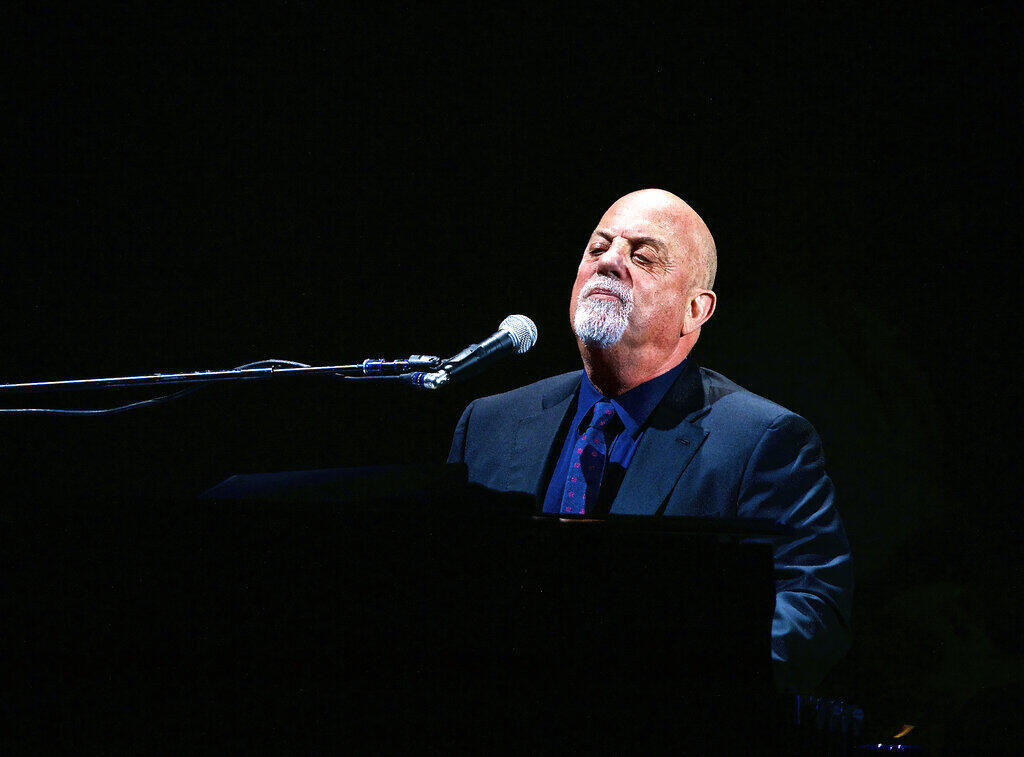
He explained that the condition, once commonly referred to as water on the brain, can affect balance, memory, vision and hearing. Despite being classified as a brain disorder, he said his main continuing difficulty was with his balance and stressed that he was otherwise doing well.
Asked about the possibility of returning to touring, Joel said he would need to undergo further medical tests before receiving clearance. "I'm not allowed to drive," he said, explaining that his neurologist had warned him that "every time you do a show, it's like you're getting a concussion." The singer said the loud music, lighting, physical stress and energy of a live concert could place too much strain on him. Although he has been advised against performing for now, he remains eager to return if doctors determine it is safe.
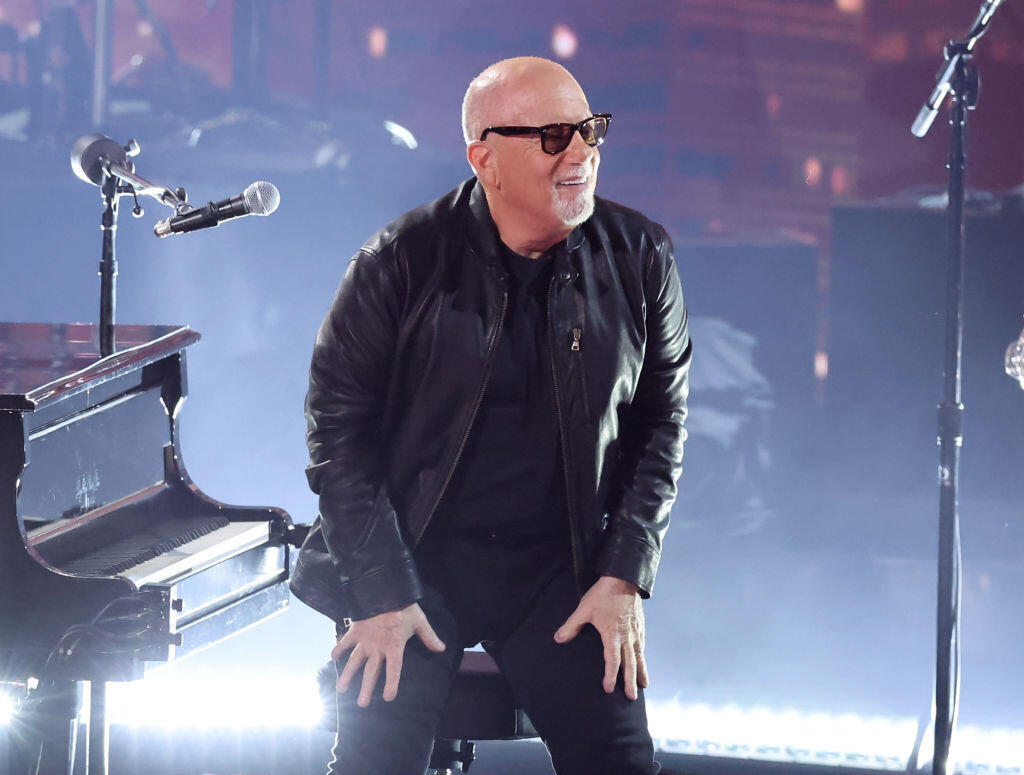
(Photo: Amy Sussman/Getty Images)
The singer behind hits including Piano Man and Uptown Girl underwent brain surgery after being diagnosed with the condition last year. Speaking recently on his SiriusXM radio station, The Billy Joel Channel, he described the recovery process and said doctors had explained that performing loud rock music was causing concussion-like strain that could damage nerves in his brain.
Joel recalled initially being reluctant when doctors explained that they would drill a hole in his skull and implant a shunt, a device designed to drain excess fluid from the brain. But after researching the procedure and learning that it could improve his balance and memory, he decided to go ahead with the operation. He said he did not want to lose his mental sharpness and found it difficult to distinguish symptoms of aging from those caused by his condition.
The operation brought noticeable improvements, according to Joel. His memory improved, his balance became somewhat better and his overall ability to function increased. Nevertheless, doctors advised him that continuing to perform at high volume could cause further neurological damage. For now, the singer remains unable to resume concerts, despite his hopes of eventually returning to the stage.