

“There are many reasons we’re drawn to a certain type of person, but the main one is the repetition of childhood patterns,” says couples counselor Odelia Levi. “We gravitate toward what feels familiar. Even if we grew up in a harmful environment, we still feel a sense of safety in recreating that dynamic — because it’s what we know. Absurd as it sounds, someone who grew up in a violent household may be drawn to more aggressive partners, even if it’s not physical violence.”
It sounds grim.
“There’s a saying, ‘Your comfort zone is your danger zone,’” adds Sarit Haviv, a relationship coach and mentor. “The habits we’re used to feel like home, like a safe space — but they actually create a false sense of certainty, even when they’re damaging.”

(Photo: Shutterstock)
According to Haviv, it all starts with the anchors we develop in childhood. “Our first model of a relationship is our parents. We subconsciously record them 24/7 and then replicate their dynamic, filtered through our own interpretation. That early relationship with our caregivers profoundly shapes how we navigate love later in life — and often makes us feel we’re not good enough.”
“As children, we need love to survive. At first, it’s unconditional — we’re fed, held, changed. But over time, conditions emerge: what’s allowed, what isn’t, what pleases our parents and what triggers their anger. To gain love and avoid rejection, we begin to betray ourselves, blurring our identity. This creates an emotional addiction — and from that space, we enter romantic relationships.”
The result? “Even small things are interpreted as threats,” Haviv explains. “A delayed ‘good morning’ text or a missed term of endearment can instantly trigger fear. Then we act from a place of lack, longing and effort — all in hopes of restoring a lost feeling. In truth, we’re drawn to people who mirror our unresolved wounds. If anger, rejection, jealousy or guilt were familiar emotions in childhood, the brain starts linking pain with closeness — and seeks it out.”
 Odelia Levi Photo: Shimrit Hillel
But why does it keep happening?
“Because like attracts like,” says Levi. “If I lack confidence, hold negative thoughts about myself and struggle with low self-esteem, I’ll be drawn to someone who reinforces all the things I dislike about myself. And by the way, they’ll likely have their own insecurities too. We attract who we are — not who we want. But the reverse is also true: When our confidence grows and our self-perception becomes more positive, we begin attracting more secure partners, and healthier relationships can form.”
What about women who always seem to attract men who don’t want anything serious?
“That’s a common example,” says Levi. “It usually stems from unconscious fears of intimacy, shaped by childhood dynamics or past relationships. These fears create a belief that it’s safer to be alone. So even if you consciously want a relationship, your subconscious fears will draw you to someone who’s also afraid of commitment. On one hand, you don’t want to repeat what you saw growing up — but on the other, you don’t know anything else.”
So how do you break the cycle?
“Start by paying attention to the thoughts that come up when you’re talking to a man, texting, or on a date,” Levi advises. “Are they negative? Are you trying to please him just so he doesn’t disappear? If so, it’s a sign that you’re still not at peace with yourself, or that deeper fears are at play — ones that may require professional support.”
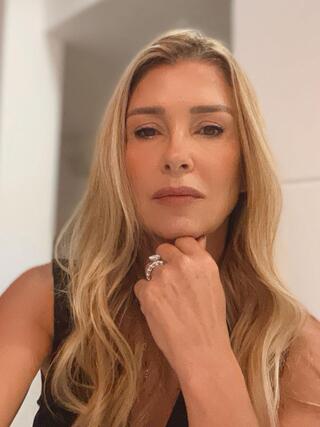 Sarit Haviv Photo: Courtesy
Levi suggests asking three key questions to uncover subconscious patterns: What’s the most negative belief you hold about yourself? About men? About relationships? “If you don’t feel good about yourself and your views are negative, your subconscious will block you from truly entering a relationship.”
“It’s important to show yourself that a healthy relationship is possible,” she adds. “Look for those examples in your surroundings. Observe them with curiosity, not envy. If it’s possible for someone else, it can be possible for you too.”
“To break the cycle, the first step is recognizing and admitting it,” says Haviv. “Understand that these blocks come from childlike interpretations of past experiences — and then look at them through adult eyes. It’s a process of practice and persistence. The next step is self-love and building an internal sense of control. Only then can you start choosing from a place of wholeness, rather than lack. That’s when you’ll be able to set boundaries and truly accept yourself.”