


The first episode of The Paper, a new workplace comedy from The Office creators Greg Daniels and Michael Koman, hits a nerve for anyone who’s ever worked in — or grown up with — print journalism. While the series is meant to entertain, it doesn't sugarcoat the state of the industry. Print journalism in the U.S. is struggling to stay afloat, and local newspapers — once vital to life in small-town America — are barely holding on.
“This is a show styled as a mockumentary, so it's very important to start with a baseline of reality,” Koman told ynet. “We’re very conscious of the state of the industry, and it’s important that the audience understands that this is where things are right now. It’s like setting the table before a meal. But at its core, this is also a show about optimism and hope, and I think that you need to explain what you're being optimistic about for it to mean anything.”
The Paper – Trailer
(Video: Courtesy of Peacock)


That starting point is essential, especially when considering the high expectations placed on The Paper as a spinoff of The Office. Though the new series holds its own and has many strong moments, it inevitably lives in the shadow of one of the most beloved sitcoms in TV history. The American version of The Office premiered on NBC in 2005 and, despite ending in 2013, has never really left television. It's still widely streamed and syndicated, and remains a pop culture staple.
Daniels is credited with one of the most successful adaptations of a British show for American audiences. The Office carved out its own identity, independent from its UK predecessor, and launched the careers of stars like Steve Carell, John Krasinski, Mindy Kaling, Ellie Kemper and Rashida Jones.
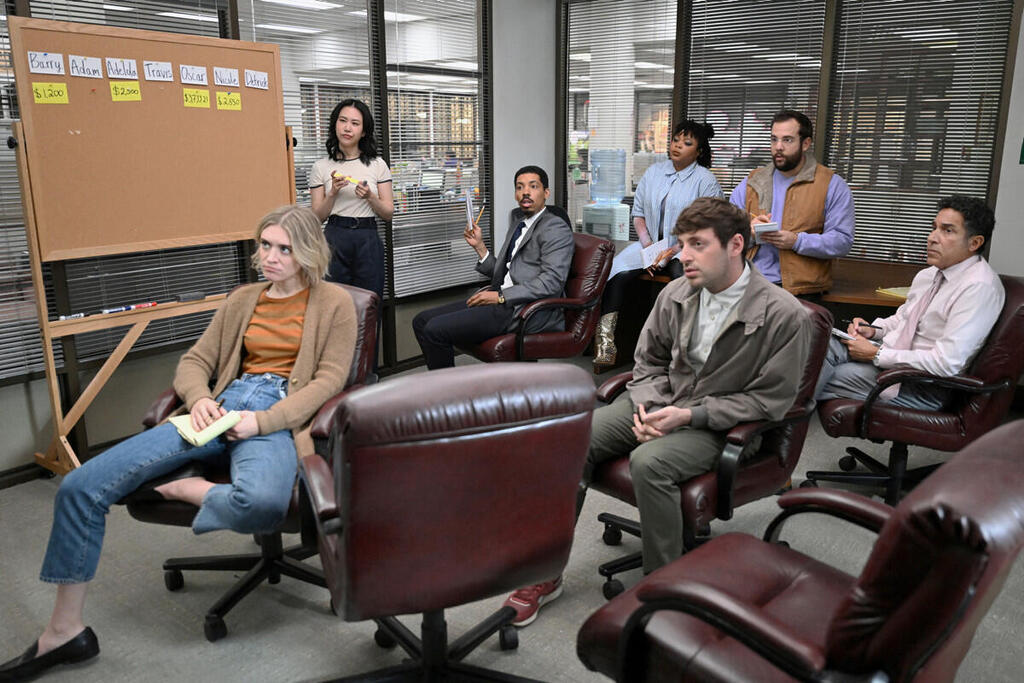
Set in Toledo, Ohio — a real Midwestern working-class town — The Paper follows the staff of a struggling local newspaper, The Toledo Truth Teller. It shares a fictional corporate connection to Dunder Mifflin, the paper company from The Office. In the show’s universe, the same documentary crew that once filmed in Scranton returns, only to find that Dunder Mifflin is no longer operating. They head west to Toledo and begin filming the newsroom instead.
After The Office, Daniels co-created Parks and Recreation with Michael Schur — another beloved mockumentary set in a fictional Indiana town. For this project, he partnered with Koman, whose previous work includes the cult hit Nathan for You. Together, they’ve returned to a familiar formula: real location, quirky ensemble and a heartfelt look at a workplace on the edge of irrelevance.
As The Paper attempts to capture the magic of its predecessors, it also offers a sobering reflection on the decline of local journalism — and what’s lost when those community institutions fade from view.
From The Paper
(Photo: Aaron Epstein/PEACOCK, courtesy of yes)
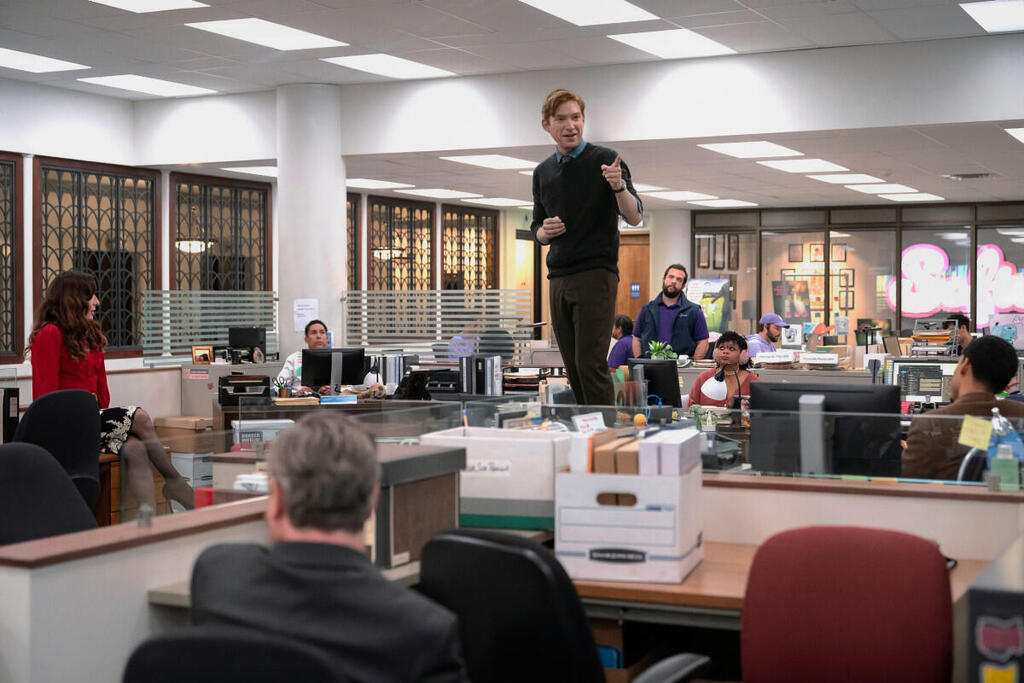
Like many local newspapers in the U.S. today, The Toledo Truth Teller — the fictional newsroom at the center of The Paper — is a shadow of its former self. It operates out of a forgotten corner of a toilet paper factory, with a skeleton crew of non-journalists. In the pilot episode, a massive fire breaks out in the building across the street — and no one even notices. The paper runs on a shoestring budget, filled with syndicated content and AI-generated summaries of questionable accuracy. One recurring feature simply lists the names of local residents, in hopes they’ll buy the paper and frame the page.
That changes when a new editor arrives: Ned Sampson, played by Domhnall Gleeson (Star Wars, Harry Potter, Ex Machina, White House Plumbers). Ned is driven by lofty journalistic ideals and couldn’t be more different from the hapless bosses of The Office, whether Steve Carell’s Michael Scott or Ricky Gervais’s David Brent in the original British version.
One familiar face from The Office returns: Oscar Martinez, played by Oscar Nunez, now working as the accountant for The Truth Teller. He’s dismayed to find the same documentary crew following him again and mutters curses during filming in hopes they can’t use the footage.
At the show’s premiere, creator Greg Daniels stood alongside Universal Studios Chairwoman Pearlena Igbokwe and co-creator Michael Koman. Daniels described Ned Sampson as a different kind of lead character. “Local journalism is an incredibly important industry that’s in decline in America,” Daniels said. “We didn’t want to repeat The Office’s storyline of a boss who was incompetent and dispiriting to the employees. This is a more inspirational boss and a very optimistic person. He may be leading them off a cliff. His effort to take ordinary office workers and turn them into investigative journalists in a short period of time, with not a lot of training himself, is definitely comedic. But we also hope people will feel emotional about those old scenes of how the newspapers were at their height. That sense of nostalgia and meaning gives the show heart.”
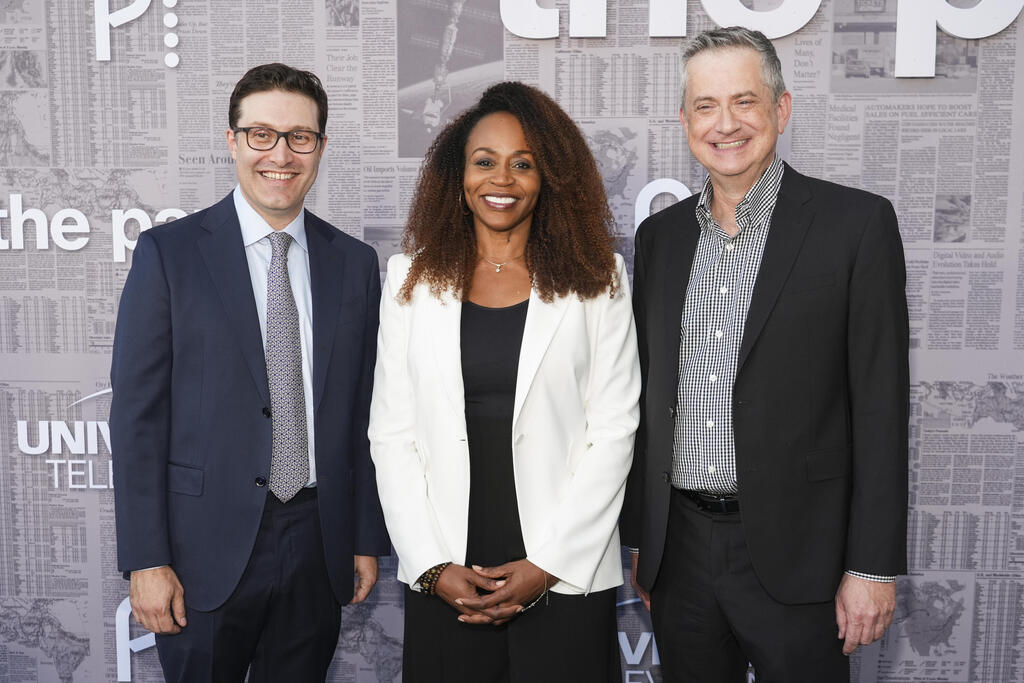
At The Paper premiere, from right to left: Greg Daniels, Universal Studios Chair Pearlena Igbokwe and Michael Koman
(Photo: Chris Pizzello/Invision/AP)
In that sense, The Paper, now airing on Israel’s yes network, feels more spiritually aligned with Parks and Recreation than with the more cynical The Office. There's a sense of hope here — people working together to serve their community. Still, Daniels pushes back against the idea that The Office was cynical. “The documentary in The Office showed a lot of insensitive behavior among people who were working together to get people to be more sensitive and decent to each other. In a way, it was optimistic. But we’re not here to increase the morality of the audience, we're trying to make them laugh.”
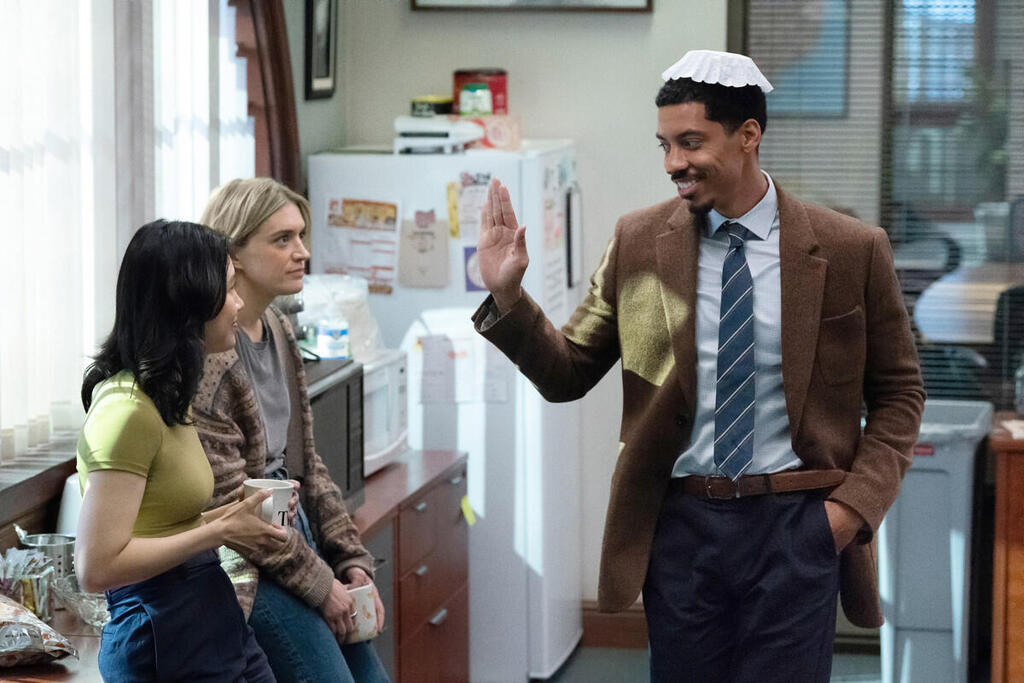
Koman added, “For me, the real variable is the documentary crew. They covered one kind of workplace very thoroughly for years. So if they were going to make a new documentary, they would want a new subject. And I feel like the subject is a different kind of work. And it's the kind of work where people are showing up with a purpose, where the work itself might be giving them a purpose, rather than that they have to find satisfaction through personal interactions. It’s hard work, but it’s the kind of job you don’t want to quit.”
From The Paper
(Photo: Aaron Epstein/PEACOCK, courtesy of yes)
Asked whether changes in workplace culture influenced their writing, especially in a world very different from even a decade ago, Daniels replied: “If it’s the same documentary crew, then they have the same value system. We’re just plowing ahead and not trying to overthink whether or not we can make the same jokes. We didn’t want to repeat those anyway.”
Koman noted that this time around, the show follows more of a story than just satirizing workplace culture. “Honestly, the hardest part was figuring out what background sounds would define this workplace. Unlike The Office, there are no ringing phones or loud printers anymore. But luckily, in the background of our newspaper, there is the sales wing of a toilet paper company. So a lot of the noise of the office is being generated by the toilet paper salesman trying to sell paper.”