

The Victoria's Secret Fashion Show, held Sunday night at Sony Pictures Studios in Culver City, near Los Angeles, was, as expected, a spectacle bringing together celebrities on the runway and in the front row, veteran Angels alongside younger models, iconic faces alongside newcomers, minimal lingerie, extravagant feathered wings and some of the world's most beautiful women.
The choice of Los Angeles, synonymous with the entertainment industry, suited a production that placed not only the clothes but, above all, the women wearing them at center stage, alongside performances by KATSEYE, Tate McRae, Megan Moroney and Megan Thee Stallion.
Gallery
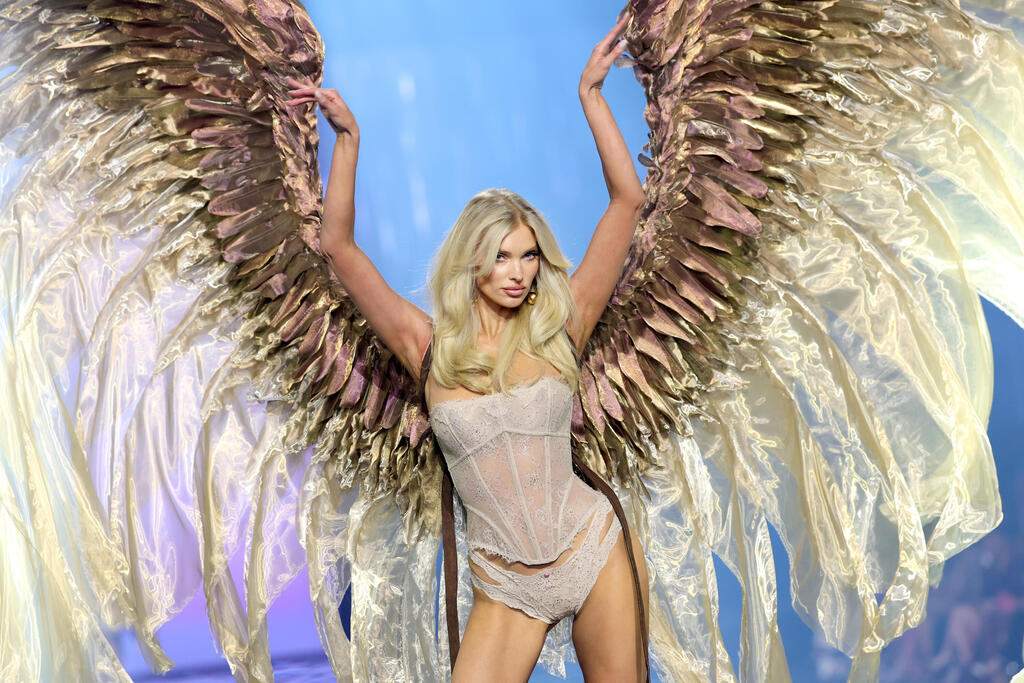
Elsa Hosk in gold at the Victoria's Secret Fashion Show
(Photo: Dimitrios Kambouris/Getty Images for Victoria's Secret)
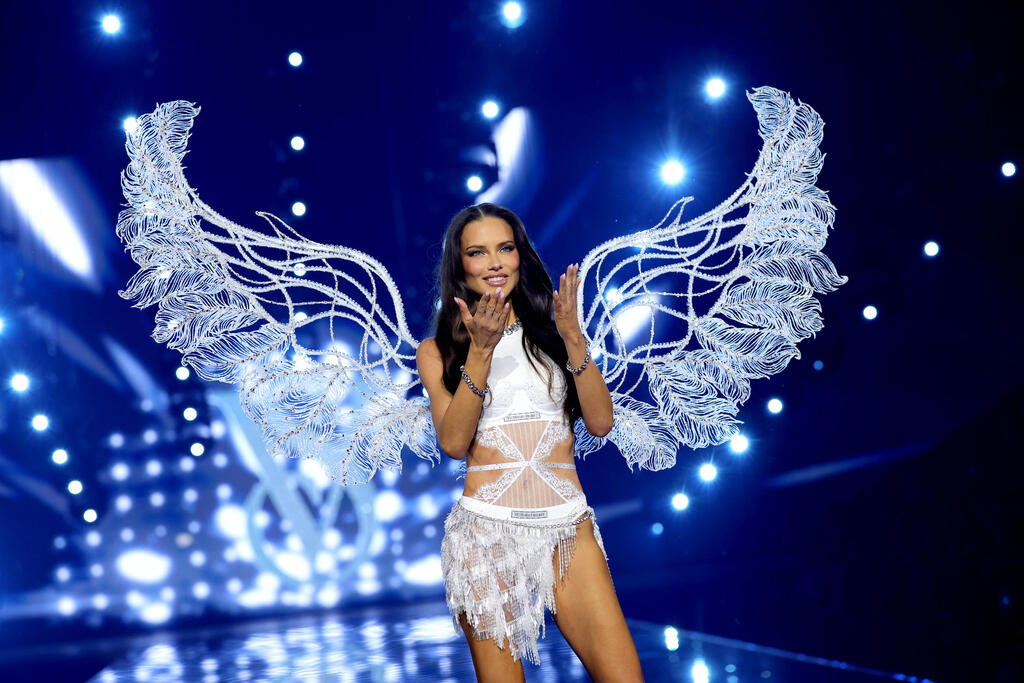
Adriana Lima celebrates her 21st Victoria's Secret show
(Photo: Dimitrios Kambouris/Getty Images for Victoria's Secret)
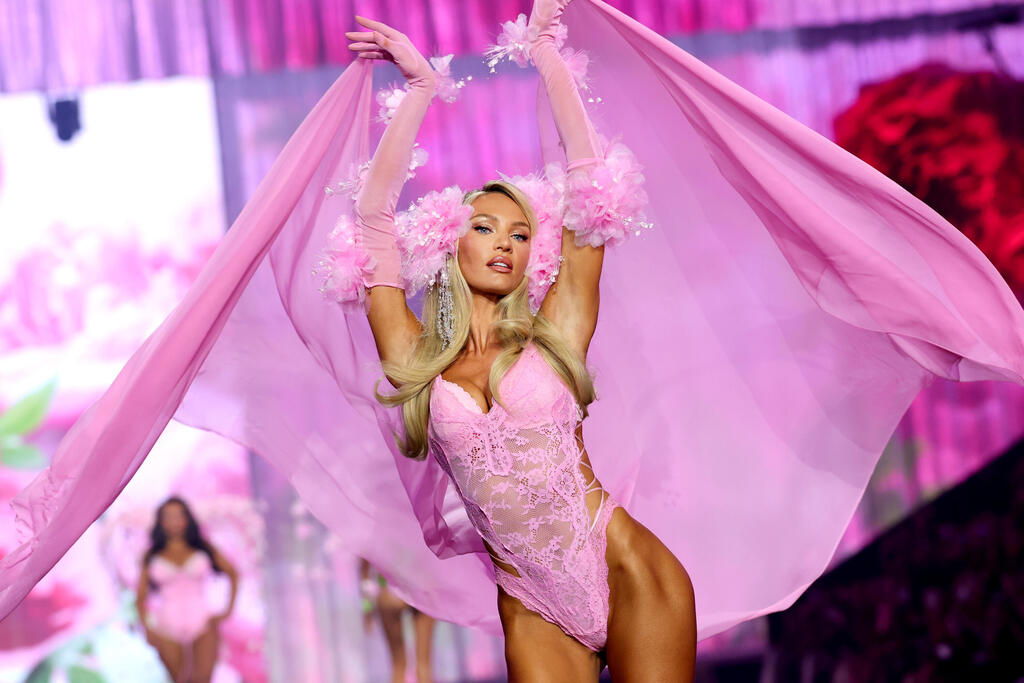
Candice Swanepoel on the runway
(Photo: Dimitrios Kambouris/Getty Images for Victoria's Secret)
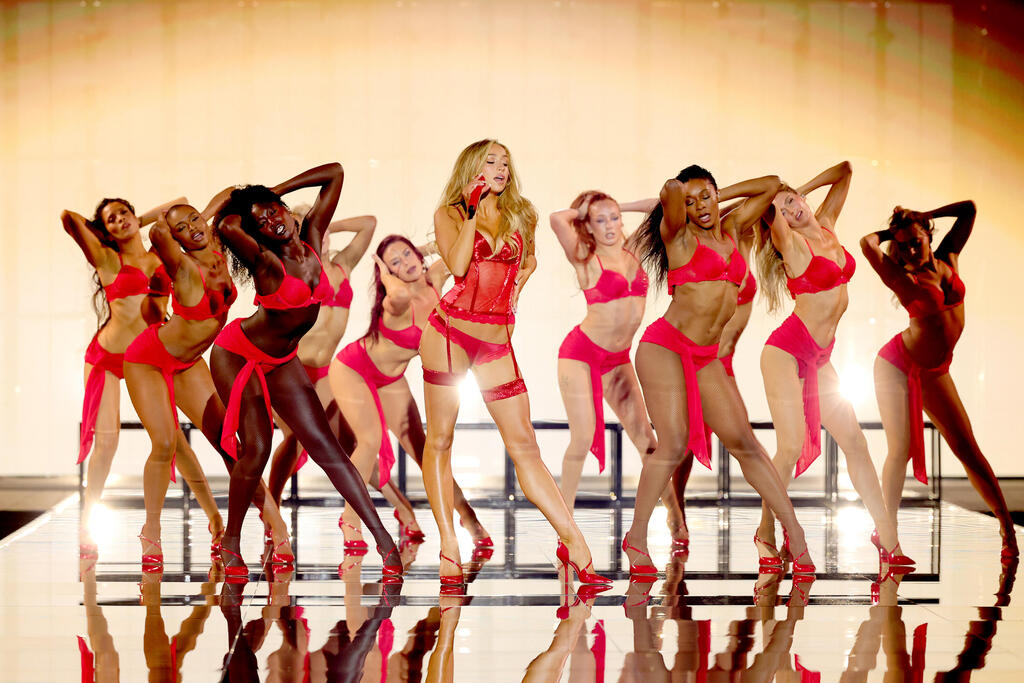
Tate McRae performing at the fashion show
(Photo: Dimitrios Kambouris/Getty Images for Victoria's Secret)
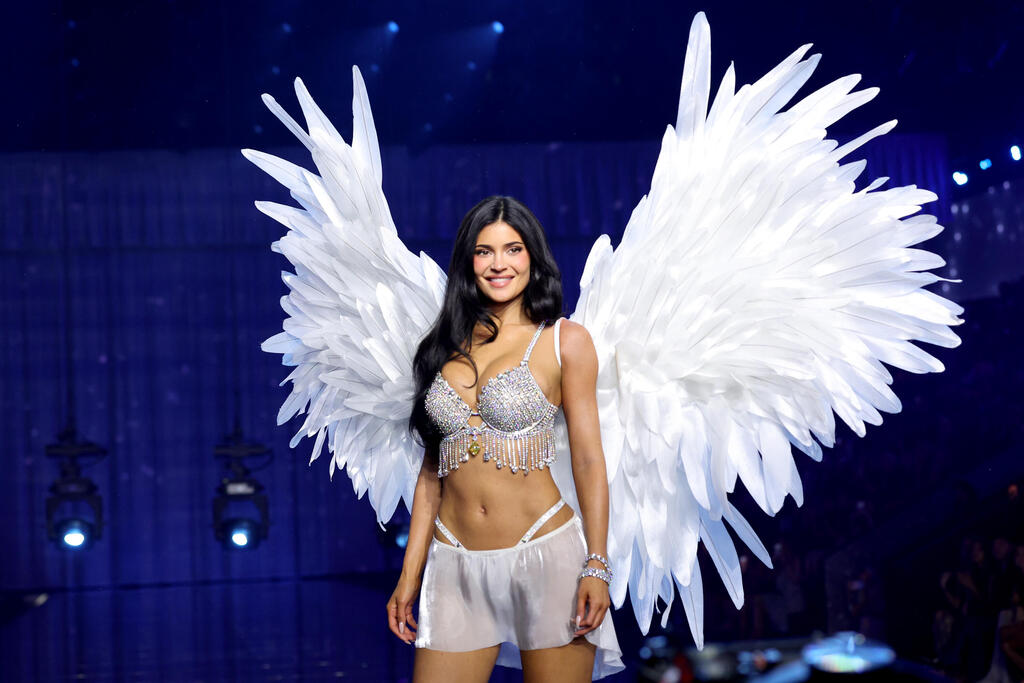
Kylie Jenner makes her Victoria's Secret runway debut
(Photo: Dimitrios Kambouris/Getty Images for Victoria's Secret)
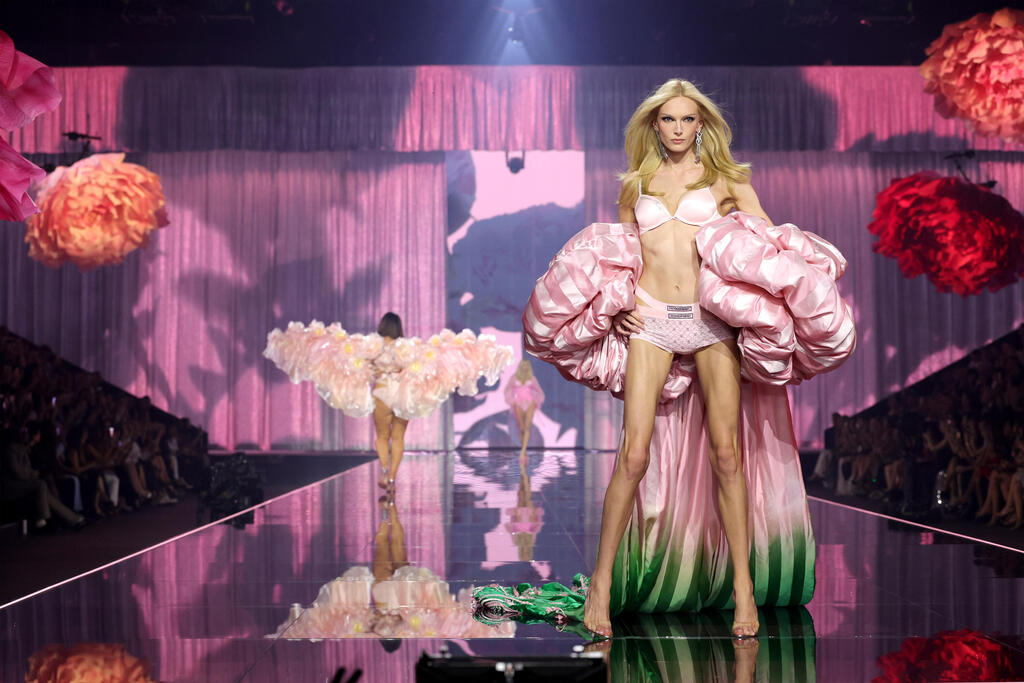
Alex Consani in a floral look
(Photo: Dimitrios Kambouris/Getty Images for Victoria's Secret)
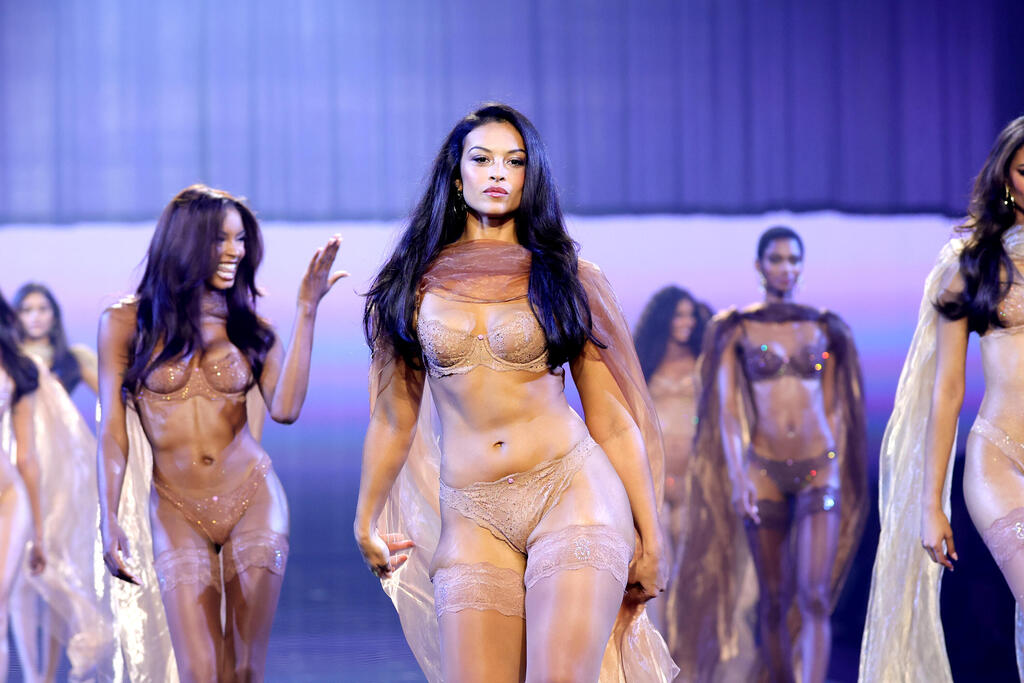
Devyn Garcia models lingerie on the runway
(Photo: Dimitrios Kambouris/Getty Images for Victoria's Secret)
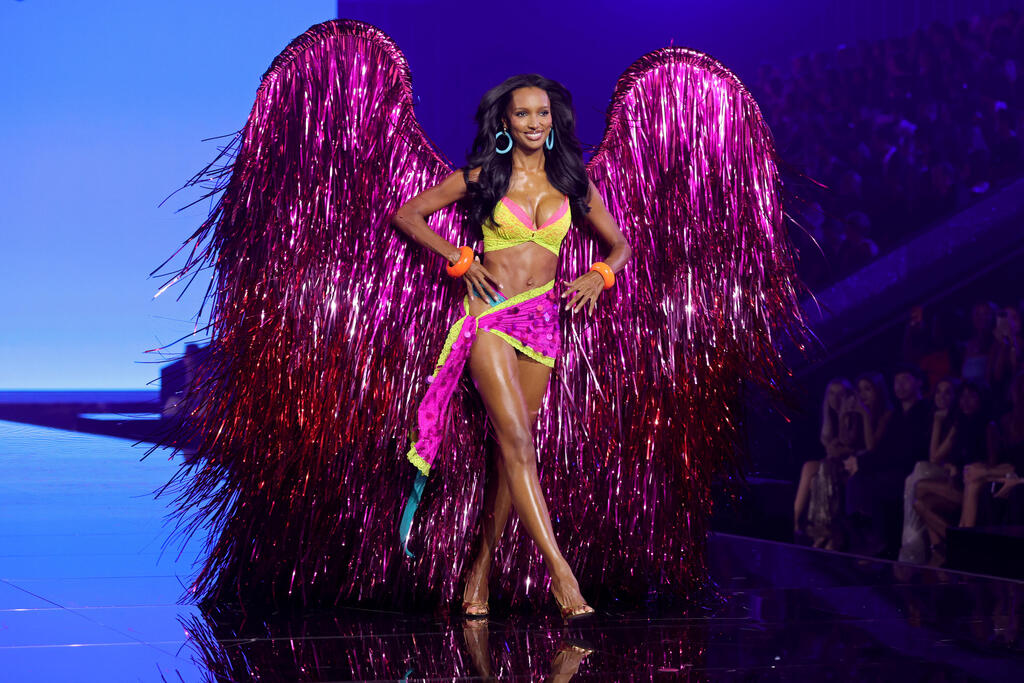
Jasmine Tookes on the runway
(Photo: Frazer Harrison/Getty Images for Victoria's Secret)
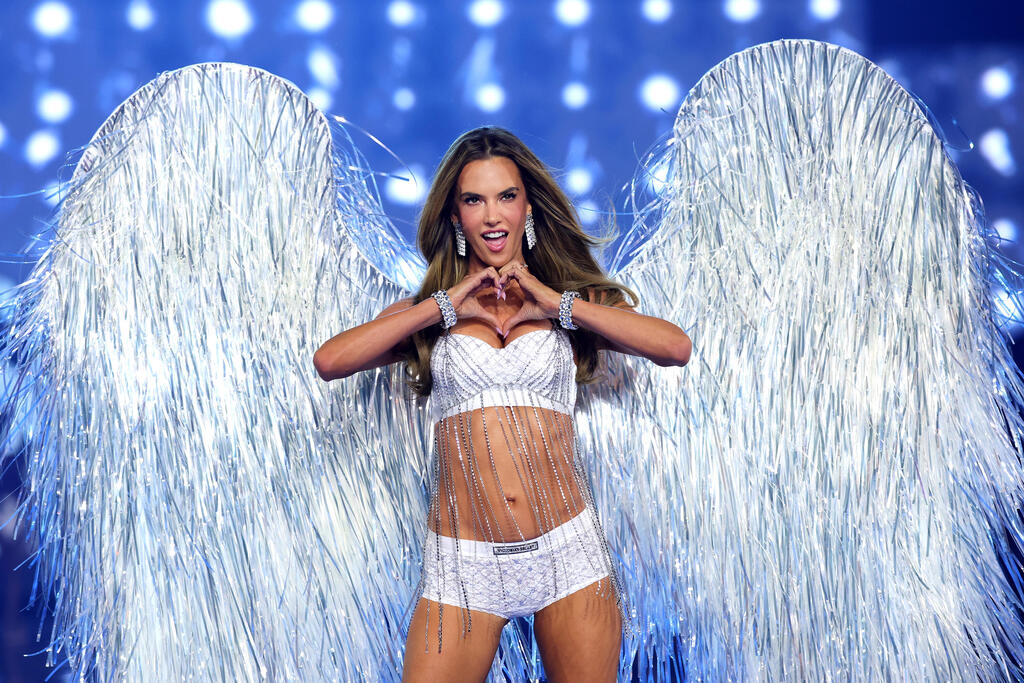
Alessandra Ambrosio in a white lingerie set
(Photo: Dimitrios Kambouris/Getty Images for Victoria's Secret)
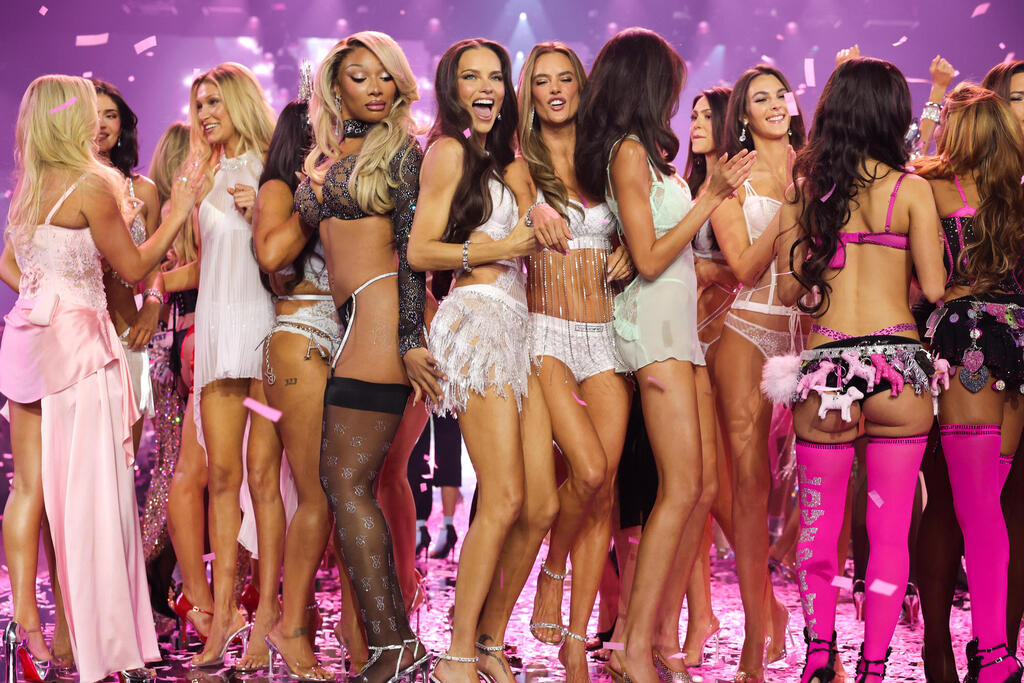
Alessandra Ambrosio, Adriana Lima, Megan Thee Stallion and other models
(Photo: Dimitrios Kambouris/Getty Images for Victoria's Secret)
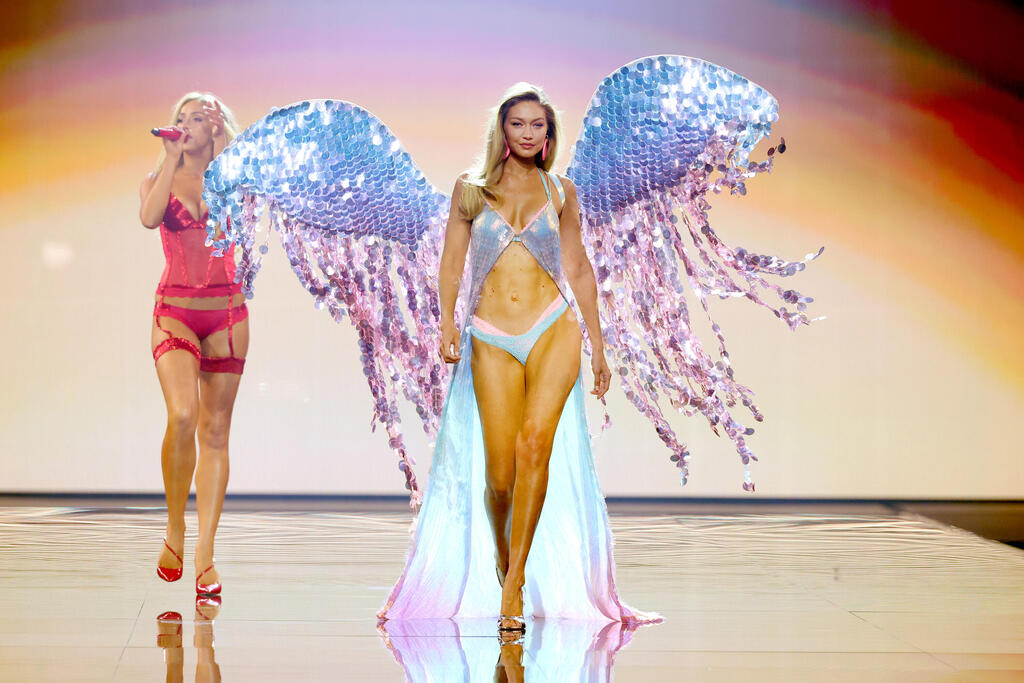
Gigi Hadid and Tate McRae
(Photo: Dimitrios Kambouris/Getty Images for Victoria's Secret)
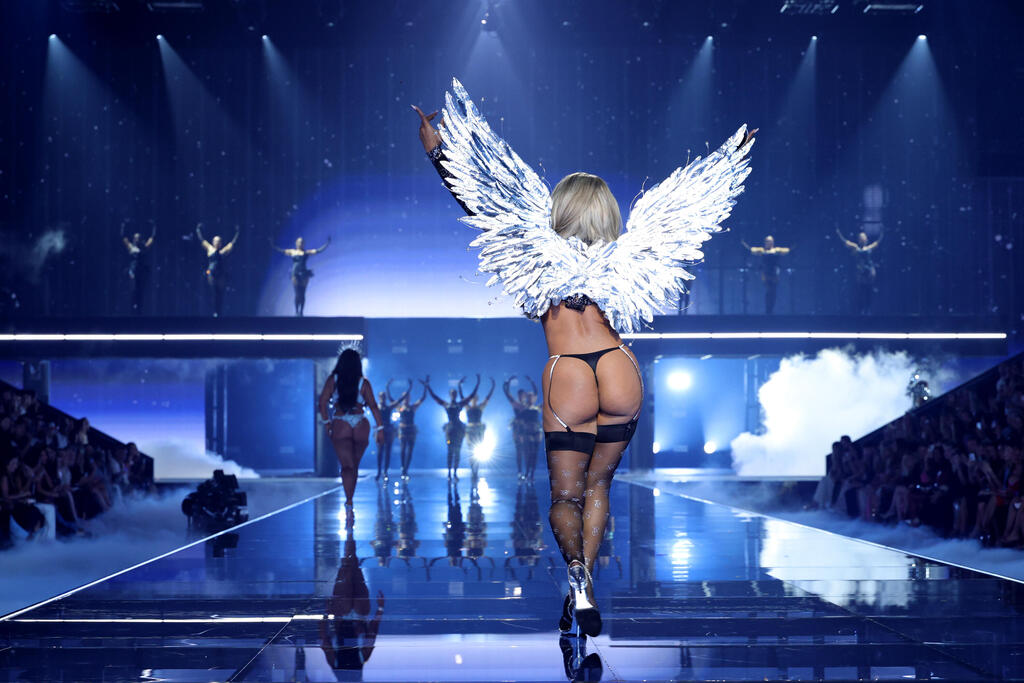
Megan Thee Stallion in a thong and wings
(Photo: Dimitrios Kambouris/Getty Images for Victoria's Secret)
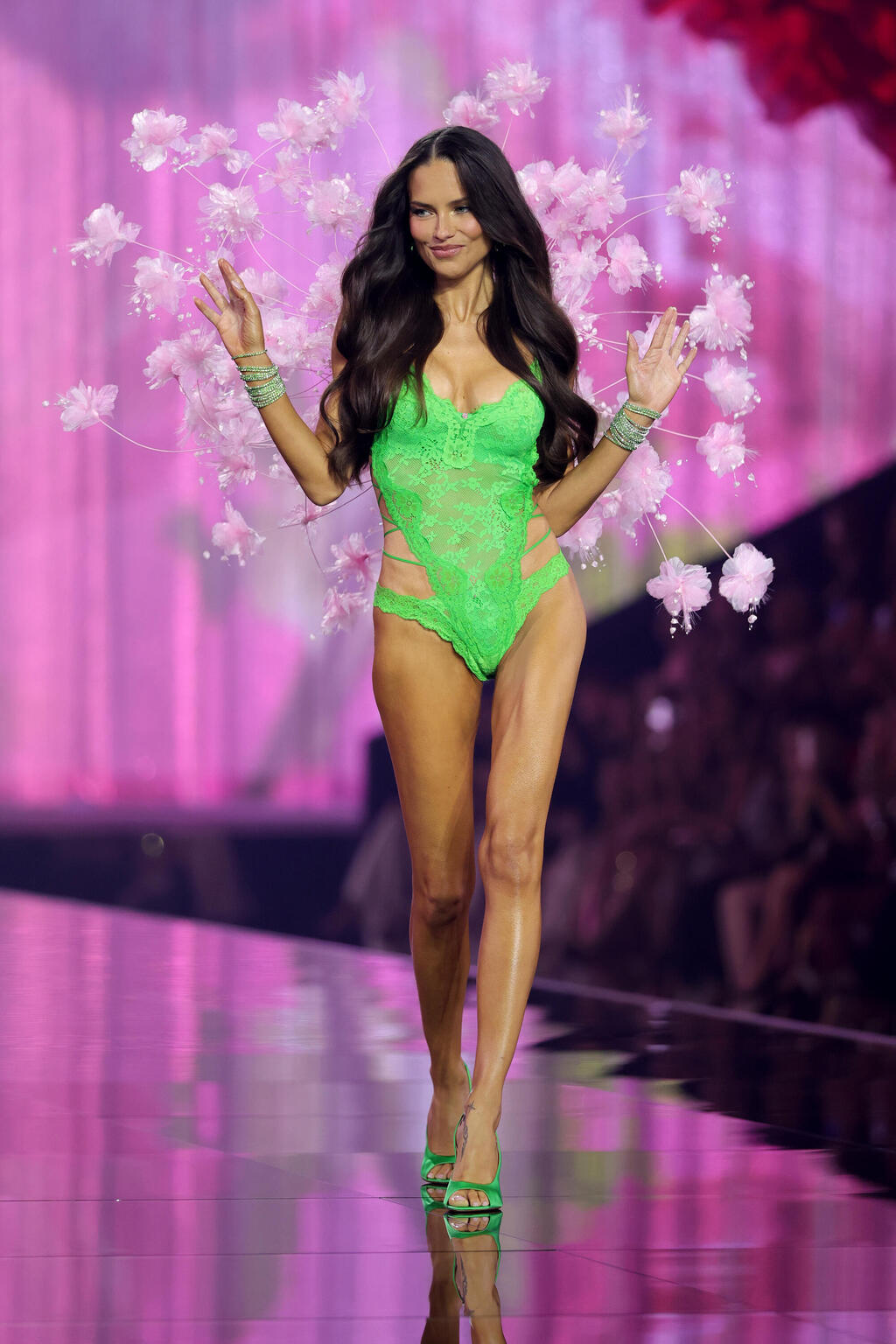
Adriana Lima at the Victoria's Secret Fashion Show
(Photo: Frazer Harrison/Getty Images for Victoria's Secret)
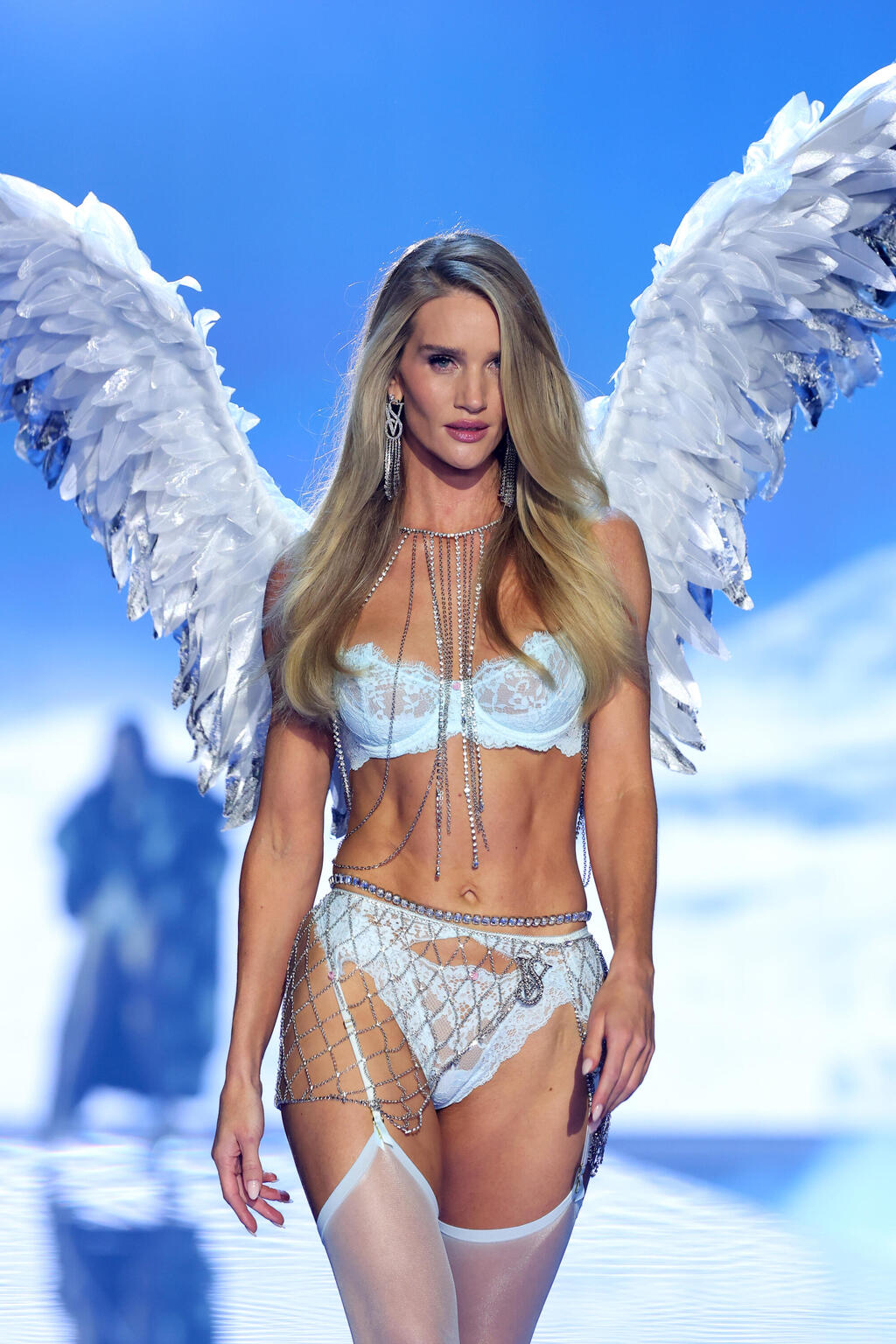
Rosie Huntington-Whiteley
(Photo: Dimitrios Kambouris/Getty Images for Victoria's Secret)
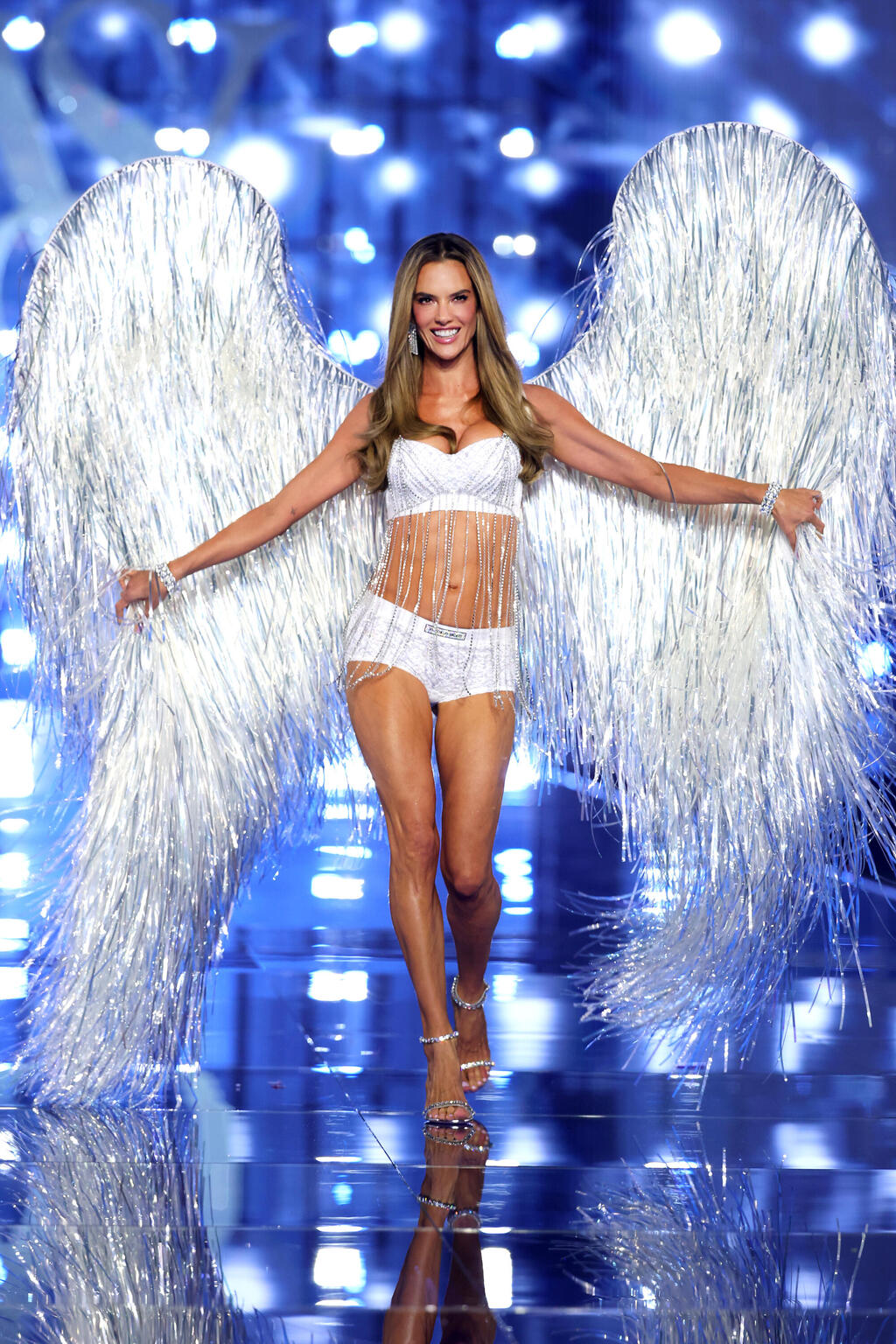
The show opened with Bella Hadid, a longtime Victoria's Secret model, wearing a green floral lace bra, a matching miniskirt and dramatic wings inspired by a blooming spring garden. Closing the runway was Adriana Lima, one of the models most closely associated with the brand, dressed in a white lingerie set with large, beaded wings. Lima, 45, who returned to the runway in 2024 after retiring in 2018, celebrated her 21st fashion show for the brand.
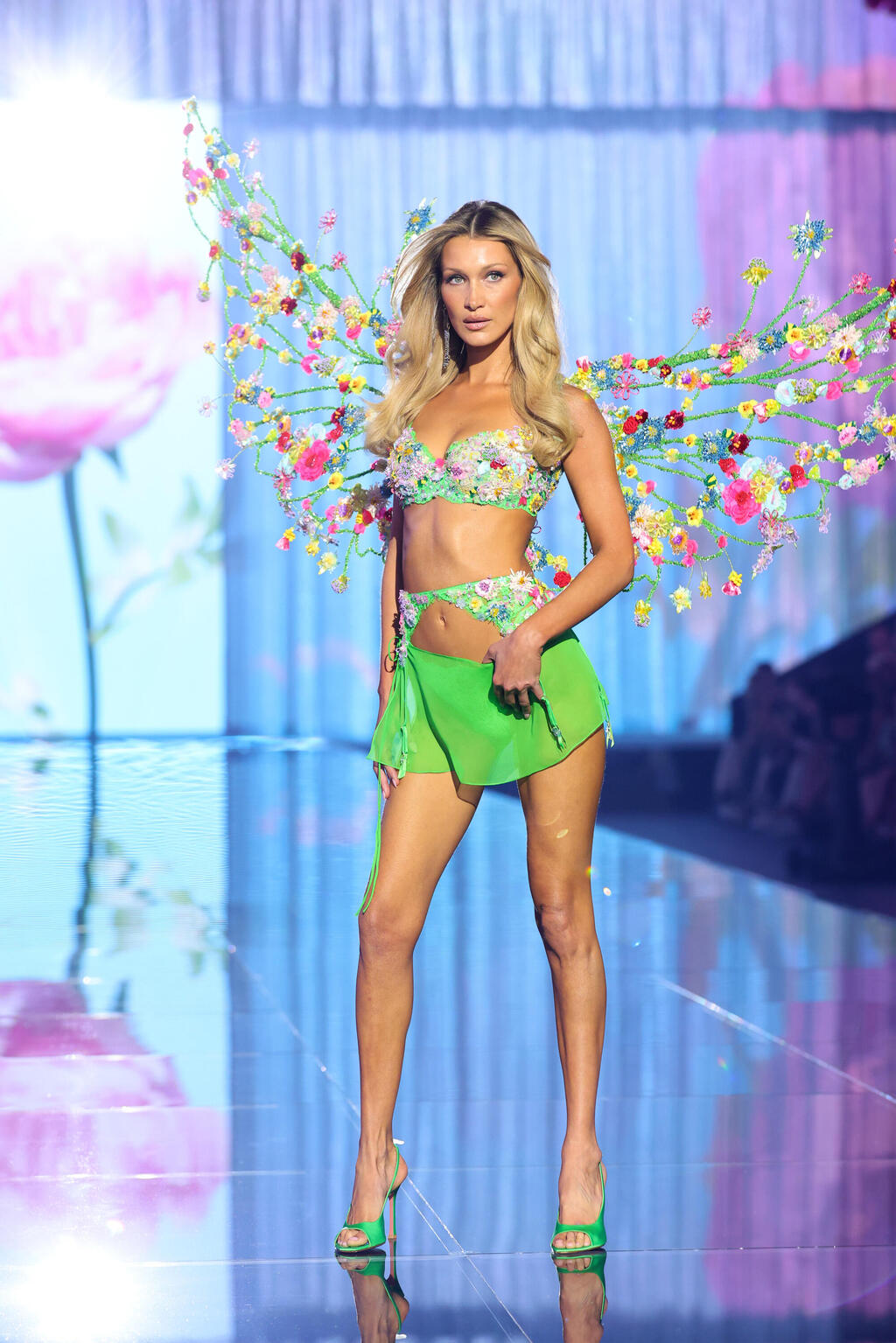
Bella Hadid opens the show
(Photo: Dimitrios Kambouris/Getty Images for Victoria's Secret)
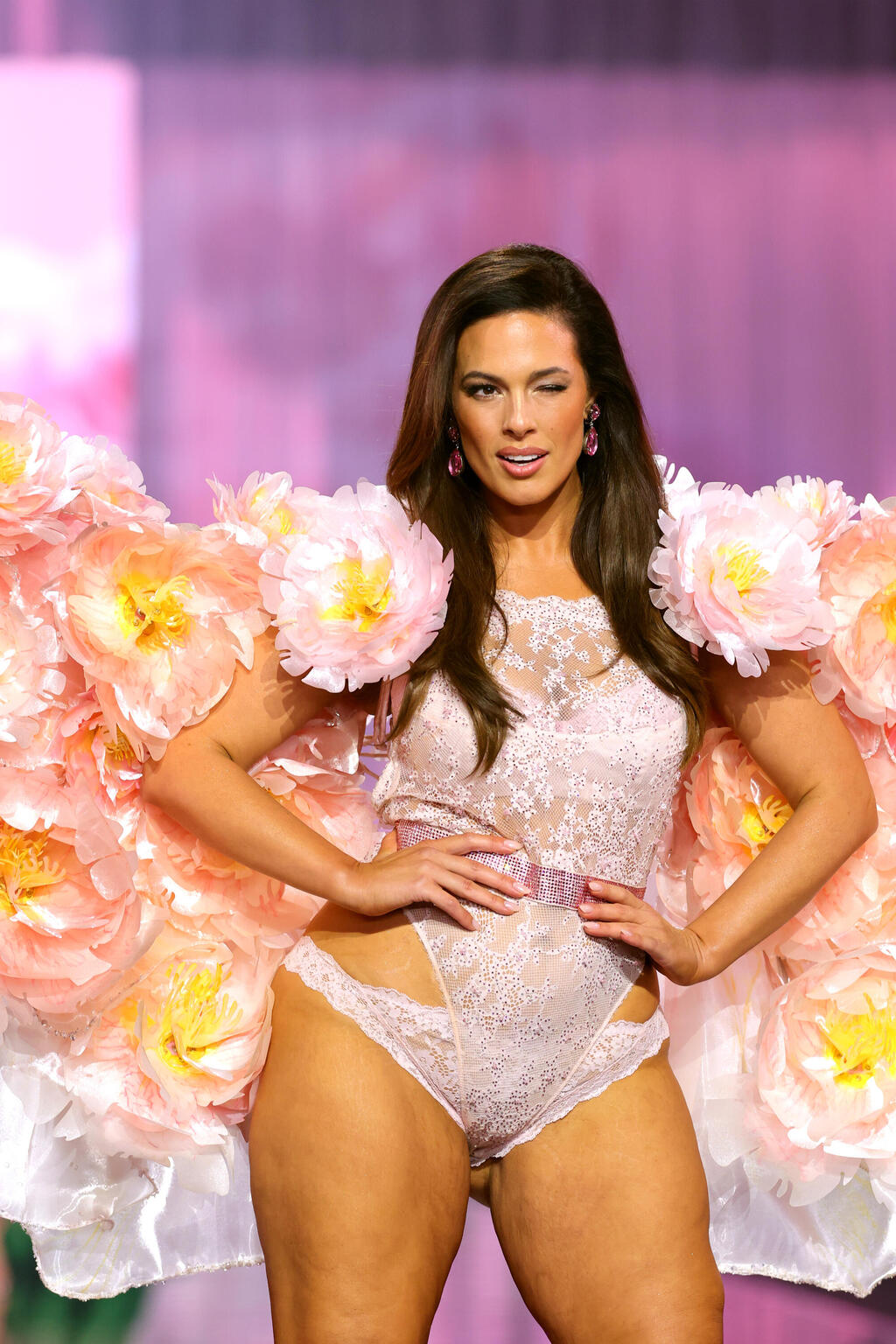
Ashley Graham
(Photo: Dimitrios Kambouris/Getty Images for Victoria's Secret)
Lima was not the only famous Angel on the runway. She was joined by fellow lingerie veterans Alessandra Ambrosio, Candice Swanepoel and Elsa Hosk, as well as well-known models including Gigi Hadid, Ashley Graham, Yasmin Wijnaldum, Alex Consani, Precious Lee and others. Most of the attention, however, went to Kylie Jenner, who made her Victoria's Secret runway debut wearing the $50 million Fantasy Bra, one of the brand's signature creations since the 1990s.
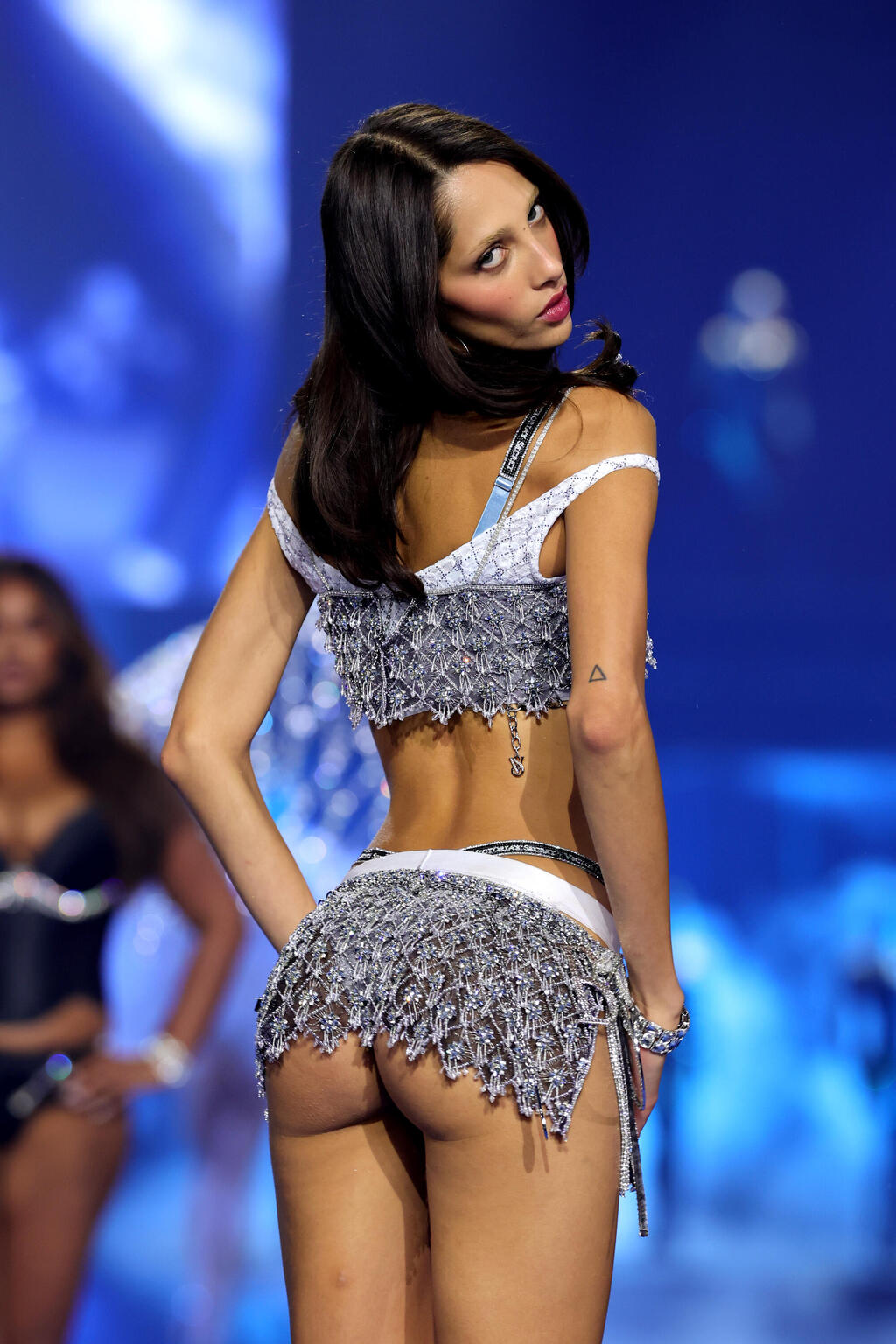
Yasmin Wijnaldum
(Photo: Dimitrios Kambouris/Getty Images for Victoria's Secret)
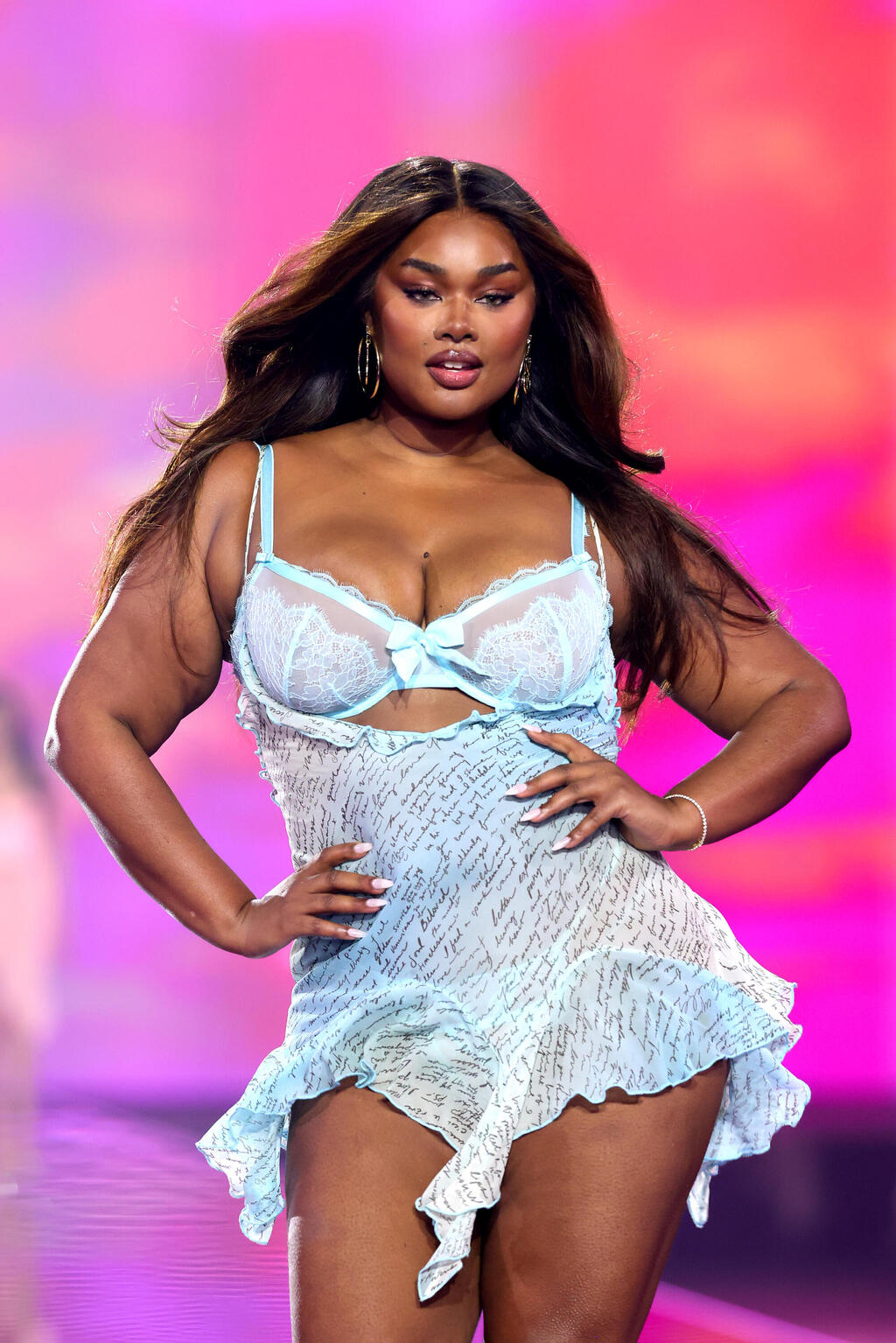
Precious Lee
(Photo: Dimitrios Kambouris/Getty Images for Victoria's Secret)
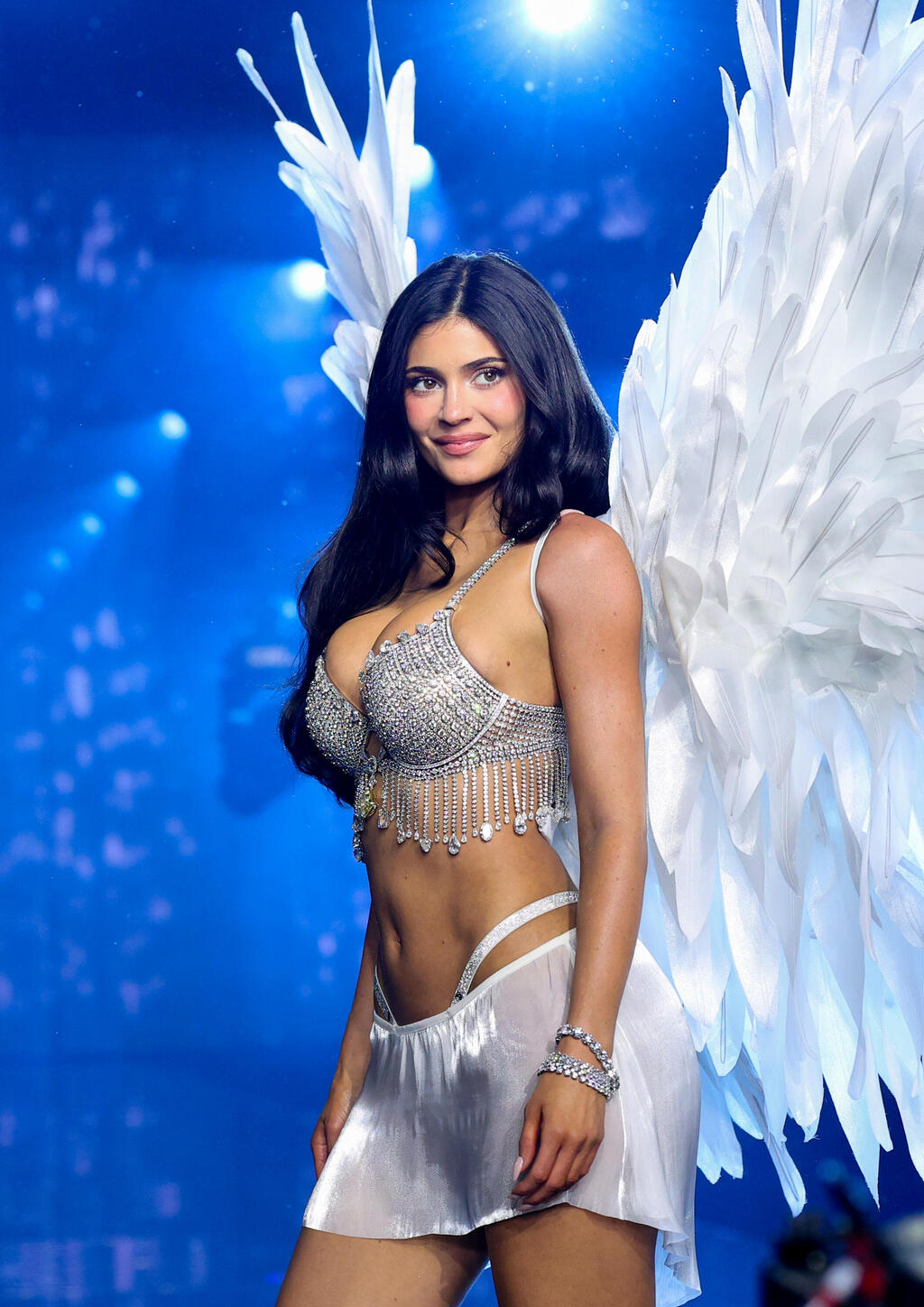
Kylie Jenner wearing the Fantasy Bra
(Photo: Dimitrios Kambouris/Getty Images for Victoria's Secret)
Jenner's runway appearance proved that, despite her enormous fame and social media following, she lacked the charisma and sex appeal displayed by the other models in the show. Not to mention her somewhat wooden walk. Still, Jenner's casting demonstrated her place in pop culture and her ability to generate the kind of global exposure the brand craves. Her boyfriend, actor Timothée Chalamet, and her mother, Kris Jenner, cheered her on from the front row.
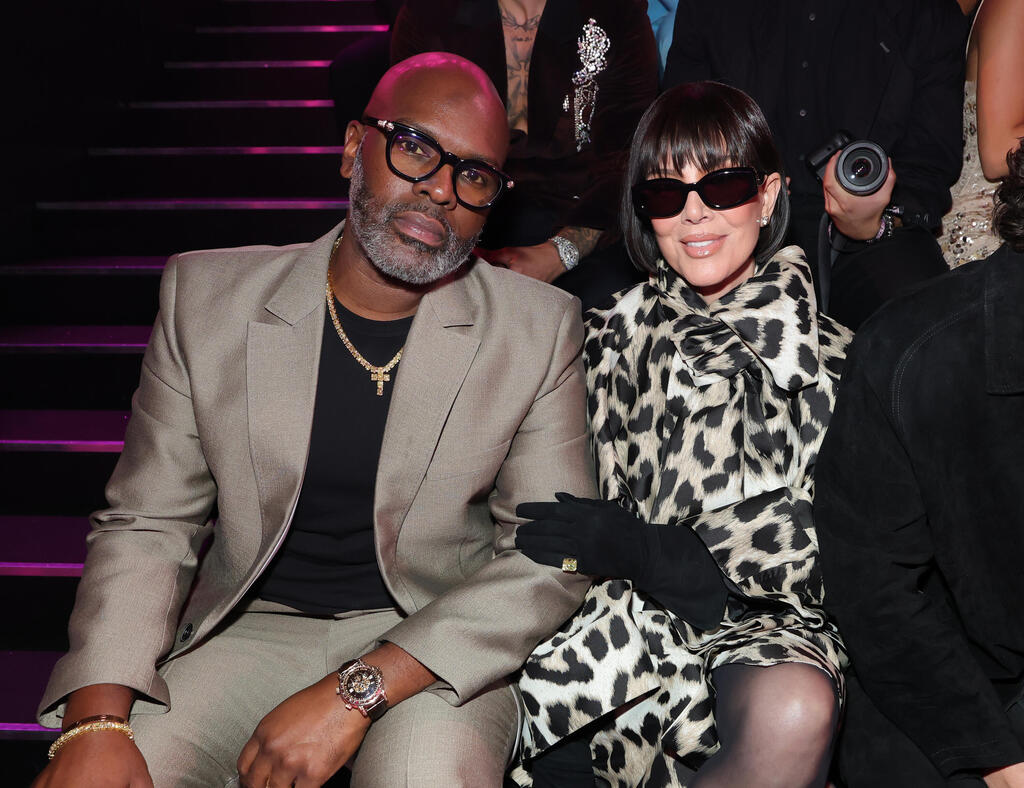
Front row: Kris Jenner and Corey Gamble
(Photo: Frazer Harrison/Getty Images for Victoria's Secret)
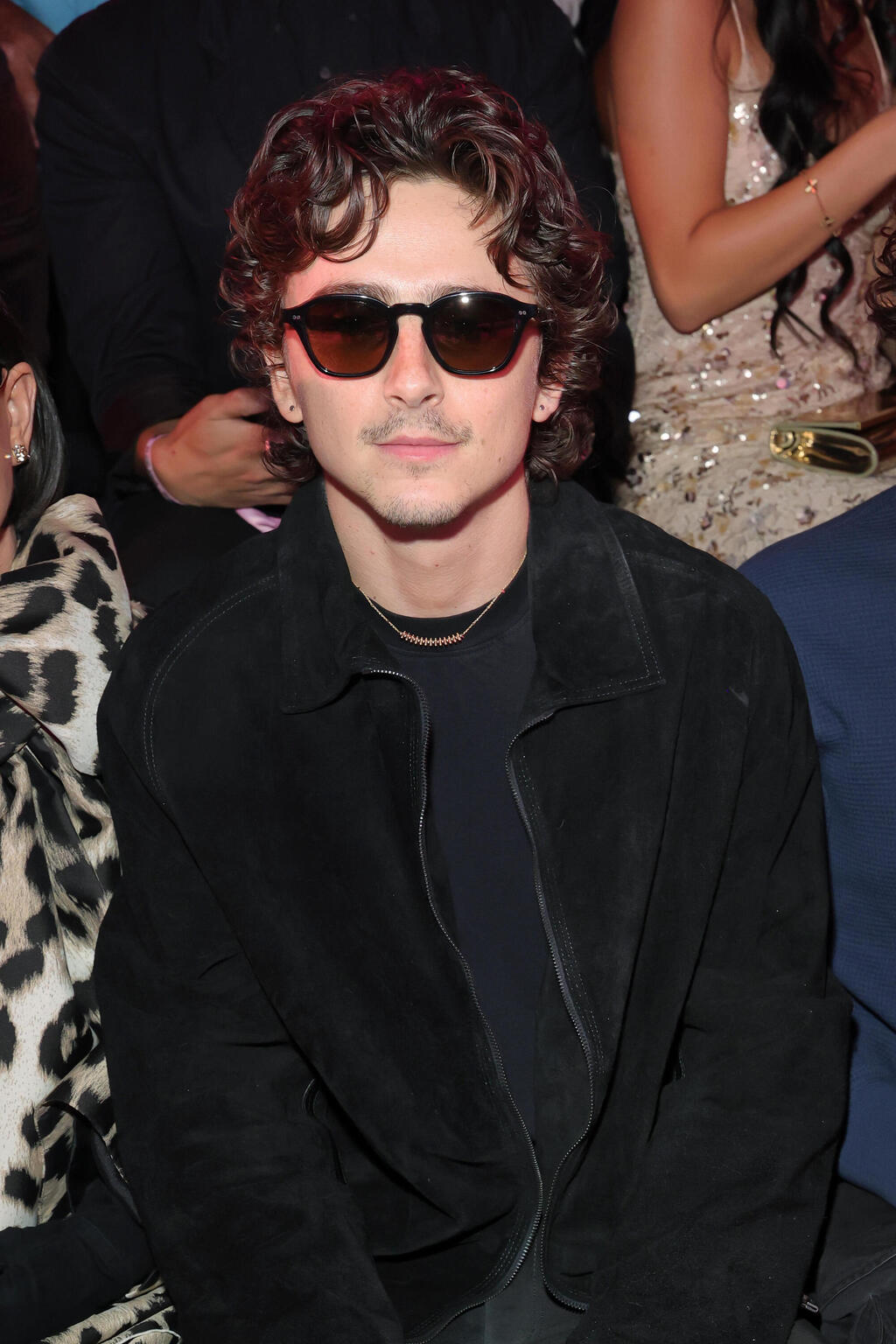
Front row: Timothée Chalamet
(Photo: Frazer Harrison/Getty Images for Victoria's Secret)
Another surprise came from Gisele Bündchen, one of the most iconic Angels in the brand's history. Bündchen, who retired from the runway in the previous decade, appeared in a video screened before the show, wearing pink lingerie and the brand's signature striped silk robe. In the video, she hinted that audiences would be seeing more of her soon, leaving open the possibility of a future collaboration.
Another moment that attracted attention was Barbara Palvin's return to the runway just six weeks after giving birth to her first daughter, Sylvie, with her husband, actor Dylan Sprouse. The Hungarian model walked in a romantic minidress that resembled a babydoll. In an interview with People magazine before the show, she said she felt great and described the opportunity to return to the runway so soon after giving birth as "empowering."
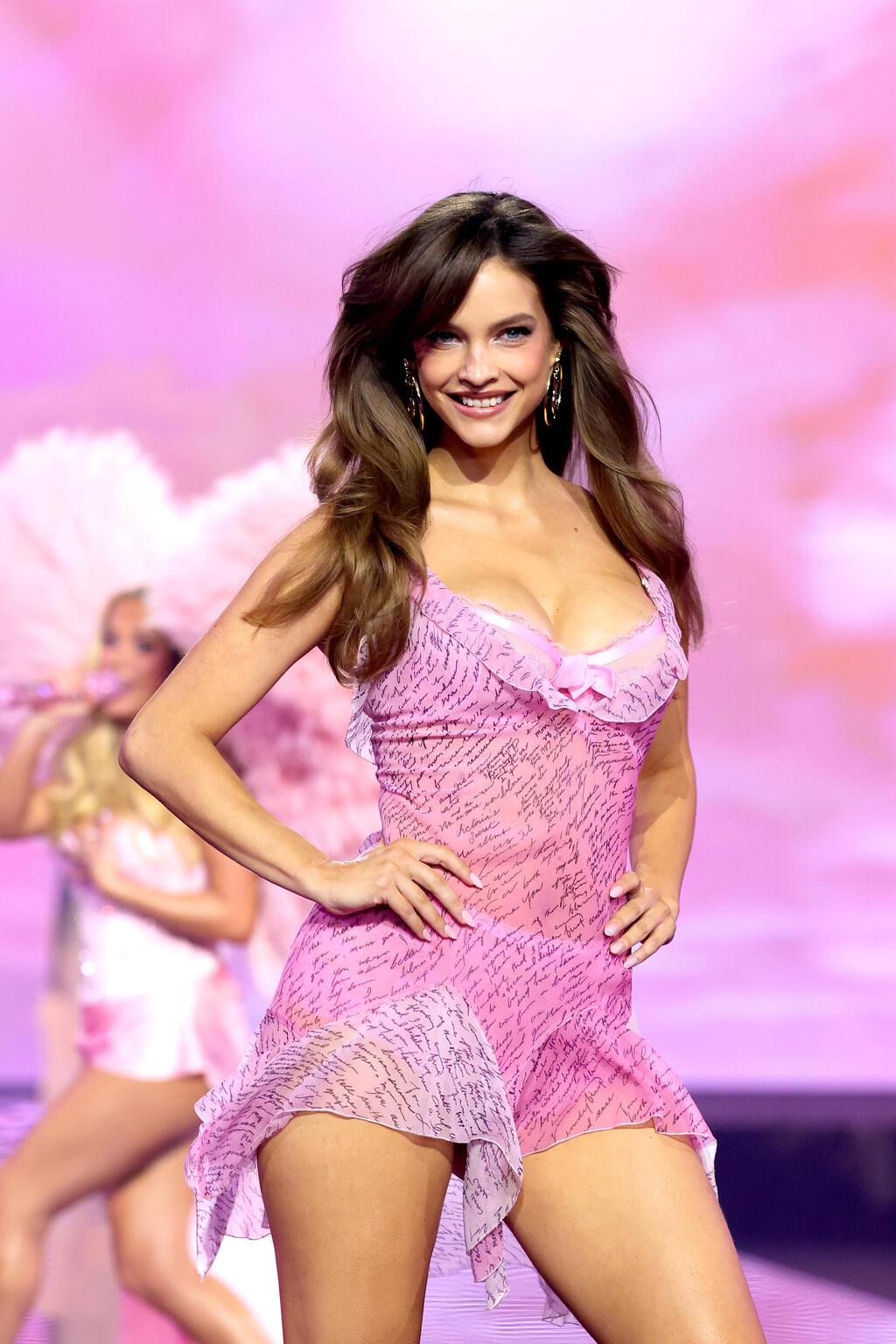
Barbara Palvin at the Victoria's Secret Fashion Show
(Photo: Dimitrios Kambouris/Getty Images for Victoria's Secret)
Palvin's rapid return to the runway renewed questions about the expectations placed on women, both in the fashion industry and beyond, to return quickly to work and regain their pre-pregnancy appearance. "Tomorrow will mark six weeks since I gave birth, and as far as I understand, many women in the United States return to work after six weeks, so it's not such a big deal," Palvin said in response. "I feel great. I think it's very empowering that the Victoria's Secret team invited me to take part in the show and that we're supporting women."
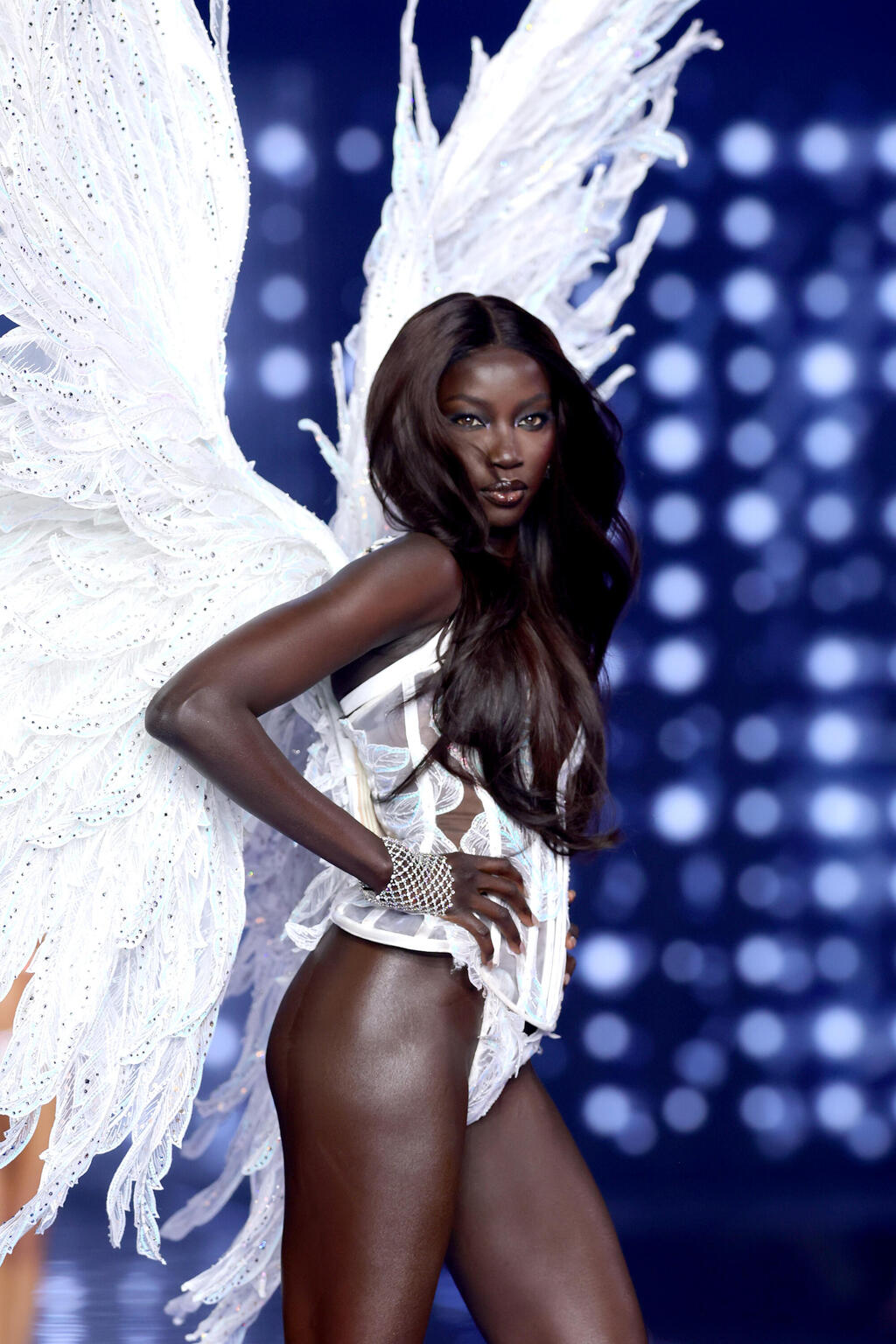
Anok Yai on the runway
(Photo: Dimitrios Kambouris/Getty Images for Victoria's Secret)
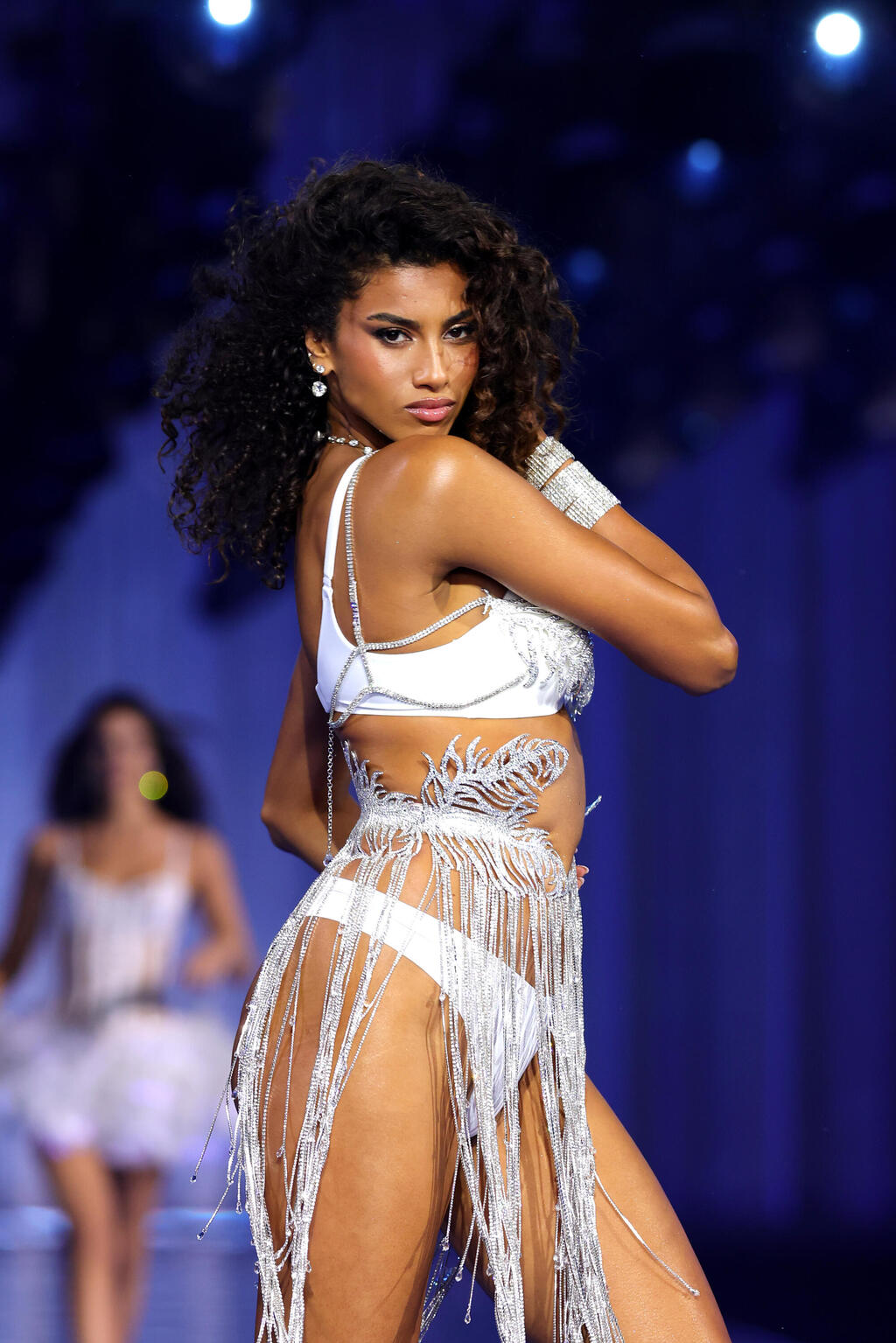
Imaan Hammam
(Photo: Dimitrios Kambouris/Getty Images for Victoria's Secret)
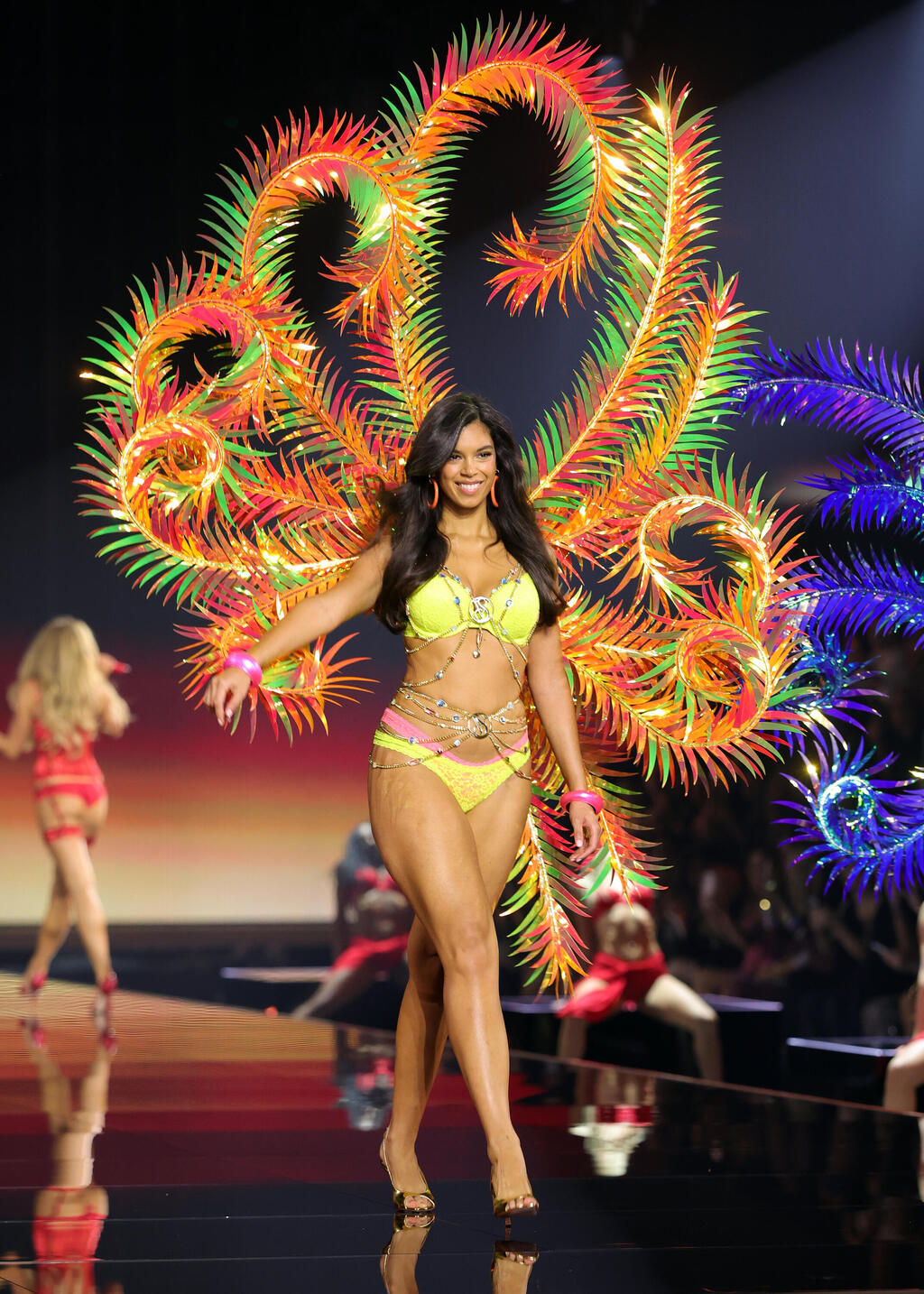
Emeline Hoareau
(Photo: Frazer Harrison/Getty Images for Victoria's Secret)
(Photo: Dimitrios Kambouris/Getty Images for Victoria's Secret)
This year's theme, Fandemonium, was intended to capture the enthusiasm and sense of community built around the brand. It was no coincidence that the casting process sparked heated debate among fans ahead of the event, partly following reports that veteran models had been excluded from the show. And they were not the only thing missing from the runway. In recent years, Victoria's Secret has proudly promoted its commitment to a more diverse ideal of beauty, but judging by Sunday night's runway, that ideal appears to have become uniform once again.
Despite the casting of plus-size models, who looked like women with more realistic body types alongside their fellow models, as well as transgender, Asian and Black models alongside white models, a critical look suggests that the diversity on display remained largely symbolic. Most of the models still had toned bodies with low body fat percentages, and the presence of different body types did little to fundamentally change the beauty ideal that dominated the show. Despite its good intentions, the brand still struggles to challenge the hierarchy on which it was built.