

In November, headlines resurfaced from the past, including a widely circulated claim that Adolf Hitler had a micropenis, a real medical condition that, in popular imagination, is often linked to deep-seated inferiority complexes. The dubious report gained global traction, revealing more about mass psychology than any credible insight into the dictator’s psyche. There is no way to verify such claims, or how physical traits might relate to moral character.
Still, the association between penis size, identity and self-confidence remains a powerful part of the male experience.
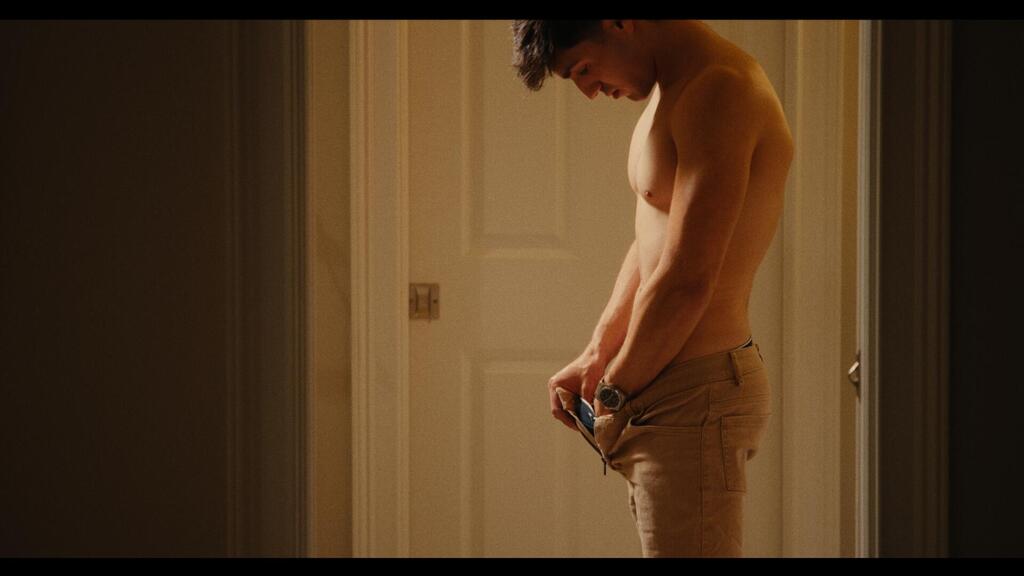
“Manhood” follows men with smaller-than-average penises who choose to undergo cosmetic procedures to enlarge them, documenting their journeys up close as they confront stigma, shame and personal doubt.
“I think men today are under enormous pressure. There are so many messages about what it means to be a man,” Lombroso says. “Pornography creates completely unrealistic expectations about what a ‘normal’ penis should look like. Then you add social media and manosphere culture. When I open my phone, I see war, then something sexual, then a guy in the gym. We’ve never lived in a world where we’re so flooded with comparisons.”
He contrasts that with his father’s upbringing in Haifa in 1951, when a single Playboy magazine passed between neighborhood kids. Today, everything is instantly accessible, from dating apps to podcasts to pornography.
Alongside social media, modern technology offers new solutions through cosmetic medicine. Lombroso adopts a therapeutic lens, examining the psychological and sociological dimensions beyond the physical.
The penis enlargement industry is built on insecurity and shame


The film centers in part on entrepreneur Bill Moore, who founded a network of clinics specializing in penis enlargement procedures. His method involves injecting filler to increase girth, with a supportive sleeve used to maintain shape.
Unlike a true micropenis condition, the men featured in the film are dealing with perceived inadequacy rather than functional impairment. What is seen as a physical flaw often reflects deeper insecurity rather than a medical issue.
Patients come from all backgrounds. Some agreed to appear fully on camera, exposing both their bodies and their vulnerability.
“As a storyteller, I believe in patience,” Lombroso says. “I would sit for hours in the waiting room and meet the most unexpected people, a megachurch pastor, a border patrol agent, a brain cancer patient, a father of five, a gay porn star.”
What struck him most was the range of emotional responses. “These men carry so much inside. When someone is willing to listen, it feels new to them.”
Gaining their trust was not simple.
“I was very clear: this is not an advertisement, not for the clinic and not for penis enlargement,” he says. “This is about a broader cultural conversation around body dysmorphia. I told them, you will be naked. Your family might see this. It might reach festivals, maybe streaming platforms.”
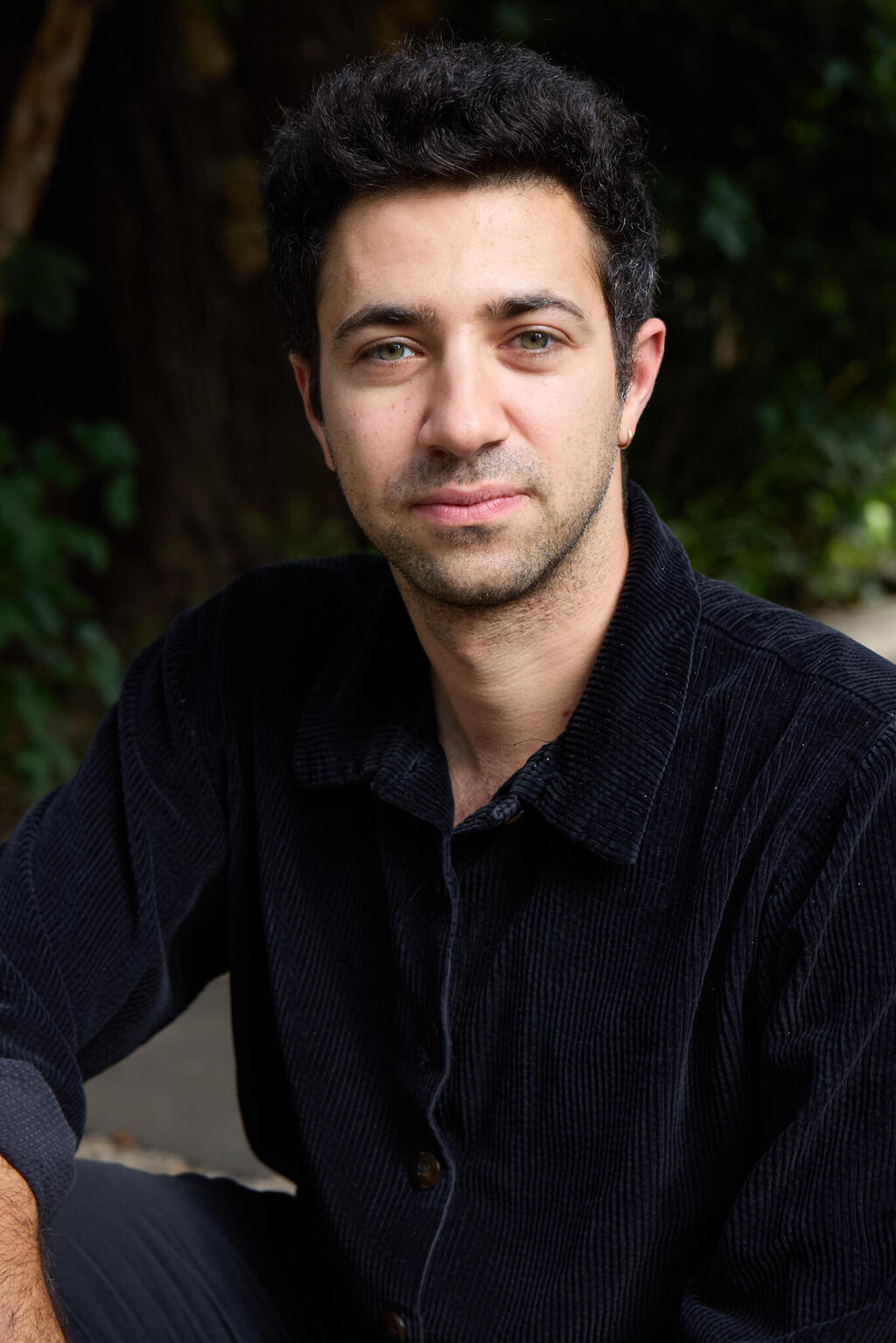
Daniel Lombroso
Some agreed immediately. Others hesitated for years. One participant initially asked to have his face digitally altered but ultimately chose to appear openly.
Shame is a central theme.
“The big question is: what is a man supposed to be? Big, strong, tough,” Lombroso says. “But we’re living in a time when opportunities are shrinking. Many men feel confused, even emasculated. Then they start to see their penis as the problem.”
One line in the film captures its thesis: “I can fill your penis, but not the hole in your heart.”
The issue is compounded by the perception that cosmetic procedures are for women. The film challenges that assumption, while also exposing the risks, including cases of unqualified practitioners causing permanent damage.
“Women have dealt with appearance pressure for decades,” Lombroso says. “What’s new is that men are encountering it for the first time.”
He notes that about 30% of patients identify as queer, often with a more developed language to discuss body image and identity.
For many heterosexual men, however, the clinic becomes the first place they openly discuss these issues.
One participant, Ruben, says he underwent the procedure for his partner, spending thousands of dollars, while she suggested he invest the money in a mortgage instead.
“There’s a belief that changing the body will fix everything,” Lombroso says. “But studies show cosmetic procedures provide only a temporary boost. Then something new becomes the problem. It becomes endless.”
He compares it to gambling: one win leads to another attempt.
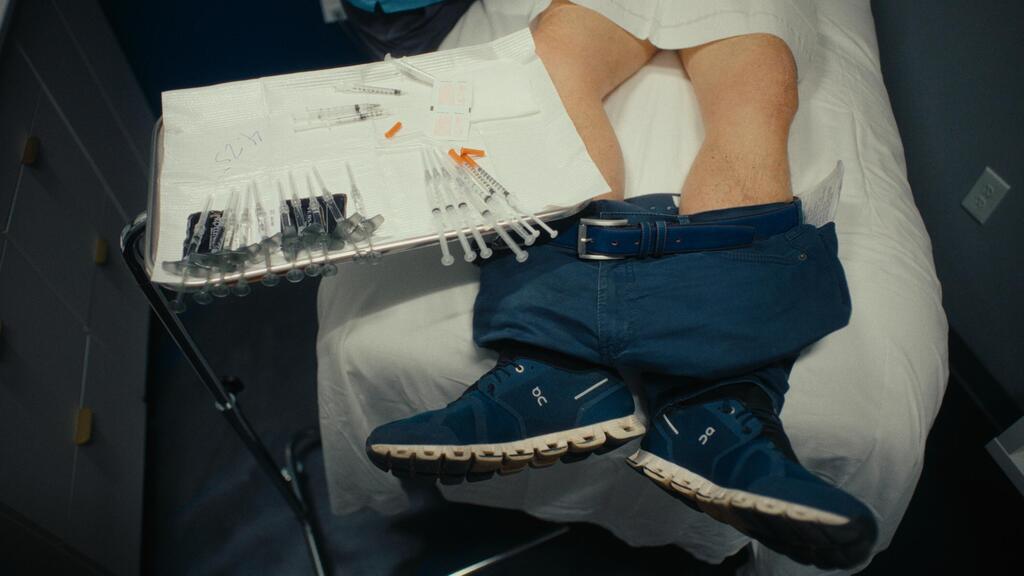
'Many men feel confused, even emasculated. Then they start to see their penis as the problem'
Penis enlargement, he says, is particularly susceptible because the procedure can be repeated. What begins as a small adjustment can escalate significantly.
“This film is about perception,” he says. “Someone thinks half an inch will save their marriage. Six months later, it’s clear it didn’t.”
Despite his critical lens, Lombroso does not dismiss the patients. “We try to meet them where they are, with empathy. But this is not the solution.”
The industry, he adds, is booming.
“When I started, there were a few clinics in Texas. Now they’re in almost every major city. Insecurity is a profitable business.”
He compares the trend to the early days of breast implants decades ago.
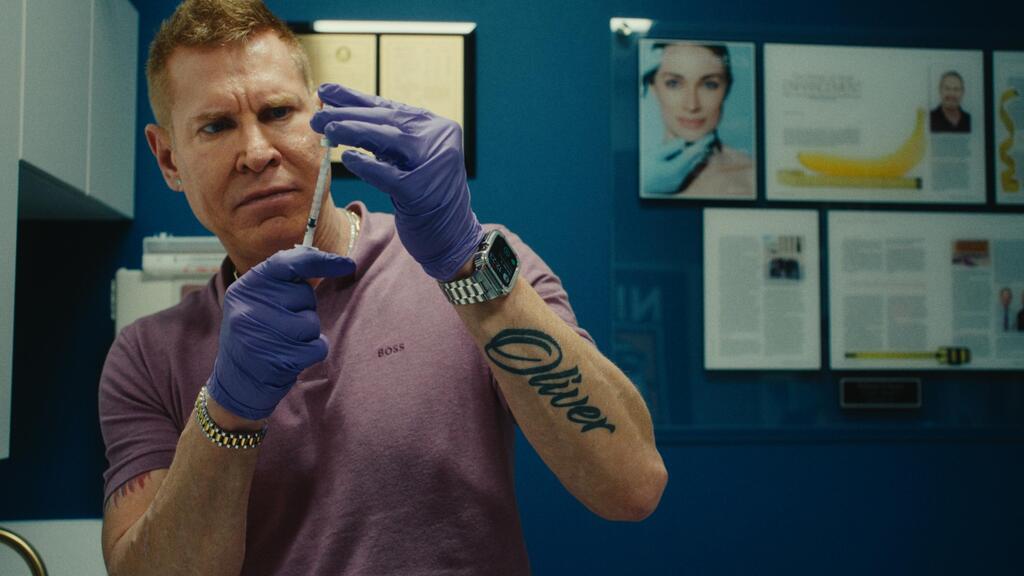
“Penis enlargement may never be as mainstream because of the taboo, but I wouldn’t be surprised if in 10 years someone casually says at a wedding, ‘Yeah, I added some girth.’”
Lombroso, who previously worked with The Atlantic and New York Magazine, says he is drawn to complex, often uncomfortable subjects.
His earlier documentary, “White Noise” (2020), explored white supremacist groups, a project that drew criticism for humanizing controversial figures.
“I find two-dimensional documentaries driven only by social justice agendas exhausting,” he says. “The world is more complex. If men are in crisis, I want to document it, whether I agree with them or not.”
His connection to Israel adds another layer.
“My father grew up in Haifa. I spent my summers there,” he says, noting he had planned to teach at the Sam Spiegel Film School in Jerusalem before the October 7 attacks.
Asked about the broader Middle East conflict, he responds cautiously.
“My grandmother fled Nuremberg, my grandfather fought in 1948. I feel deeply connected. I have love for Israelis, Palestinians, Lebanese, Iranians,” he says. “In New York, when I feel lonely, I’d rather walk into a Palestinian or Persian restaurant than somewhere else. It feels like family.”
He hopes for a future where conversations, whether about identity, conflict or masculinity, can be more open and honest.