

Jennifer Lawrence, 35, is no stranger to intense, transformative roles, and in Die My Love, she delivers one of her most harrowing performances yet. Critics were mixed on director Lynne Ramsay’s latest film, and audiences were even less forgiving, giving the film just a 42% approval rating on Rotten Tomatoes. Yet Lawrence’s portrayal of Grace, a mother grappling with isolation and the unrelenting demands of postpartum earned her a Golden Globes nomination.
Set in rural Montana, Die My Love follows Jackson (Robert Pattinson) and Grace as they attempt to craft a new life far from New York. Initially, the couple’s love burns bright and untamed, captured in early sequences filled with fierce passion and frenetic energy. But as the story unfolds, and the couple have a child, the film shifts focus to Grace’s increasingly isolating experience of motherhood. With Jackson drifting away into his own world, Grace is left to confront her solitude, her desires, and the unraveling of her once-passionate relationship. Ramsay’s expressionistic style amplifies Grace’s internal chaos, and the film relies heavily on Lawrence’s compelling performance to navigate this intense, often disorienting narrative.
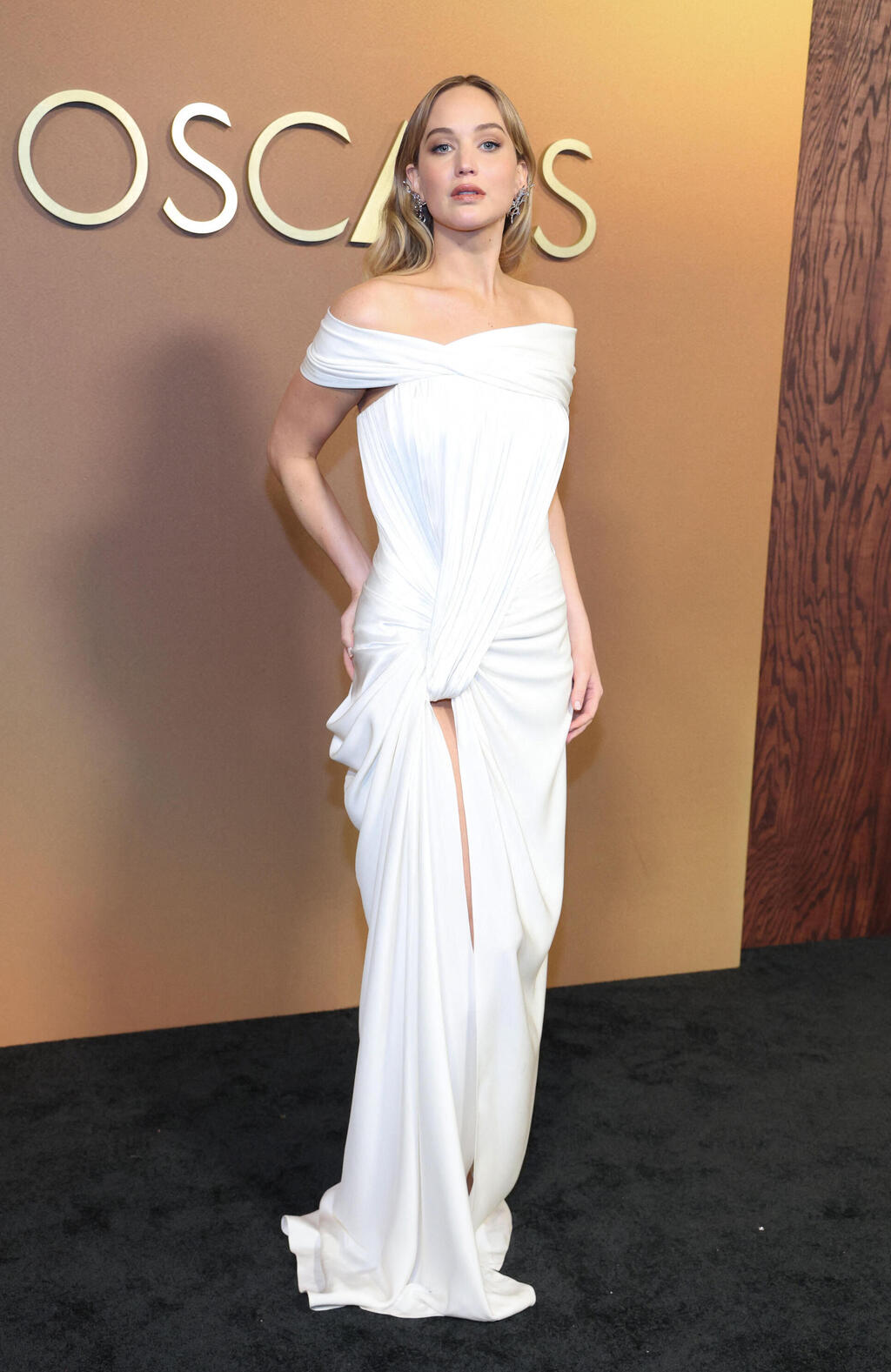
Interestingly enough, Lawrence portrayed the mother who is suffering from postpartum depression, while she was pregnant with her second child with husband, Cooke Maroney, a gallery art director. In an interview with her, she shared that while filming Die My Love while she was four-and-half months pregnant. This brought a unique intensity to her performance. She explained that part of what her character experiences is the hormonal imbalance that comes with postpartum, combined with an identity crisis—struggling with questions of who she is as a mother, a wife, a sexual partner, and a creative. Lawrence noted that being pregnant during shooting actually helped her tap into the visceral emotion required for the role, as she was feeling strong and healthy at the time.
Jennifer, expectations are often placed on mothers in ways that fathers don’t typically face. What are your thoughts on how society perceives motherhood versus fatherhood?
“I think it's intense. There's just a lot to say about cultural expectations and I think [that] women are being faced with this unrealistic expectation to stay at home and be perfect mothers and also have a career. I think it's a clever way of ensuring that we don't get too far in the workforce. I know I'm not I'm probably not the person to ask. I think the whole system is rigged.”
Lynne Ramsay’s films are known for their intense physicality. What kind of direction did she give you and Robert Pattinson during the scenes that required such a strong use of your bodies?
“I think when I was on set was when the kind of crawling like an animal started to happen. I was pregnant and I think when you're pregnant, you kind of are in this, like, animalistic space. I think the combination of that and our characters, my character being moved into this place where she was really isolated, I think kind of created this element of like my character kind of pacing like a wild animal trapped in a cage.”
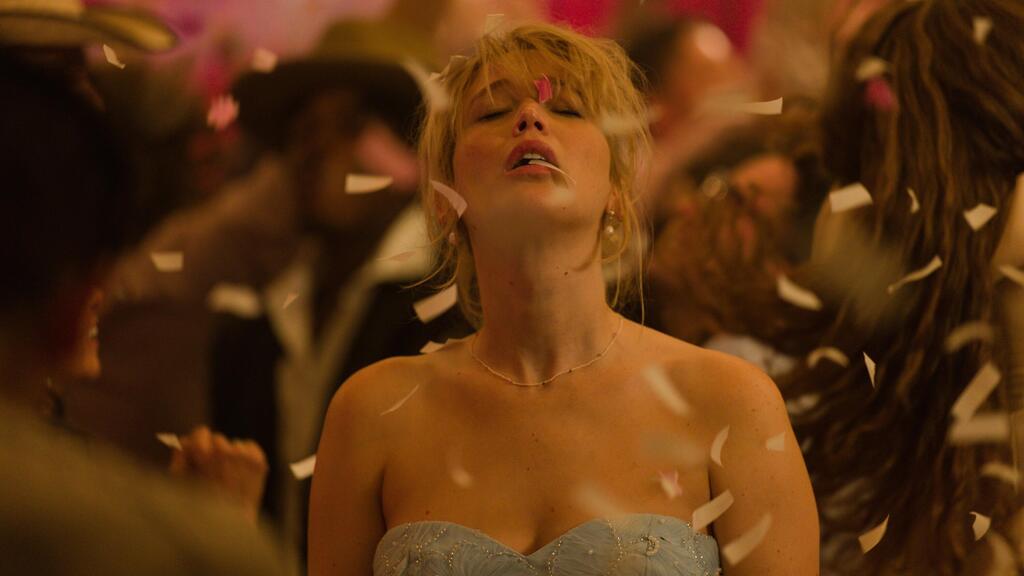
Die My Love
(Photo: PR)
Mothers are often expected to give themselves completely to their children, sometimes at the cost of their own sexuality. Grace resists this in a deeply personal way. What stands out to you most about her struggle?
“Isolation really stood out to me and her struggle because I found having a community and especially a mom community so pivotal when I had my first child, because your life changes, seemingly overnight. And your life before you had a kid is just like, it's dead, it's over. You are kind of like starting over from square one. I don't think I would have known. I would have felt so isolated if I didn't have moms to talk to when I met them at the park or just friends that had babies around the same age that we could do playdates together. I was really aware of that. When Lynn had the idea to move the couple to, , in the middle of nowhere, basically, and where she doesn't have a community, it was really like that really struck me as that would be my undoing.”
Can you talk about the fight’s scenes with Robert, how were they for you?
“The fight scenes are really fun when you're doing it with somebody who you get along with and like. I felt Rob and I didn't really always know exactly where it was going to go, but we would kind of match each other's energies. He added a lot of strength to Jackson and it really kind of helped. It gave me something to kind of push back against more. So the fight scenes felt like the more freeing.”
How much of your own emotional world did you bring into that role? And where did you draw the line between the character and yourself?
“I never really struggle with bringing work home. It's always very separate for me because if there's something that I would get upset about or even how I would get upset, would be different than a character that I'm playing. Rob and I are in similar places in our lives — we were both new parents when we were shooting it. So there was a lot of experience that we could bring to the table to add dimensions to it. But yeah, I mean, I didn’t feel like I was bringing any literal things from my life into it.”
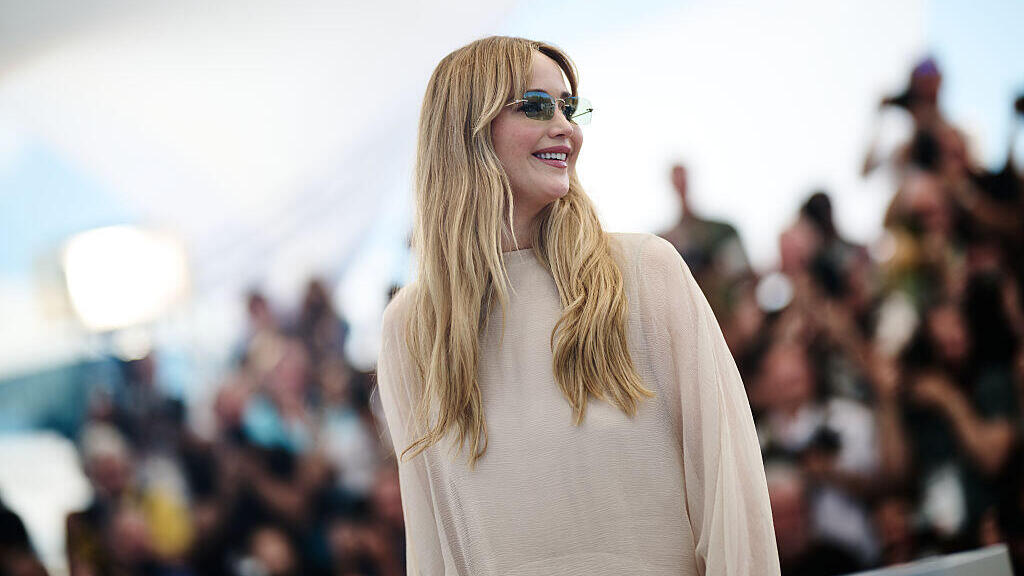
Jennifer Lawrence at Cannes Film Festival
(Photo: Gareth Cattermole/Getty Images)
Your on-screen chemistry feels very natural. How did you and Robert build that connection before and during filming?
“I think a lot of trust, and also the dance lessons that Lynne had us do beforehand that were really embarrassing. I think they really helped. It was like exposure therapy. Rob is a great person to work with. really trust him. I feel like he was pretty straightforward. When we would get into fight scenes or sex scenes or anything, I felt like I could just deal with Jackson. I didn't have to worry about the actor underneath which is really freeing when you when you have to do a movie like this or somebody.”
The movie is based on a novel by Ariana Harwicz and first came to Jennifer Lawrence’s attention when director Martin Scorsese called her directly, suggesting she produce and star in the film, even though he couldn’t personally work on it. Naturally, Lawrence said yes — who could resist if Scorsese himself reaches out? The project also gave her the opportunity to collaborate with another favorite director of hers, Lynne Ramsay.
How was it working with Lynne?
“What I think is so cool about working with an artist like Lynne Ramsay is that it creates so many other conversations. On its face, this movie is about postpartum and a relationship changing after having a baby. But Lynne is so dimensional — she just sees through the story and the character. There were so many elements to the story that caught fire and kept going, which is why it’s such a gift to be able to work with artists like her.”
First published: 09:32, 12.15.25