

British producer Jeremy Thomas, one of the most respected and influential figures in international independent cinema, died Friday at the age of 77.
Thomas, whose career spanned more than five decades and more than 80 films, died at his home in Oxfordshire surrounded by his family, according to a statement from his team.
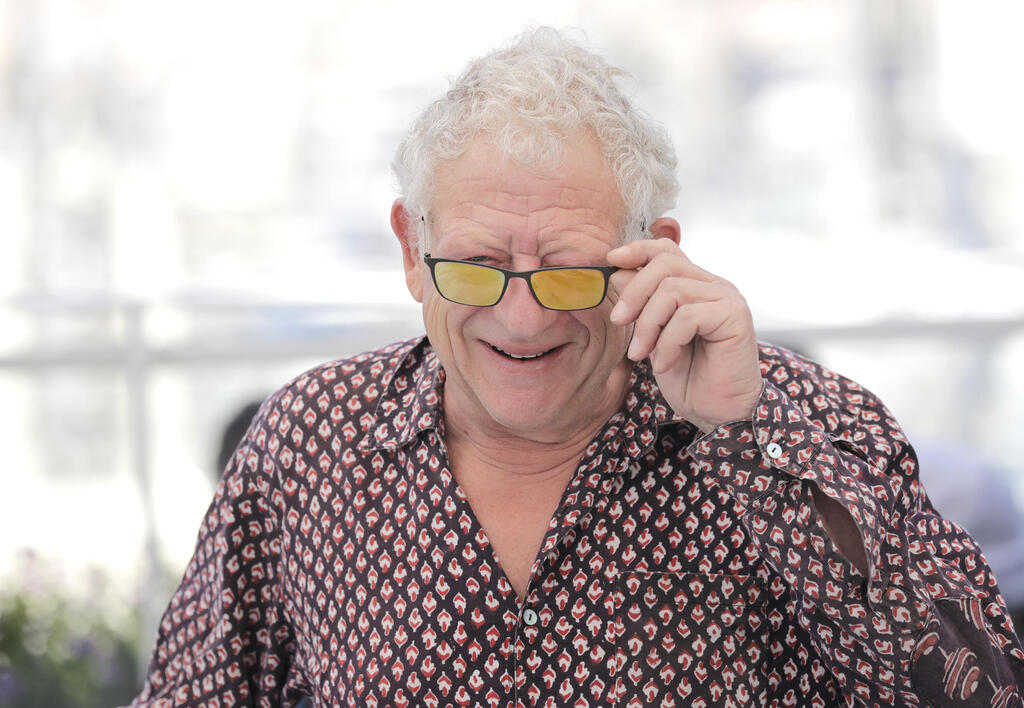
Among the films he produced were Jerzy Skolimowski’s “EO,” which won the Jury Prize at the Cannes Film Festival in 2022; Bernardo Bertolucci’s “The Last Emperor,” which won nine Academy Awards, including Best Picture, as well as four Golden Globes; and the 2019 adaptation of “Pinocchio.”
“The Last Emperor” was part of a lengthy collaboration between Thomas and Bertolucci, who died in 2018. The pair worked together on five films over 17 years, one of several long-term creative partnerships Thomas developed with major directors throughout his career.
His credits also included Jonathan Glazer’s feature debut “Sexy Beast,” David Cronenberg’s “Crash” and Nagisa Oshima’s “Merry Christmas, Mr. Lawrence,” starring David Bowie. Thomas continued working until the final days of his life. His last film, “Bad Lieutenant: Tokyo,” is due to premiere at the Toronto International Film Festival on September 14.
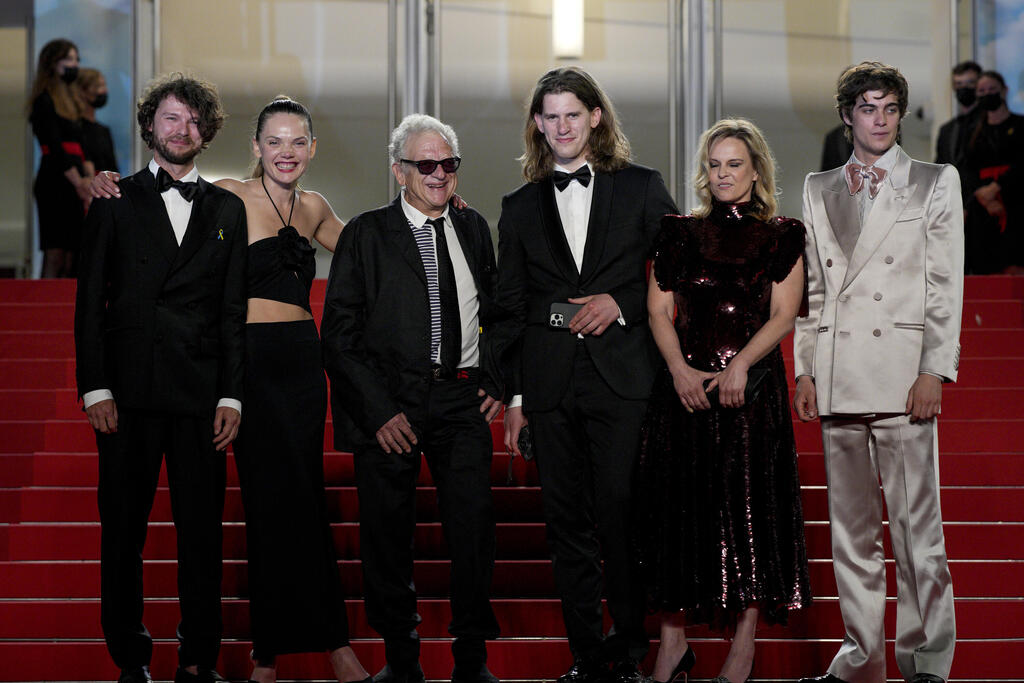
Jeremy Thomas and the cast and crew of ‘EO’ at the Cannes Film Festival
(Photo: AP Photo/Daniel Cole)
Over the course of his career, Thomas founded the production company Recorded Picture Company and later helped establish the sales and distribution company HanWay Films. In 2006, he received the European Film Award for European Achievement in World Cinema.
Thomas was also the subject of the 2021 documentary “The Storms of Jeremy Thomas,” which explored his long relationship with the Cannes Film Festival and his work as a producer. More recently, he appeared in Luca Guadagnino’s documentary “Joie De Vivre,” about cinema, art and the life of Bertolucci.
Thomas was born in London in 1949 into a filmmaking family. His father, Ralph Thomas, was a director, as was his uncle Gerald Thomas.
He entered the film industry immediately after completing his studies, initially working in editing rooms. Although he originally hoped to become a director, he ultimately moved into producing.
His first producing credit was the 1976 film “Mad Dog Morgan,” which he produced in Australia at the age of 27.
Two years later, he produced Skolimowski’s “The Shout,” the first production from the Recorded Picture Company, which Thomas had founded. The film competed for the Palme d’Or at Cannes and won the Grand Prix.