

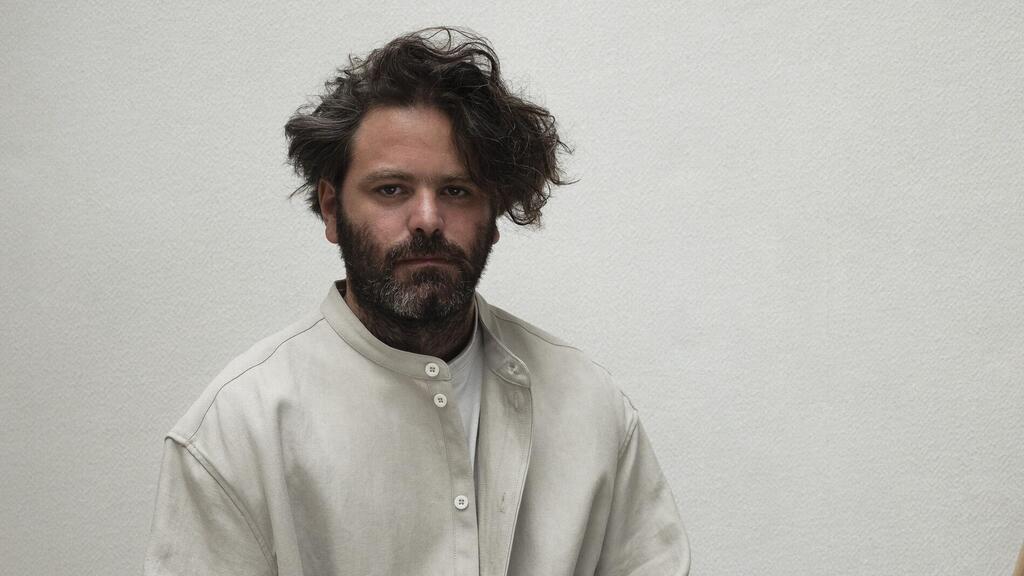
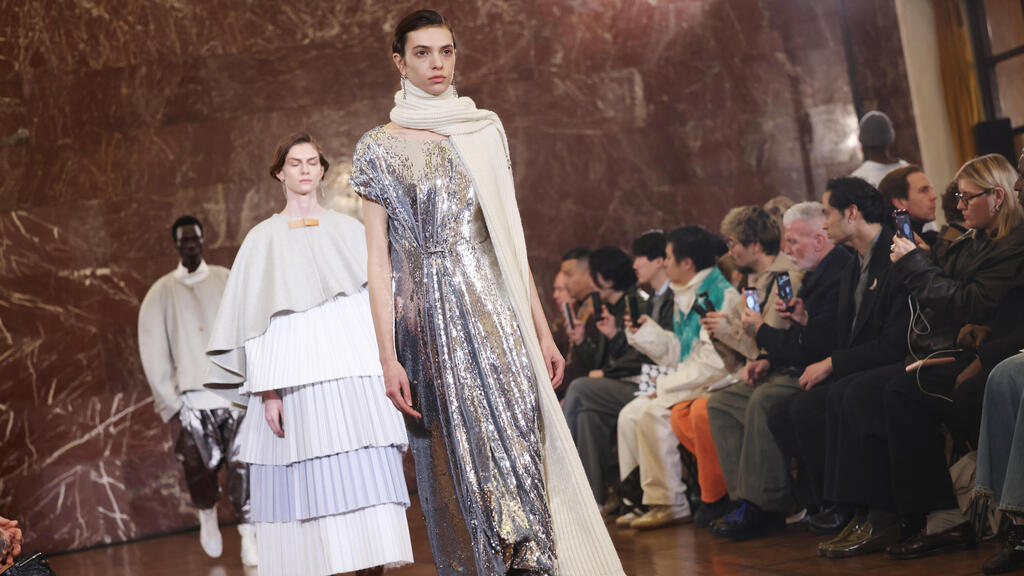
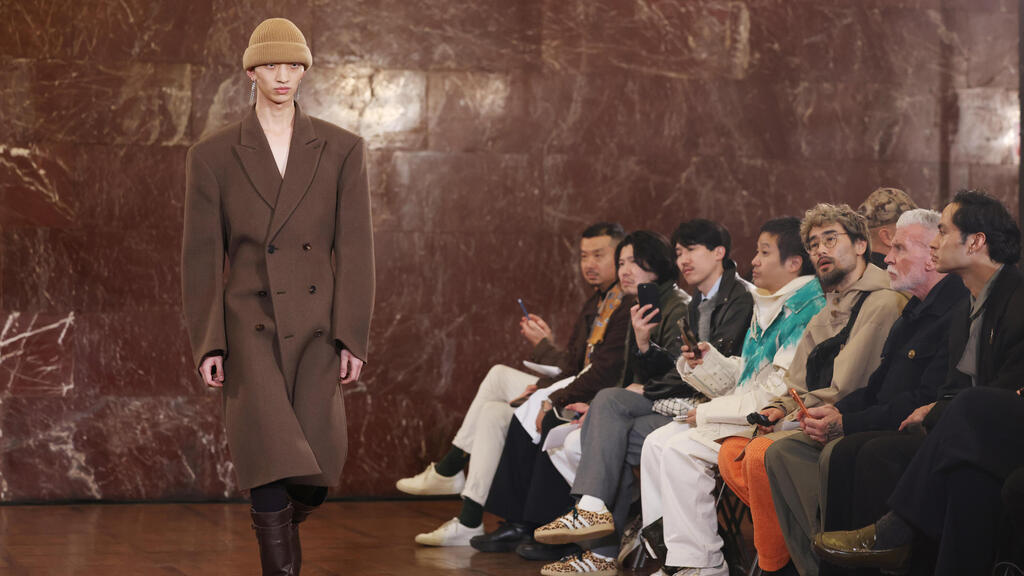
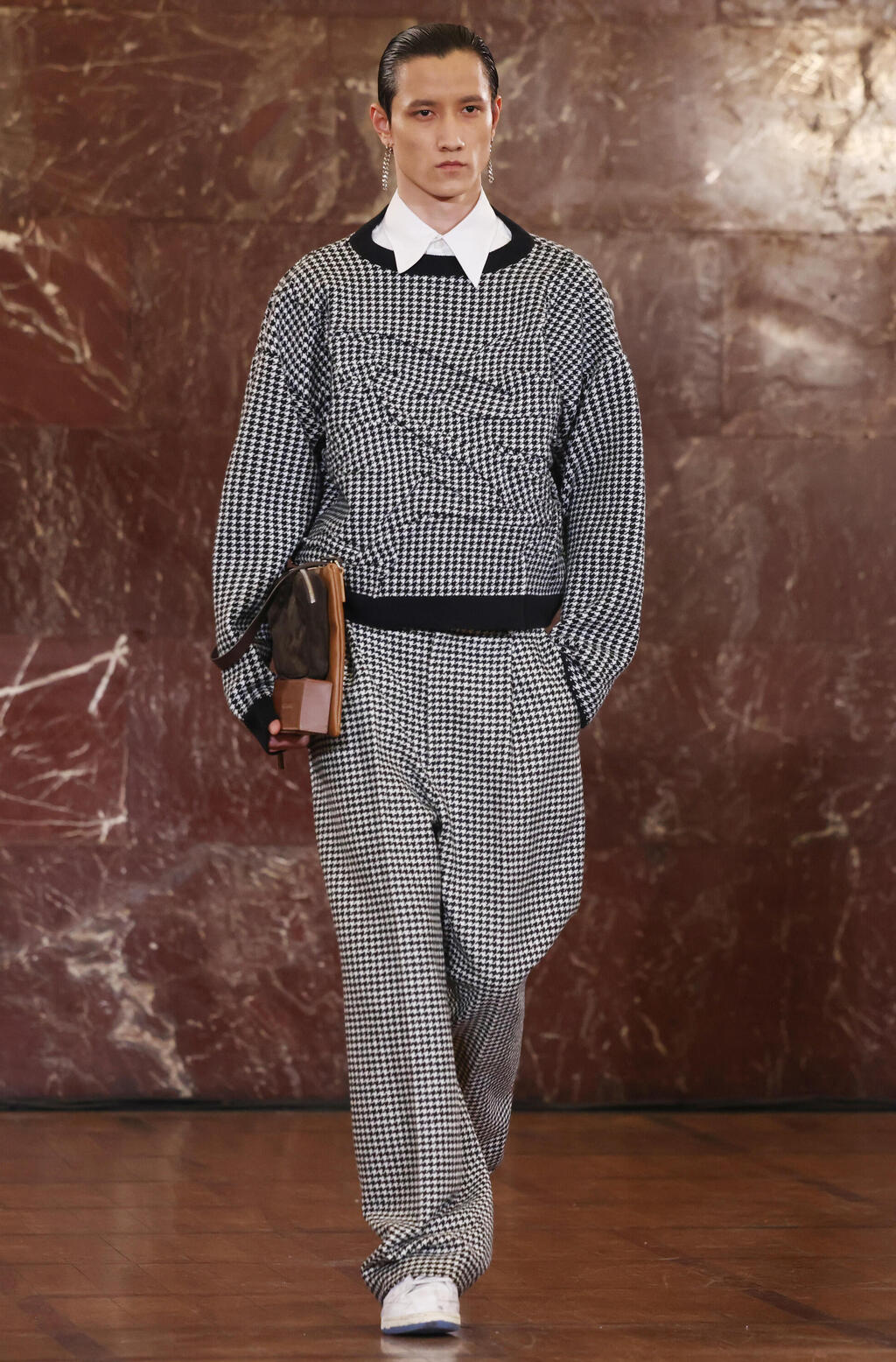
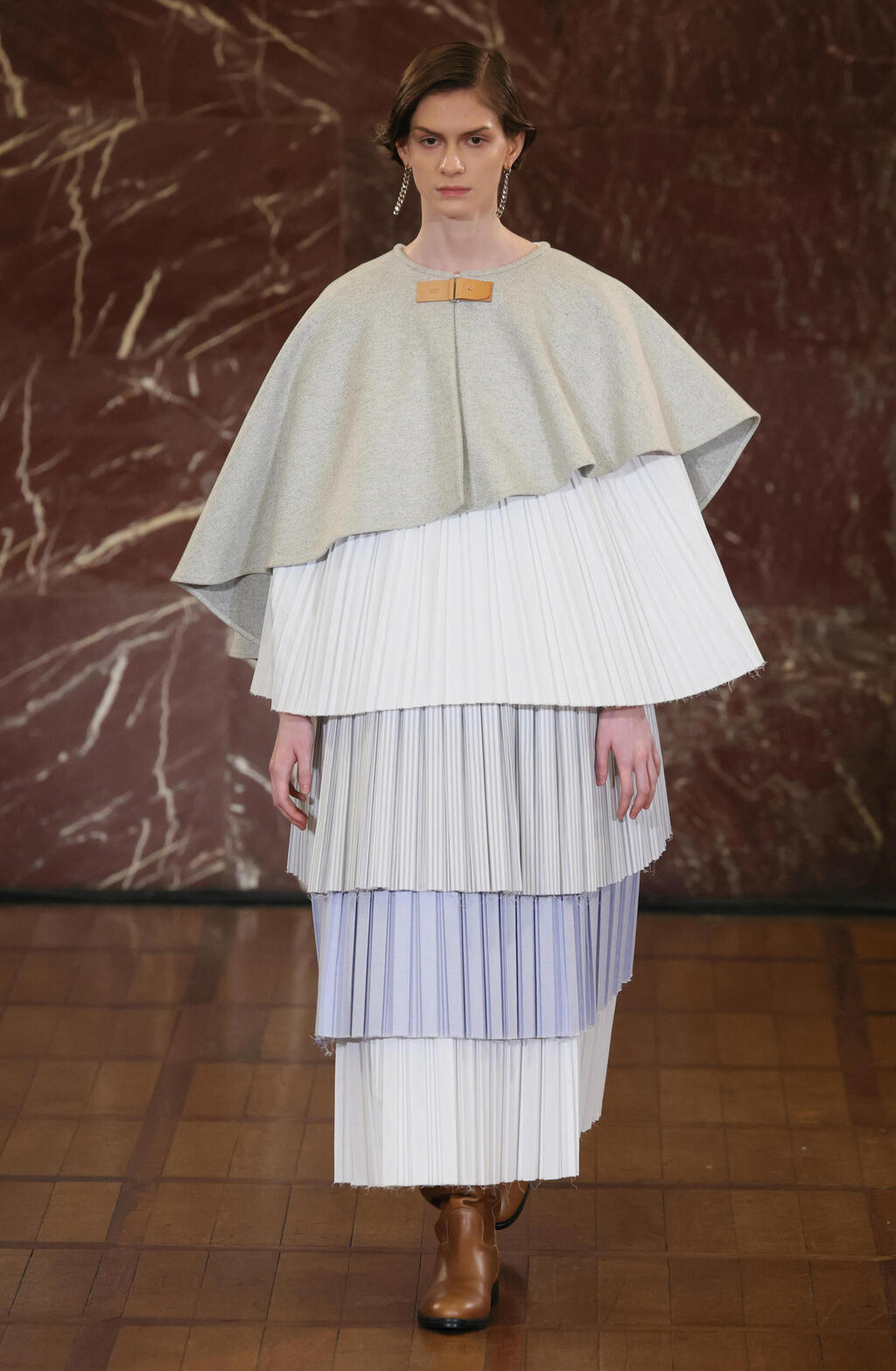
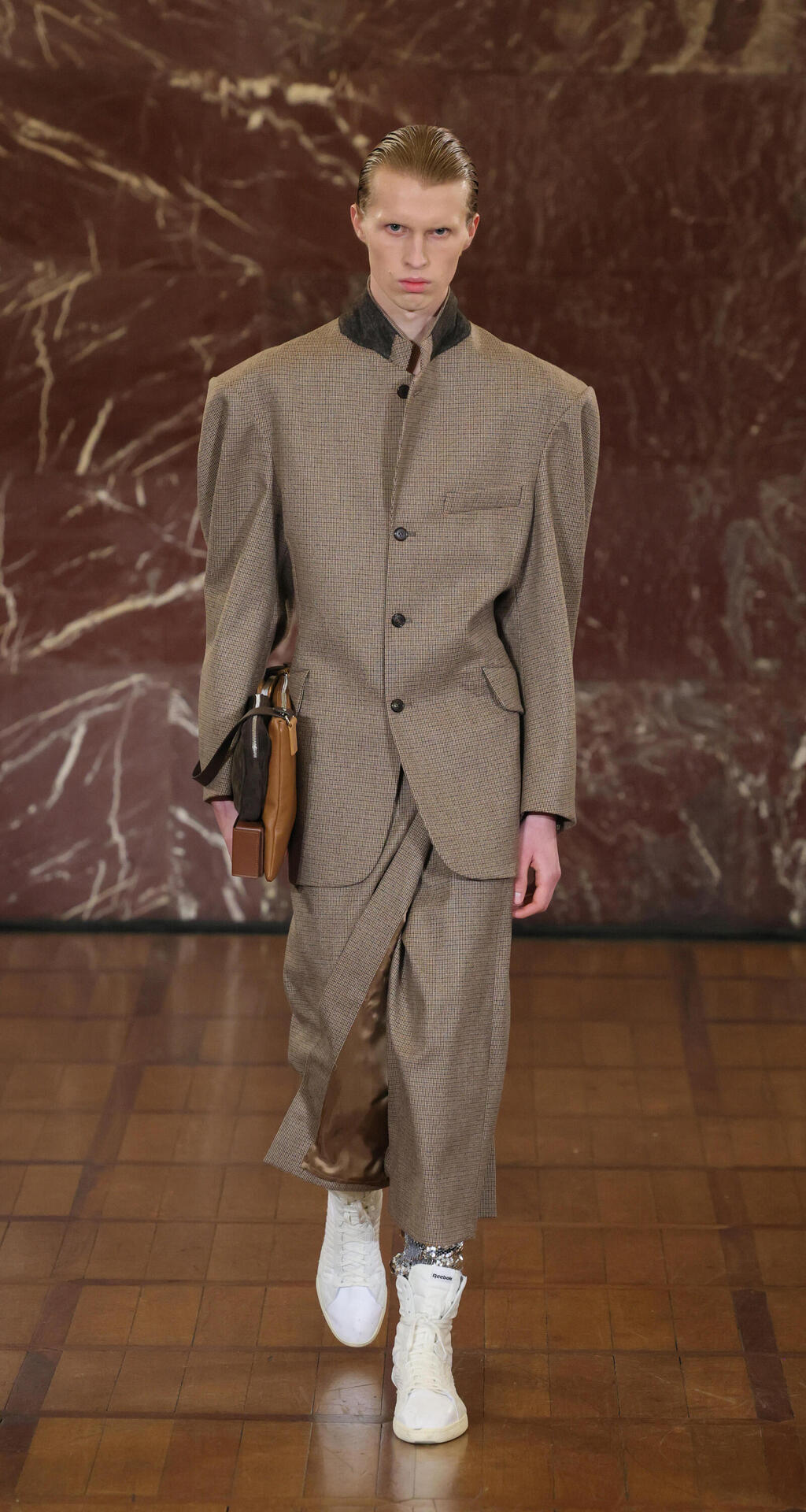
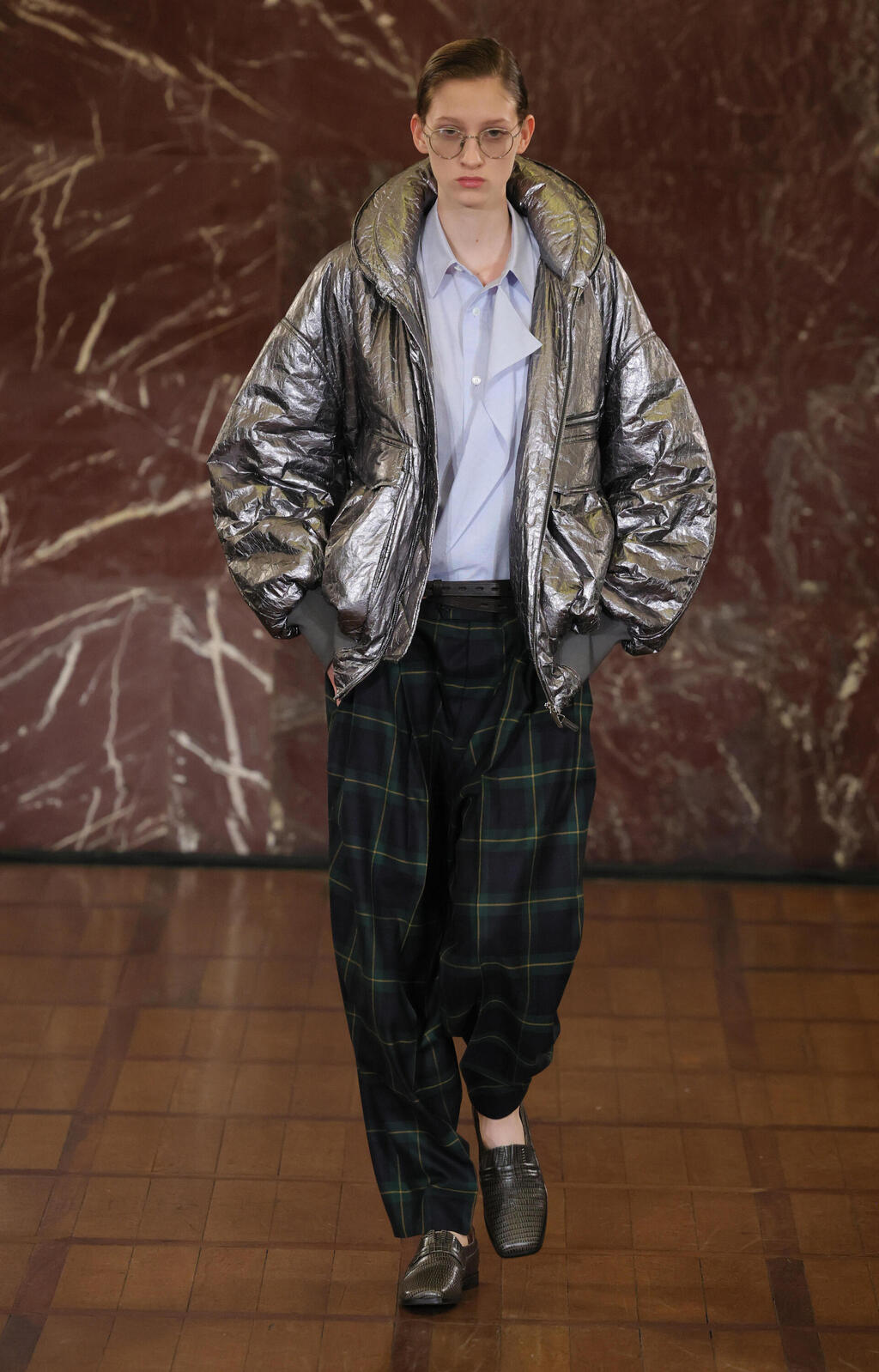
Fashion designer Hed Mayner unveiled his Fall-Winter 2026-27 collection on Wednesday night at the international Pitti Uomo menswear fair in Florence. Mayner, 39, presented his strongest and most cohesive collection to date, rich with new silhouettes and design codes drawn from the early days of his career about a decade ago.
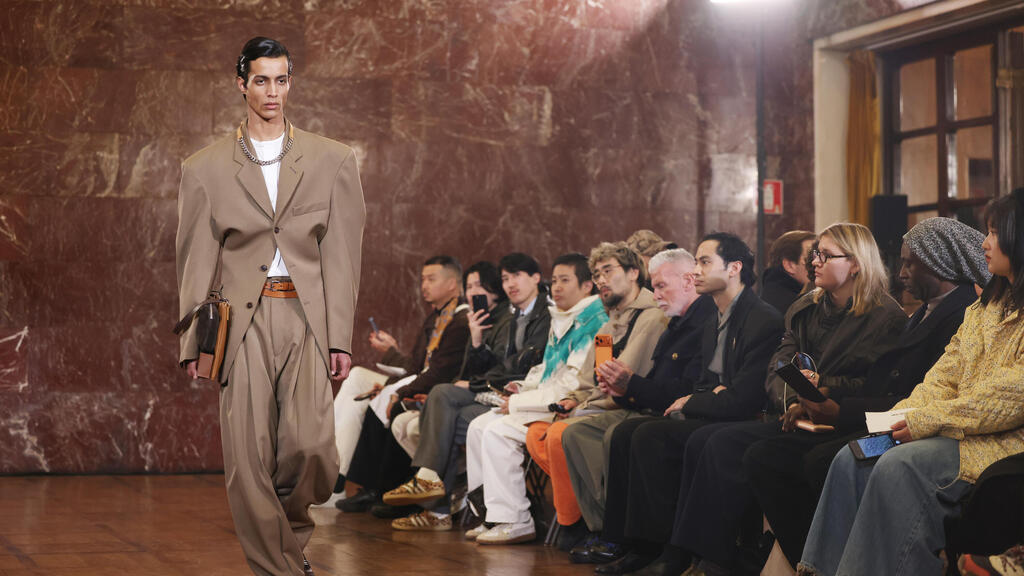
The show took place at the Palazzina Reale di Santa Maria Novella, a Rationalist building — an architectural movement associated with Italy’s Fascist era — dating to the 1930s and built of white Carrara marble. The structure was constructed next to Florence’s train station to serve the Italian royal family during visits to the city.
(Photo: Stefania M. D'Alessandro/Getty Images)
(Photo: Stefania M. D'Alessandro/Getty Images)
“Florence is a city I’ve visited many times,” Mayner said this week in an interview with fashion daily WWD. “I worked in Tuscany for two years, and when the invitation from Pitti Uomo arrived, I needed to find a way to connect my work to the city aesthetically. Often, cities like Florence — monumental cities with deep historical importance — feel like museums, an experience of ‘look, don’t touch,’ and I didn’t want that for the show. I wanted it to feel more dynamic and more connected to the city.”
(Photo: Vittorio Zunino Celotto/Getty Images)
In recent seasons, Mayner has pushed the boundaries of menswear design and tailoring. Alongside strong, deconstructed silhouettes reinterpreted through his distinctive design language, his Spring-Summer 2025 collection marked a clear move toward bolder color and an exploration of its use, including two looks built around a white tunic resembling an oversized shirt splashed with vivid color. That direction continued in the Spring-Summer 2026 collection, which for the first time introduced floral patterns and softer silhouettes.
(Photo: Stefania M. D'Alessandro/Getty Images)
When freedom meets control
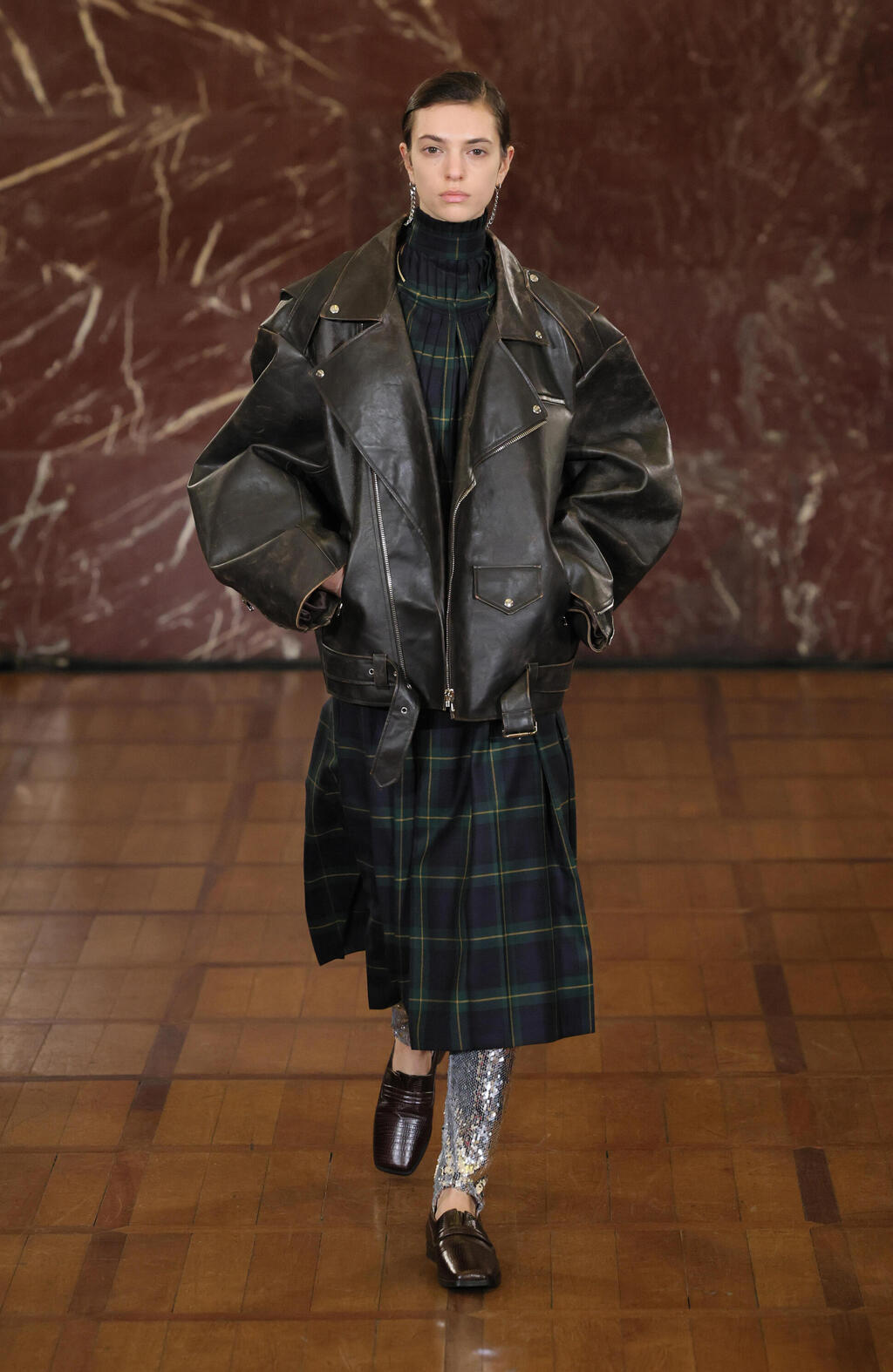
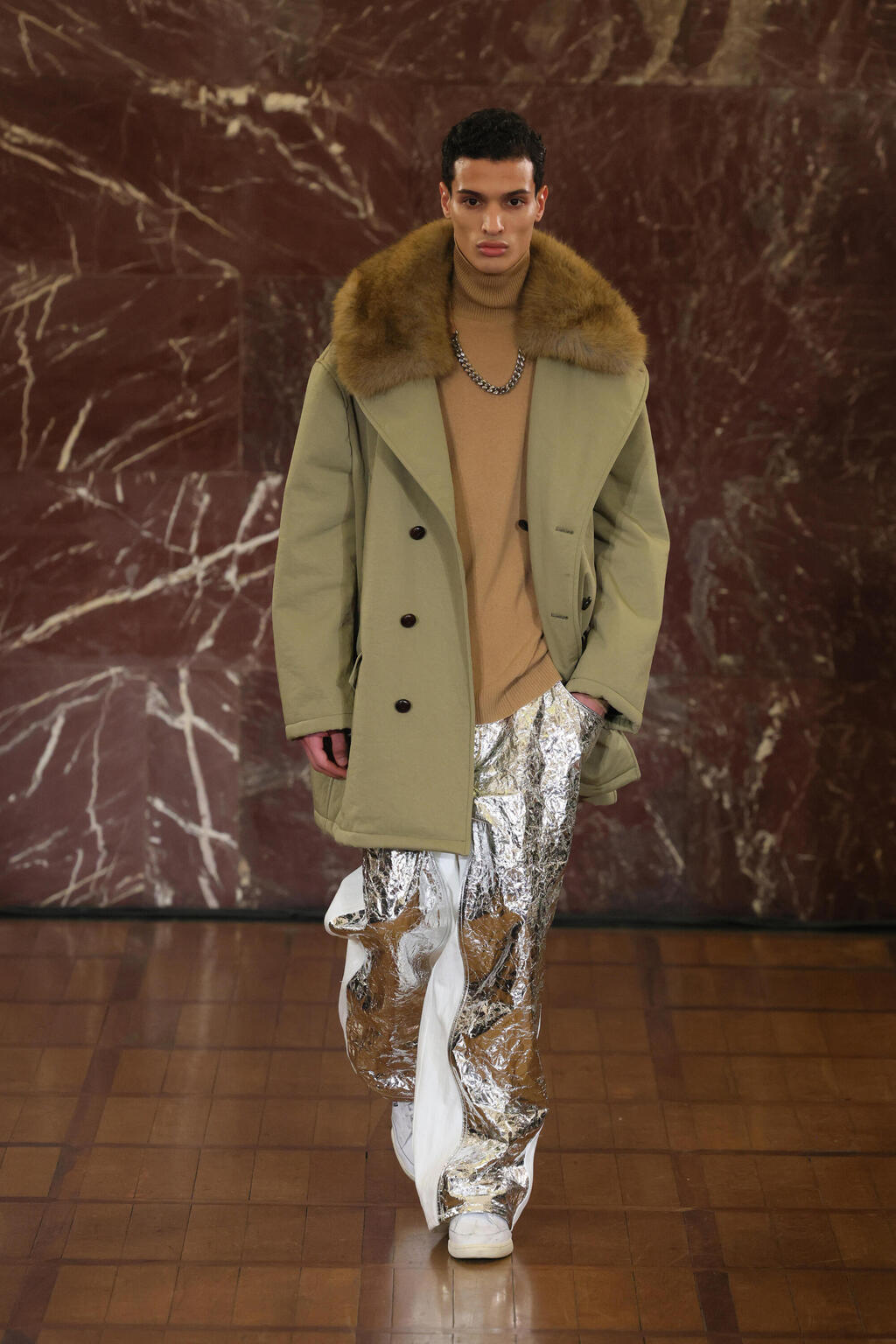
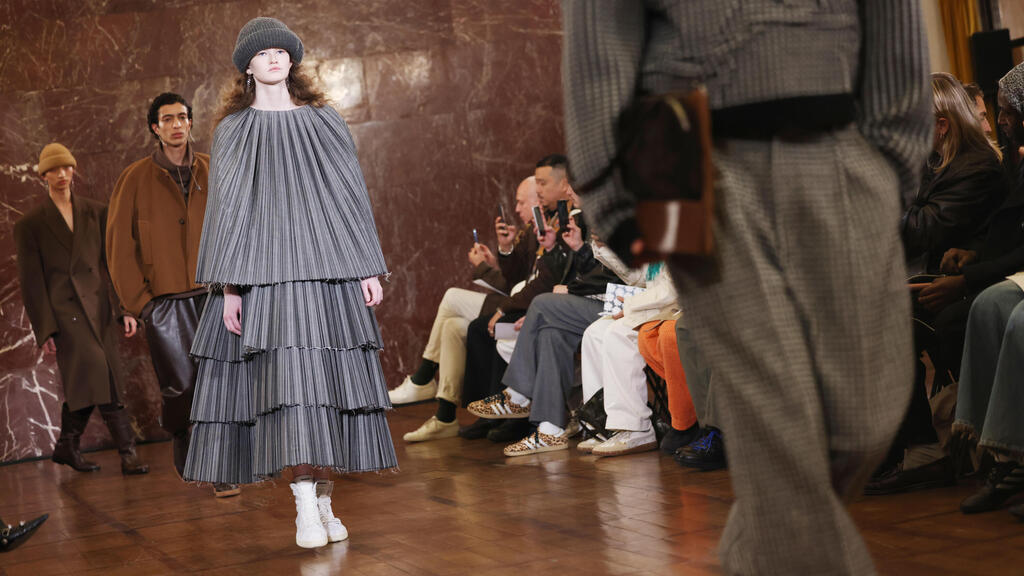
In the marble hall of the Palazzina Reale, Mayner presented a cohesive and sensual collection of garments for men and women. He demonstrated this through looks that paired a tartan-check dress with a rugged leather jacket, a chocolate-colored wool coat with a strong silhouette, and a light olive parka with a honey-toned fur collar worn with silver trousers.
(Photo: Vittorio Zunino Celotto/Getty Images)
The core of the collection consisted of tailored garments, some of which were deliberately distorted and broken apart, giving the clothes a sense of being both familiar and unfamiliar at the same time, such as a brown pantsuit that closed the show. Mayner created a jacket with sleeves that appear inverted, producing a different sense of movement in the body. Another example was a pale sweatshirt constructed to create the appearance of pleating at the hem. Mayner’s ongoing collaboration with Reebok was presented alongside a coveted accessories line that included modular bags and chains made from leather and metal straps.
(Photo: Stefania M. D'Alessandro/Getty Images)
(Photo: Stefania M. D'Alessandro/Getty Images)
This week’s show marked a strategic turning point for Mayner. The invitation from Pitti Uomo — a fair traditionally associated with classic Italian menswear tailoring — signaled the institution’s willingness to embrace voices that challenge its foundational principles. The architecture that served as the backdrop subtly echoed Mayner’s own aesthetic: While the rigid structure was designed to express order and control, Mayner’s garments disrupted that expectation, offering freedom of movement instead.
(Photo: Vittorio Zunino Celotto/Getty Images)
(Photo: Vittorio Zunino Celotto/Getty Images)
(Photo: Vittorio Zunino Celotto/Getty Images)