


Amid the ongoing crisis surrounding Israel's participation in next year's Eurovision Song Contest, unofficial proposals have been conveyed to Israeli representatives that include a temporary withdrawal from the competition or a performance under a neutral flag, sources told Ynet Global.
Eurovision’s governing body is expected to discuss whether Israel will be allowed to participate in the 2026 contest. The consultation will conclude by early December to allow members to confirm their participation by the middle of the month. The behind-the-scenes messages were not formal offers but were shared by sources associated with the song contest.
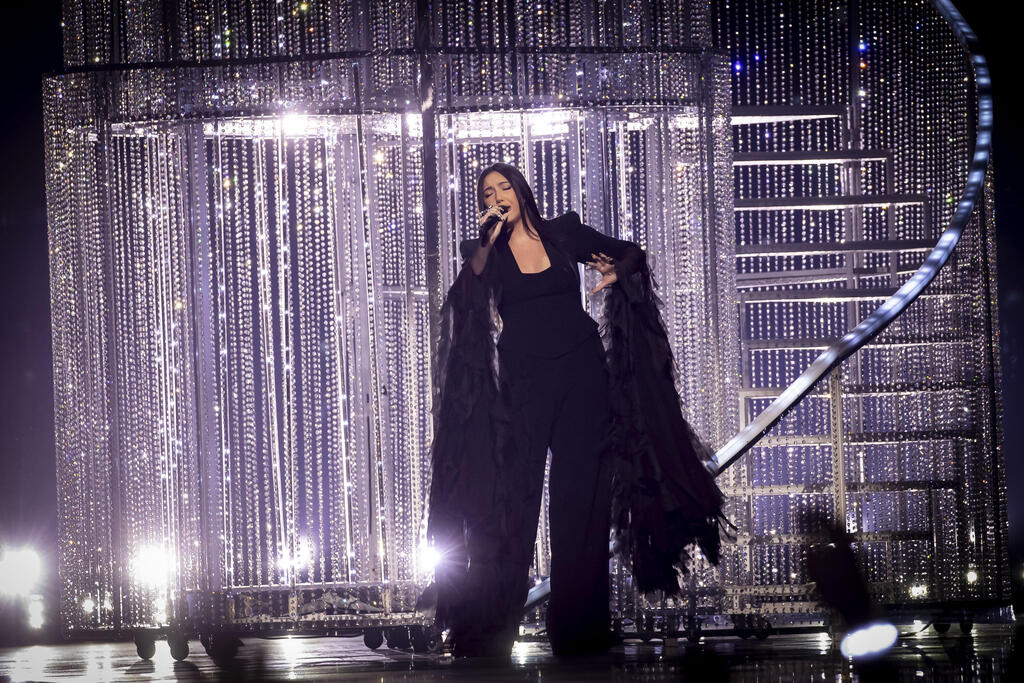
(Photo: Gil Nechushtan)
According to the report, those proposing the temporary withdrawal believe the move could spare Israel from what they described as a “humiliating disqualification” driven by mounting political pressure from several European countries. Performing under a neutral flag—such as that of Israel’s public broadcasting corporation—was also raised as an alternative. While the EBU has no issue with the broadcaster itself, critics have targeted Israeli government policy, particularly in relation to the ongoing war in Gaza.
The EBU said in response to the report that it "has not made any proposals to Kan regarding participation in next year’s Eurovision Song Contest. The consultation with the wider EBU membership is ongoing and no decisions will be made until the process concludes.”
Israeli officials are not expected to agree to either option. A one-year suspension is seen in Jerusalem as a potential precedent that could lead to a permanent exclusion. The idea of performing without the national flag is also considered unacceptable.
Another unofficial suggestion included a proposal for the Israeli Public Broadcasting Corporation to issue a public statement distancing itself from the policies of the Israeli government and the military. Advocates of this option argued it could sway sentiment ahead of the December vote. However, sources close to the broadcaster said such a declaration is extremely unlikely.
The Eurovision crisis has intensified in recent days following announcements by Ireland, Slovenia and the Netherlands that they would boycott the competition if Israel participates. The fear in Jerusalem is that these declarations could trigger a snowball effect, prompting more countries to follow suit in the lead-up to the vote.
Israeli authorities have kept a low profile and are avoiding public statements about the matter. Meanwhile, the EBU-appointed external monitor reviewing Israel’s participation has continued holding meetings with representatives from European countries in an effort to find a solution.
While the EBU has not explicitly confirmed that the December meeting will decide on Israel’s status in the contest, it has acknowledged that the discussion will address “the geopolitical situation and country participation.” The meeting is scheduled to take place in Geneva.