

There are very few bands that survived after their dominant lead singer chose to leave and strike out on his own. It’s also hard to find many groups that knew how to continue after losing their lead guitarist, about two years after the singer’s departure.
Genesis in 1976 is one of the rare exceptions - and perhaps the only one - that not only emerged unscathed from both crises (with two albums released that year - the excellent A Trick of the Tail, which came out in early February and is now marking its 50th anniversary, and the underrated Wind & Wuthering from late December), but also became a bigger commercial success despite losing 40 percent of its personnel.
In the second half of 1975, during work on A Trick of the Tail, the possibility of Genesis continuing as a functioning unit seemed increasingly unlikely. The long, exhausting sessions on their previous double album, The Lamb Lies Down on Broadway, had taken a heavy toll on the members and heightened tensions. Even the long promotional tour to boost the album’s sales did little to calm matters.
The Lamb Lies Down on Broadway is commonly seen as Gabriel’s farewell to the band, but there was another member who felt it might be time to move on. During its recording, guitarist Steve Hackett realized his role was diminishing, and in 1975 he became the first member to complete a solo album - Voyage of the Acolyte. That album can almost be seen as a lost Genesis fragment, given that some of the band’s members played on it. Phil Collins, then still the highly talented drummer sitting behind the kit and soon to become the band’s frontman, also started considering his next step, joining the excellent jazz-rock outfit Brand X.
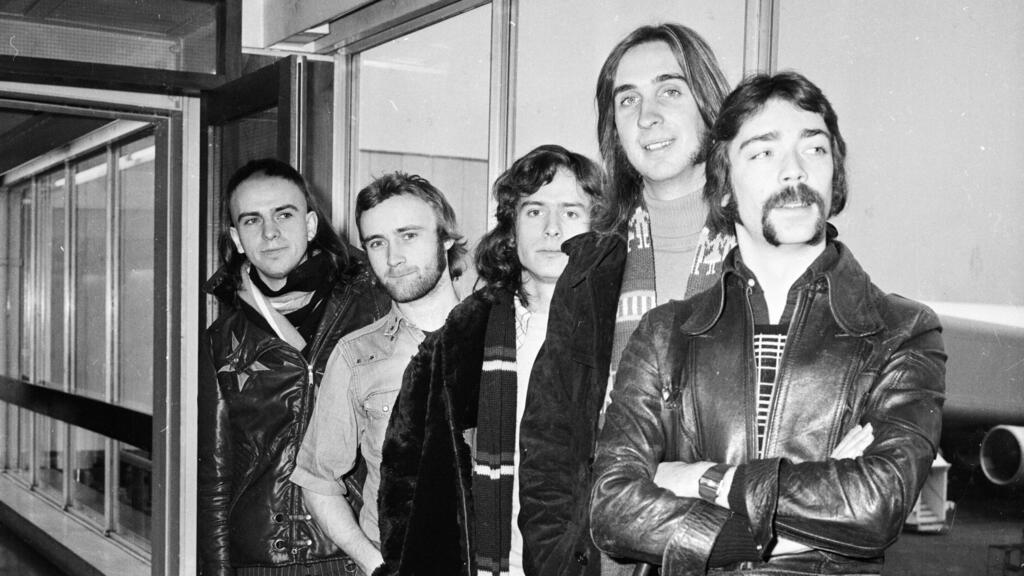
If the four remaining Genesis members - now also tasked with finding a new singer - clung to any hope during that year of crisis, they could at least take comfort in their shrinking debts. Another encouraging factor was the arrival of David Hentschel as the band’s producer. Hentschel’s contribution to the sound of A Trick of the Tail was immense. Even if the album isn’t always seen - unfairly so - as the masterpiece some Genesis fans expected, it was their most impressive studio work to that point, not just in how Hentschel handled Hackett’s guitar parts or Collins’ more prominent drumming. Whereas previous albums, even the "classic" Genesis records, suffered from inconsistent recording quality, Hentschel raised the bar for all participants. In interviews over the years, the band members agreed that working on it was relaxed and enjoyable overall.
By late 1975, after Gabriel had already left, the band had recorded all the music for their next album, but they were still searching for a singer. The idea of continuing as an instrumental-only group surfaced, but it was quickly abandoned, partly because someone still had to perform Gabriel’s vocal parts live. During auditions for Gabriel’s replacement, it was Collins who guided the candidates through the vocal sections. As the tests went on and the position remained open, the band began to realize that their best candidate to replace Gabriel might be their drummer after all.
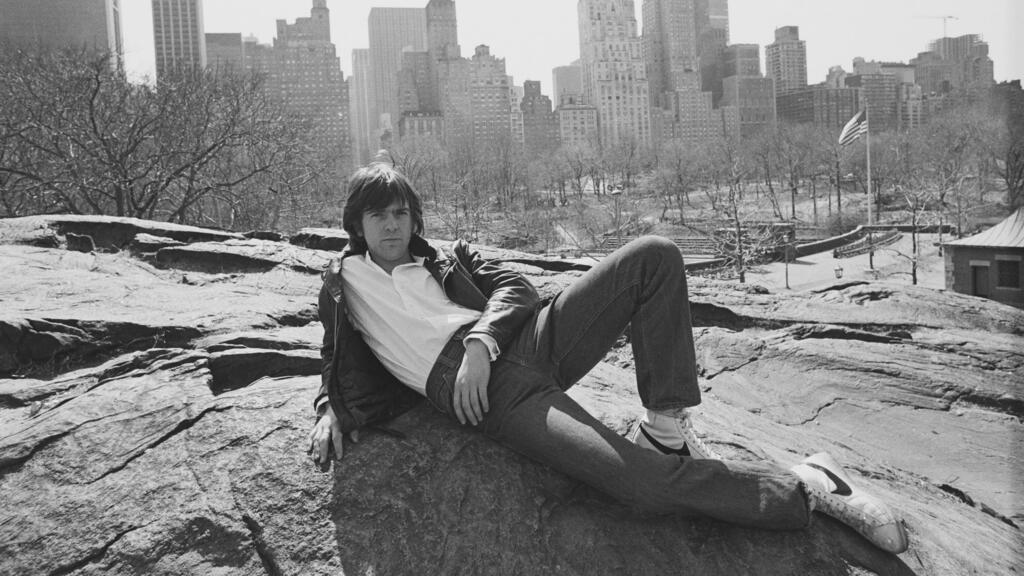
Went his own way. Peter Gabriel
(Photo: GettyimagesIL)
Gabriel’s departure also forced the quartet to make another adjustment: finding someone to take over the lyric-writing duties. Gabriel’s writing was surrealistic, and it was often hard to understand the poet’s true intentions. Meanwhile, Collins, who was becoming increasingly prominent in the band, proved he could write more communicative lines, contributing to Genesis’ success from A Trick of the Tail onward. Collins not only wrote differently from Gabriel (for example, the song Robbery, Assault and Battery opening side B of the album), he also recorded his vocals in the studio with his bandmates present, listened to their feedback, and even agreed to compromise.
The 51 minutes and 14 seconds of the eight songs on A Trick of the Tail showcase Genesis at one of their most elevated moments. Tony Banks, involved in writing all the album’s tracks, achieved a balance between relatively short songs like the opener Dance on a Volcano and more complex mini-suites like Entangled, emphasizing that Genesis’ classic prog elements were not forgotten. In Entangled, for instance, Banks took a section he had written in an unusual 6/8 asymmetrical meter and combined it with a segment Hackett had previously composed in the same irregular time signature.
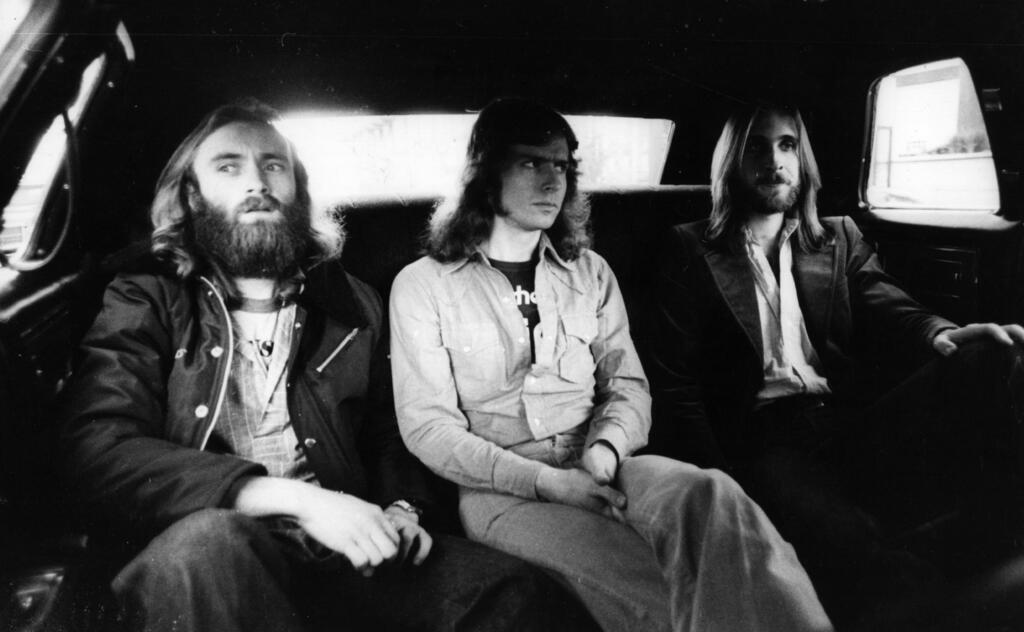
Who will take over lyric writing duties? Genesis, 1976
(Photo: Graham Wood/Evening Standard/Getty Images)
Banks’ highlights across the album also include the gorgeous Mad Man Moon, closing side one; Ripples, written with Mike Rutherford, which unfolds over eight minutes from a quiet ballad into a sweeping rock song; and Los Endos, the instrumental piece composed by the entire band. Closing the album, this track combines elements from all previous songs as a sort of full-circle finale - and, as its name suggests, it also became a fixture in the band’s live shows.
So while Collins is often seen as the central figure of Genesis in early 1976, the title really belonged to the keyboardist, Banks. After finishing the album, Genesis wanted to go on tour. While Collins had proven in the studio that he could handle both roles, on stage it was clear the challenge would be greater. Collins refused to give up drumming on the instrumental sections, but for the songs he sang, Bill Bruford, a top-tier drummer who had previously played with two other major progressive rock bands - Yes and King Crimson - was brought in. Bruford’s time with Genesis was short-lived, and later Chester Thompson took over as the touring drummer. Another unexpected sign that Genesis was handling the new format well came from Gabriel himself: after seeing the band perform in England, he told them they sounded excellent, though he stressed he would have done it differently.
After the summer 1976 tour, Genesis retreated to a small village in the Netherlands to work on their next album - and their last with Hackett - Wind & Wuthering, released later that year. Banks was again the main composer. Surprisingly, the album’s big hit, Your Own Special Way, which would mark the band’s turn toward a more pop-oriented direction, was written by bassist Rutherford, who would soon also become the band’s lead guitarist. Despite his new role, Rutherford’s playing skills were inferior to his predecessor, influencing the musical path Genesis would choose going forward.
Genesis survived Gabriel’s departure - and Hackett’s less than two years later. But after 1976, it was a completely different band. Even through the albums of the 1980s, and even on the excellent but underrated We Can’t Dance (1991), after which Collins also left, Genesis continued to produce complex tracks retaining their prog roots. Yet they also reached a wider audience with more communicative, pop-leaning songs, often accompanied by music videos broadcast frequently on MTV.
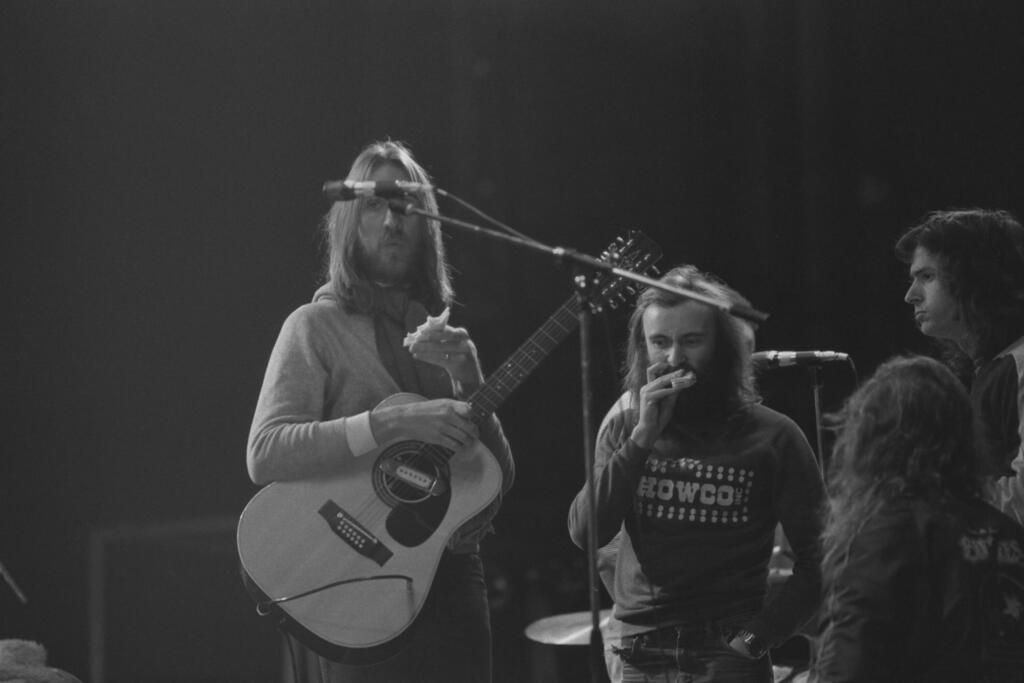
Survivors. Genesis, 1976
(Photo: Evening Standard/Hulton Archive/Getty Images)
More than any other prog band, Genesis weathered the crisis that hit the genre in the latter half of the 1970s. In hindsight, the changes Genesis underwent were gradual and natural, not the result of a sudden decision to chase trends. It’s doubtful they could have done it while keeping the old lineup and working methods that characterized their peak in the first half of the decade.
Listening afresh and objectively to A Trick of the Tail, it’s clear not only as the first album led vocally by Collins, but also as a remarkably strong prog record crafted and performed by a skilled group of musicians - one that has not always received the recognition it deserved. Now, 50 years later, it’s fair to say it deserves a place on any list of the five best Genesis albums, and not merely in fifth place.