

Elon Musk's long-awaited Tesla Roadster finally took flight Thursday night, driving upside down on a giant ramp before flipping through the air and landing safely. The spectacular demonstration took place at a SpaceX facility in McGregor, Texas, nearly nine years after Tesla first announced the electric supercar.
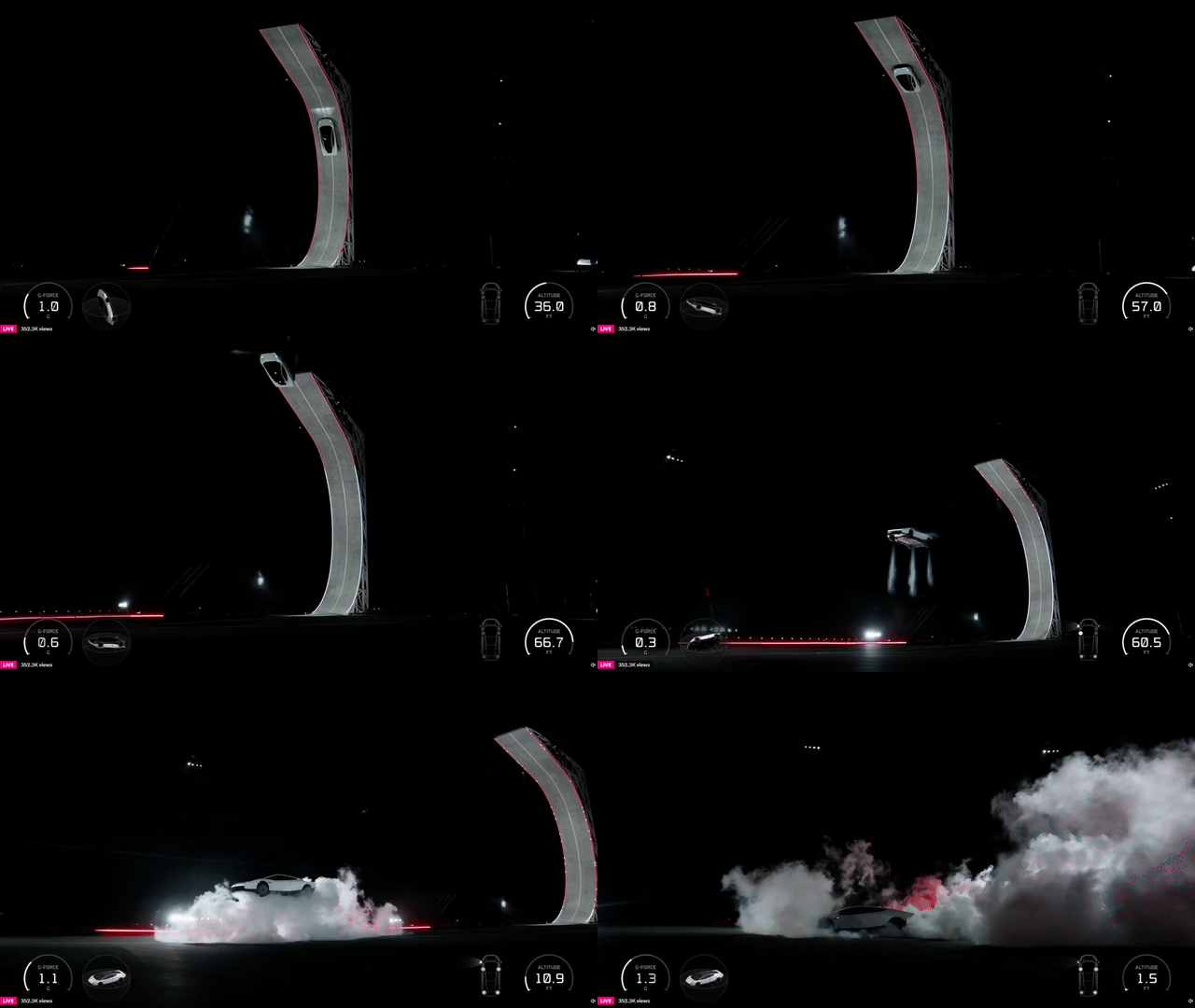
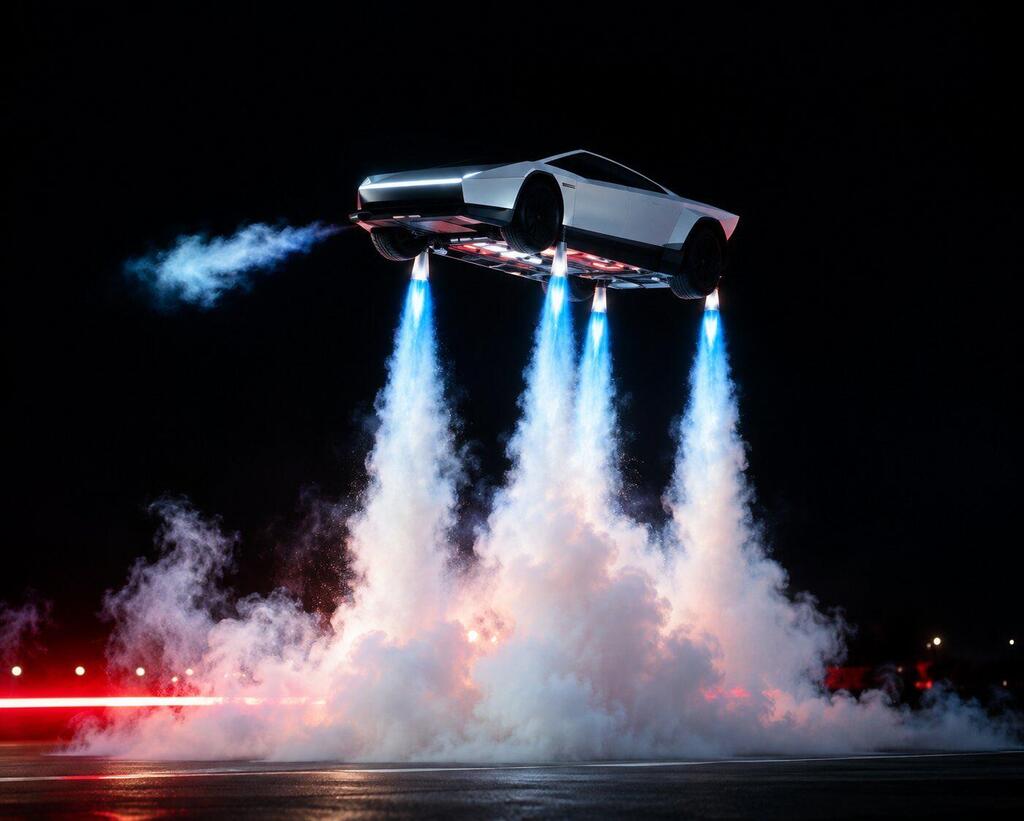
The event looked more like a Hollywood stunt show than a traditional car launch. The redesigned Roadster accelerated up a massive curved ramp, continued driving while upside down, then launched into the air. As it rotated, powerful bursts of compressed air helped control its movement before it landed back on its wheels.
"Well, it worked," Musk joked after the successful stunt, drawing cheers from the audience. "Flying cars are real," added Lars Moravy, Tesla's vice president of vehicle engineering.
The technology behind the demonstration was developed through a collaboration between Tesla and SpaceX, Musk's aerospace company. The Roadster uses high-pressure gas thrusters that release bursts of compressed air to generate thrust, allowing the vehicle to lift off the ground and adjust its position in midair. A separate fan-powered system helps create enough suction to keep the car attached to a surface even when upside down.
Tesla also showed a separate recorded acceleration test in which the Roadster reportedly went from zero to 60 mph (97 kilometers per hour) in just 0.81 seconds. The extraordinary figure has not yet been independently verified, but it would make the car one of the fastest-accelerating vehicles ever built.
The unveiling was a long time coming. Tesla first introduced its second-generation Roadster in November 2017, promising acceleration from zero to 60 mph in 1.9 seconds, a top speed exceeding 250 mph (402 kilometers per hour) and a driving range of up to 620 miles (998 kilometers). The company initially said deliveries would begin in 2020.
Tesla Roadster
(Photo: X)
Customers were invited to reserve the car with a $50,000 deposit, while a limited Founders Series required a $250,000 payment. But production was repeatedly postponed as Tesla focused on mass-market vehicles, the Cybertruck and, more recently, autonomous driving and robotics. Some reservation holders eventually requested refunds.
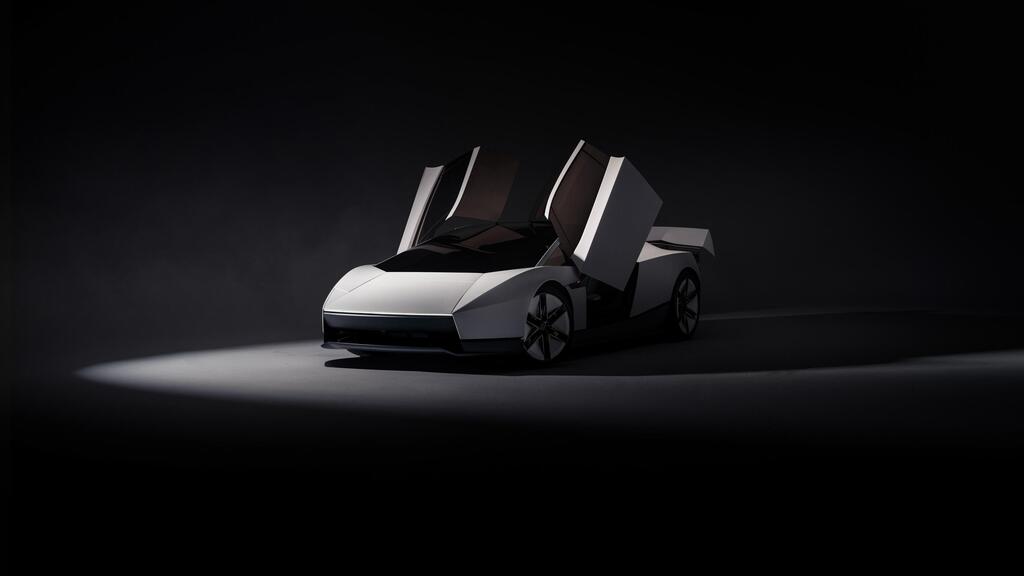
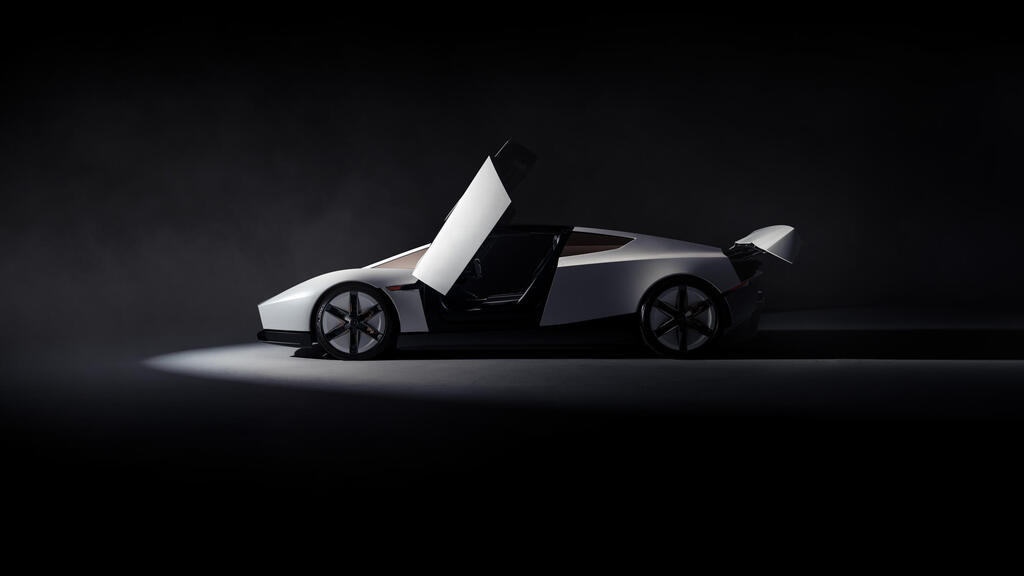
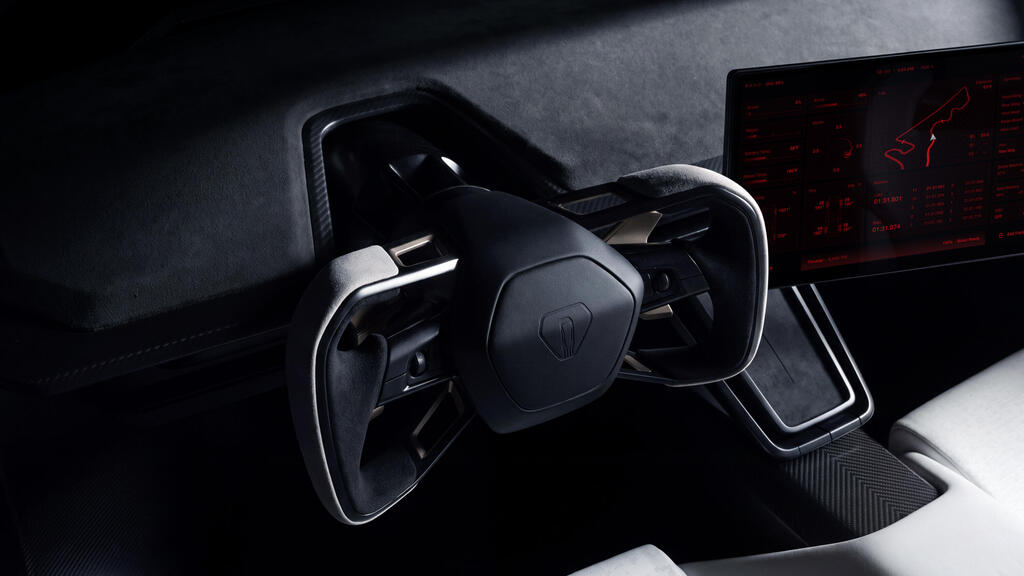
The car unveiled Thursday features a sharper, more futuristic design than the original 2017 prototype. Musk has described the Roadster as an engineering showcase rather than a product expected to generate substantial revenue, suggesting it could be one of Tesla's last vehicles designed primarily for human driving.
(Photo: X)
(Photo: X)
(Photo: X)
Despite the dramatic demonstration, major questions remain. Tesla did not announce a final price or detailed production specifications at the event. The vehicle is not expected to reach production before 2028, and it remains unclear whether its more extreme features could legally be used on public roads. Asked whether the Roadster was street legal, Musk joked: "Depends on your street."
The demonstration showed that Tesla can get its Roadster airborne and bring it safely back to the ground. Whether it can turn that achievement into a car customers can actually buy and drive remains the next challenge.