

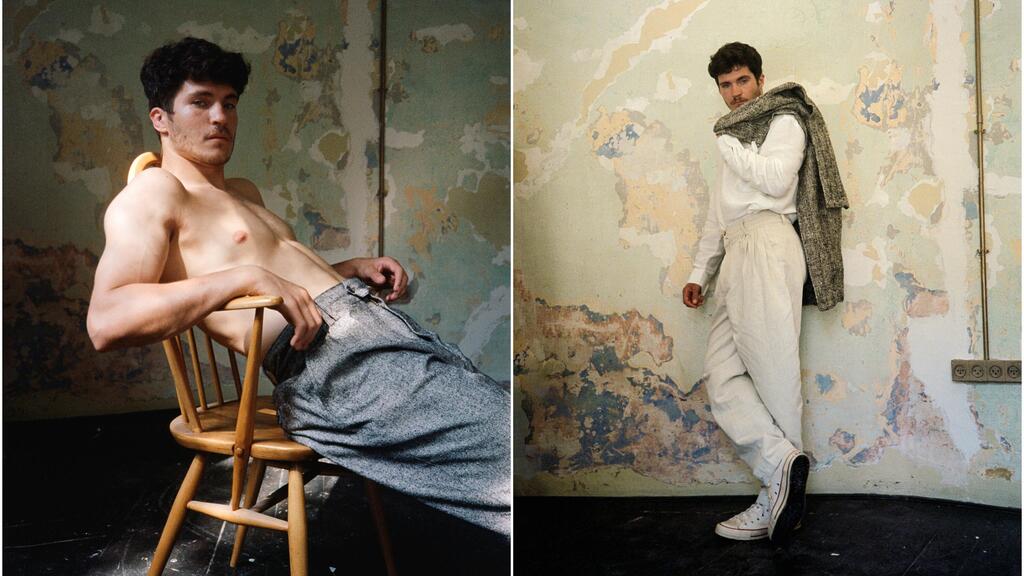
About two weeks ago, Israeli fashion house Maskit launched its first capsule collection for men in collaboration with fashion photographer Shai Franco. As you could tell the moment you walked into the event, Maskit was announcing a debut menswear line, yet quite a few famous women who attended adopted pieces from it. Dana Frieder arrived visibly pregnant in a tailored jacket with a raised eggplant-colored collar, the same jacket later worn in a different interpretation by actress Eliana Tidhar. Assaf Amdursky, Lee Biran, Ofer Hayoun and others modeled the collection for the audience it was designed for.
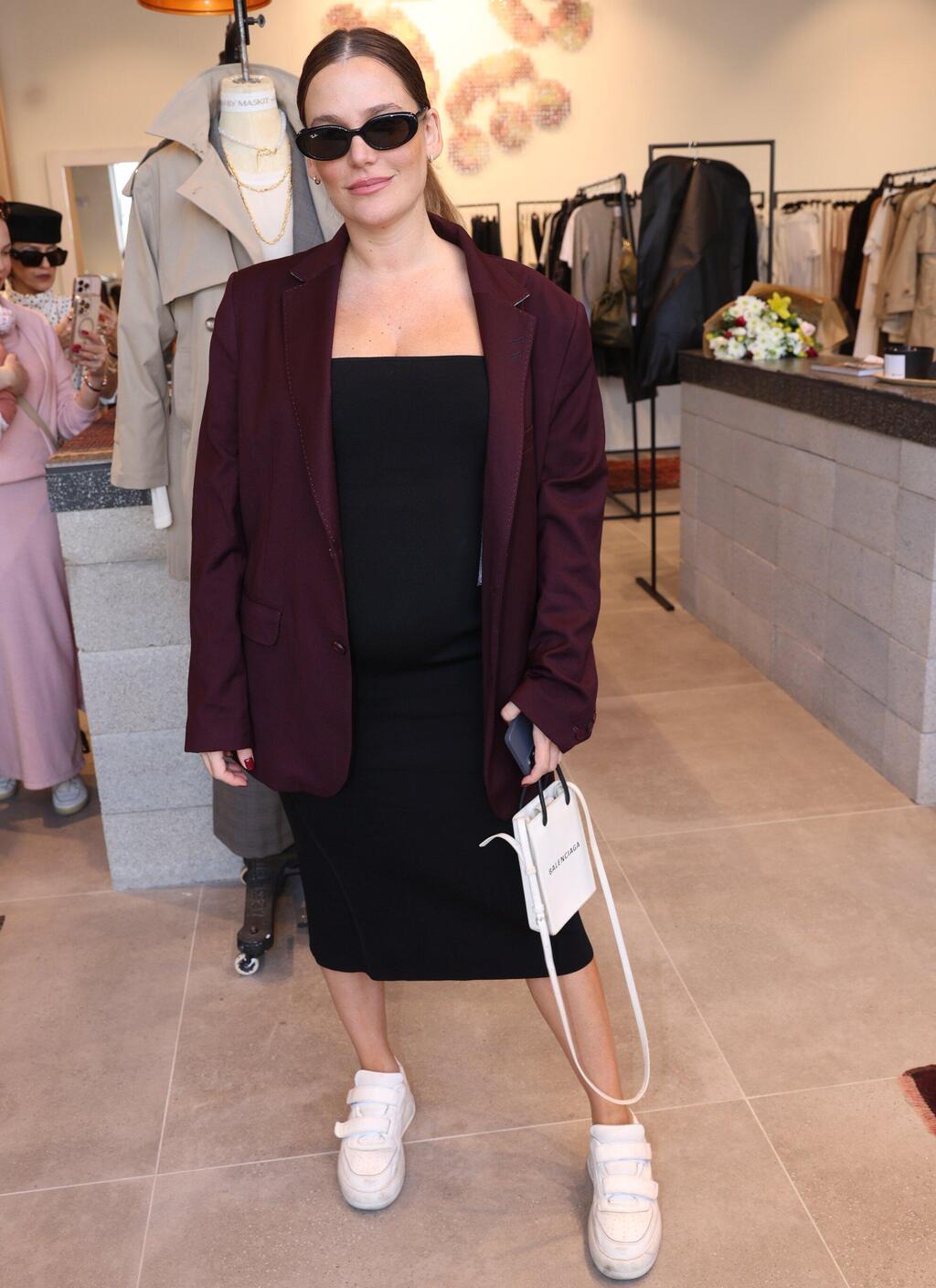
Dana Frieder at the launch of Maskit x Shai Franco’s collection
(Photo: Rafi Delouya
)
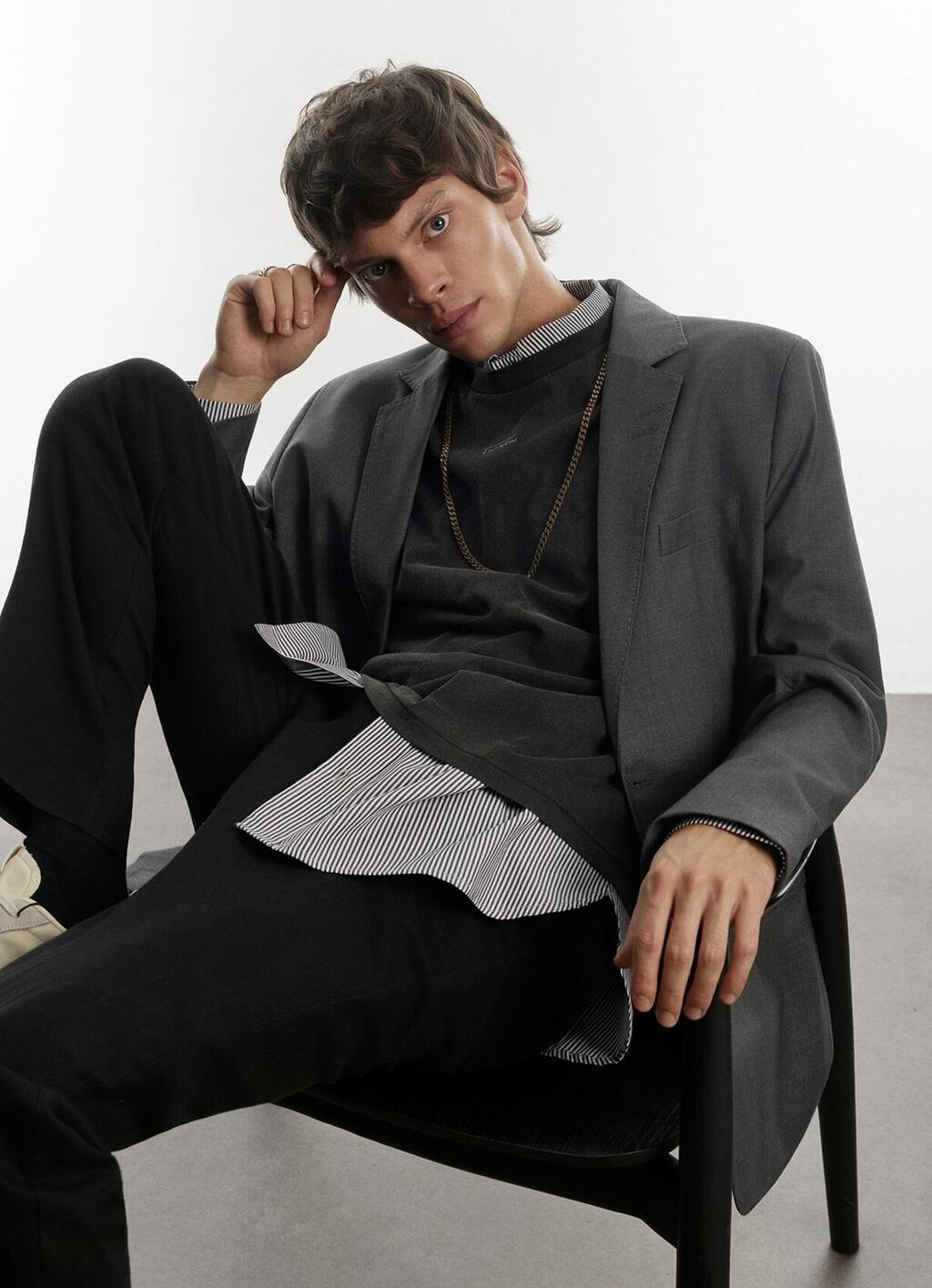
Maskit’s entry into menswear, and in their case also unisex fashion, is not happening in a vacuum. Over the past year, Israeli men’s fashion has seen a renaissance. In the past two weeks, for example, Israeli denim brand Under The Rock launched its first men’s collection, shot on actor Ori Pfeffer. SEBO, a fashion chain from the Mania Jeans group, expanded its store footprint across Israel. Designers Tali Kushnir and Yarden Hanuka for the brand JOR-D released strong men’s collections.
But reality needs to be faced. This article, like others before it that praised the development of Israeli menswear, will probably not stand up to that test. Over the past 25 years, the men’s arena has gone through rises and falls, waves that eventually crash and leave behind white foam. “There’s a feeling they’re trying to test the waters now because the women’s market is very crowded,” explains Yossi Katzav, a senior lecturer in the fashion department at Shenkar and a veteran, respected menswear designer. He was responsible for the big revolution in the market a quarter-century ago when he served as artistic director of Castro’s men’s line, then known as “Castro Man.”
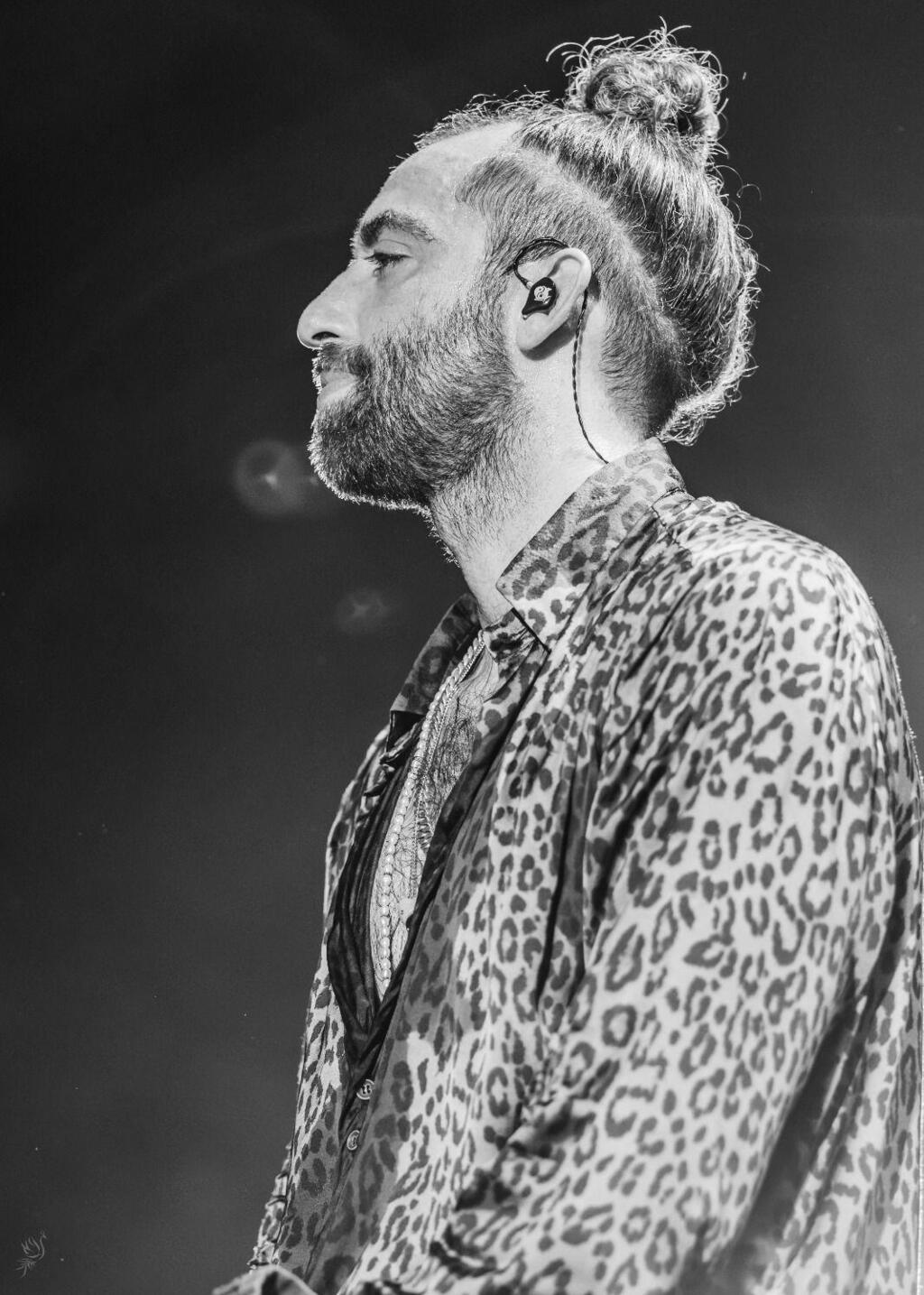
Tuna will model and design a collection for Renuar
(Photo: Ortal Lavie)
The current awakening can also be credited to a move recently announced by the Renuar chain. Popular musician Tuna (Itay Zvulun) is joining the brand’s roster of ambassadors and will also design a collection for Renuar in collaboration with stylist Dorin Atias, who has worked closely with him for the past three years. Even though he is not known as a dresser with an especially distinctive personal style, this recruitment will clearly strengthen the brand’s men’s line. It is also expected to shift the competitive landscape, with rival chains likely to respond by putting forward another desirable male figure. Either way, we will have to wait for the collection, and hope it does not end in generic offers like an oversized T-shirt and black pants.
How a fashion photographer dresses
Maskit’s first men’s collection was born out of a long professional and personal bond between brand designer Sharon Tal and photographer Shai Franco, who has led the house’s shoots for the last three years. Even before their acquaintance, it seems earlier generations planted the seeds of this collaboration. Franco’s grandmother, Sultana from Migdal HaEmek, was the housekeeper of Maskit founder Ruth Dayan in Nahalal.
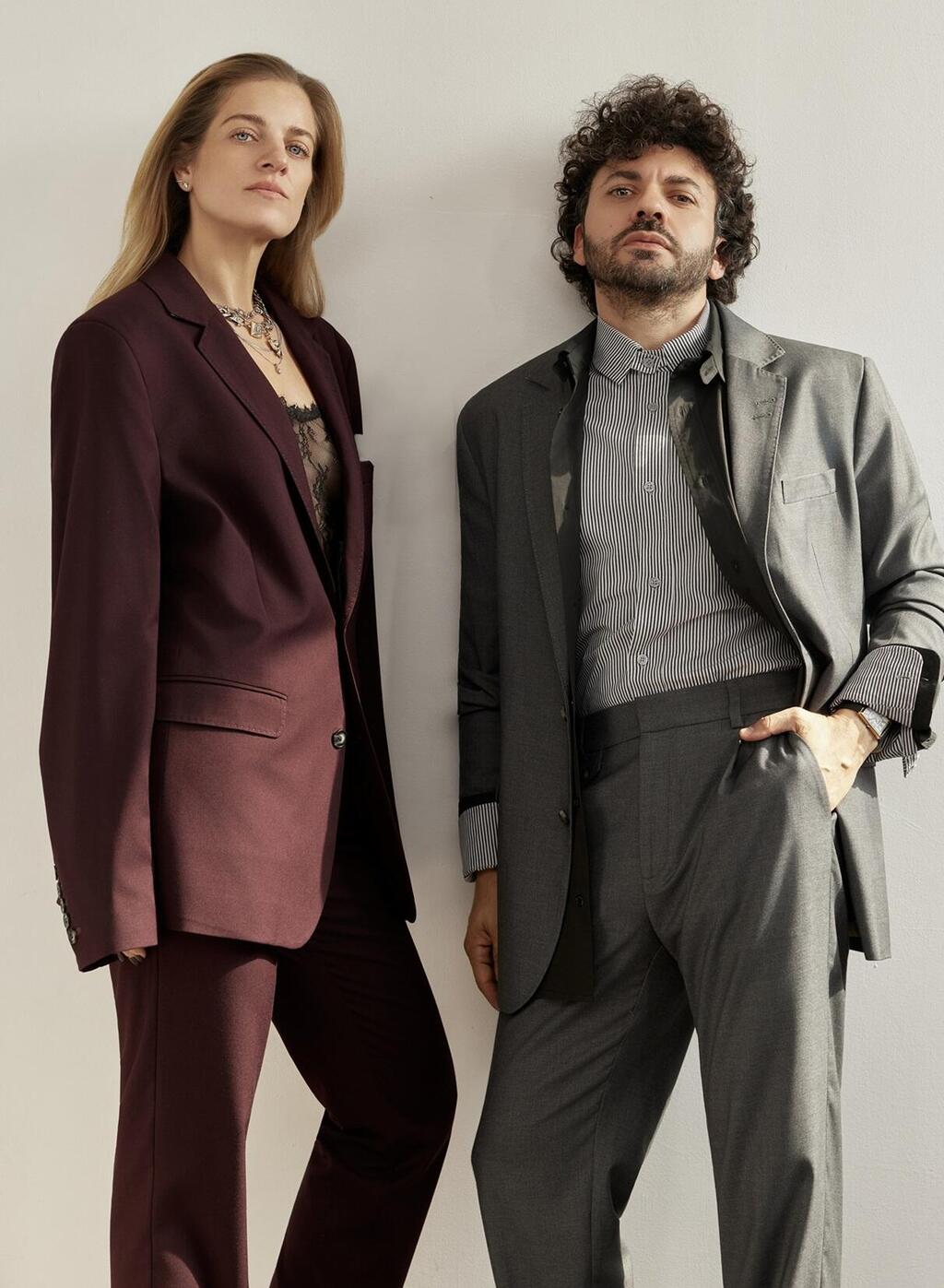
Maskit designer Sharon Tal and Shai Franco
(Photo: Shai Franco)
Choosing Franco, a well-known photographer whose personal style is familiar to only a few even within the fashion industry, is a bold step. “We shot a tailored look in one of our recent collections, a segment that’s developing and growing from season to season, and Shai said, ‘I’d love to wear that,’” Tal recalls about the moment the idea was born. “The connection between us interested me more than doing a capsule with another designer.” “Photography and designing a collection are two different things, but there’s still a connection between them,” Franco says. “As a fashion photographer, you need to know and feel how to work with fabrics and clothes.”
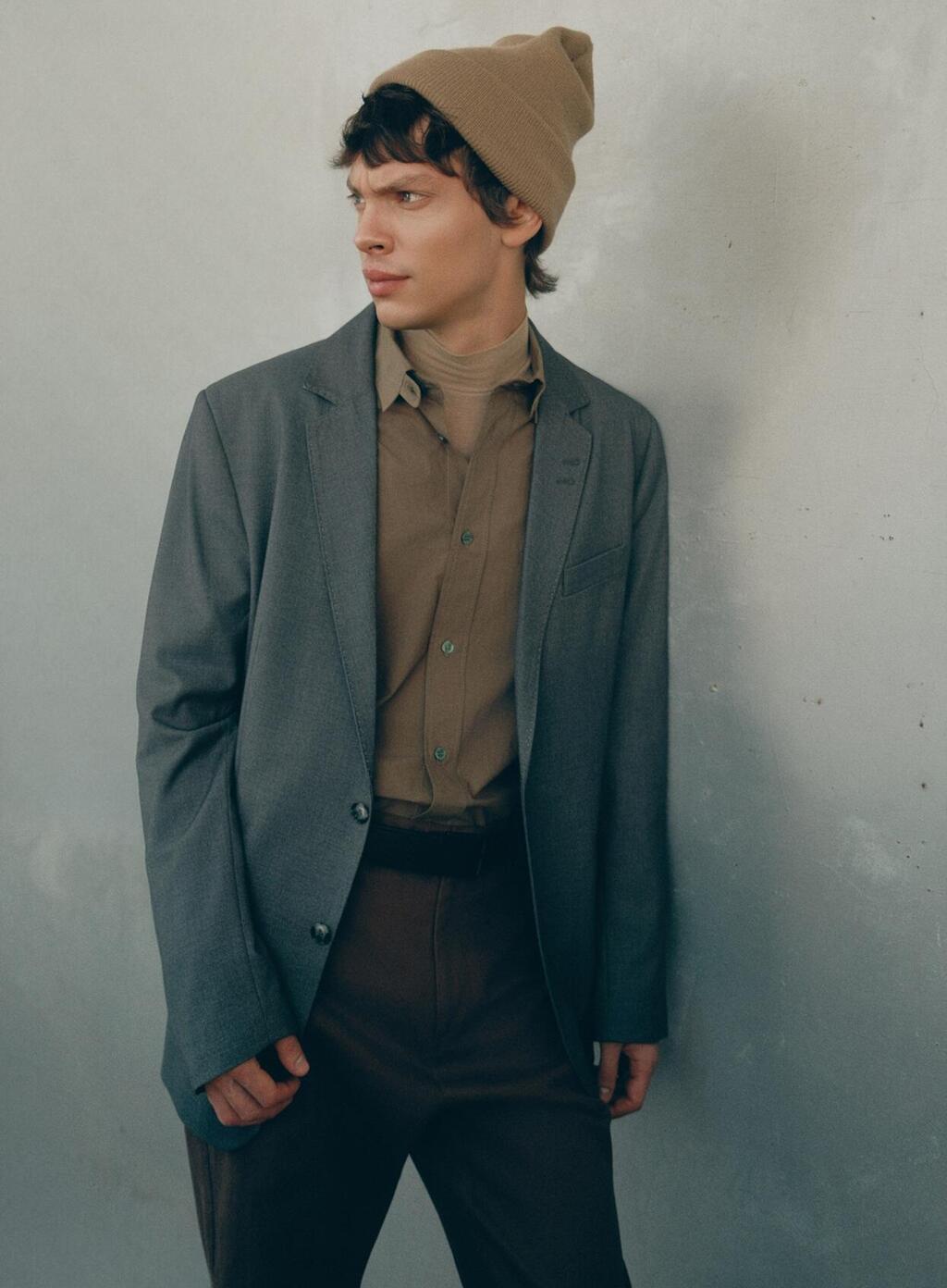
Maskit x Shai Franco, fall-winter 2025-26
(Photo: Shai Franco)
Franco adds that in recent years he has adopted a more polished style of dress, something also seen in photos he posts on Instagram. He recently modeled for the launch of COS Israel’s men’s line. Unlike some colleagues who guard their privacy, Franco enjoys the flashes. “They offered, and I said yes. Nothing here is planned,” he shares. “I learned in life that when something suits you, just say yes. You don’t know in advance what doors it will open. And in a way, I feel natural in this place.”
Tal and Franco created a cohesive collection of casualwear alongside tailored pieces, the kind that fits men looking for distinctive smart casual items. Every detail is thought through, like a silver feather print hidden in the lining of a bomber jacket called “Morris,” and a poetic floral print peeking out from a black hoodie sweatshirt called “Gregory.” On the racks you will also find a black trench coat, a gray vest, two tailored suits, one gray and one burgundy, and several T-shirts. The size range is fairly narrow compared with typical men’s brands, from S to L. Prices start at 399 shekels (about $123) for a printed T-shirt and go up to 1,790 shekels (about $555) for a coat. On Monday the items are still sold at 30 percent off, and starting Tuesday, at 15 percent off.
“I think the man we’re speaking to is the ‘new Israeli man,’ who wears tailored pants with a T-shirt and in the evening throws a jacket over it,” Tal says. “That overlaps in spirit with our women customers too, who look for clothes that go from day to night.” “That’s how I dress,” Franco adds. “For shoot days I come in a blazer, jeans and a pocket square. Lately I’ve adopted pocket squares as a fashion accessory and I’m enjoying it. Now I have a pocket square printed with one of my photos from the collection.” That is not the only appearance of his work in the line. Some labels feature abstract photographs starring Eden Fines and Nibar Madar.
‘Men who want a wider cut buy women’s styles’
A day before their launch, Under The Rock, the denim brand founded in 2017 by Tomer Guterman, unveiled its first men’s denim line. Over eight years, the brand has collaborated with designers and labels including Dorin Frankfort, Maskit, David Wexler, Un’Nanuko, Kate Spade and influencer Shelly Gross. The men’s line continues the aesthetic language and design values of the women’s line, emphasizing comfortable fabrics, relaxed silhouettes and elegant washes that are not too trend-driven. The decision to launch menswear started from Guterman’s own needs. He wanted to design jeans for himself and his friends. The collection includes five models, all straight or slim cuts in several elegant washes, priced 560 to 570 shekels, with names referencing cultural icons like Clint Eastwood and Bruce Lee.
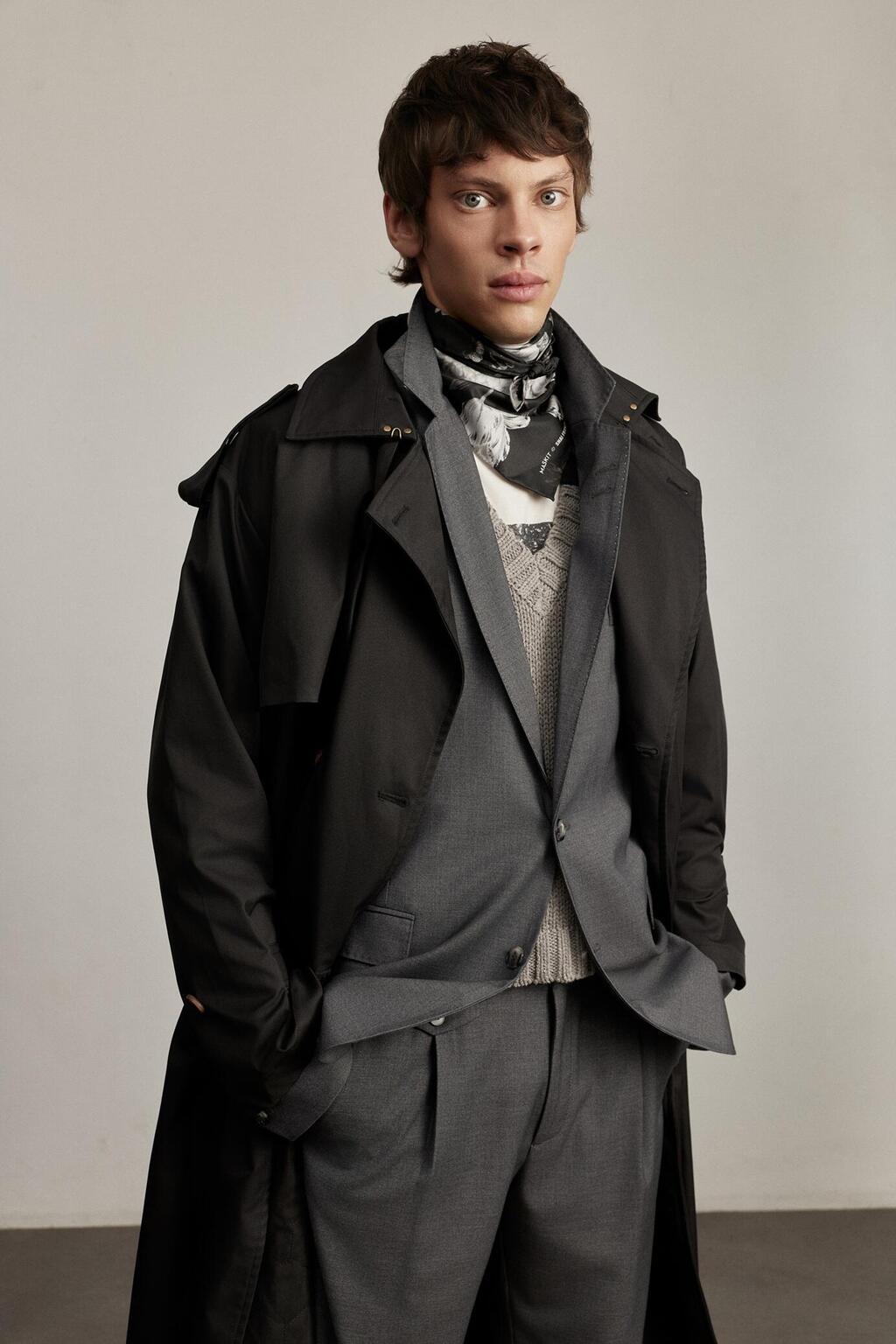
The size range is limited compared with most menswear brands, Maskit x Shaן Franco
(Photo: Shai Franco)
Alongside the jeans, the company created complementary items like jackets, T-shirts and belts. “By summer we’ll have 10 jeans styles,” he says. “We added a few complementary pieces because we understand most men won’t buy a lot of different jeans cuts like a woman customer who comes in and buys seven different fits. A man might buy one jean in a few colors.”
Who designed the collection?
“I did, even though I’m not a designer. I started from clothes in my closet and designed things I liked.”
Do you feel confident in your taste?
“I’m clear that I’m not a designer, and I don’t pretend to be. That’s why we have Alona Cohen here, who’s responsible for the women’s denim line. But I have broad knowledge and experience. I’ve handled about two million pairs of jeans in my life, so I’m not pretending to design a button-down shirt or other products.”
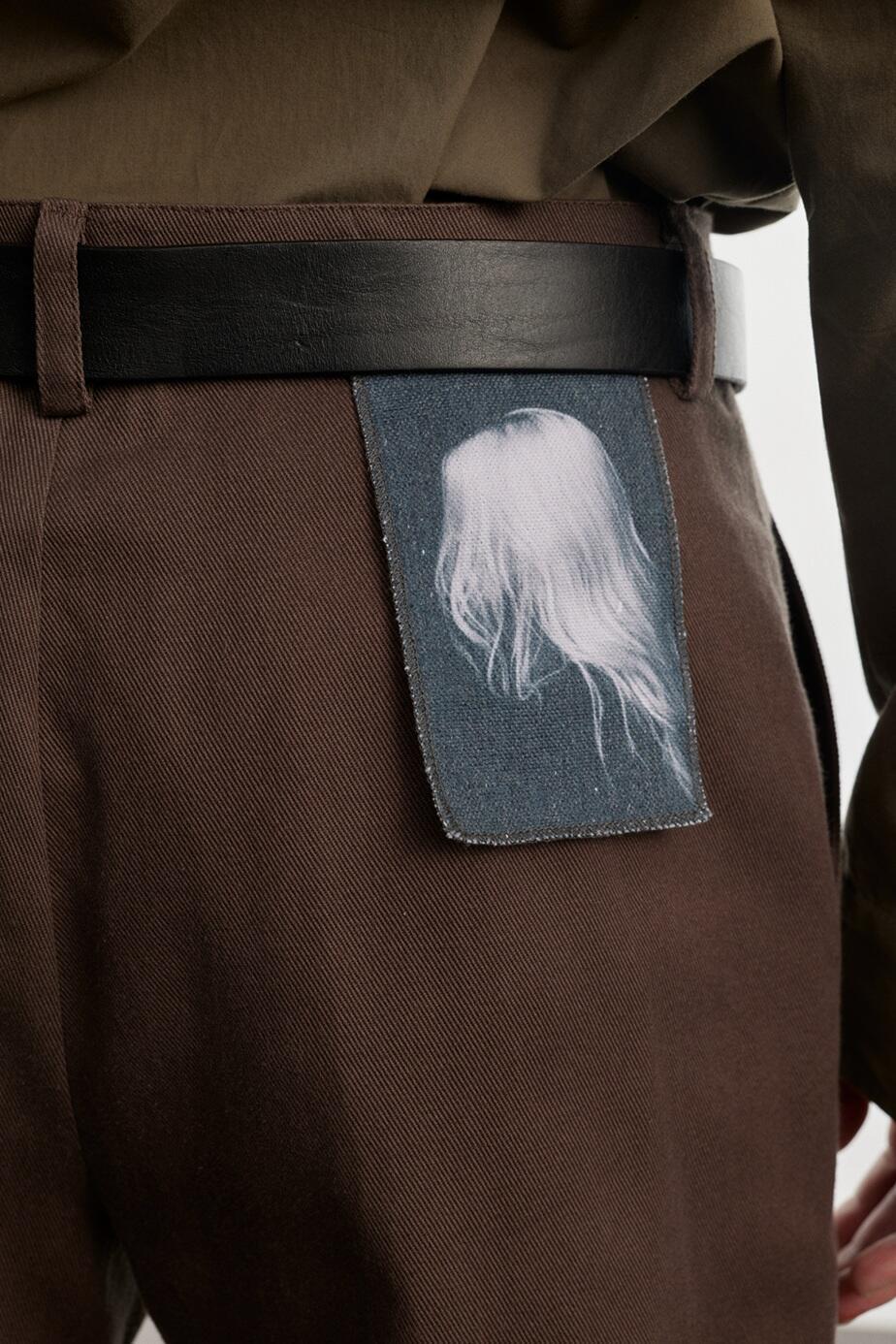
Every detail in the collection is carefully considered, Maskit x Shai Franco
(Photo: Shai Franco)
One of the biggest trends right now is wide-leg pants for men. You chose not to make those.
“In the end, our customer is a man 30 and up, and I don’t really picture him in wide-cut jeans. In the future we’ll have wider models, but for our first collection we chose classic fits, slim or straight legs. Men who come in and want a wider cut buy from the women’s styles. There’s not really much difference.”
The marketing move by Under The Rock is similar to Maskit’s. It is a way to probe male buying habits, while women benefit from it too. Tal points out that many women still buy clothes for their partners, so the selection is expected to expand the circle of shoppers.
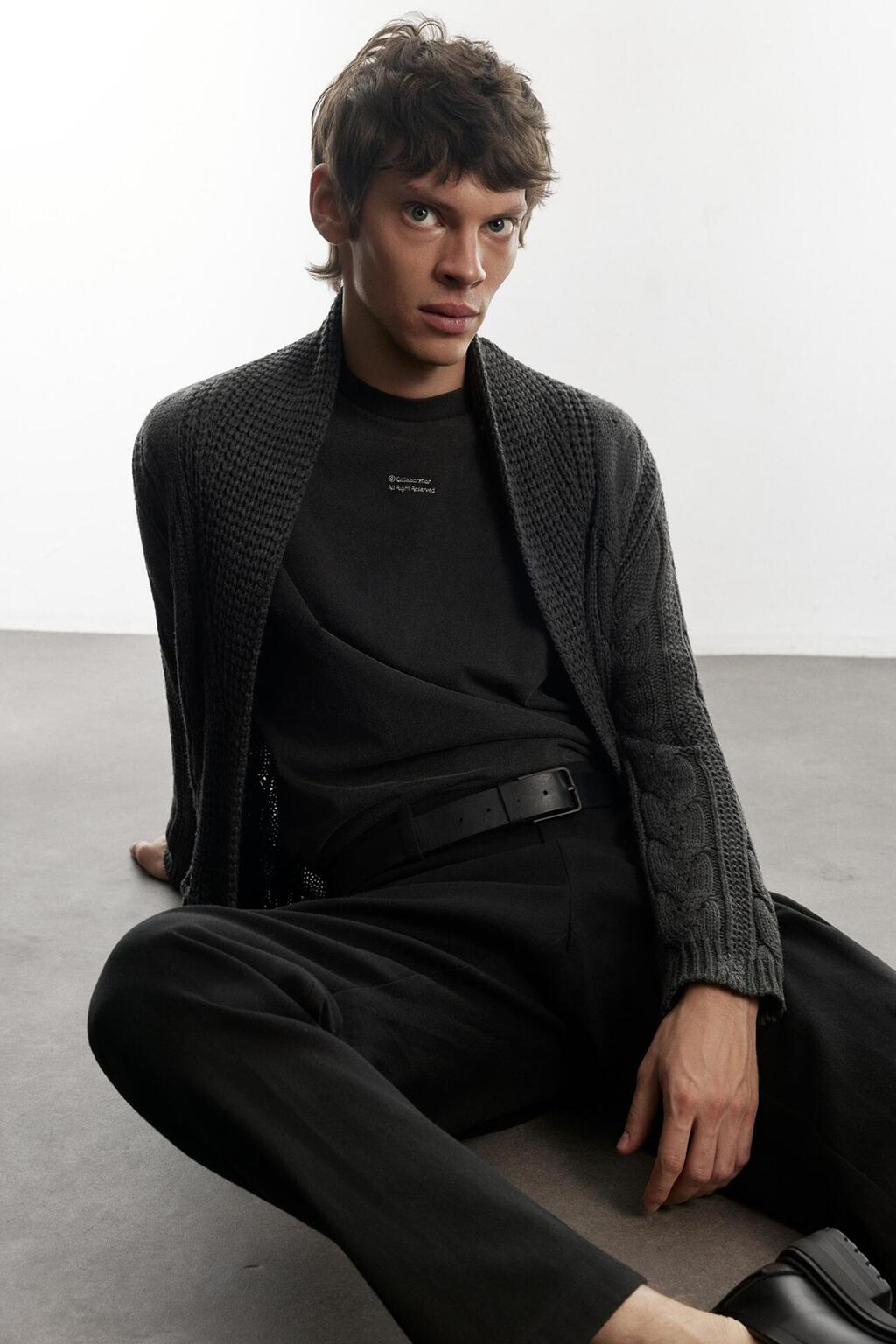
'For a man who wears tailored pants with a T-shirt and, at night, throws a jacket over it.' Maskit x Shai Franco.
(Photo: Shai Franco)
Today, men looking for casual or smart casual clothing mostly end up in chains like Renuar, Golf and Castro, alongside international retailers like Zara and COS, or in boutiques such as Story, Factory 54 and others. In the past, a boutique called Ossef by, run by Sahar Shalev on Yehuda Halevi Street in Tel Aviv, also operated, but it closed after a year.
Alongside these, a handful of menswear designers are active in Israel, among them Doron Ashkenazi, Eliran Nargassi, DARE by Tal Stern, and the veteran brand Novorish Dog by Maoz Dahan. Last week Dahan also launched his first shoe line. With the exception of Novorish Dog, most of these designers appeal mainly to men seeking groom outfits and formal workwear.
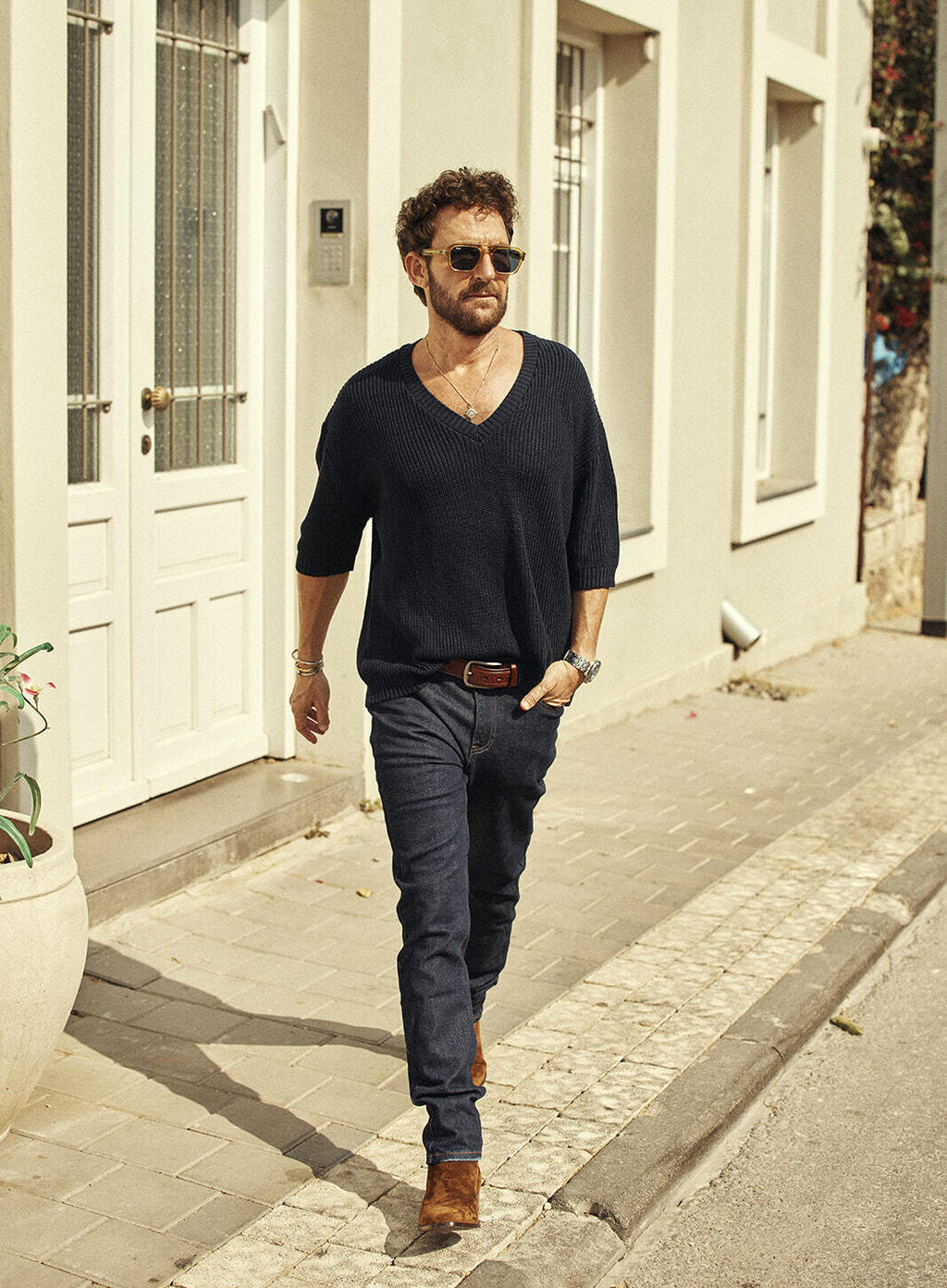
Most men probably won’t buy lots of different jeans styles the way female customers do.’ Under The Rock
(Photo: Shai Franco)
This month Tali Kushnir launched a poetic men’s collection, and Yarden Hanuka presented a streetwear capsule during fashion week that paired a diverse color palette with men’s Blundstone boots, given a glittering treatment. On Tuesday, the boots will be sold at the Big Fashion Glilot branch of We Shoes, with all proceeds donated to the Ziv Ne’urim association.
SEBO is a new and intriguing men’s brand from the Mania Jeans group. It launched quietly last year and now has nine stores nationwide and an outlet. Compared with Mania Jeans’ youthful language since its 2002 debut, SEBO targets a more mature audience looking for smart casual fashion in a monochrome palette and relaxed cuts. The brand declined to be interviewed or provide materials for this piece, and it is clear they keep a low profile. Even on its website and Instagram, models from the new collection do not appear.
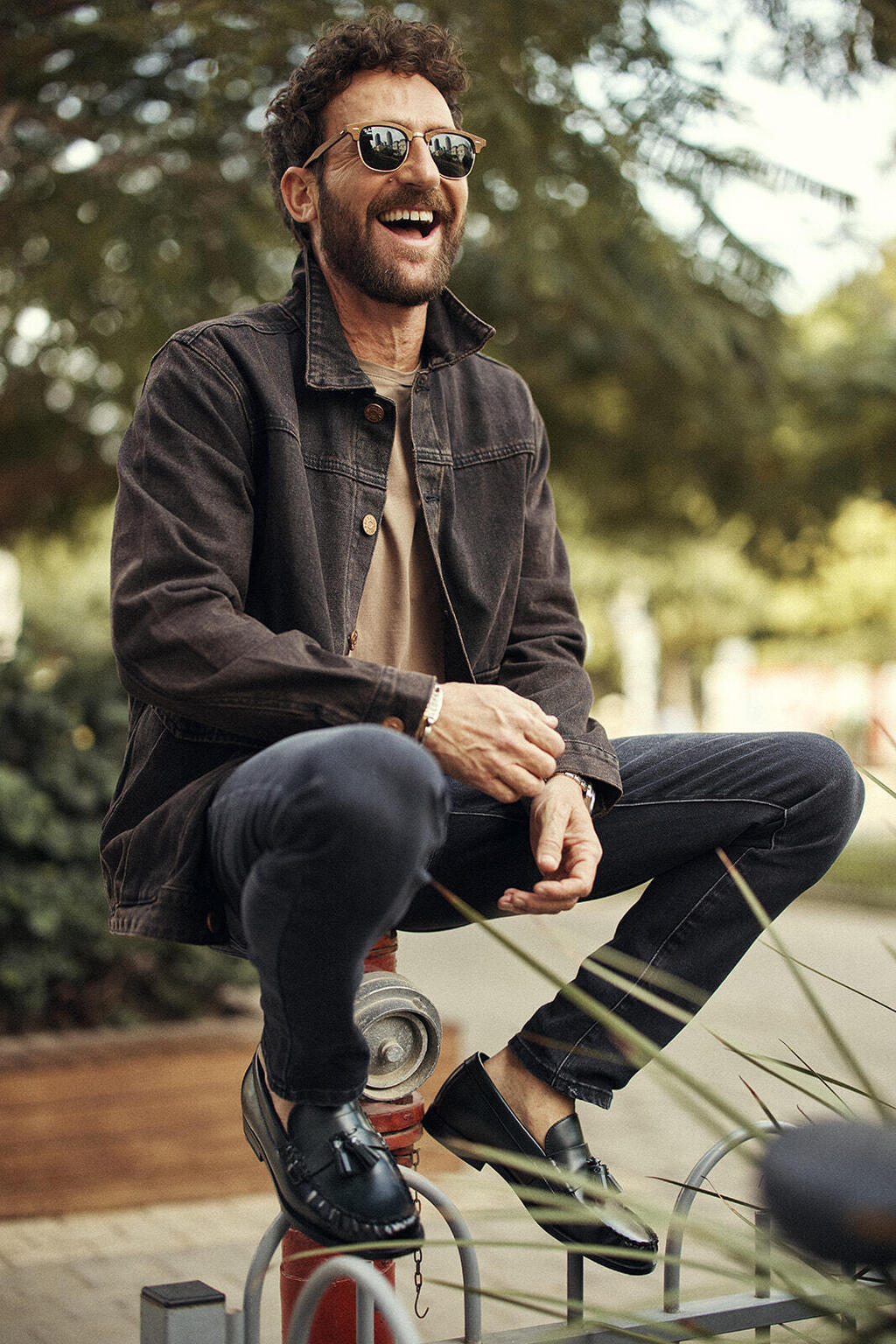
'Our customer is a man in his 30s and up, and I don’t really picture him in wide-cut jeans.' Under The Rock
(Photo: Shai Franco)
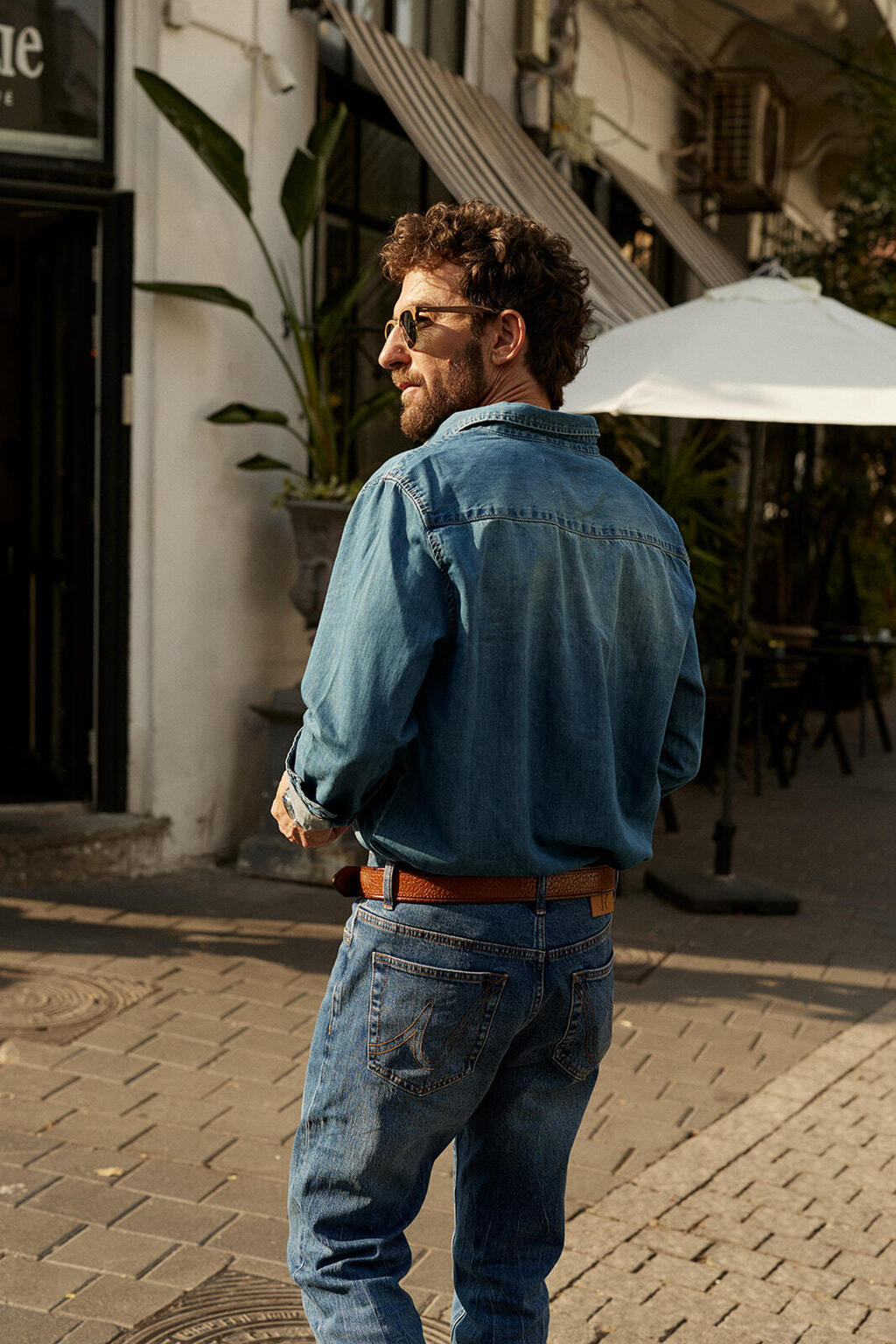
'I started with the clothes I already had in my closet and designed things I liked.' Under The Rock
(Photo: Shai Franco)
During visits to two branches, Big Fashion Glilot and Mamilla Jerusalem, we found convincing wardrobe builders on the racks, like trench coats, T-shirts in varying weights and cuts ranging from classic to oversized, straight-leg jeans and more. Example prices include a striped button-down for 300 shekels (about $92), T-shirts for 200 to 300 shekels (about $58 to $86), and cargo pants for 350 shekels (about $101). At the same time, the shopping experience in Mamilla felt alienating. No one greeted us, no one asked if we needed help, and even as we tried items on, the two salespeople looked bored.
‘Male customers are loyal, unlike women’
“Men’s fashion is a field with huge potential because the male customer is loyal, unlike the female customer,” Katzav says. “It answers a man’s need to buy something he already knows and trusts. Even when he goes to a supermarket, he always buys the same cottage cheese and milk, while women try new products on the shelf. Men buy out of need, something that suits them. Women buy more emotionally.”
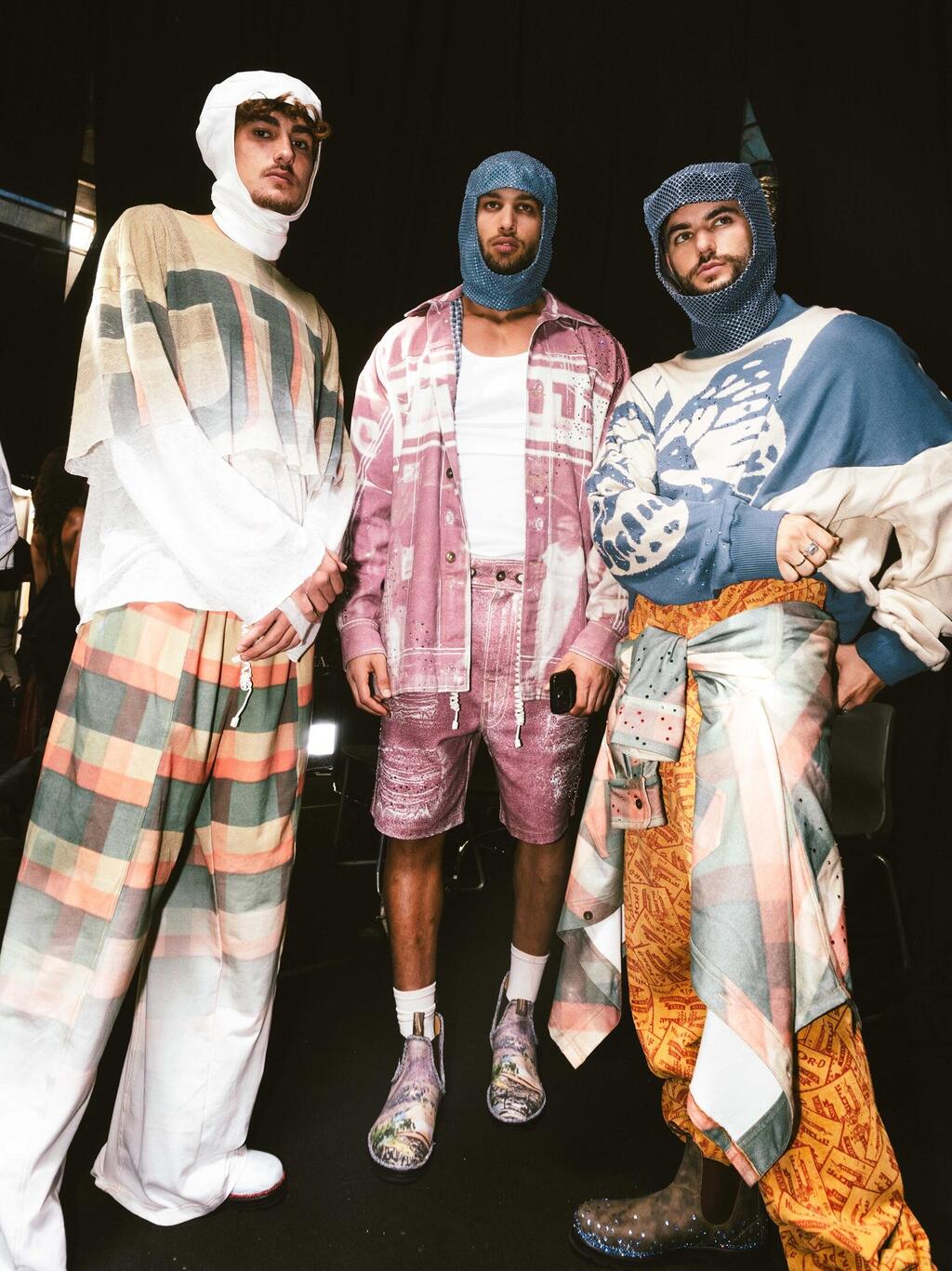
Yarden Hanuka’s runway show for JOR-D at Tel Aviv Fashion Week
(Photo: Danielle Sinai)
As someone who designed for Castro, Fox and also founded the menswear label Sketch, Katzav takes a sober view of the local market. In his view, Israeli customers are open to trends and fashion innovation. Over the past 25 years, since dedicated men’s lines opened in Israeli chains, alongside imports, easier air travel that lowered ticket prices and increased travel frequency, and the rise of online shopping, Israeli men have become more sophisticated and informed.
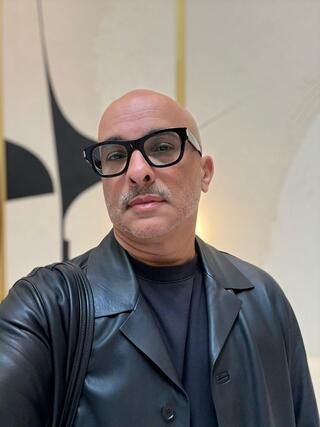 Yossi Katzav
“Israeli fashion companies face a much bigger challenge, both because prices here are higher and because they have to compete with foreign brands,” he adds. “On the other hand, they know the local audience, understand body shapes, and know what Israelis like. Israelis want to be special, but in the end they wear only black or gray, maybe a bit of blue,” he laughs. “When you travel around the world, you see personal taste really stands out. Here we dress like a herd. Everyone dresses the same.”
Is there enough audience for men’s fashion in Israel?
“Absolutely. I remember when we set up ‘Castro Man’ in the early 2000s, people said there was no market for men’s clothes and the Israeli customer was conservative. It turned out to be complete nonsense. Castro Man succeeded because there was nothing like it here. Since then menswear companies popped up like mushrooms after the rain, and foreign brands landed here because they understood the potential in this category. Today, I recommend that anyone who wants to open a men’s brand bring an interesting message. If you want to do basic, I don’t think you’ll succeed, because there are many companies competing for the same slot. Everyone goes for the safe place, but you can’t be afraid to make real fashion. In the end, that’s the strength you bring as a designer and as a brand.”
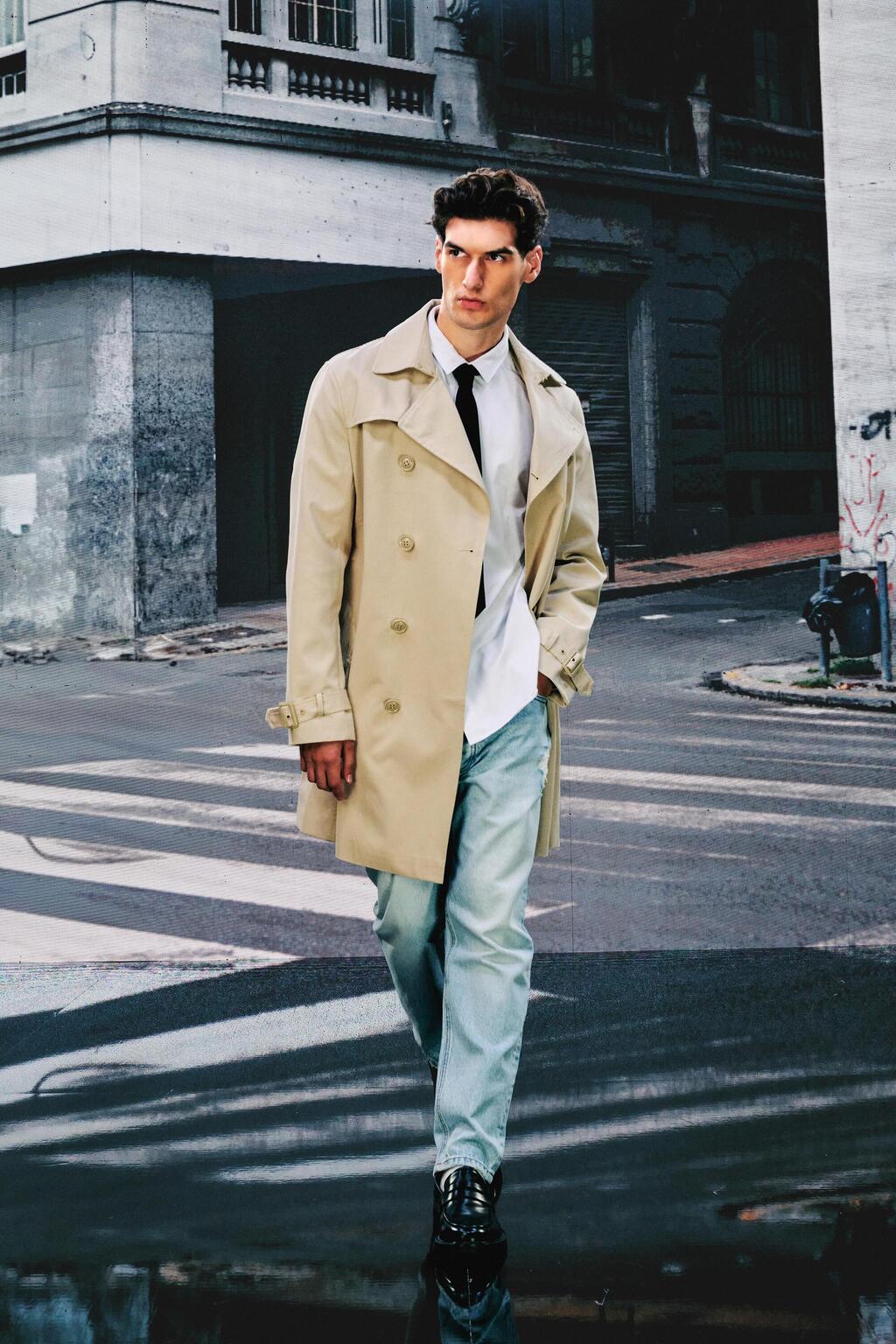
A monochrome color palette and relaxed silhouettes. SEBO, fall-winter 2024-25 collection
(Photo: Shalev Ariel)