

There is no need to attribute superpowers to Donald Trump. No American president, not even a narcissist in White House mode, can shake a public broadcaster in another country and continent and trigger the resignation of its director general and head of news.
The BBC misled the public about Trump. It deceived viewers who had always regarded it as a reliable source of news: if it aired on the BBC, it happened, and the facts had already been verified. In the week before last year’s U.S. presidential election, the network’s “Panorama” program broadcast a documentary titled “Donald Trump: A Second Chance?” The film included clips from Trump’s Jan. 6, 2021, speech to supporters and led viewers to believe the president encouraged them to storm the Capitol, said he would march with them “to fight like hell,” and warmly embraced the violence that followed.
Gallery
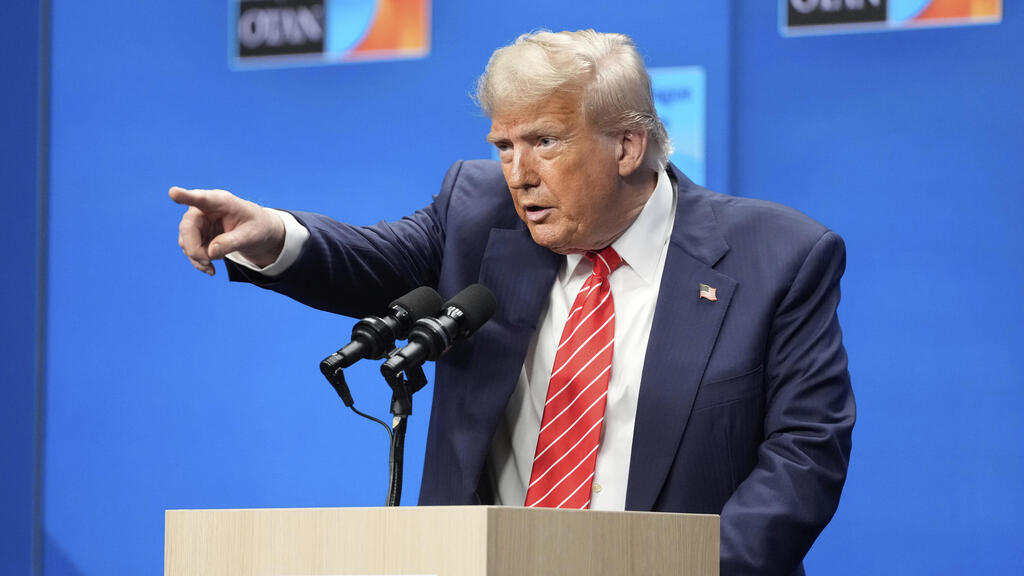
The network aired edited clips of President Donald Trump’s speech
(Photo: Markus Schreiber/ AP)
But it has now emerged that the filmmakers omitted a critical part of Trump’s remarks, the section in which he urged his supporters to “peacefully and patriotically make your voices heard.” Other parts were edited with a clear agenda. For example, instead of airing “We are going to walk down to the Capitol and we are going to cheer on our brave senators,” the network broadcast, “We are going to walk down to the Capitol... and I will be with you, and we will fight, we will fight like hell,” stitching together fragments spoken 50 minutes apart.
Once a reliable source of news. The BBC
(Photo: Leon Neal/Getty Images)
Trump, predictably, threatened to sue the network for billions, and an earthquake followed inside the BBC. But the Trump episode was only the final straw. In recent years, the network has repeatedly eroded its own reliability, perhaps the most valuable currency in journalism. It happened during the war in Gaza, where the BBC was caught distorting coverage and embedding a clear anti-Israel line. It happened in one-sided coverage of transgender issues, climate policy, immigration, and the rise of the far right in Britain. The problem was not that the BBC took a side and filled its ranks with progressive voices. The problem was that it bent the truth to fit the agenda it had chosen. In other words, it stopped delivering neutral news and began shaping a worldview. A commercial channel might do that. A public broadcaster meant to represent all citizens of the United Kingdom cannot.
To claim the BBC was a victim of the power struggle between progressives and conservatives would miss the point. Conservatives had to do very little in this battle. The scale of bias, accompanied by blatant inaccuracies, shows that the damage was largely self-inflicted.
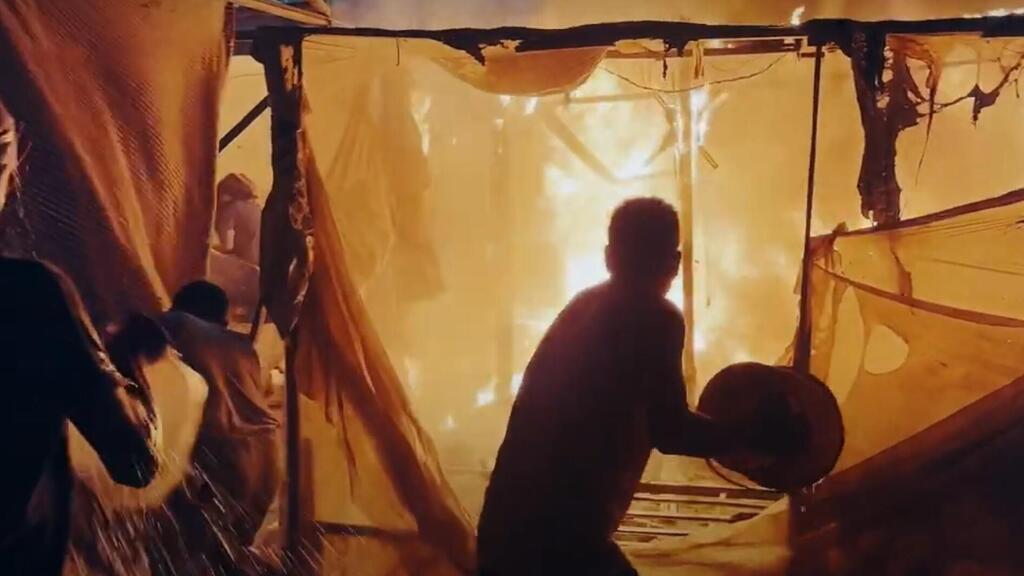
A clear anti-Israel line. From "Gaza: How to Survive a War Zone."
(Photo: Youtube)
The agenda mattered more than the truth
To many, the BBC has become an anachronistic institution. It still produces excellent content, but it is a dinosaur. The digital revolution hit it hard in two ways. In 2027, the license-fee model that requires British citizens to pay 174.50 pounds a year for public broadcasting is set to expire. In an era of Netflix and Spotify, the arrangement no longer seems sustainable.
The second blow was even more severe. The BBC was not only a news channel. It set the global standard for credibility. Social networks, packed with their own political agendas and eager to challenge the BBC’s line, waited for any slip. Twenty years ago, no one could shake the BBC. Today, anyone with a social media account can try.
Mistakes happen. But such a long series of errors, errors that made clear there was a serious problem in the network’s editorial process, indicates something deliberate. The network continued to act with arrogance, forgetting that it could be scrutinized.
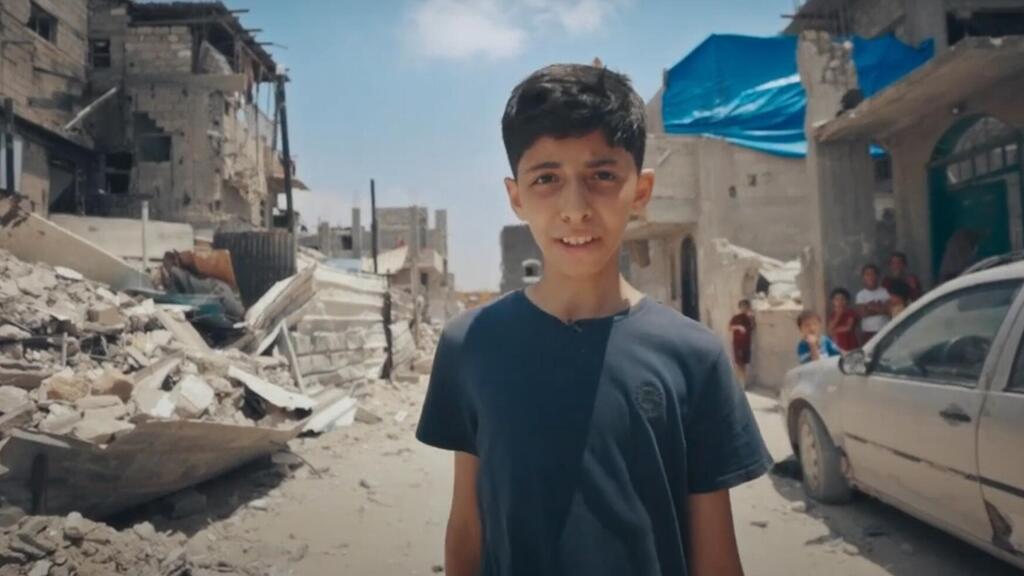
From "Gaza: How to Survive a War Zone."
(Photo: Youtube)
Take “Gaza: How to Survive a War Zone,” a documentary about life in Gaza during the conflict, which the BBC promoted heavily until it was revealed that its central narrator, a 13-year-old boy, was the son of a Hamas operative. The BBC had to pull the film. A basic fact-check that would have taken minutes could have prevented the embarrassment. As with the Trump documentary, the agenda mattered more to the network’s leadership than the truth. It takes a remarkable level of arrogance to produce, promote, distribute, and air such content while assuming no one will uncover the distortion in the age of social media. When executives removed the film, they said they had “lost confidence in it.” The damage to Israel, however, was already done, fueling already heated pro-Palestinian and antisemitic sentiment on British streets.
A celebration for conservatives
The BBC is considered a conservative institution. The torrent of criticism in recent days, which includes accusations from the White House that it is a propaganda channel broadcasting fake news “100 percent of the time,” is a label that sticks. Trump and Israel, only two examples, gave the network many legitimate reasons to criticize them. But reality did not seem to satisfy the BBC. It continued piling on additional accusations. Conservatives now enjoy a double victory. Not only has the network lost its credibility, it has also confirmed a central claim of the political right: that mainstream media lean toward the left.
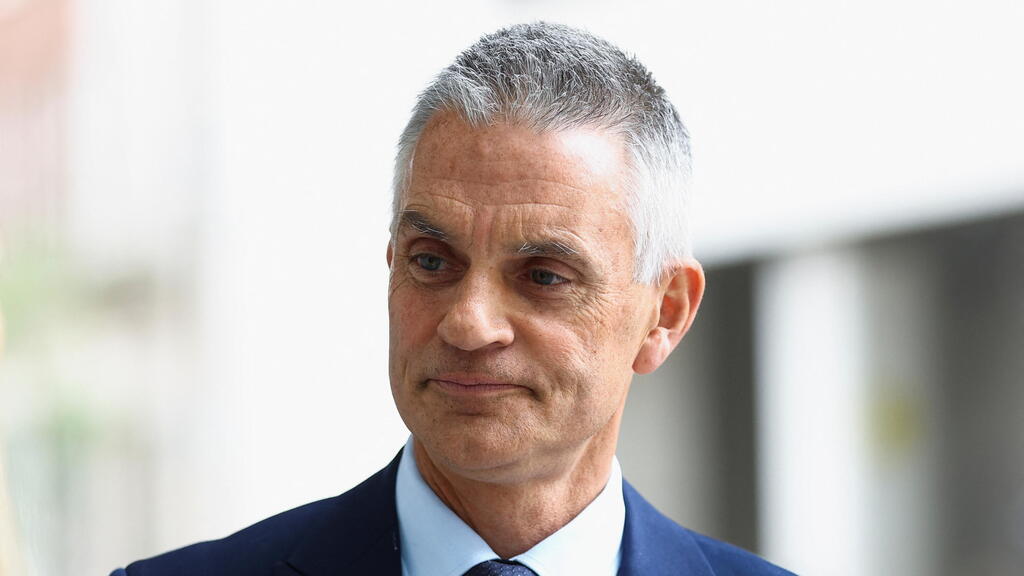
A stockpile of arrogance. Tim Davie, the outgoing BBC director general
(Photo: WPA Pool / Pool, Getty Images)
The timing has also been disastrous. The British right, including its hard-line faction with strict immigration policies, is heading toward a likely victory in the next election. At least half of Britain’s license-fee payers, along with many foreign governments, were waiting for the BBC to stumble, and the network did not miss a single trap. It ignored several internal sexual harassment allegations. Gary Lineker, the former footballer and popular host of the network’s flagship soccer program, compared the Conservative government’s asylum policy to policies of 1930s Germany. He was suspended and later reinstated due to pressure from colleagues, but the BBC did not renew his contract after another incendiary post about Israel. During the Glastonbury Festival this summer, the channel did not cut away when Bob Vylan led the crowd in chants of “Death to the IDF.”
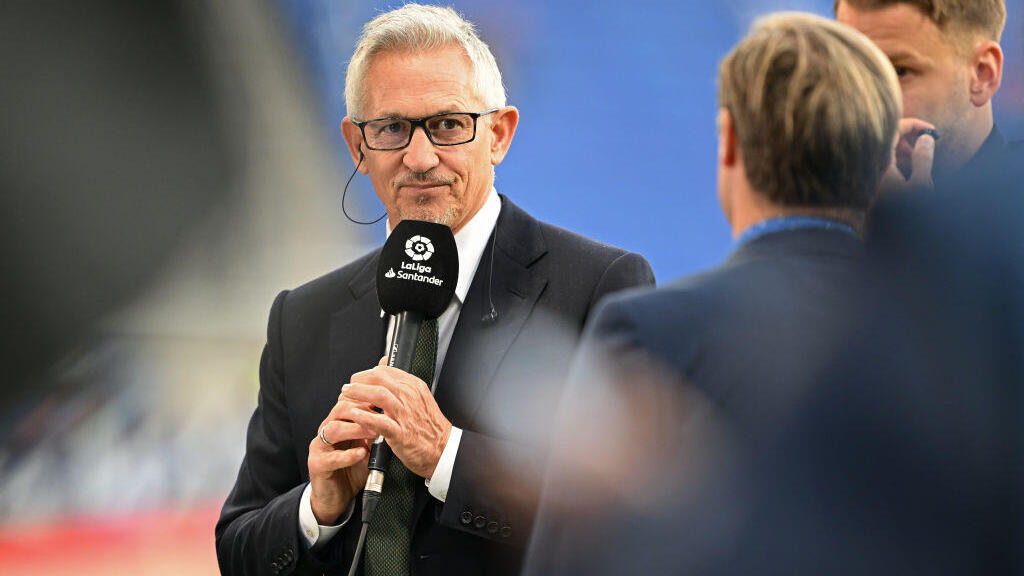
Contract dropped after anti-Israel post. Gary Lineker
(Photo: David Ramos/Getty Images)
The Trump case was extreme, not only because of the distortion itself but also because of the political terrain on which it occurred. As he has done with major U.S. media outlets, Trump seized on the moment to dismantle the BBC’s credibility and threaten litigation. During a meeting with British right-wing leader Nigel Farage, he heard claims of BBC interference in the British election, responding, according to Farage, “with words that cannot be printed.”
But the BBC is not CBS. It is not a private network that can pay billions and move on. It is now trapped in the middle of a political confrontation that is about to reshape it entirely. If Britain wants fair trade agreements with Trump or seeks U.S. help in deterring Russia, it will have to pay a price, and the BBC is likely to be part of that cost.