


For years, fertility struggles have been largely framed as a woman’s issue. Women are the ones sent for repeated tests, tracking cycles, monitoring ovulation, measuring hormones, and carrying much of the physical and emotional burden that comes with difficulty conceiving.
But fertility, specialists emphasize, is a shared biological process, and male fertility plays a central role in conception outcomes.
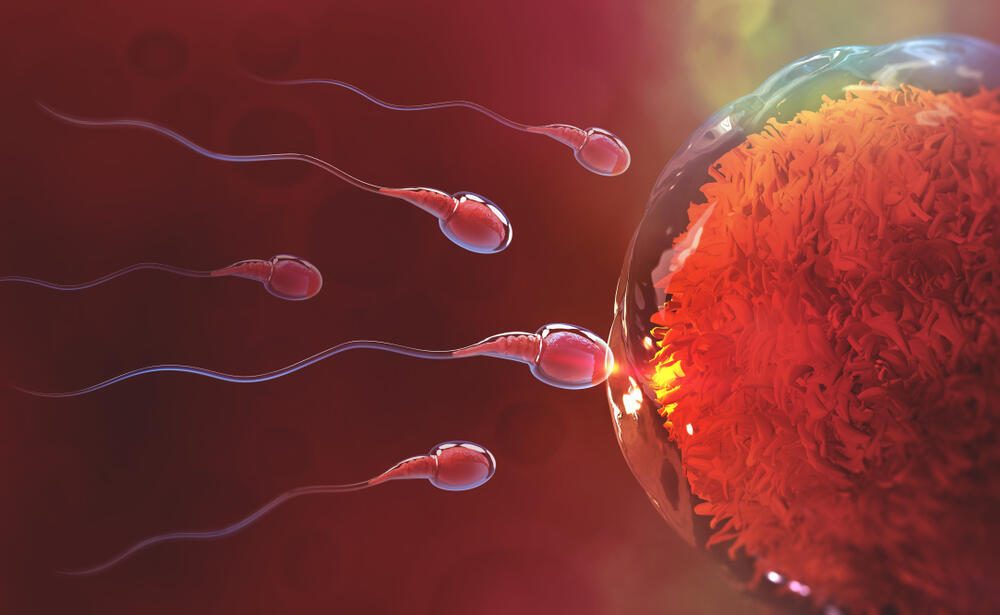
Sperm quality, including concentration, motility, and morphology, can be just as important as egg quality when it comes to the likelihood of pregnancy. These are not abstract laboratory metrics, but biological factors that can determine whether conception happens within months or takes significantly longer.
“Couples who have difficulty conceiving are defined mainly according to the woman’s age,” explains Dr. Naama Farago, a senior physician in the IVF unit and head of gynecology triage at Rambam Health Care Campus. “Above age 35, if a couple does not achieve pregnancy after six months, and under 35 after a year, a full fertility workup is recommended. It is important to remember that this evaluation includes both the woman and the man.”
The inclusion of both partners is becoming increasingly important as fertility trends shift. More couples are seeking fertility evaluations, parenthood is being delayed, and researchers are observing broader changes in reproductive health among both men and women.
“There is a decline we are observing, and it affects both men and women,” says Dr. Farago. “We do not yet fully understand why it is happening, but we are actively studying it to better identify the drivers behind it and how it might be improved.”
In this context, overlooking male fertility can mean missing a key part of the diagnostic picture. “In many cases, the male factor plays a significant role in fertility difficulties, and it is important to take it into account,” she adds.
A semen analysis evaluates several key parameters: sperm concentration, total count, motility, and morphology, the shape and structure of sperm cells. Each of these factors can influence the probability of successful fertilization. Even when sperm count is high, reduced motility or abnormal morphology can lower fertility potential.
 Dr. Naama FaragoPhoto: Omer Ohana
At the same time, there is an important biological distinction that offers some optimism. Unlike female eggs, which are finite and do not regenerate, sperm is continuously produced throughout a man’s reproductive life.
“Once a man reaches reproductive age, sperm production continues throughout life,” says Dr. Farago. “However, age does have an effect, including increased DNA fragmentation and reduced sperm quality and quantity.”
She adds that sperm development takes roughly two to three months, meaning lifestyle changes will not be immediately reflected in test results. “But they can definitely influence future outcomes. If a man changes habits, adopts healthier behaviors and avoids harmful ones, sperm quality can improve. This can increase the couple’s chances of conceiving, and even improve success rates in fertility treatments later on.”
This leads to a practical question: which everyday habits may be affecting sperm quality, and what can actually be changed now? The answer begins long before the clinic. Some of these factors may seem obvious, while others are less intuitive, sometimes hidden in habits that appear completely harmless.
Diet: fewer processed foods, more healthier nutrition
The first factor is diet. “We see that a more Western diet, based on processed foods, is associated with lower sperm counts,” says Dr. Farago. “Studies have shown that diets richer in fruits, vegetables and high-quality proteins are associated with improved sperm parameters.”
Researchers compared groups of men based on dietary patterns and consistently found that less processed, more natural diets correlated with better sperm quality indicators.

Processed food harms sperm quality
(Photo: Shutterstock)
The implication is not that men trying to conceive must adopt extreme diets or eliminate all indulgences, but rather that overall dietary patterns matter. Reducing ultra-processed foods, added sugars and low-quality fats while increasing fresh produce, varied nutrition and protein sources may improve reproductive health.
Alcohol and caffeine also enter the discussion, particularly when consumption is high or chronic. “Moderate alcohol consumption, like social drinking once in a while, is fine,” says Dr. Farago. “But heavy drinking or excessive caffeine intake, such as large amounts of energy drinks, is not beneficial.”
In other words, the issue is not a single cup of coffee or an occasional drink, but the cumulative pattern of dietary and lifestyle choices over time.
Heat: laptops, hot tubs and tight underwear
Another less widely discussed factor is heat exposure. “There is a biological reason why the testes are located outside the body,” explains Dr. Farago. “They need to be at a slightly lower temperature than core body temperature to support proper sperm development.”
Repeated or prolonged heat exposure to the groin area may negatively affect sperm quality. This includes everyday behaviors that may seem harmless: working with a laptop placed directly on the lap, long periods of sitting, extended driving, wearing very tight underwear, or frequent use of saunas and hot tubs.

It is not advisable to place a laptop on your lap on a regular basis
(Photo: Shutterstock)
“We all work from home with laptops,” says Dr. Farago. “But placing a laptop on the groin area for long periods creates heat in that region, and that is not ideal.”
She emphasizes that the concern is not occasional exposure. A warm shower or a one-time visit to a hot tub is not the issue. The focus is on sustained, repeated heat exposure over time. “For men who are already struggling to conceive, it is important to be aware of these factors, as they are often overlooked, and adjusting them may help improve the situation.”
Cannabis, smoking and e-cigarettes: beyond the lungs
Substance use is another important factor in sperm health. Cannabis use has become more widespread and socially accepted in recent years, but its impact on male fertility is still significant. “Cannabis use is very common now, and it is easily accessible in many places,” says Dr. Farago. “But it has an effect on sperm quality.”
Smoking, including e-cigarettes, is also associated with reduced sperm quality. “All forms of smoking can affect sperm quality,” she adds. “It is something people need to be aware of.”

Negative impact on sperm parameters. Cannabis smoking
(Photo: Shutterstock)
She notes that most studies are observational, but the overall pattern is consistent: smokers generally show poorer sperm parameters than non-smokers, and higher levels of consumption are linked to a steeper decline. “We observe a clear relationship between smoking and reduced sperm quality,” she says. “The primary mechanism discussed is oxidative stress.”
In practical terms, substances entering the body, particularly those that increase inflammation or oxidative stress, may interfere with sperm production and function.
Sleep, weight and physical activity: the daily basics
Alongside what goes into the body, daily habits also matter, including sleep, movement and weight. “Good, consistent sleep is important for proper hormonal regulation, including the hormones involved in sperm production,” says Dr. Farago. “Poor sleep, fragmented sleep or too little sleep can disrupt that system.”

Try to maintain regular physical activity
(Photo: Shutterstock)
Physical activity and body weight also play a role. Higher BMI is associated with reduced sperm quality in multiple studies, but improvements do not necessarily require dramatic change. “Even small weight loss and increased physical activity can improve sperm parameters,” she says.
This is one of the key takeaways: improvements do not always require major life overhauls. Sometimes they begin with incremental changes, i.e., more movement, better sleep, gradual weight reduction or simply reducing prolonged sedentary behavior. Because sperm is continuously produced, these small changes can accumulate over time.
One of the most important messages is that sperm quality is not a fixed parameter. “These factors are ultimately modifiable,” says Dr. Farago. “Because sperm is continuously renewed, there is real potential for improvement.”
In other words, diet, sleep, weight, physical activity, smoking, cannabis use and heat exposure around the testes can all form part of the foundation supporting the body’s ability to produce higher-quality sperm. In many cases, such improvements do not require a major lifestyle overhaul, but rather a series of small, consistent adjustments made over time.
However, she emphasizes that lifestyle changes are not a substitute for medical evaluation. Couples who have difficulty conceiving should undergo a full fertility assessment for both partners to gain a complete understanding of the situation and ensure that no underlying issue is overlooked. Fertility, she concludes, is a shared issue, and so is its diagnosis and treatment.