

The Shavuot holiday celebrated over the weekend was the last in the cycle of Jewish holidays until the High Holy Days arrive in September. The wait for them can be filled with one of summer’s standout color trends: chartreuse, a yellow-green shade reminiscent of lime peel. A meeting point between taste and scent.
Chartreuse delivers an acidic kind of color, the sort that gives the eye a slight pinch. It is still hard to find in local fashion chains, where color palettes remain relatively conservative, moving between soft pastels, chocolate, shades of white and floral prints. But among global fashion houses, it has become one of the season’s leading shades. It may take another season before it fully settles into the mainstream.
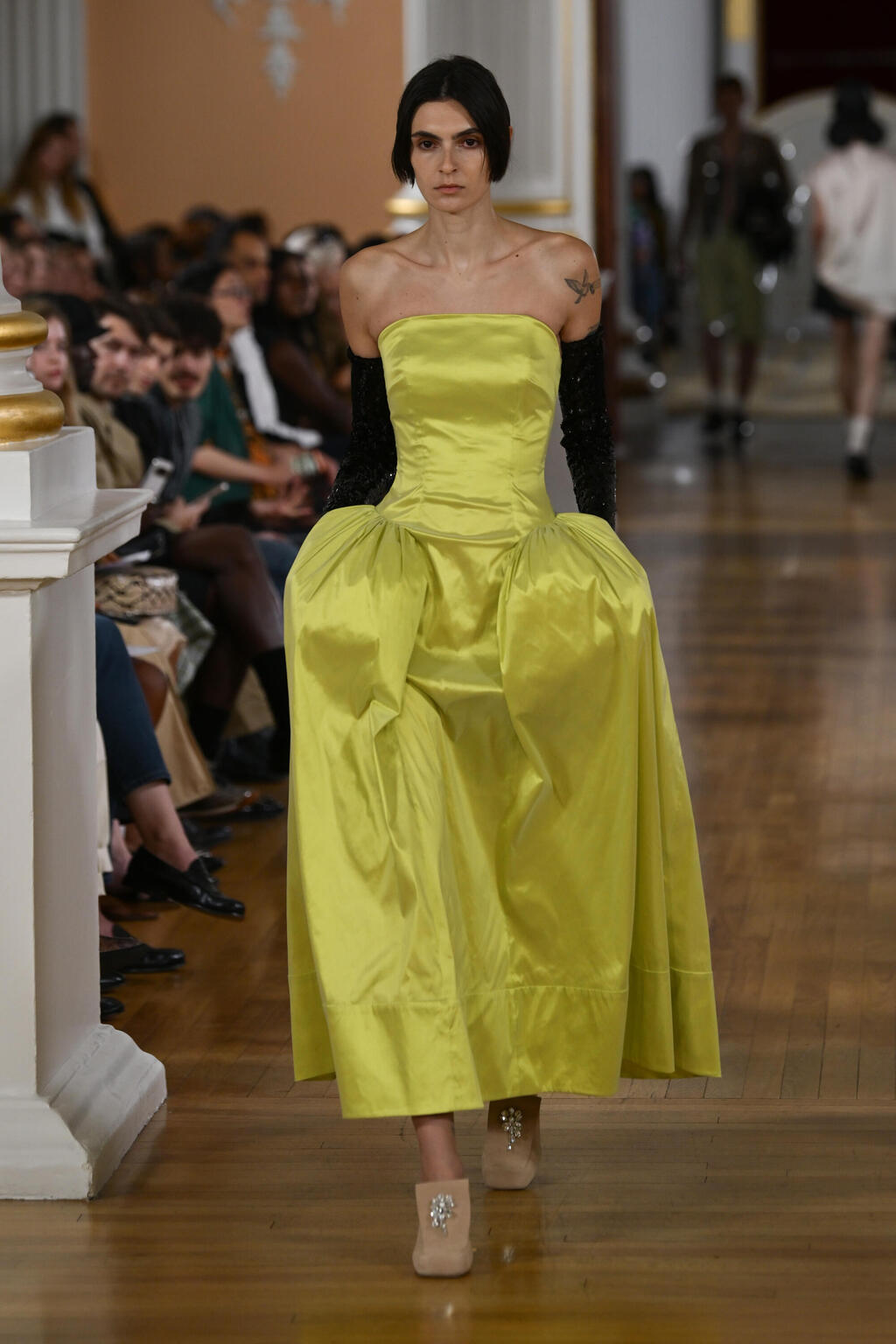
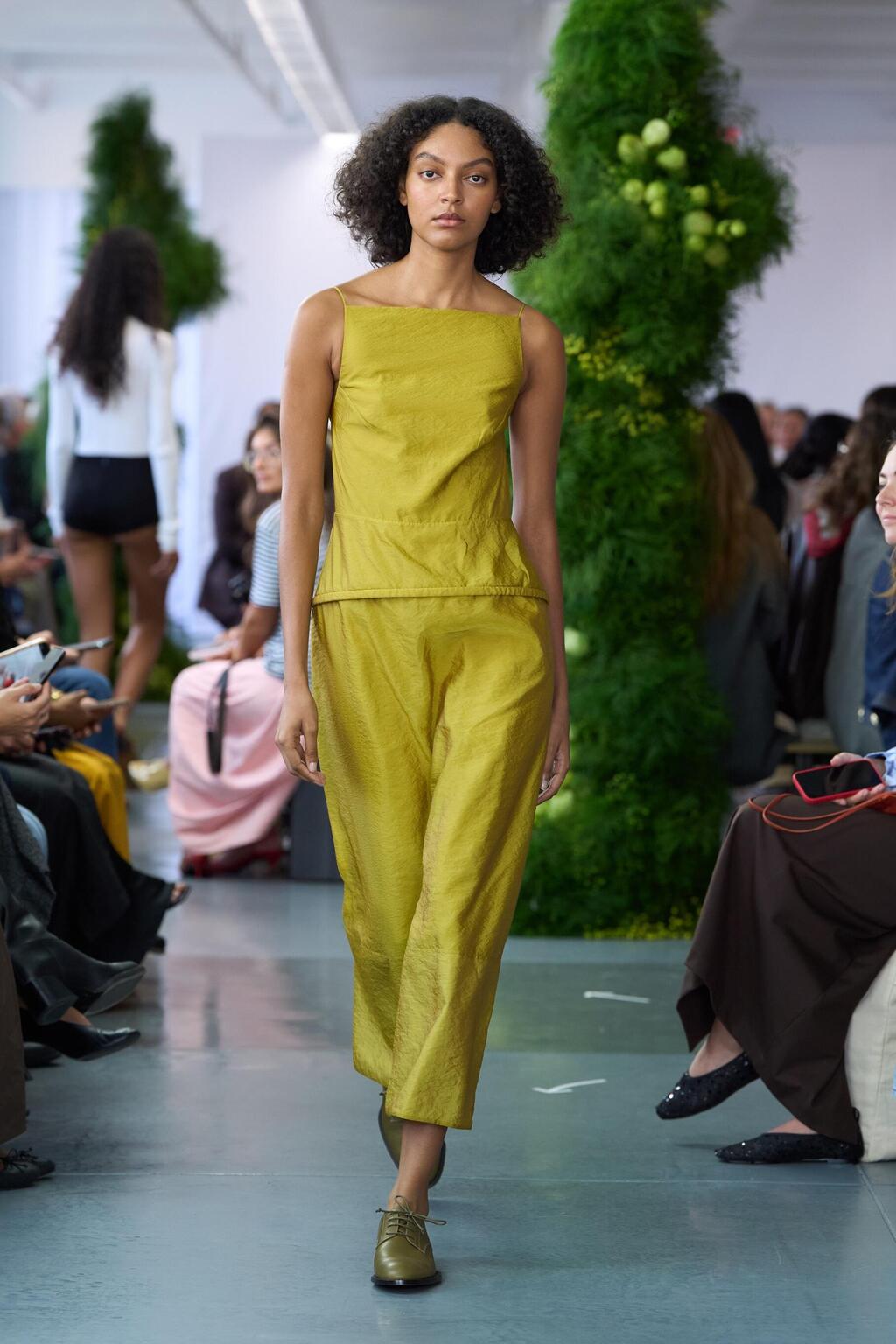
Tibi, spring-summer 2026 show
(Photo: Victor Pagan/Getty Images)
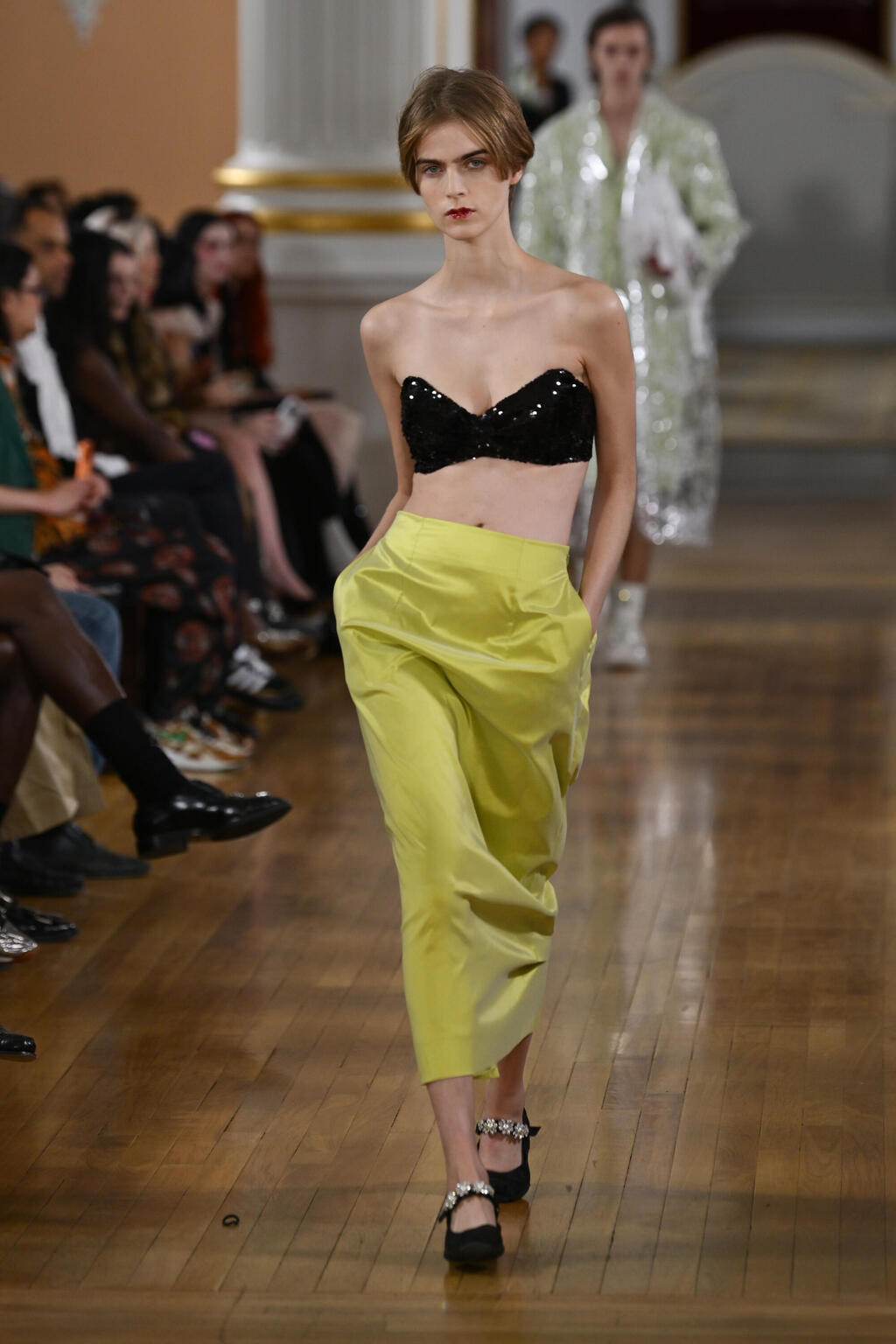
Simone Rocha, spring-summer 2026 show
(Photo: Eamonn M. McCormack/Getty Images)
The shade first appeared this season with relative quiet at Tibi’s show during New York Fashion Week last September, where it starred in two minimalist looks as a splash of color against the monochromatic palette that dominated the runway.
It quickly moved to the larger stages of London, gaining a prominent presence in the collections of Erdem, Burberry and Simone Rocha, who designed a strapless dress with period references.
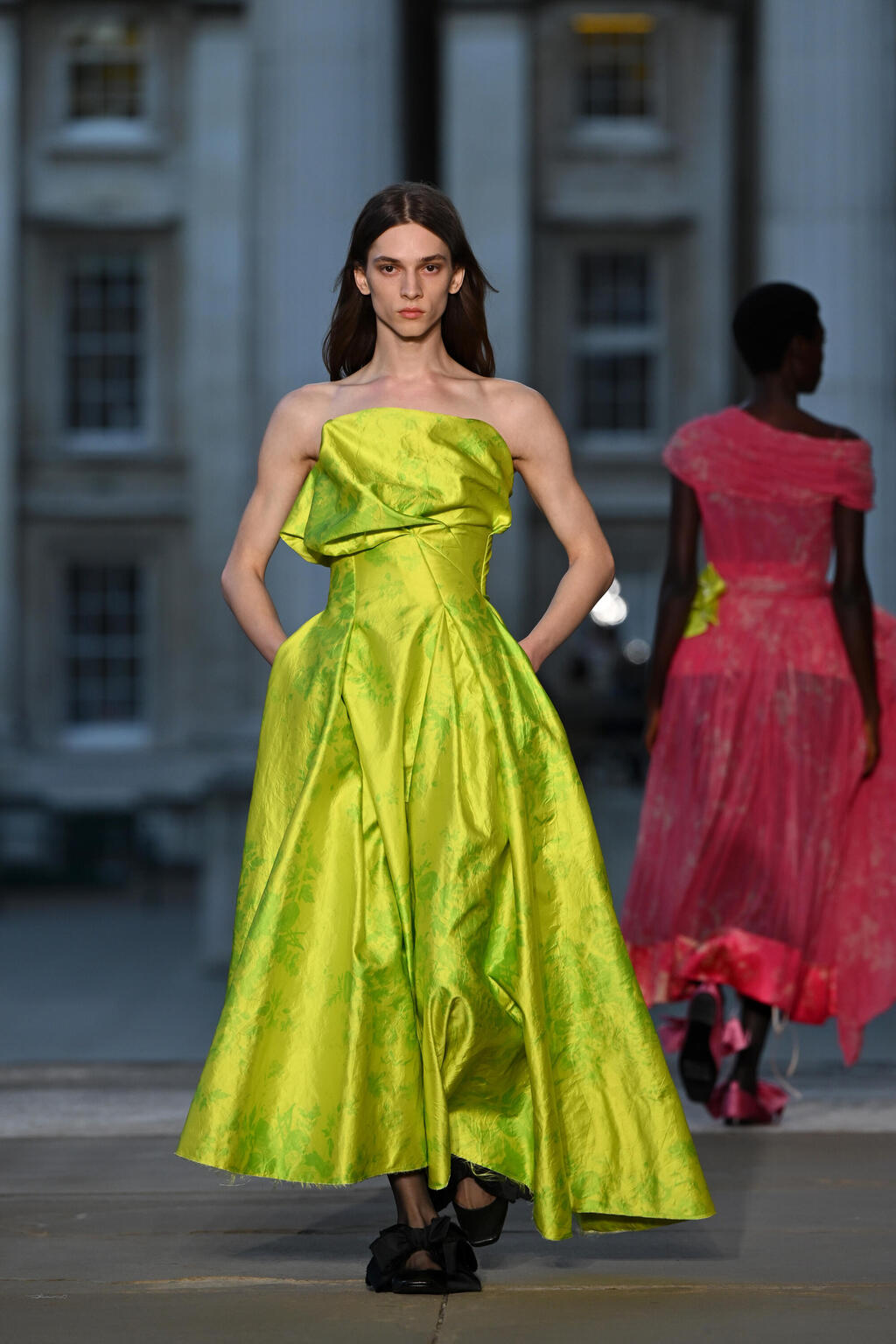
Erdem, spring-summer 2026 show
(Photo: Jeff Spicer/Getty Images)
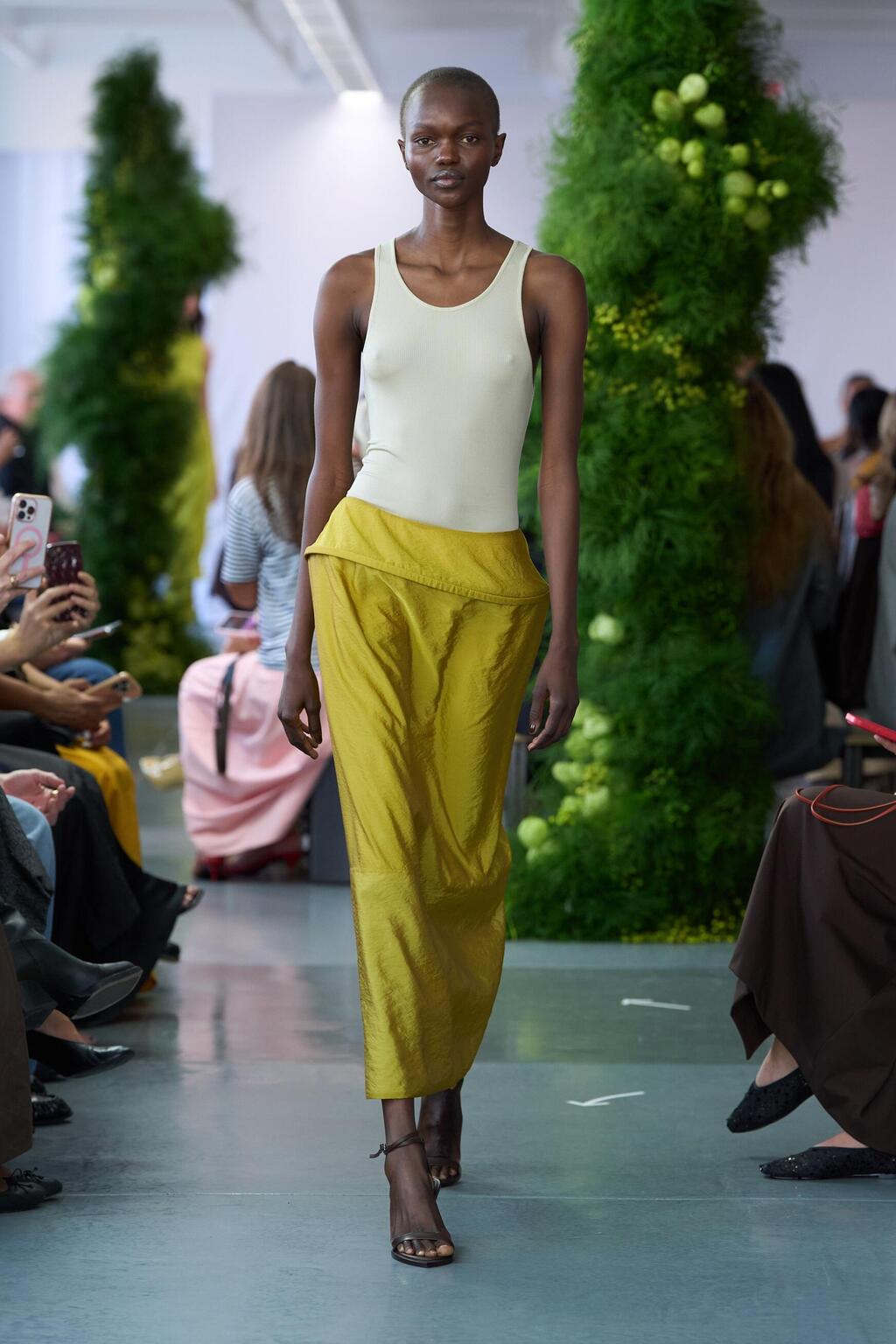
Tibi, spring-summer 2026 show
(Photo: Victor Pagan/Getty Images)
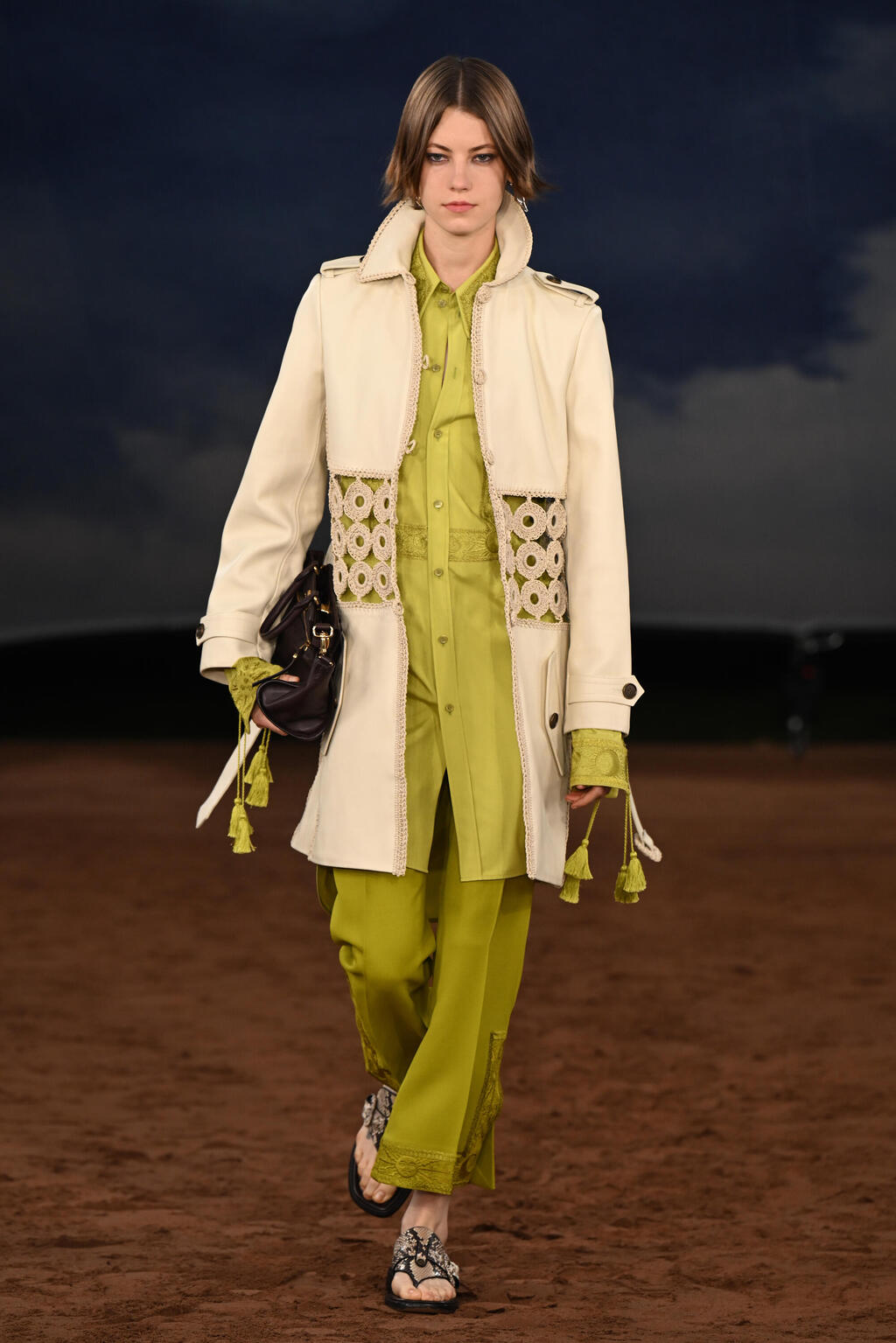
Burberry, spring-summer 2026 show
(Photo: Kate Green/Getty Images)
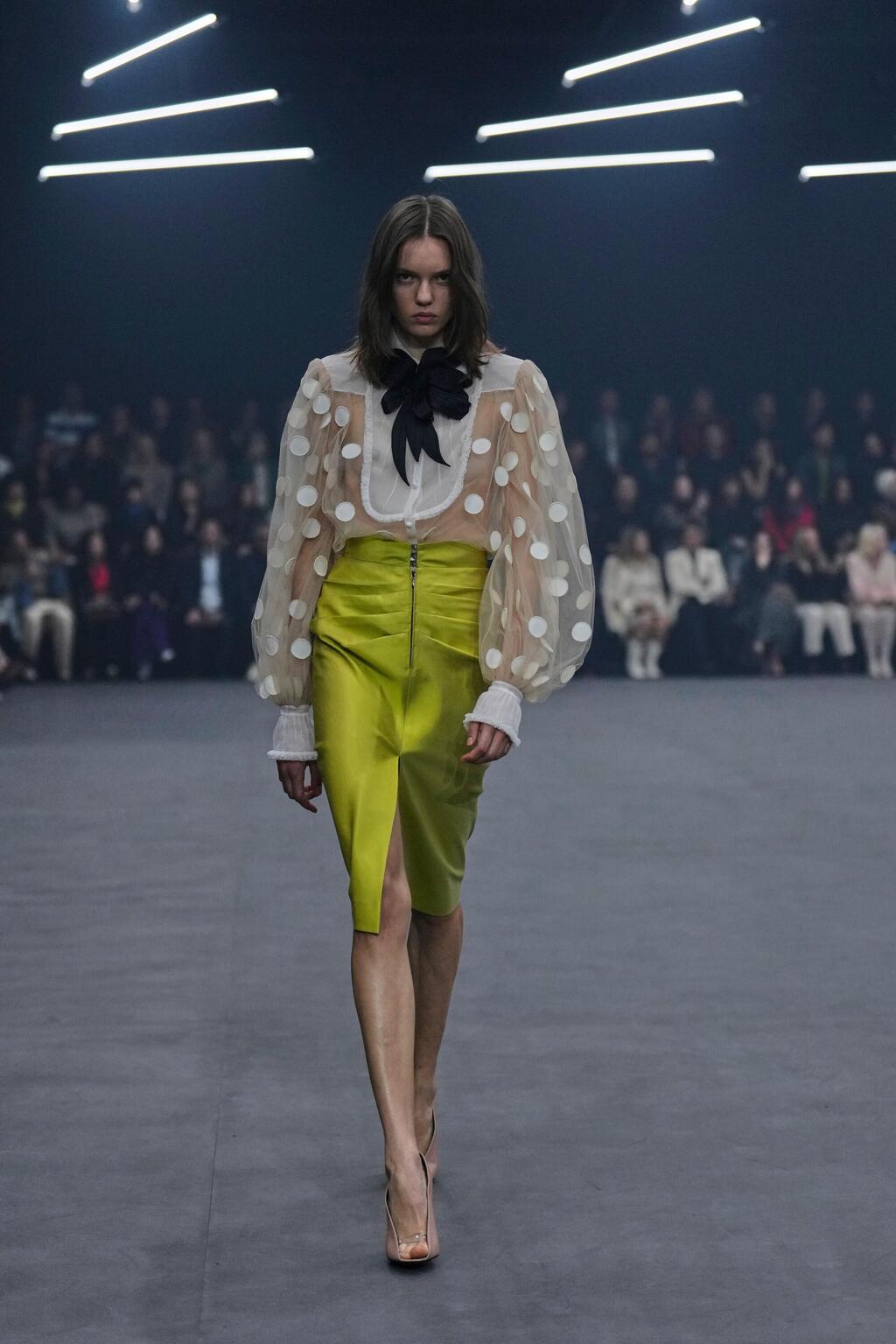
Valentino, spring-summer 2026 show
(Photo: AP Photo/Aurelien Morissard)
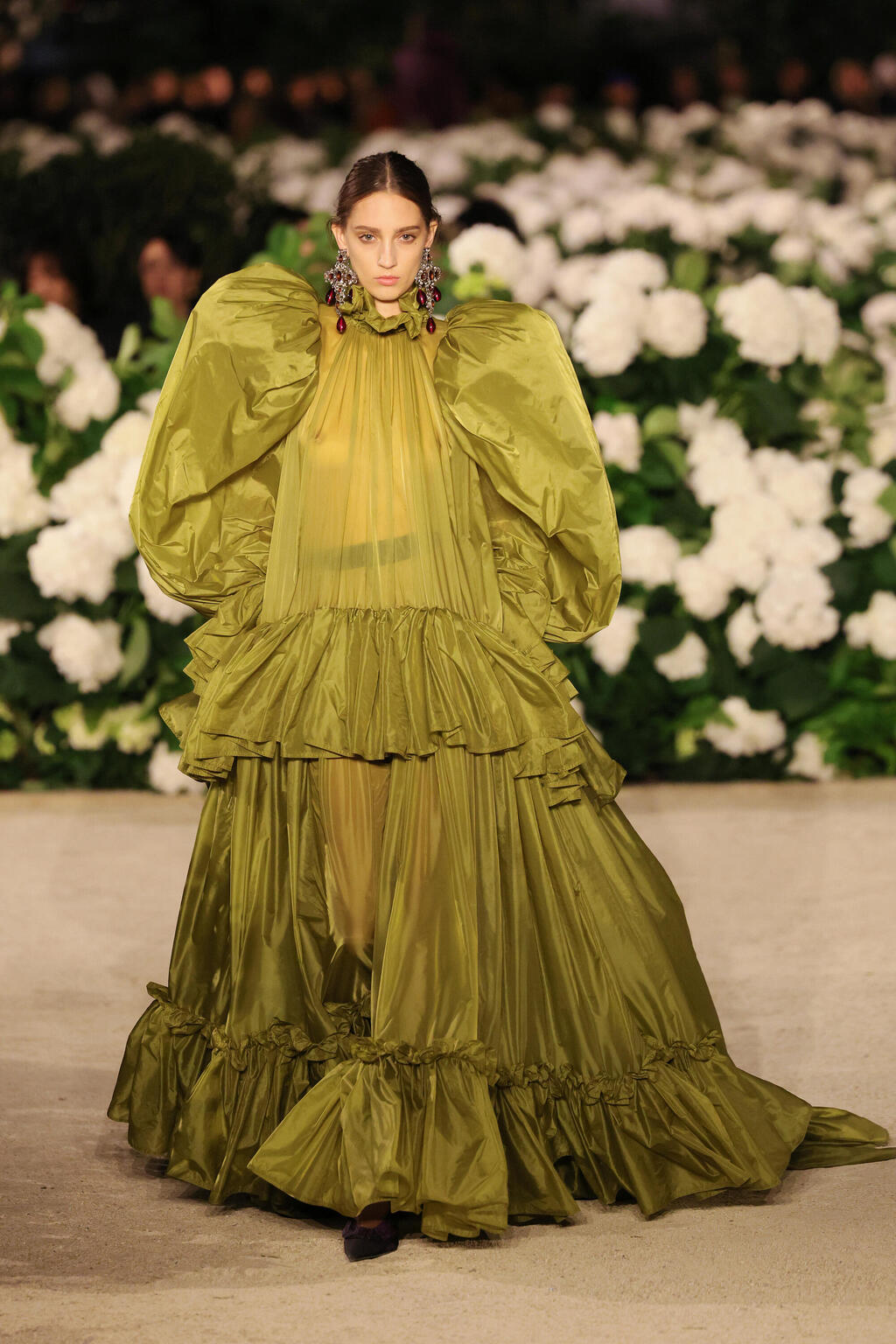
Saint Laurent, spring-summer 2026 show
(Photo: Vittorio Zunino Celotto/Getty Images)
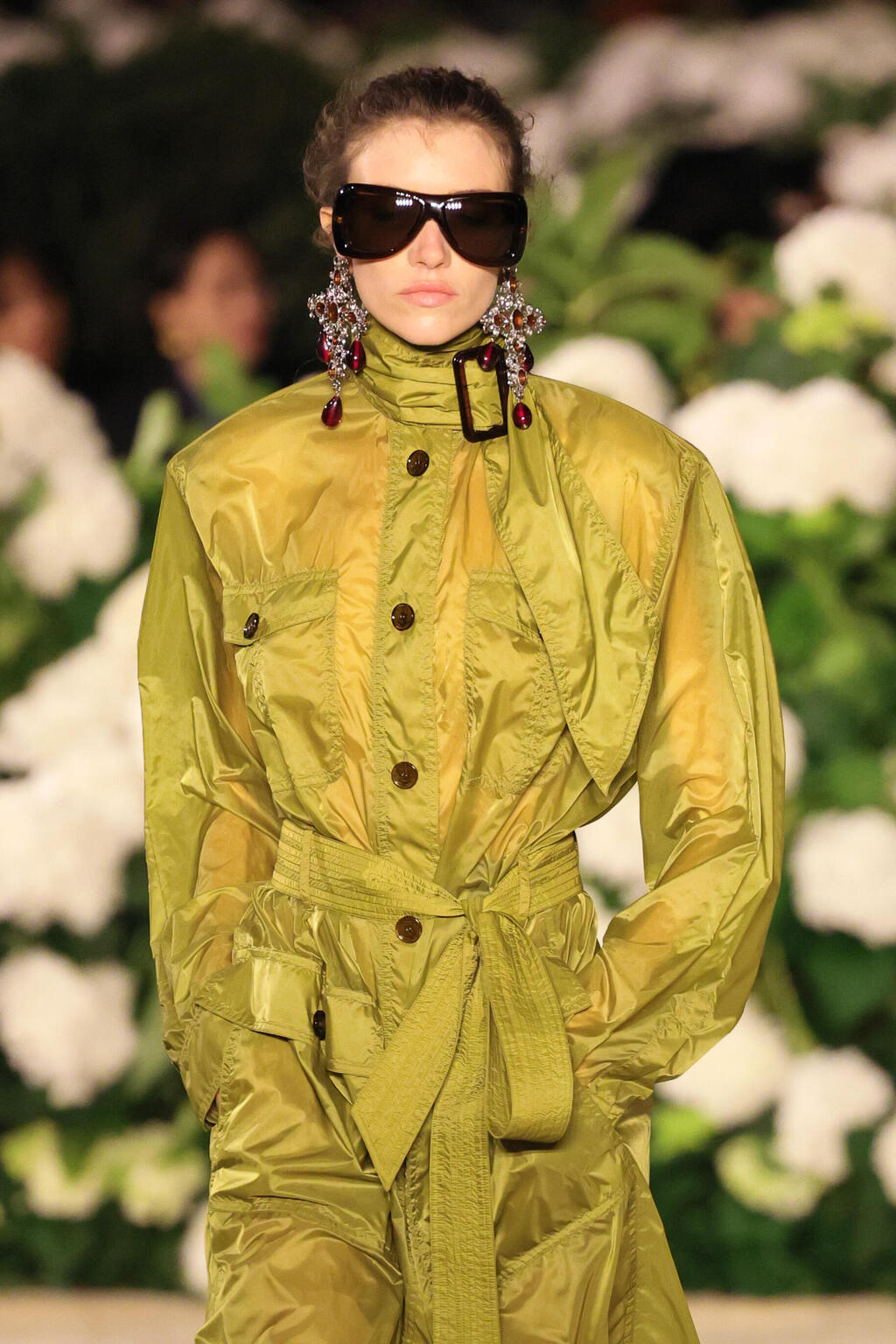
Saint Laurent, spring-summer 2026 show
(Photo: Vittorio Zunino Celotto/Getty Images)

Rosamund Pike at a Harper’s Bazaar event
(Photo: Gareth Cattermole/Getty Images)
It later appeared on the runways of Balenciaga, Valentino, Alaïa and Saint Laurent, where creative director Anthony Vaccarello created a collection of soft, revealing chiffon dresses. Its presence at leading Paris fashion houses strengthened its status, turning chartreuse from a colorful curiosity into a dominant shade.
Its status as an acquired taste is also part of chartreuse’s charm: a combination of elegance, individuality and a certain playfulness. It is a kind of statement, a presence in an era of beige. It can lift any wardrobe built around neutral colors such as gray, white, cream and black, adding a sophisticated twist.
More than anything, this sharp shade, which, if compared to a scent, recalls Issey Miyake’s lemony L’Eau d’Issey, flatters both tanned and fair skin. That makes it a color many women can adopt in the local climate.