

In recent days, Prince Harry has once again been on British soil for what has been described as the longest lawsuit in history against the media. Unfortunately for him, this time an even greater drama has resurfaced to preoccupy the British public — and the royal family in particular: the mystery surrounding the death of King George V, the grandfather of the late Queen Elizabeth II.
King George V reigned in Britain from May 6, 1910, to January 20, 1936 — a total of 25 years — until his death. According to information published over the years, George V was seriously injured during World War I after being thrown from his horse while visiting troops stationed in France. In addition, the late king was a heavy smoker and suffered from emphysema, bronchitis, chronic obstructive pulmonary disease and pleurisy. These illnesses accompanied him until his final day — and here the surprising twist emerges.
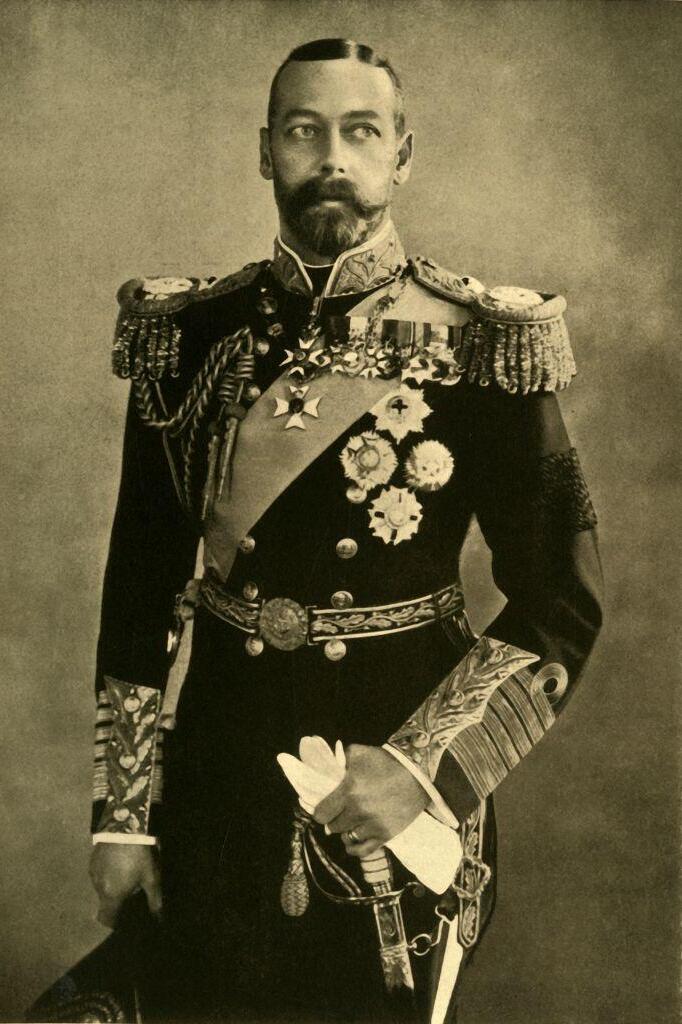
On January 20, 1936, the king was on the brink of death, and his physicians, led by his chief doctor, Lord Dawson of Penn, issued a statement saying the king was in his final moments. In a private diary kept by Dawson, which was revealed years after his death, the physician wrote that he hastened the king’s death by injecting him with a lethal dose of morphine and cocaine in order to ease the family’s suffering. After the injections that accelerated his death, Queen Mary, the Prince of Wales and his three brothers and sister entered the bedroom to say farewell. “They stood around the bed. Queen Mary was very restrained; the others wept silently.”
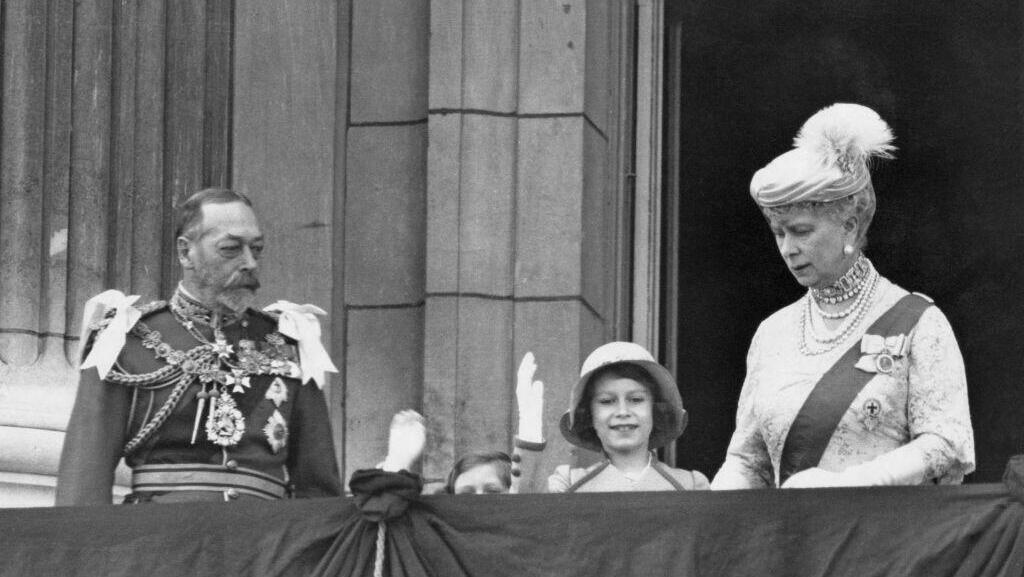
King George V and young Elizabeth
(Photo: Central Press/Hulton Archive/Getty Images)
This brings us to the renewed controversy. In 1980, historian Kenneth Rose was asked to write the official biography of the late king. Rose, the son of a physician, was stunned to discover during his meticulous research that Dr. Dawson had been alone when he made the decision to end the king’s life. “Horrified by what he uncovered, Rose wondered whether Dawson’s actions were in fact murder — not compassionate euthanasia,” the Daily Mail reported. It should be noted that this revelation cost Rose the knighthood he was expected to receive as the king’s official biographer.
And why the haste, one might ask? It turns out that Dawson was determined that news of the king’s death appear in London’s morning newspapers rather than the evening papers, which he reportedly dismissed as “rubbish.” “The king did not suffer from cancer or another agonizing disease, but from heart weakness. He was also not in pain; he was in a coma,” the outraged Rose said. “How, then, could Dawson justify injecting morphine and cocaine into his patient?” Rose added that “some of the most senior physicians of the time shook their heads in concern when the king appointed Dawson as his personal and chief physician.”
One of them, the renowned surgeon Lord Moynihan, even penned a short verse about the doctor: “Lord Dawson killed many people, so that is why we sing ‘God Save the King.’” Moynihan’s rhyme did not catch on, and the king’s death was officially recorded as occurring at 11:55 p.m. on January 20, 1936. “I decided that this was the end and injected morphine and cocaine into the jugular vein,” Dawson admitted years later. “The determination of the time of death had an additional purpose — the importance of publication in the morning newspapers.”
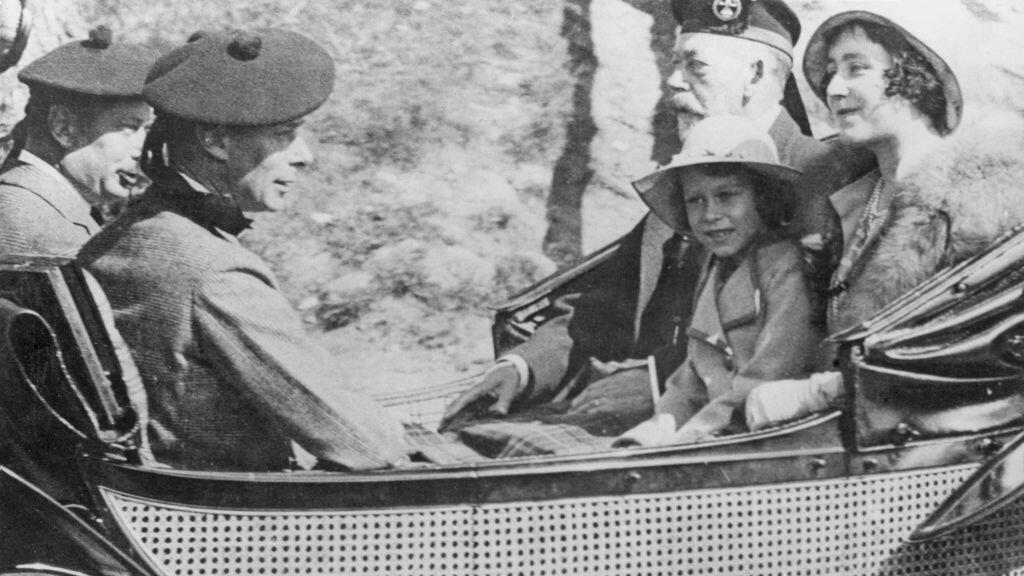
(Photo: Keystone/Hulton Archive/Getty Images)
“The law does not distinguish between euthanasia and murder,” Rose wrote in conclusion. Kenneth Rose died in 2014. Those familiar with the matter said advisers to Queen Elizabeth II decided that denying him a knighthood might encourage senior biographers to tell the full truth.