

While the previous decade was dominated by heavy contour palettes, full-coverage foundations and powders that created the traditional “glam” look, today’s beauty industry is changing course and embracing minimalism. If you ask leading magazines such as Vogue and Allure, today’s consumers are looking not only for minimalism, but also for good makeup products that do not compromise skin health.
That approach has led to a new generation of hybrid makeup products that blur the line between makeup and skincare. What does that mean? Products that incorporate active ingredients such as niacinamide, ceramides, antioxidants and hyaluronic acid directly into the pigment.
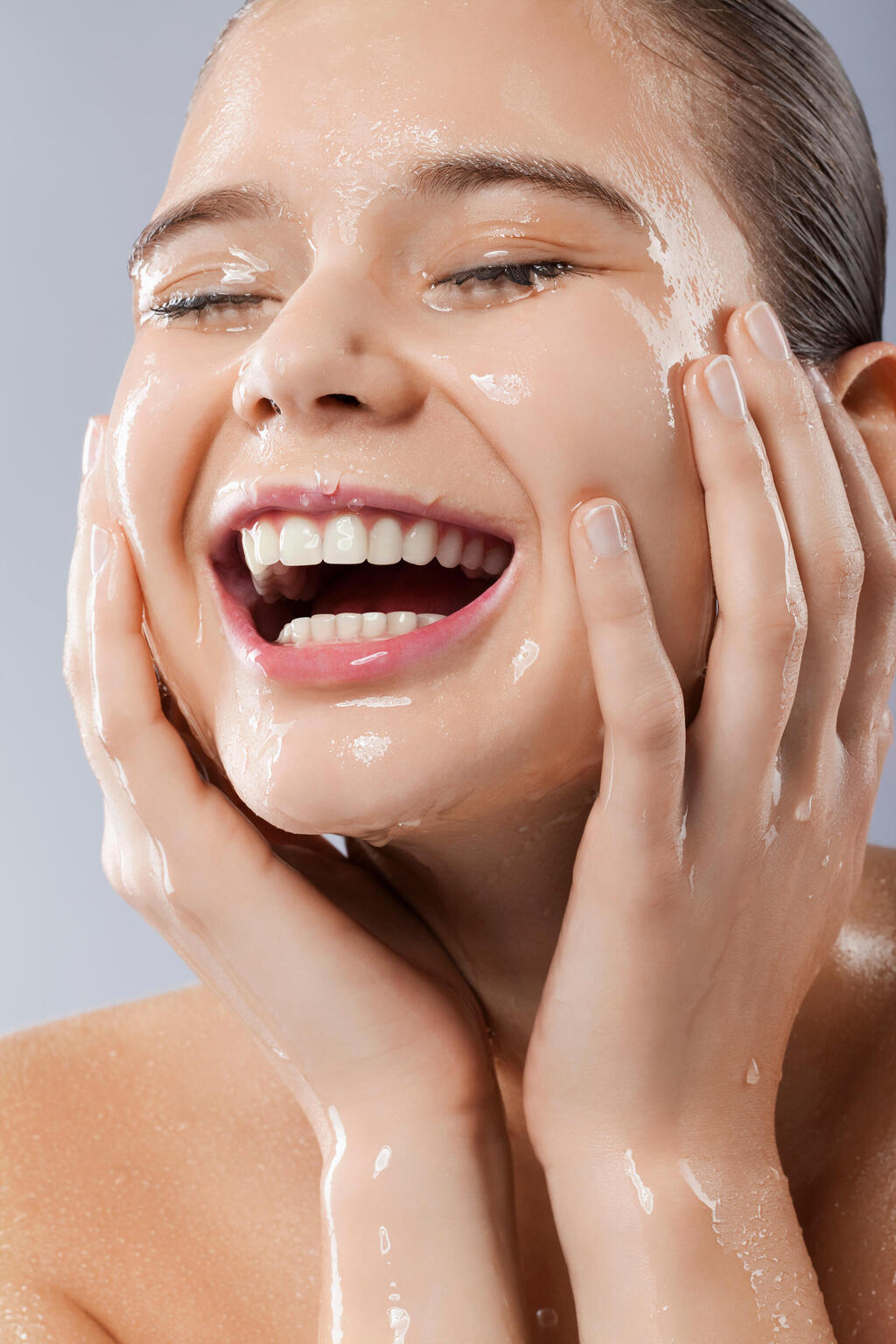
At the heart of this trend are water-based formulas, which make it possible to achieve the sought-after Cloud Skin look: soft, natural, breathable skin with a healthy glow that does not look overly made-up or overly shiny like “glass skin,” but simply radiant. It is a conceptual shift. Makeup is no longer meant to conceal, but simply to enhance.
How do I know if my product is water-based?
To determine whether you have one of these formulas, look at the ingredient list on the back of the packaging. In water-based makeup, the first and main ingredient will always be, unsurprisingly, water, listed as Aqua or Water. That is in clear contrast to traditional formulas based on silicones, such as different forms of dimethicone, or concentrated oils and waxes.
In the newer formulas, water serves as the main carrier for the pigment, creating a very thin, fluid texture that absorbs quickly into the skin. The obvious advantage is the light, refreshing feel. These products are barely noticeable on the face, do not feel heavy on the skin and usually feel pleasant during application.
In addition, water-based makeup products are particularly suitable for sensitive skin, combination skin or acne-prone skin.
When the good is really good
Dr. Shereene Idriss, a board-certified dermatologist in New York, addressed the shift in a comprehensive series of tips published by Allure.
“From a dermatological perspective, water-based makeup is an excellent therapeutic choice,” she explained. “The absence of heavy silicones and occlusive oils allows pores to ‘breathe’ properly throughout the day. It effectively stops the destructive cycle in which women wear heavy makeup to conceal existing blemishes, while the act of covering them creates an occlusive environment that worsens the condition and encourages new breakouts.”
The intriguing new generation of products offers a wide range of solutions for every stage of face makeup.
There are ultra-light skin tints, often sold in small dropper bottles, that replace traditional foundation and provide gentle, semi-sheer tone evening; lightweight, moisturizing concealers designed for the delicate, thin area under the eyes and intended to prevent product from settling into fine lines; liquid highlighters that create a wet-looking glow without glitter and blend into the skin; and, of course, liquid tints for lips and cheeks, which have already become a staple in many makeup bags.
Sir John, Beyoncé’s longtime makeup artist and the man behind some of the decade’s most iconic makeup looks, described the benefits in Vogue. “Watery formulas completely change the rules of the game because they behave on the skin exactly like skincare products,” he said. “When we use water-based foundation or tint, the skin actually ‘drinks’ in the moisture, while the pigment stays smooth, flexible and natural on the surface. That is the professional secret to skin that looks alive, fresh and effortless.”

What works for Beyoncé works for us, too
(Photo: Gettyimages IL/Matt Winkelmeyer)
But there is no good without bad
Alongside their many advantages, water-based formulas also have clear drawbacks and technical challenges that require a change in habits.
The first and most obvious disadvantage is limited coverage. Anyone looking to completely conceal deep pigmentation, prominent scars or significant imperfections may find that a water-based skin tint simply does not do the job and will require additional products.
The second drawback, and perhaps the most challenging in everyday use, is how quickly these formulas dry. Because water evaporates in open air and in contact with body heat much faster than oil or silicone, the pigment in the product can set on the skin within seconds. That can leave rigid, uneven patches of color, particularly with highly pigmented liquid blushes.
Another challenge is combining products correctly. Using water-based makeup over a smoothing primer or a sunscreen rich in silicones will often lead to pilling, the formation of tiny balls of product that flake off the face during application. The reason is chemical and simple: oil and water repel each other and cannot mix.
So what do we do with it?
To overcome the application challenge and achieve a flawless, even and streak-free finish, you need a different technique from the one you may be used to:
1. The first and most important rule is building the right base using a “water over water” approach. In other words, before opening your tint or liquid foundation, make sure all the preceding skincare and makeup layers, including serum, moisturizer, primer and sunscreen, share a water base rather than a silicone base. Carefully matching the formulas will prevent them from repelling one another and help the makeup glide over the skin instead of breaking apart.
2. Preparing the skin is especially important here. Skin with dead cells or severe dryness will absorb the water quickly, leaving pigment stuck as a darker patch in dry areas. Gentle exfoliation and good hydration are therefore essential beforehand.
3. When applying liquid blush, the most common mistake is placing the product directly from the applicator onto the apples of the cheeks. Because the tint dries extremely quickly when it meets the warmth of the face, the pigment can “lock” into the first spot it touches.
Celebrity makeup artist and international beauty ambassador Katie Jane Hughes explained the technique and shared professional tips in an interview with Byrdie.
“The real secret to working with water-based products is controlling the amount and working carefully in very thin layers,” she said. “You simply cannot apply a large amount of product at once and expect to blend it slowly, as we used to do with oily cream blushes. I always recommend warming a little of the product on the back of the hand, using it almost like a palette, and only then picking it up gently with a dense synthetic brush or a damp sponge. That is the number one rule for preventing a patch of color on the cheeks and ensuring an even, harmonious blend.”
4. After applying the precise amount of tint to the back of your hand and picking it up with your chosen tool, preferably a damp makeup sponge or a synthetic brush that will not absorb most of the product the way a natural-hair brush might, work on the face one section at a time.
The fast-drying nature of the product dictates another rule: do not apply it to both cheeks at once. Pat the tint gently onto one cheek, blend it completely until it melts into the skin, and only then move to the other side. The application itself should be done with light, quick tapping motions.
Avoid classic sweeping motions, which can lift the delicate layer of foundation underneath and create visible streaks or bare patches that are very difficult to correct afterward. Patiently building the color in thin layers, one on top of another, will ultimately create a more natural flush.
Yes, the water-based trend may require us to change our habits and relearn some basic makeup techniques, but the final result gives the face vitality, glow and a more natural appearance, while also offering a gentler approach to the skin.