

When Sarit Gabay finished her military service, she decided to complete her high school matriculation exams. At the time, she was living in the Tel Aviv neighborhood of Ramat Aviv Gimmel, near the Shuster Center shopping area. A new café had just opened nearby, and it quickly became her second home.
“It became my favorite hangout,” she recalled. “I started with two or three cups of coffee a day, and over the years it turned into an addiction.”

Today Gabay drinks 10 to 11 cups of coffee daily. She begins her mornings with a cappuccino-style drink: “My brain basically stays asleep until I have that first cup. It has to be just right—strong coffee, low-fat milk and two artificial sweeteners.”
Later in the day, she alternates between capsule coffee at home and visits to her local café, where the staff know her order by heart.
“People around me are always commenting that it’s an expensive habit and that I should cut down,” she said. “But the truth is, I can’t stop. If I skip my morning coffee, I get headaches and dizziness. I feel tired and my mood drops. Coffee keeps my energy up, keeps me alert, focused and sharp. It’s definitely an addiction. I don’t smoke, but this is my vice.”
The pursuit of the perfect cup
Coffee is a national obsession in Israel. Cafés open constantly, coffee carts have become a trendy pastime and machines are a fixture both in homes and in workplaces. “Let’s grab a coffee” is a common phrase, and nearly everyone has their own highly specific preparation method: cup size, coffee strength, type of milk, sweetener—and sometimes even the exact glass or mug.

(Photo: Shutterstock)
So what do experts say? The answer is complicated. For every study that praises coffee’s health benefits, there’s another warning of risks and urging moderation. The truth, specialists say, is somewhere in the middle: coffee is fine, as long as you don’t overdo it. And if you do?
For Reut Ofek, 38, coffee first entered her life as a student in her twenties. “I was a bookworm, the kind who studied until the early hours of the morning and then had to wake up early for work,” she said. “Fatigue won, and I started drinking coffee.”
Later, as a marathon runner, black coffee became part of her training routine. “A few years ago, I got an espresso machine for my birthday, and I swapped black coffee for a shot of espresso before workouts. Today I mix it up, but I never have fewer than 10 to 12 cups a day.”
What are the challenges of drinking so many cups of coffee a day?
“First of all, the reactions from people around me. I constantly get asked: ‘Isn’t that too much coffee?’ Another challenge is the endless pursuit of the perfect cup. There’s something almost scientific about finding the exact temperature, the right amount of milk and the capsule that will make the coffee a masterpiece. It’s not just about taste anymore—it’s about balance, precision and a complete experience. It’s closer to an art form, and sometimes I feel I’m not just drinking coffee, but taking part in a ritual that I genuinely enjoy.”
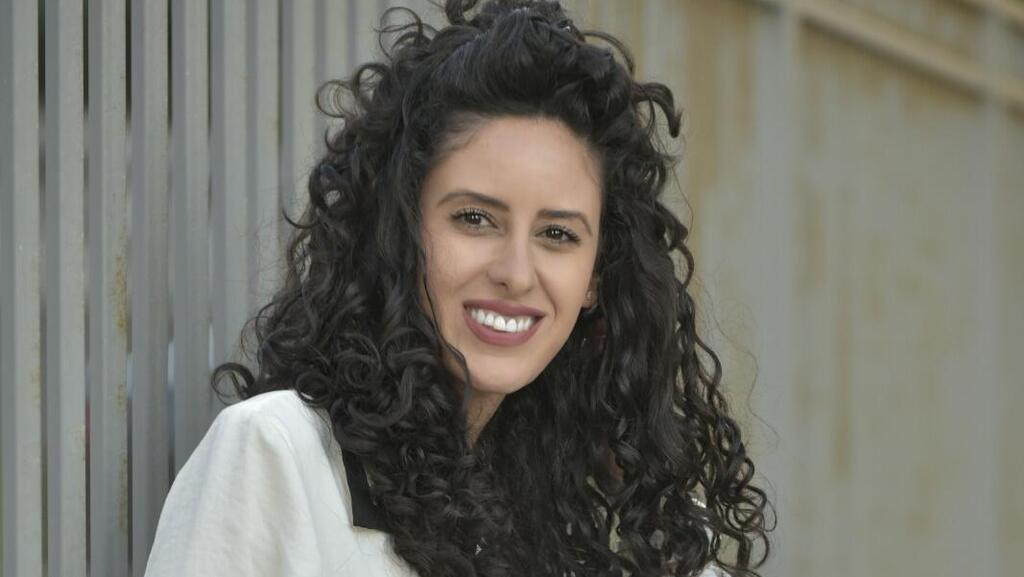
Reut Ofek
(Photo: Gil Dor)
Doctors warn that too much coffee isn’t healthy.
“I don’t drink a lot because I’m ignoring medical advice, but because I believe in listening to my body. The problem is that every couple of days there’s a new study. One says coffee helps the heart, another says it harms it. One claims it improves concentration, another that it disrupts sleep. It’s like an endless TV series, with each episode contradicting the last, depending on who produced it. Coffee has proven benefits—it boosts focus, increases alertness and has even been linked to a lower risk of certain diseases. But that doesn’t make it a medical miracle. I don’t dismiss doctors, but I know that general guidelines are just that—general. My body tells me a different story, and I choose to listen to it.”
Have you tried to quit or cut back?
“I’ve been diagnosed with PTSD, and sometimes coffee makes the symptoms worse. So I try to cut down, but not by force—it’s a gradual process. Over time, I’ve learned to recognize how my body reacts, especially to caffeine. Some days are more difficult, particularly after a night disturbed by flashbacks. On those days, I switch to decaf or add natural herbs to my coffee to ease the effects.”
Doctors asked him to stop
For Oren Kozlovsky, 53, from the city of Modi’in, coffee has been part of his life since high school. “At first, I drank instant coffee. After high school, when nights out with friends were centered on clubs, weekends outdoors and camping, motorcycles and scooters, instant coffee gave way to black coffee—and soon enough, beer alongside grilled meat.”
And the connection between motorcycles and coffee? Kozlovsky explains: “As motorcycle trips began to take over our free time, coffee became part of it too. There was almost a competition—who had the smallest coffee kit, the most special blend, the fanciest brewing process. Coffee became this whole thing, with lots of conversation and plenty of spirit behind it.”

Oren Kozlovsky
(Photo: Courtesy)
So how many cups are we talking about?
“Let’s just say I passed the 10-cups-a-day mark. At 36, I underwent a lung transplant. With all the medications, the diabetes that developed and the checkups, I was told to cut back on beer—and the sugar in my coffee disappeared too. Without noticing, coffee replaced beer, even at meals, and the amount kept rising. I got to the point where I was going through a 100-gram bag of black coffee, plus three to four espresso capsules a day, on top of whatever I drank outside. Eventually, I started buying institutional-sized packs of coffee—and even those vanished at a shocking pace.”
Which coffee do you like best?
“Black coffee is always my first choice. I also enjoy a short espresso. I like trying new flavors, especially blends with cardamom or that smoky taste you get from making coffee over a campfire or camping stove. But honestly, I can drink almost anything—just not flavored coffee with vanilla or almond, and never sweet. Coffee also made birthdays a lot easier for friends and family. Everyone knew I’d always appreciate good beans or coffee gear. At home, I’ve got dozens of sets of espresso cups, moka pots, frothers and all sorts of gadgets people have given me.”
But then things changed.
“In the past two years, I have had several heart issues. About two months ago, while shopping, I suddenly felt weak and dizzy, and my pulse shot up. I called the lung transplant unit at Sheba Medical Center to report it, and they asked me to check my heart rate. It was 189 and wouldn’t come down, so I was rushed to the ER. There they diagnosed SVT, an arrhythmia, and stopped my heart to reset it.
(Photo: Shutterstock)
“After all the stress, the doctors sat with me to figure out possible triggers. They couldn’t know for sure, but they pointed to the excessive coffee consumption as a possible factor. After some negotiation, we agreed on one to two cups of coffee a day, along with monitoring my heart. At first, it felt strange not to have coffee with everything, and I was very tired. But now, I’ve gotten used to it.”
The right dose
So is coffee good or bad? The answer, experts say, depends largely on how much you drink—and whether you belong to a risk group.
Dr. Sigal Frishman, head of the Nutrition Department at Rabin Medical Center, explains: “Coffee contains caffeine, a stimulant that acts on the central nervous system and is also linked to health benefits, such as reducing the risk of diabetes, liver disease and neurodegenerative diseases like Parkinson’s and Alzheimer’s. Coffee also contains chlorogenic acids, which have anti-inflammatory effects and phenolic compounds that give coffee beans their distinctive color and are considered powerful antioxidants.
“But caffeine has its downsides too, including anxiety, sleep disturbances, rapid heartbeat and physiological dependence.”
What’s the safe limit?
“Moderate coffee consumption—usually one to four cups a day, or up to 400 milligrams of caffeine—is considered safe for most healthy adults and may even be beneficial,” Frishman said. “But recommendations need to be adjusted for risk groups: children and teenagers, pregnant women, people with sleep or anxiety disorders, those with heart and vascular conditions or anyone especially sensitive to caffeine.”
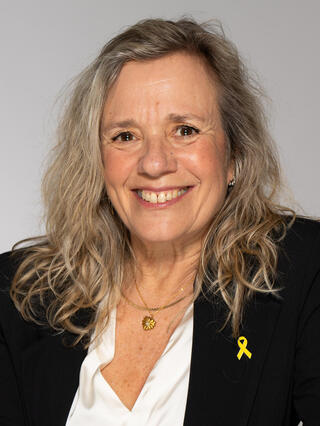 Dr. Sigal Frishman Photo: Rami Zarnegar
Why can caffeine be addictive?
“Caffeine is a psychoactive substance with the potential to cause dependence and withdrawal symptoms, particularly with daily use,” Frishman said. “Withdrawal symptoms can include headaches, fatigue, poor concentration, low mood and even flu-like symptoms. These usually appear a day or two after stopping and can last up to a week. The risk of dependence and withdrawal grows as consumption increases.”
Who is most at risk?
“For people with anxiety or sleep disorders, caffeine can worsen symptoms and cause both psychological and physical dependence, even at relatively low doses,” Frishman noted. “In children and adolescents, the developing brain is more vulnerable, raising the risk of dependency and daily impairment. Pregnant women are also more sensitive, since their bodies metabolize caffeine more slowly, which is why limiting intake is strongly recommended.”
How to cut back?
“The best approach is gradual reduction,” Frishman advised. “Decrease amounts step by step. Always prefer moderate consumption and avoid high-caffeine energy drinks, especially in at-risk groups. For those with anxiety or sleep issues, significant reduction—or even complete avoidance—is recommended, particularly in the afternoon and evening, since even low doses can worsen symptoms.”