

“I always felt like the odd one out.” “I was different.” “I was never accepted.” That is how women who discovered they are on the autism spectrum in adulthood describe their lives, often after one of their children was diagnosed.
“Many high-functioning women know how to mask their symptoms,” said psychiatrist Dr. Yifat Hendel. “Over the years, they learn to imitate behaviors and understand which of their own behaviors seem unusual. They are very direct, which can be interpreted as a lack of tact. With time, they learn what is considered appropriate and what is not. When a woman like that comes for an evaluation with her child, she often begins to see similarities between them.”
Gallery
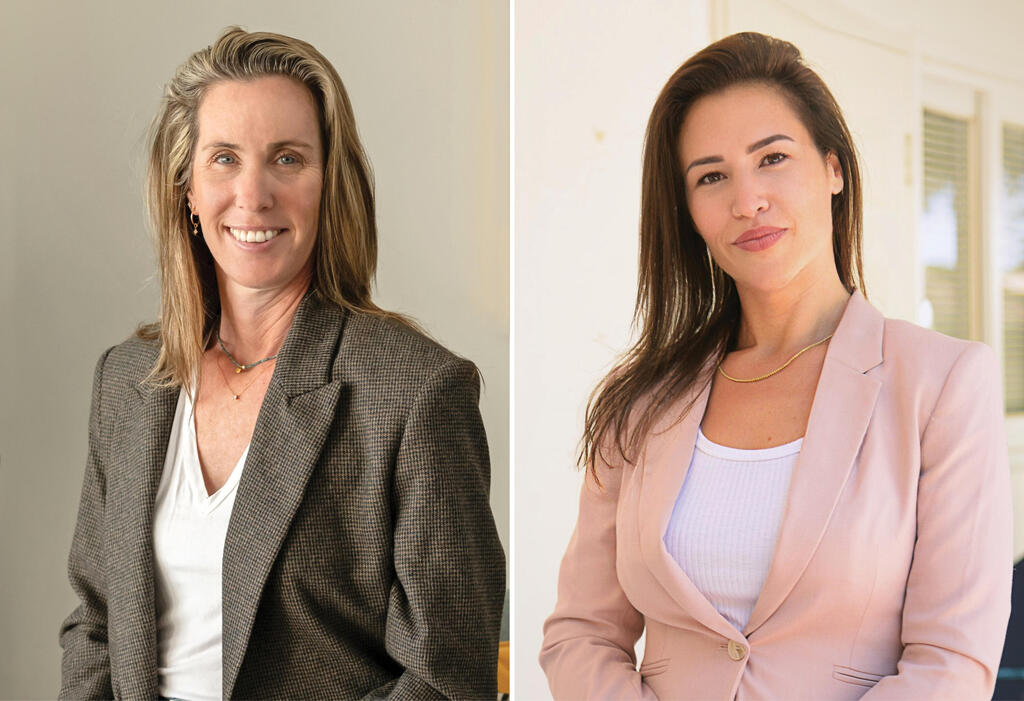
Mothers on the spectrum: Chen Hartov Sedbon and Eti Avital
(Photo: Liat Mandel, Ayala Barak Haelion)
A diagnosis, Hendel said, often brings relief. “Suddenly, they receive an explanation and validation for the difficulties they experienced. As mothers, they can sometimes better understand the distress of a child on the spectrum.” Hendel herself is the mother of a child with a communication disorder.
‘That’s when it clicked’
“All my life, I felt different. I knew something about me was not the same,” said Eti Avital, 40, a mother of two from Yavne. “Many autistic people who go undiagnosed feel that way. I was in therapy from a young age and was diagnosed with bipolar disorder, borderline personality disorder and ADHD. But only about three years ago did I receive the correct diagnosis: I am autistic.”
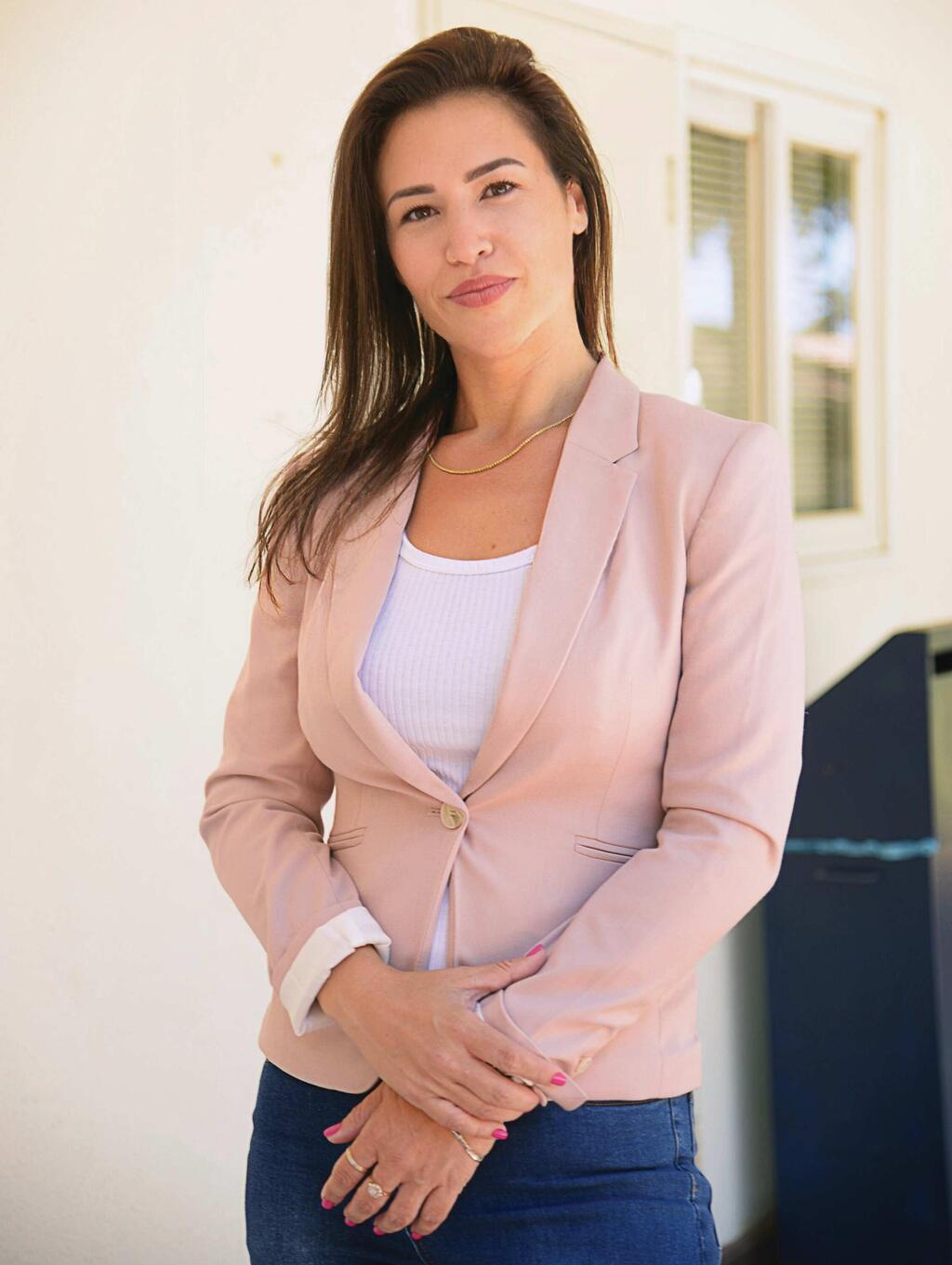
Eti Avital: 'My husband is very understanding'
(Photo: Liat Mandel)
Avital has two high-functioning sons on the spectrum. “When my older son was diagnosed, I connected with many of the things he was experiencing. The therapist asked us to describe him. I was describing him and seeing myself. But it was only when my younger son was diagnosed that everything finally clicked for me. My heart ached for him because he reminded me of myself. I understood that, like him, I was alone a lot and struggled to connect with other children. I wanted to, but I didn’t know how.”
She recalls that even at university, classmates would borrow her notes, only for her to later discover they were meeting to study without her. Despite that realization, it took another two years, alongside my older son, before I truly began to investigate, and then I understood that I had been misdiagnosed.
"It was important for me to undergo a formal evaluation, and when I walked out of the psychiatrist’s office, I wanted to shout in the streets of Tel Aviv that I’m not just weird, I’m autistic. I was overjoyed. I celebrated.
“Suddenly, everything was clear as day. I had always felt a gap, and now it had a name.” In the workplace, she said, she struggled to survive. “I was fired or I quit because I didn’t understand organizational politics.” Today, she is self-employed, CEO and owner of a storytelling and public speaking academy. “My role is clear, I have a script. Even when I was young and wanted to call a friend, I would prepare a conversation script in advance.”
Long-term relationships remain challenging. “What’s longer term than raising children? I struggle with tasks, with prolonged eye contact, with noise and talking. Sometimes I need to get into bed and be alone in the dark. My husband is very understanding.”
At the same time, she said, the diagnosis helps her parenting. “I can understand my children because I see they experience the same difficulties I do. For example, my twin sister never understood why I eat the same food all the time. Today I see that in my older son and I don’t bother him about it. My younger son struggles with anger and feels everything intensely. Since I’m like that too, I can contain him without judging.”
‘I need quiet time’
“There is a lot of frustration in being on the spectrum without understanding who you are,” said Chen Hartov Sedbon, 44, from Kfar Saba, a mother of two and a social media consultant who mentors businesswomen.
Her younger son was diagnosed at age 4. “Until then, no one raised questions. I sensed something was different. He would only wear clothes without tags. Large gatherings were hard for him. He had outbursts. He was like a café customer who wants his coffee very precisely, and if it’s not exactly right, he sends it back. Today I understand that this kind of order provides a sense of control within chaos.”
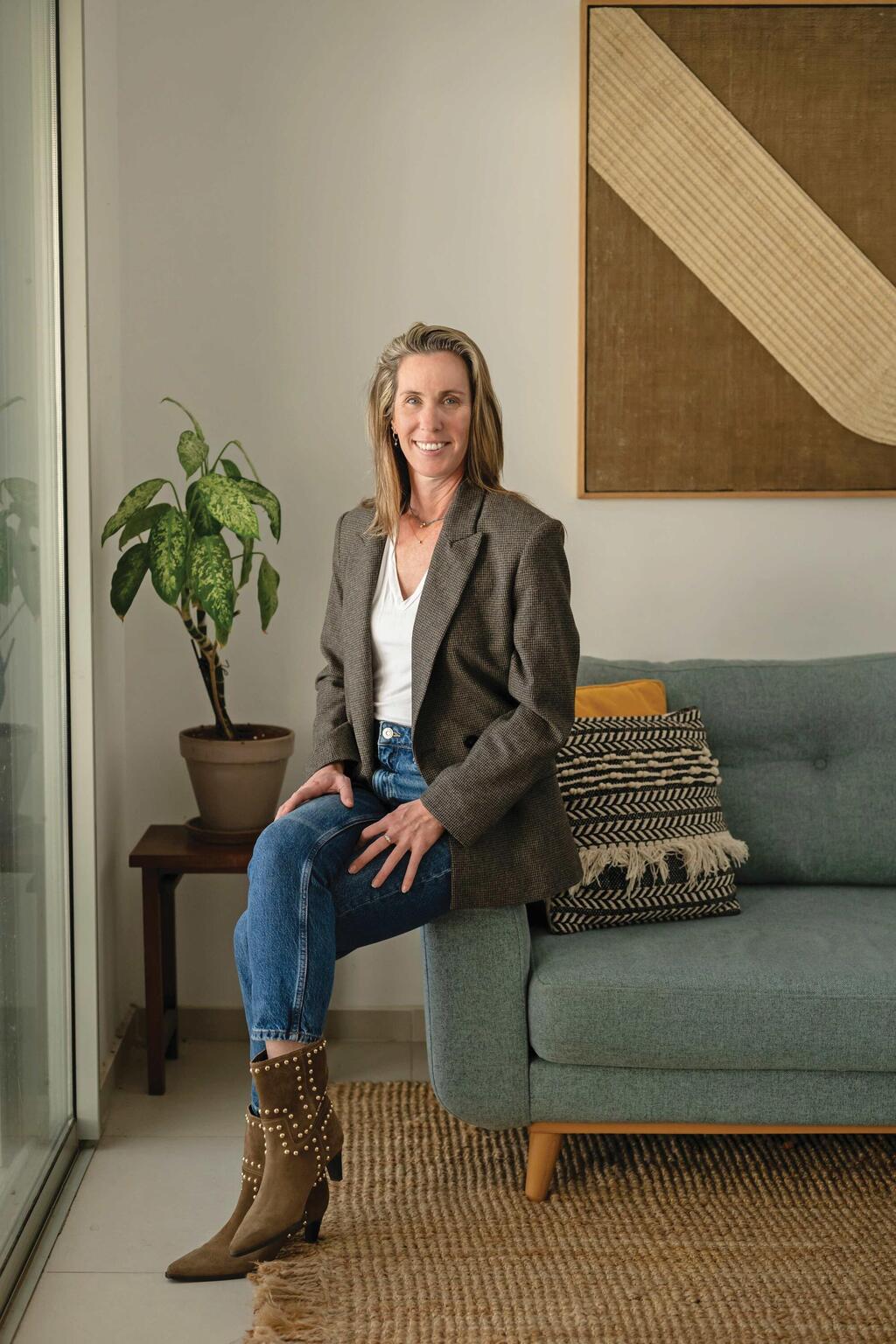
Chen Hartov Sedbon: 'Now mom needs quiet'
(Photo: Ayala Barak Haelion)
“I felt like I was raising five children. I was exhausted. On one hand, my intuition told me something wasn’t right. On the other, I was afraid. I took him to evaluations and therapies, but it wasn’t until he was nearly 4 that a hydrotherapist said, ‘I think he’s on the spectrum.’ I went to a pediatric neurologist, who confirmed the diagnosis.
“We went through a period of grief over the shattering of 'perfect child fantasy', but we got on the right path. We learned how to manage things with him, to understand his language, to recognize when he was on the verge of an outburst, when he needed a tight, enveloping space, and not to push him into situations that overwhelm him.”
After his diagnosis, she began to question herself. “I’m also very sensitive. I also don’t like large groups. When I was younger, I didn’t understand why my friends were accepted to jobs and I failed personality tests. At some point, I realized I needed to be self-employed and went into public relations. At 42, after these questions had been simmering within me, I was diagnosed too.”
“Today everything makes more sense. I know what suits me. I know I need a slower pace. I need time to stare into space and time to calm down. I can handle one meeting a day, at most two.”
The diagnosis, she said, also sharpened her parenting. “I understand that my son and I need an organized environment, a tidy home, a clear routine. It gives us quiet. I understand the deep focus on special interests that many children on the spectrum have. For me, it was Barbie dolls. As I grew up, it led me to fashion. I don’t fight my children’s needs. I can set boundaries and say, ‘Now, Mom needs quiet. I’m not available.’”
Diagnosed at 25: ‘I knew my parenting would be different’
Michal Berkowitz Bar, 38, from Tel Aviv, knew she was autistic before becoming a mother. Today, she has two daughters (7, 5) and newborn twins. She is a violin and viola teacher, lactation counselor and autism workshop facilitator.
“I am autistic, and I don’t like being called other names,” she said. “My daughters have known from a young age that they are autistic. It’s part of the conversation at home.”
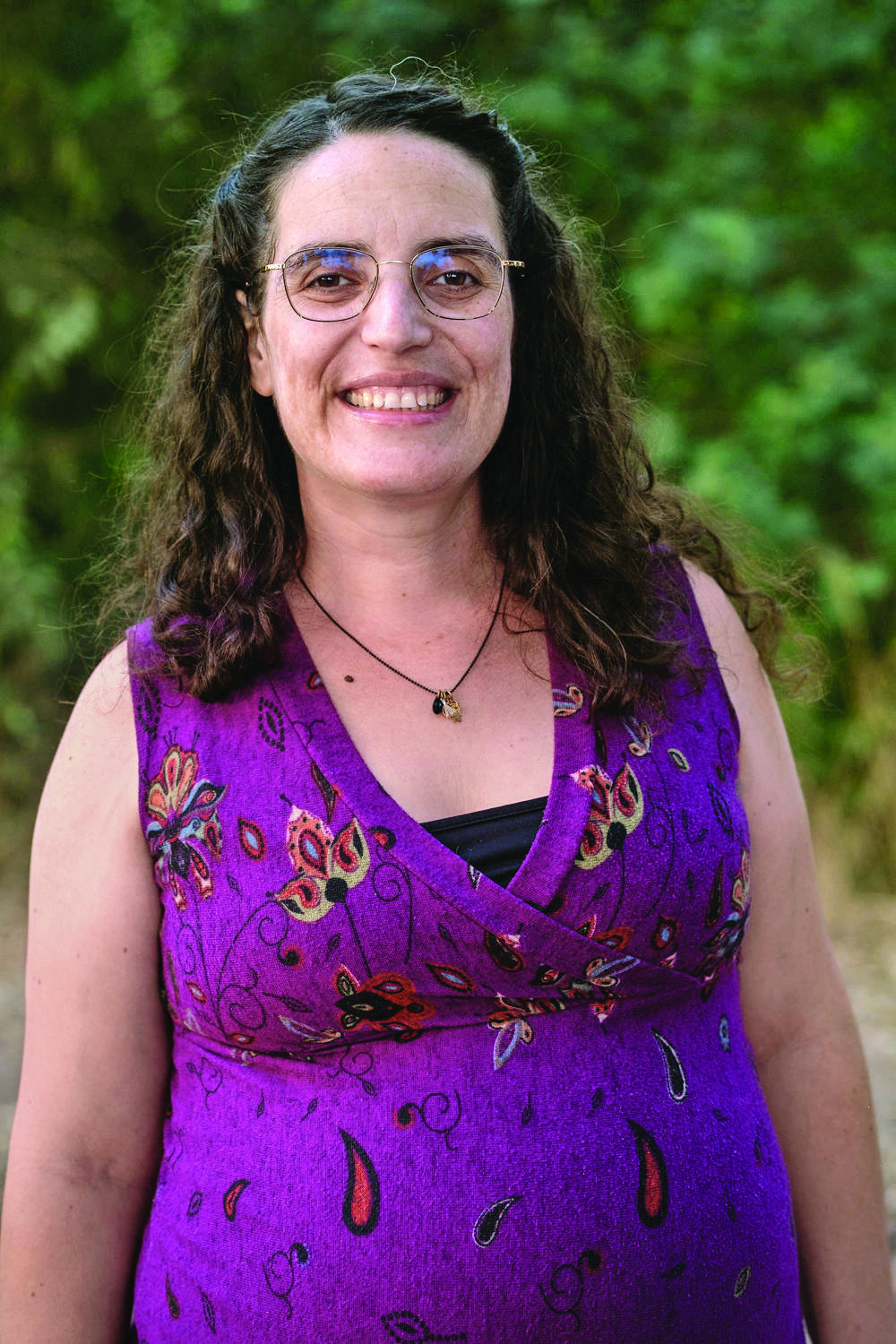
Michal Berkowitz Bar
(Photo: Matar Weinberg)
She remembers feeling different in kindergarten. “I didn’t understand what was happening and everything surprised me. I could play alone in the sand for hours. At the time, my mother was advised she should have me evaluated, suggesting I might have an intellectual disability.
"In junior high, I tried to be part of a group, but it didn’t work and I suffered for it. I would correct teachers if they mispronounced a word and didn’t understand why that was a problem. I stood out and didn’t fit in, not even in a music class full of nerds.
"In the army, I served in a prestigious intelligence program, and I stood out there as well. It wasn’t easy. After my service, I studied musicology, linguistics and music education, though not at the same time. It took me 11 years to complete my bachelor’s degree.
“I was diagnosed when I was 25. My eldest daughter was born when I was 29, and by then I was already active in advocacy in the field. I knew my parenting would be different, but I don’t know what it’s like to be a non-autistic mother. I do know that I believe my daughters. I remember growing up without my feelings being validated, and I act differently.
“I think that because of the autism label, sometimes people believe them less. I understand my daughters very well. For example, I eat very specific foods. If I’m at a restaurant, I’ll always order a vegan dish with broccoli, so it’s easy for me to understand that in my children. I’m sensitive to smells, so my partner handles the laundry. To sleep, I need a certain temperature and complete darkness. When you experience these things yourself, it’s easier to understand them in your children.”
“Autistic people need an accommodating environment,” she said. “If a child wants to wear only short clothes, that’s fine. There’s no need to fight them. I think autistic children are fought more. Once there’s a label, everything gets tied to it.”
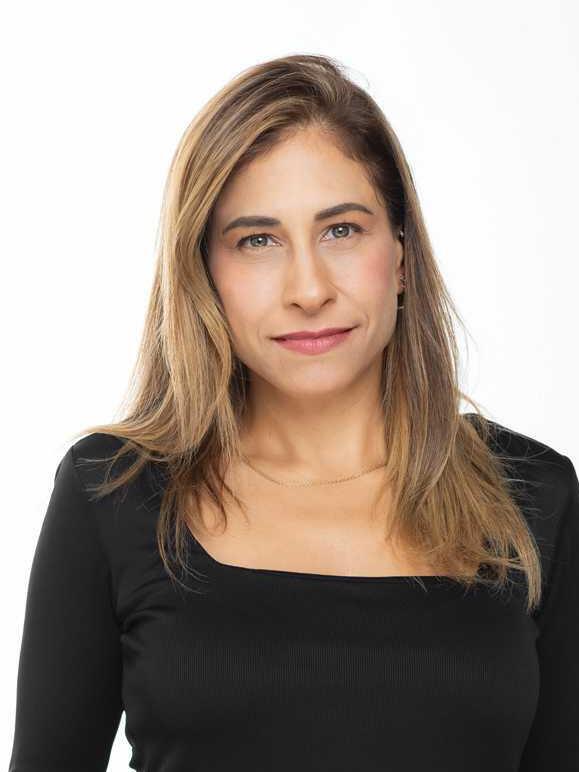 Dr. Yifat HendelPhoto: Meital Azulay
Could you be on the spectrum?
Dr. Hendel lists signs of possible undiagnosed autism in women:
- A long-standing diagnosis of anxiety, depression or ADHD
- A deep sense of difference and lack of belonging since childhood. A feeling of “I’m different,” without being able to pinpoint exactly why
- Extreme mental exhaustion after social interactions
- Difficulty identifying and expressing internal feelings
- Social anxiety rooted in sensory overload rather than fear of rejection
- Functioning better with clear rules and structure
- Difficulty forming relationships, or a preference for being alone
- Significant distress around change and rigid, black-and-white thinking
- A sense of collapse and need to withdraw when overwhelmed
- Lifelong sensory sensitivities, including to noise, smells, touch, light or certain foods
- A feeling of investing great effort over the years to appear “normal” and to belong