

My son is 8 years old. This year he asked to celebrate Halloween, and I immediately said no. I told him absolutely not, and the words came out of me without thinking. “But why not, Mom?” he asked, without hesitation. “Seven kids in my class are celebrating. I want to celebrate too.”
Something inside me became angry that I even had to have this conversation. It was not one I had planned for or chosen to have. It just appeared one Thursday at the end of October because some Israelis think it is exciting to celebrate Halloween. Every year more families join in, and now it is starting to become a cultural trend. But what does it really represent? Why should my child have to choose between fitting in and staying true to who we are? And why do I always end up being the unpopular mom who thinks differently?
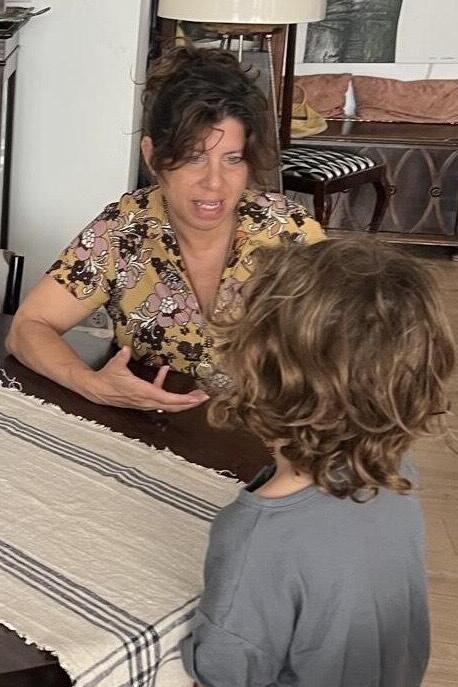
So I started to explain. I told him that our story is different, that Halloween comes from another story. Long ago, people made clay figures and other objects and prayed to them. They believed in many small gods and gave them gifts, and sometimes even offered people to them. I told him that we, the Jewish people, believed something else. We believed there is only one God. We did not have small statues or figures because our God is in the heavens. That made us brave and unique because we thought differently.
I added a bit of the spiritual ideas he already knows, hoping it would help him understand. I ended by saying, “It is not our holiday. It is not our story. We have Purim, Hanukkah, Rosh Hashanah, and Passover.”
But he insisted. There is a neighborhood candy map, and he wanted to join in. My heart tightened. Why should a child have to choose between belonging and preserving his own heritage?
He ended the talk by saying, “Our holidays are boring.”
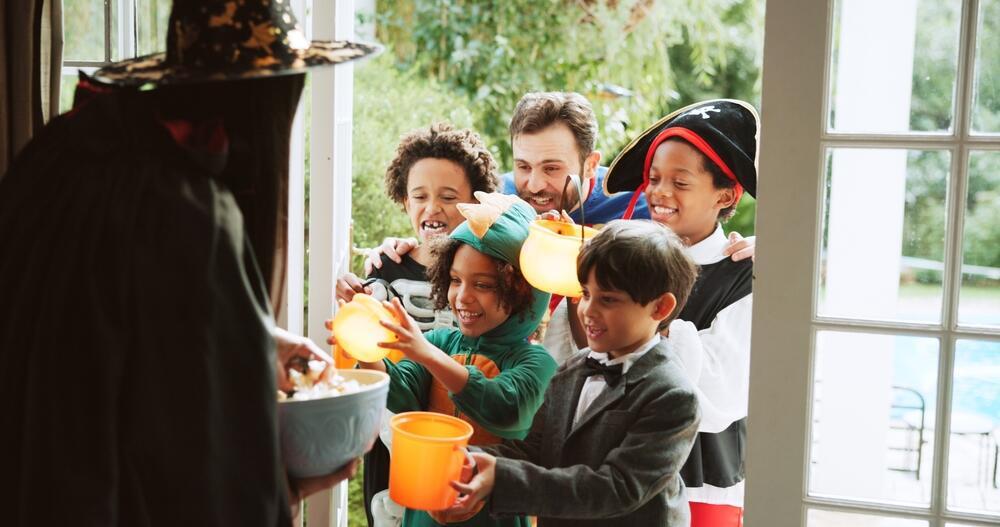
This isn’t our story: Halloween
(Photo: Shutterstock)
I hated leaving it at that. I was upset that I did not have a better answer. I felt that my explanation was not enough and that I was missing something deeper.
So I turned to my online chat and asked other parents what they thought. I became even angrier when I realized that most of them did not care. No one seemed to be bothered by this the way I was. Why am I always the one upset by things everyone else accepts? And where is the education system in all this, when the questions are about identity and culture?
Later I sat with my son again. I told him I am not against fun or candy or learning about other cultures. I simply believe that at his age it is more important to know our own stories first. Our holidays are not just fun activities. They have meaning. Passover is about freedom. Hanukkah is about courage. Yom Kippur is about reflection, about asking who we are and whether we have done good in the world.
There is something wrong with celebrating a holiday just because it is fun without understanding what it means. What are you actually celebrating? When you do that, you focus on how to celebrate and not on what you are celebrating. It might seem like a small difference, but it matters. Instead of celebrating roots, values, and belonging, you are celebrating imitation.
Children who celebrate Halloween here are practicing cultural copying instead of cultural identity. When parents and kids around them get excited about that copying, it sends the message that what is fun and exciting comes from outside, not from our own beautiful traditions. That attitude encourages a kind of cultural inferiority, as if our own story is not enough.
I reminded him that holidays are not just parties. They carry meaning. We celebrate the same way our parents and grandparents did. They are memory, language, and values passed down through generations.
And I realized something. Holidays are not just dates on a calendar. They are made of culture and identity. They are connection, memory, and belonging. Our story is just as wonderful and just as exciting as any other.
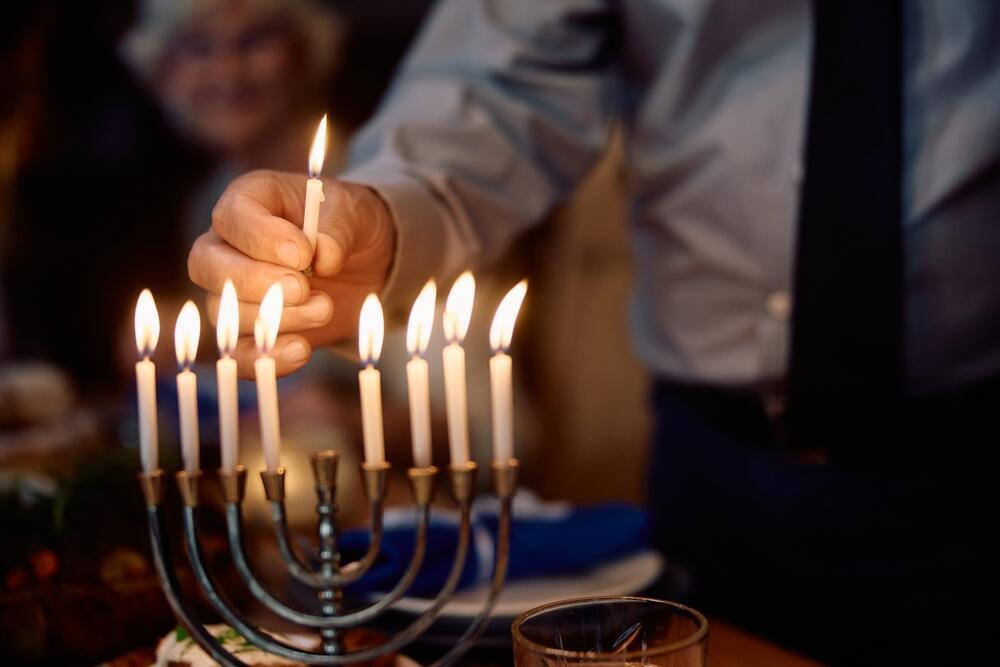
Holidays have meaning: lighting Hanukkah candles
(Photo: Drazen Zigic / Shutterstock)
I want my son to grow up with a clear sense of values and culture, not from arrogance or separation, but from confidence in who he is and where he comes from. I am not a psychologist. I do not know exactly what celebrating Halloween does to a child’s sense of identity at age eight. I only know it is not right for my child, and that it is my job to protect him even in uncertain and confusing moments.
Do not get me wrong. I love the world, its diversity, and its global culture. But I worry that what looks like a simple candy-filled night could, over time, soften and blur our children’s sense of who they are and where they belong.
So when I see Israeli kids dressed up for Halloween, or when I read posts from parents asking for neighborhood candy maps, I feel a strong ache in my heart. Not just for my son, but for all of us.