

One day your skin looks glowing, smooth and seemingly flawless. A few days later, despite using exactly the same products and following the same routine, it suddenly looks dull, feels sensitive or breaks out.
For years, skincare has largely been built around consistency: find a routine that works and stick to it. But a growing beauty trend known as cycle syncing takes a different approach, arguing that skincare should respond to hormonal changes throughout the menstrual cycle rather than remain identical from week to week.

The idea behind cycle syncing is simple: Instead of forcing the same products on the skin regardless of how it behaves, skincare is adjusted to the four stages of the menstrual cycle, shaped by fluctuations in hormones including estrogen, progesterone, and testosterone.
The skin is essentially a reflection of our internal hormonal environment, and as hormone levels shift throughout the month, its needs can change dramatically. Using the same active ingredients indiscriminately all month long may therefore miss the mark and, in some cases, even cause irritation or damage.
Rather than treating skincare as a fixed checklist, the idea is to pay closer attention to what the body and skin need at each stage. Here is how the approach is typically applied, based on recommendations published in interviews with dermatologists and skin experts abroad.
Menstruation: Focus on hydration and the skin barrier
The cycle begins on the first day of menstrual bleeding, which typically lasts between three and seven days. During this phase, estrogen and progesterone levels are low. According to cycle-syncing skincare guidance, skin may become drier, duller or more sensitive, making this a time to emphasize hydration and barrier support rather than aggressive treatments.
Strong active ingredients, including retinoids or intensive exfoliation, may be more irritating for people whose skin becomes particularly sensitive during this phase.
What to consider using: Rich moisturizers and serums containing ceramides, hyaluronic acid, glycerin and fatty acids may help restore the skin barrier. Rich overnight masks with soothing ingredients such as aloe vera, allantoin, and Centella asiatica (also known as cica) can help replenish moisture and restore softness
Follicular phase: A window for exfoliation and brightening
After menstruation ends, the body enters the follicular phase, when follicles in the ovaries begin to mature, which continues until ovulation, typically about six to nine days, and is often considered the skin’s “golden period” of the month. During this phase, estrogen levels rise, encouraging the production of collagen, elastin and naturally occurring hyaluronic acid. This is the point in the cycle when skin may appear more hydrated, elastic and even-toned, and may be better able to tolerate active skincare ingredients.
What to consider using: This can be a convenient time to introduce gentle exfoliation like mild alpha hydroxy acids (AHAs), such as glycolic or lactic acid, which can help remove dead surface cells and reveal brighter-looking skin. Vitamin C serums may also be incorporated for brightening, supporting collagen production and providing antioxidant protection.
Ovulation: Oilier skin, time to prevent clogged pores
Ovulation occurs around the middle of the menstrual cycle and lasts about three to four days, creating an opportunity not only for conception but also to get ahead of potential skin problems.
Estrogen levels reach their peak, while testosterone also rises sharply. For some women, that hormonal combination may be accompanied by increased sebum production, signaling the skin’s sebaceous glands to produce more oil.
Dr. Sohère Roked, a specialist in hormonal medicine, told Cosmopolitan UK that skin often appears particularly bright and smooth around ovulation before progesterone begins to rise and oiliness increases.
At this stage, the main goal is to keep excess oil from building up inside the pores, where it can trap dead skin cells and bacteria and contribute to future breakouts.
What to consider using: A lightweight gel moisturizer or oil-free lotion may feel more comfortable than a heavy cream. Thorough cleansing at night can help remove excess oil, while an occasional clay mask may help absorb surface oil and keep pores clear.
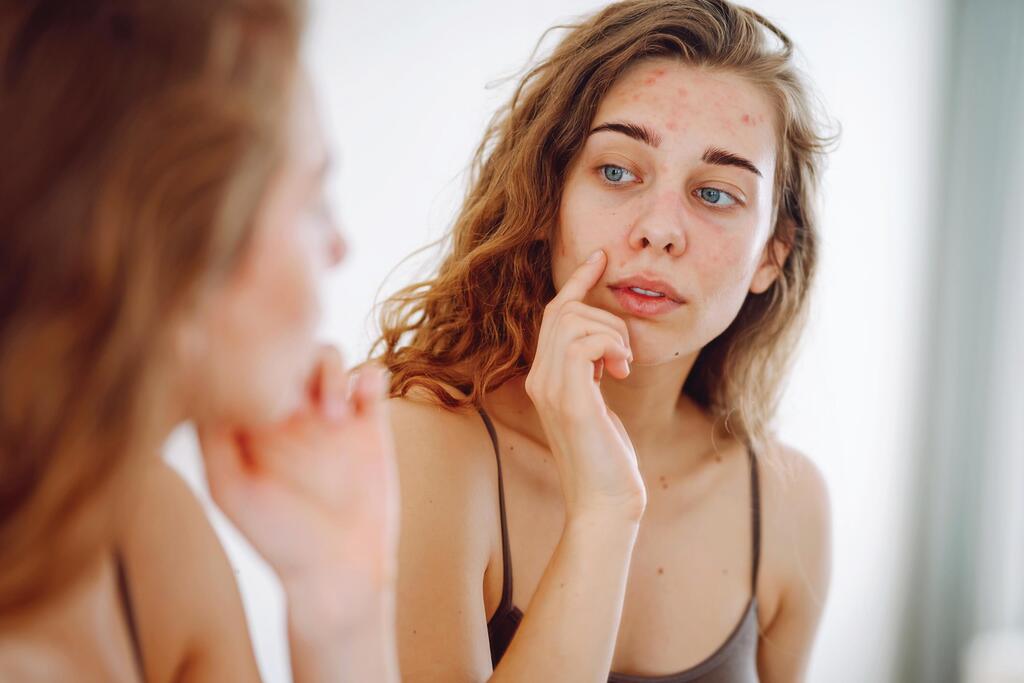
Our skin responds directly to hormonal fluctuations
(Photo: Shutterstock)
Luteal phase: Breakouts and sensitivity
may increase, time to soothe skin and use salicylic acid
This phase is often the most challenging and frustrating for many women. Lasting about 14 days on average, from the end of ovulation until the next period, it is marked by falling estrogen levels and a significant rise in progesterone, which can sharply increase sebum production.
This is when the skin may become more prone to painful hormonal acne, particularly around the chin and jawline. The skincare challenge during this phase is balancing soothing irritation with ingredients that help control excess oil.
What to consider using: Dr. Justine Hextall, a consultant dermatologist, told Harper's Bazaar that rising progesterone can be associated with oilier, breakout-prone skin, and recommended looking for ingredients including salicylic acid, azelaic acid and retinoids.
Salicylic acid (BHA) can be found in cleansers. Niacinamide may also help with oil control and redness. Spot treatments can be applied directly to individual blemishes, but squeezing, scrubbing or aggressively drying the area may make irritation worse.
Wrapping up the cycle
Switching to cycle-synced skincare does not mean replacing everything on your bathroom shelf. Rather, it is about becoming more aware of the changes taking place in the body and adjusting your routine accordingly.
Dr. Sandra Lee, the dermatologist better known as “Dr. Pimple Popper,” has also discussed cycle-based skincare on her website, noting that knowing when hormonal changes occur can help people prepare for predictable skin changes rather than responding only after a breakout appears.
Tracking the menstrual cycle, whether with a calendar or an app, and paying attention to recurring changes in your own skin may help you better match your skincare to what your skin needs at the right time, helping keep it healthier, calmer and more balanced throughout the month.