

Nothing prepared fashion designer and artist Anat Heifetz for the emotional encounter that would bring her to tears. It was late morning inside the Chiesa dell’Abbazia della Misericordia, a 13th-century Gothic church in Venice’s Cannaregio district that was recently acquired by eyewear brand Etnia Barcelona and, after a year of renovations, transformed into an art and design center. God may be in the details, but in Venice, a city that is itself an open-air museum, he is also one of art’s great patrons.
Among the many visitors was a young woman of Iranian origin who had left her homeland several years earlier and moved to Europe. Her encounter with Heifetz sparked an unexpected, cross-border conversation, all because of a pair of glasses Heifetz had designed. The work, titled I Pray for Peace, deals with hope for peace and healing and was among the pieces that led to Heifetz being selected as one of 24 artists invited by the eyewear company to take part in a two-week residency in Venice, held alongside the city’s Art Biennale.
Behind Anat Heifetz’s glasses
(video: Laura Sans, Courtesy of Etnia House of Arts)


Heifetz received the invitation a year earlier, following an exhibition in Venice held during the previous Biennale in 2024, where she presented her bamboo sculptures. They caught the eye of Etnia Barcelona, which invited her to participate in the current exhibition alongside 23 other artists from around the world, selected from hundreds of creators. Company representatives visited the exhibition and handed pairs of glasses to artists, asking them to transform them into something new. Heifetz chose a prayer for peace.
The pair she created offers an inward-looking perspective: broken black glasses combined with bamboo rods, red thread, black basalt stones and shattered glass. The burned bamboo symbolizes resilience born from destruction; the broken glass reflects shattered lives; and the red thread binds all the elements together. In explaining the selection, one of the judges wrote: “In this case, the artist put the reality in our faces.”
Gallery
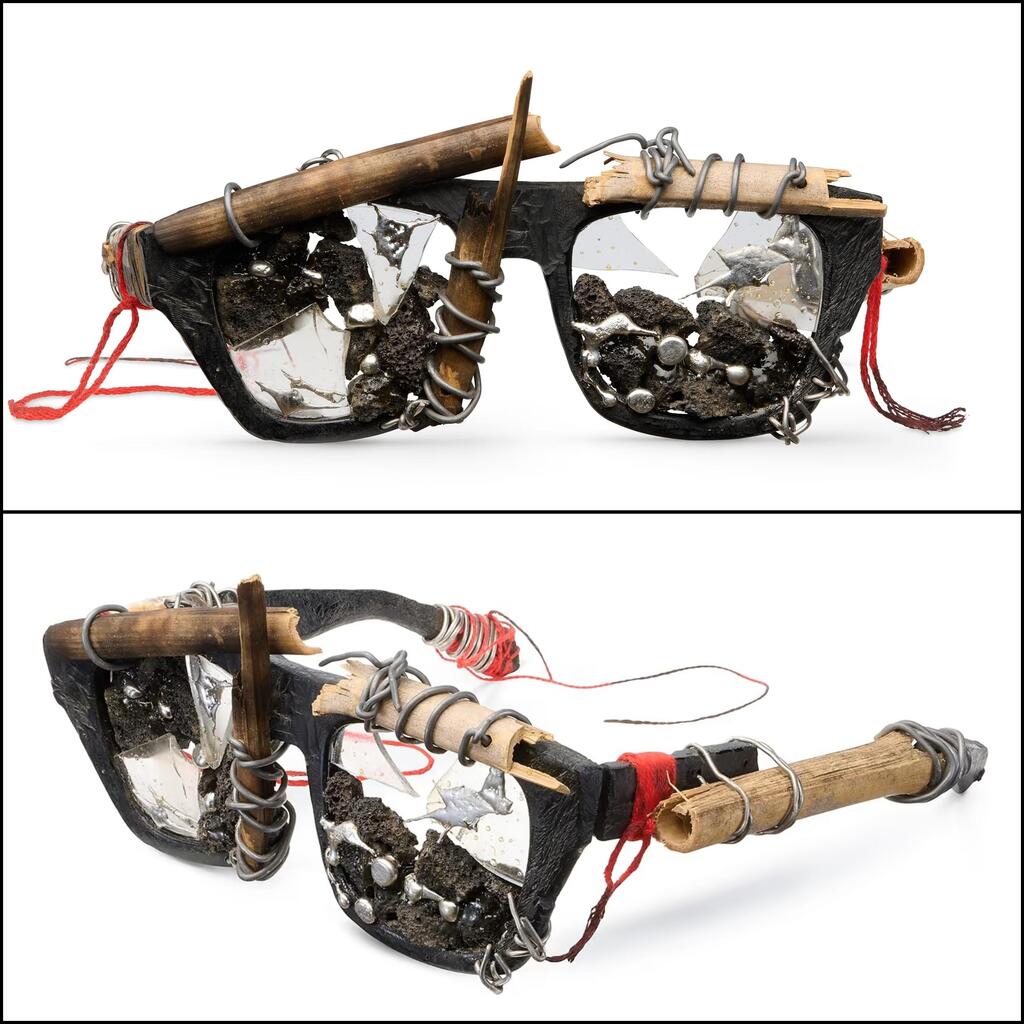
The I Pray for Peace glasses designed by Anat Heifetz
(Photo: Courtesy of Etnia House of Arts)
“Bamboo is the fundamental inspiration for my work,” Heifetz says in a special interview in Venice, sitting behind her worktable, where she dismantles, solders, glues and designs new pairs of glasses. “It is a strong and noble plant that is very difficult to burn. When I was approached by Etnia Barcelona, it was obvious to me that I would incorporate bamboo. I tried to burn it, but it only charred, and gradually I began combining the stones and metal with the aim of expressing strength through these glasses as well. Anyone who experiences war, and unfortunately this is happening all over the world, not only in Israel: Ukraine, Myanmar, Congo, needs to know that at the end of this traumatic experience, they will have the strength to rebuild.”
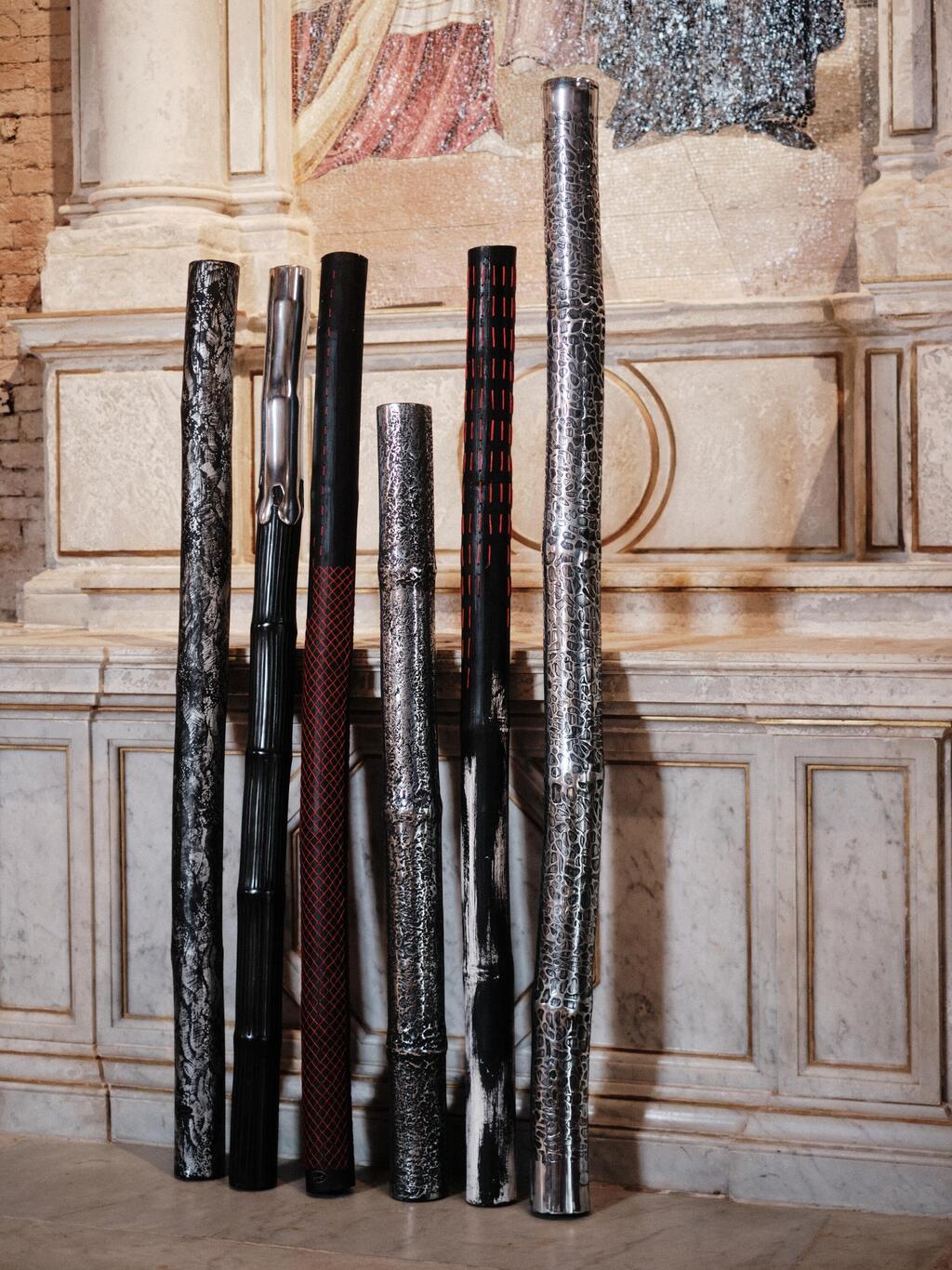
'Bamboo is the fundamental inspiration for my work'
(Photo: Francesco Reffo, Courtesy of Etnia House of Arts)
During the residency, she designed two additional pairs of glasses incorporating similar elements. One model is titled And Still We Grow.
“While the whole world is on the verge of exploding, I remain optimistic. I hope that isn’t foolish,” she says with a laugh. “What else do we have? I want to be optimistic for myself, for my children, for my friends. I don’t say, ‘It’ll be okay.’ I say, ‘We’ll make it okay.’ Meaning, don’t sit with your arms folded. Do everything I can to improve the place where I am, like volunteering at Sheba Medical Center.”
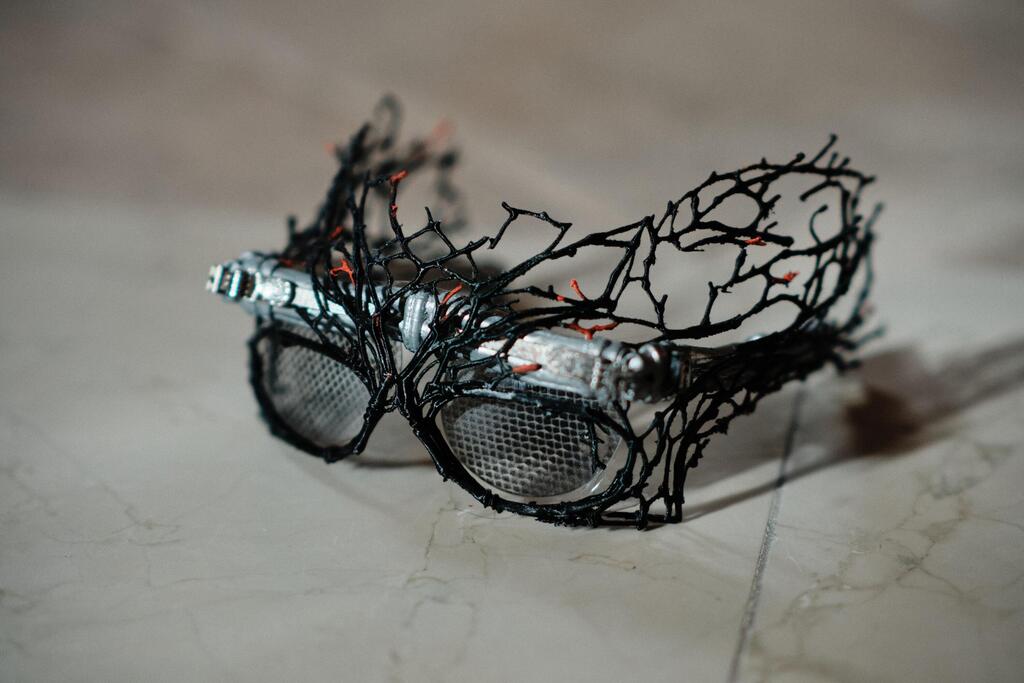
The And Still We Grow model designed by Heifetz
(Photo: Francesco Reffo, Courtesy of Etnia House of Arts)
This October, Heifetz was due to present a solo exhibition at the new art space, but Etnia Barcelona told her it preferred to postpone it for the time being.
“They invited me to the opening of the Biennale, and the glasses were one of 10 pairs shown in the exhibition. But they said they were sorry, that they were postponing the exhibition because of the situation. They aren’t prepared for demonstrations and riots. Am I prepared for that? No. When they asked how I felt about their decision, I told them I wasn’t angry, but I was sad. I understand them. I’m not sure I would have acted differently in their place. And still, I’m here.”
'Today I design with a sense of purpose'
Over the past decade, Heifetz, 70, has expanded her place in the art world. In fashion, she is considered an influential but enigmatic figure whose name is less familiar to the broader public, by her own choice. She graduated from Shenkar College’s fashion department, where she later taught generations of students, including the late Alber Elbaz, one of the department’s most famous graduates.
Unlike designers who dreamed of seeing their names emblazoned across a store on Tel Aviv’s Sheinkin or Dizengoff streets, Heifetz worked behind the scenes, designing and manufacturing for international brands ranging from Primark, ASOS and Marks & Spencer to designers and labels such as Tommy Hilfiger and Calvin Klein. And that is only a partial list.
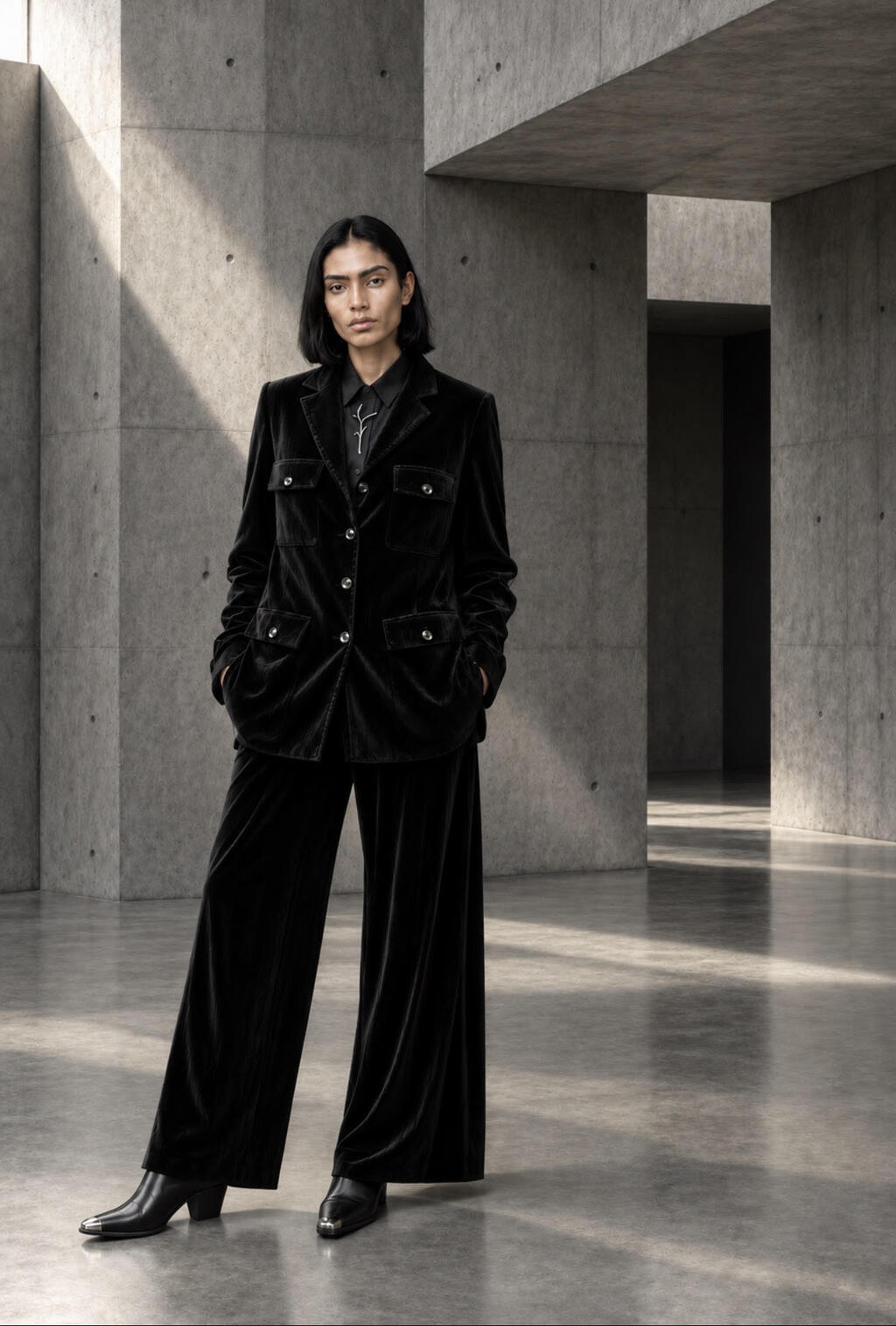
'I got tired of the quantities, of that flood, of the consumer culture of buying more and more' Kawayan
(Photo: Courtesy of Anat Heifetz)
Five years ago, while living in Manila, the capital of the Philippines, with her partner and their son, she founded the fashion brand Kawayan, which means bamboo in Tagalog, one of the main languages spoken in the Philippines. The label does not follow passing trends and is designed almost entirely in black, with a little white at times.
Heifetz describes black as a color rich in variety and depth, layering textures and different materials, from silk and cashmere to leather and metal. The result is a minimalist yet sensual aesthetic, built around timeless, high-quality pieces.
“I have always loved my profession, and I still love it,” she says when asked why, at an age when many of her friends have retired to focus on their homes or grandchildren, she continues creating without pause.
“I apologize to my children and grandchildren,” she adds with a smile, referring to her disappearance from family life in August.
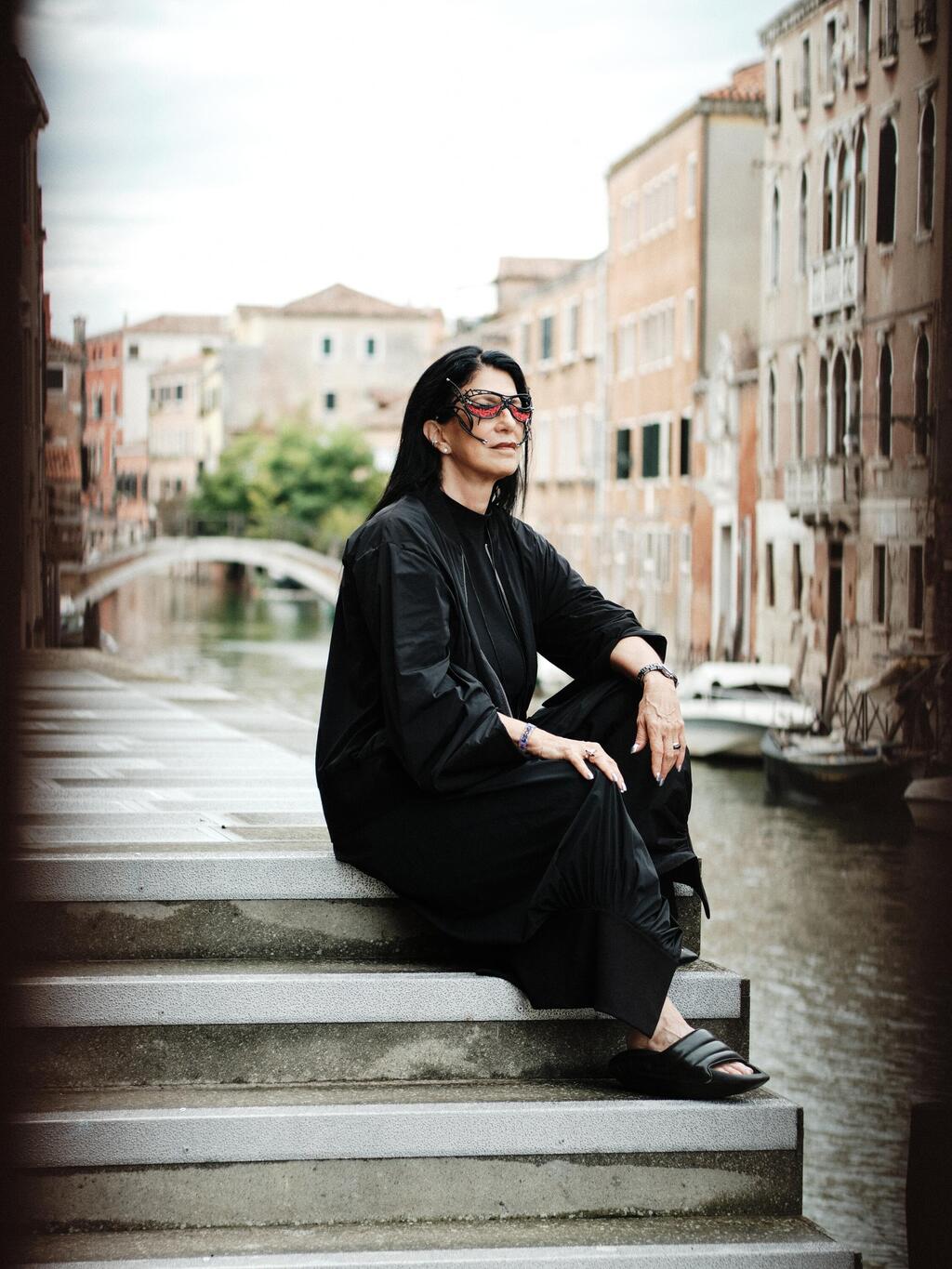
'I have always loved my profession, and I still love it'
(Photo: Francesco Reffo, Courtesy of Etnia House of Arts)
“Today I design with a sense of purpose. I think there are many women my age who have trouble finding something that, on the one hand, doesn’t feel inappropriate for their age, but on the other hand doesn’t make them look too old. You know, I’m 70. I don’t want to dress like I’m 20, but I also don’t want to dress like an auntie. I want to offer them something fashionable, timeless, a little edgy. I think I’ve got it pretty right for them.”
As an example, she points to the black T-shirt she is wearing, with sleeves extending to the lower part of the upper arm, paired with relaxed jeans of her own design.
“There are two kinds of women: there are women who are incredibly beautiful, and then there are women like me, who improved,” she jokes. “When I was born, my grandmother told my mother, ‘Yehudit, from here it can only get better.’ It’s a beautiful sentence. And I really am improving.”
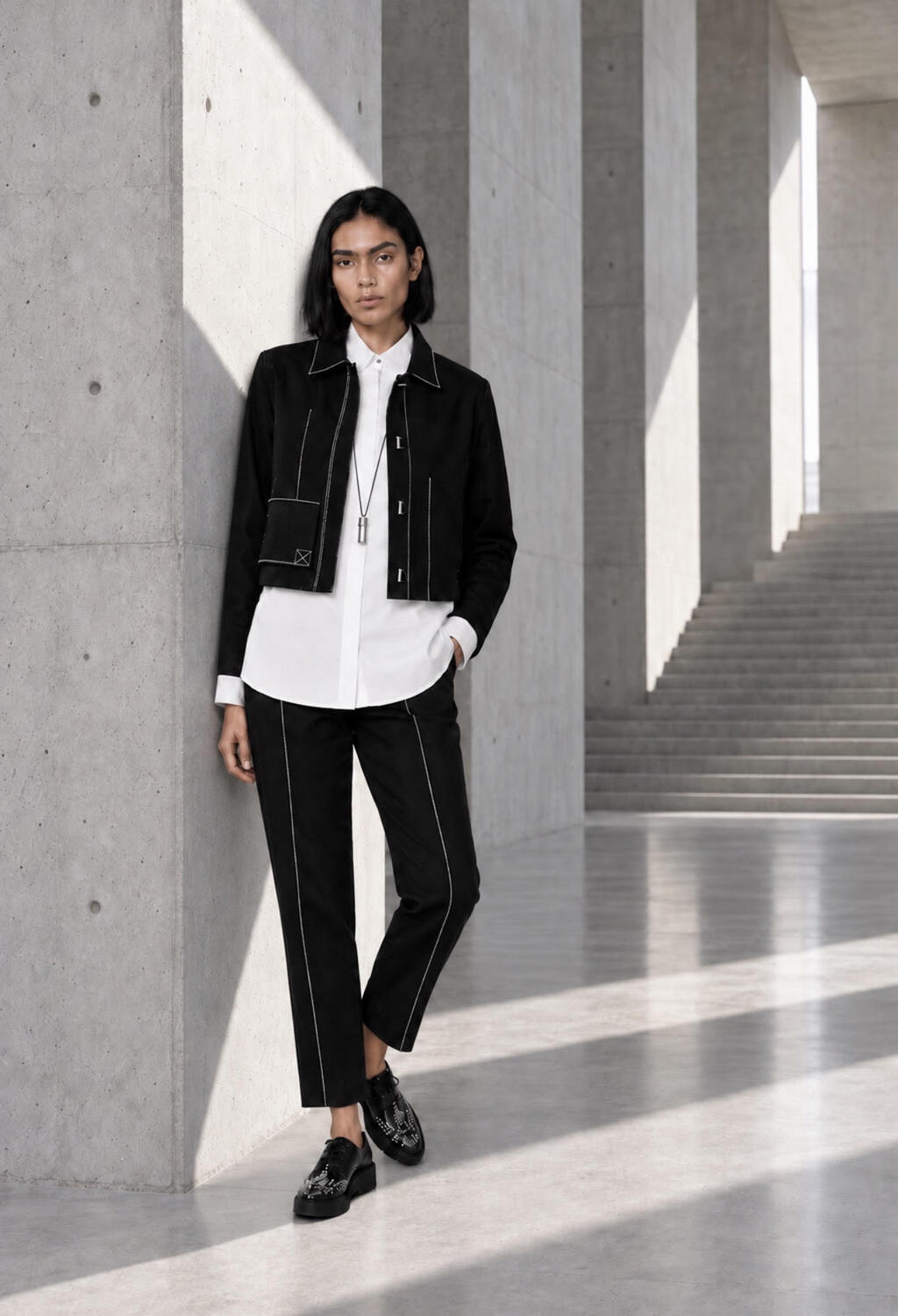
'I don’t want to dress like I’m 20, but I also don’t want to dress like an auntie' Kawayan
(Photo: Courtesy of Anat Heifetz)
“A few years ago, I had a facelift, and I’m not ashamed of it. Ten days after the surgery, I gave a lecture at Shenkar, and I arrived with bruises all over my face. I told the class: Everything is fine, nobody hit me, I just had a facelift. My brain works, my mouth works, so I can function. To me, there’s nothing shameful about it.
“I never thought in my life that I would have surgery, but when I was living in Manila, I had a major exhibition at an art museum and they came to make a film about me, and I didn’t like what I saw. Now, I don’t care what other people think. What matters to me is what I see in the mirror, and I decided to fix it. I don’t think I look overly stretched. I look fine.”
Her new phase as an artist and a designer producing in small quantities is a complete reversal from the designer she was until about a decade ago.
“The fun for me is that whatever I want to do, I do,” Heifetz says of the transition from commercial design to artistic creation. “All those years, I was a designer making things that were wearable, commercial. Here, I do what I want. I can sit for two months and paint stripe after stripe after stripe on bamboo. I don’t have a deadline or an obligation to create a garment that has to cost no more than three dollars.”
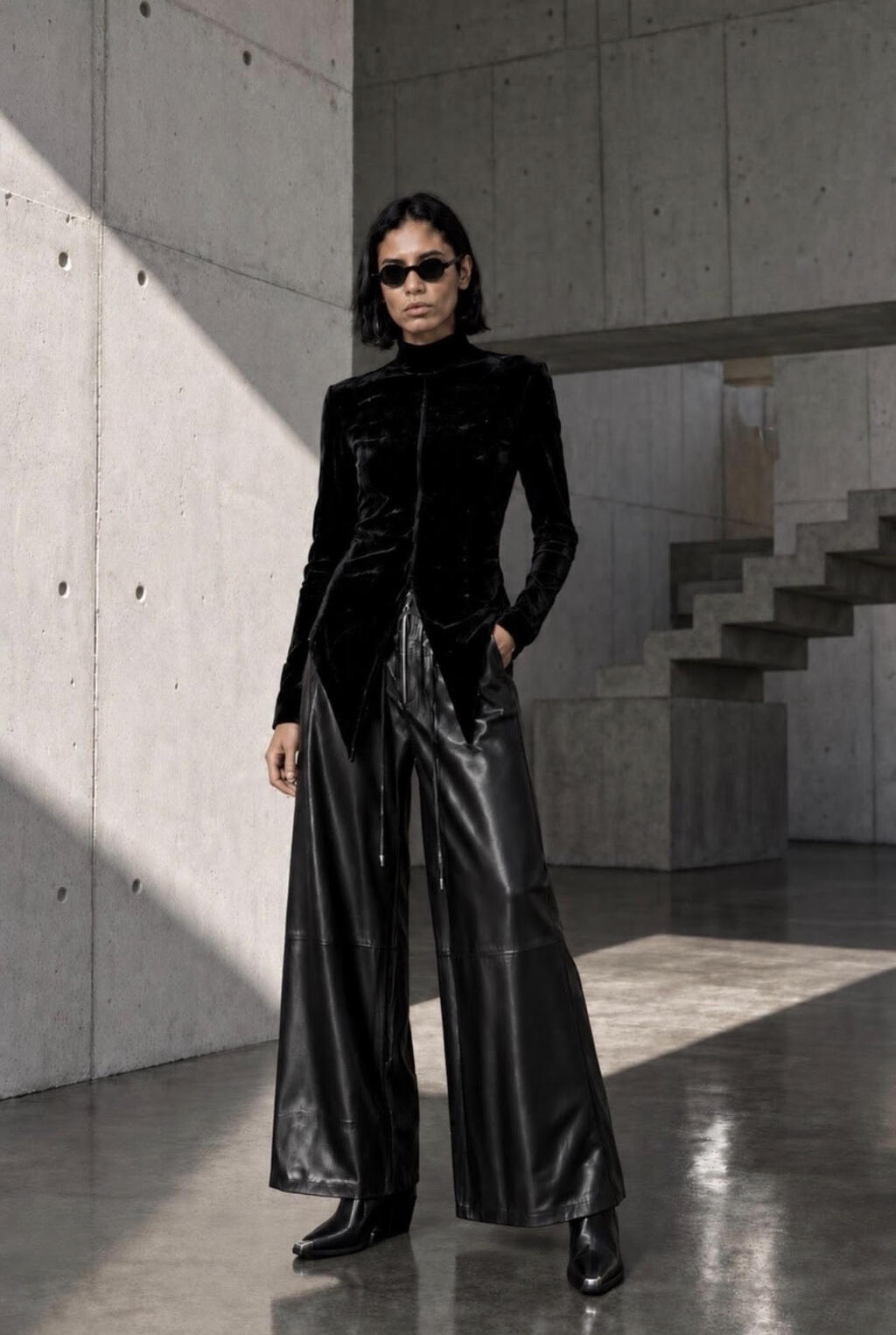
'I don’t have a deadline or an obligation to create a garment that has to cost no more than three dollars' Kawayan
(Photo: Courtesy of Anat Heifetz)
Still, even when working as an artist, Heifetz cannot separate herself from her professional training as a designer.
“My basic way of thinking is that I plan,” she says. “I’m not someone who sits in front of the bamboo wondering, ‘What am I going to do?’ I think first. I have a structured process in my work, the way I was trained as a designer. And sometimes that isn’t a bad thing, because my results are very precise compared with what I wanted.”
But perhaps the biggest change is in her attitude toward quantity. For years, she worked within the international fashion industry, producing tens and hundreds of thousands of units from each design, pieces she still recognizes on the street today. With her independent brand, she still creates many designs, but only in small quantities, up to 15 pieces per style.
It is an interesting shift in outlook that is also reflected in her art, where the power lies in a single, one-of-a-kind object.
“In the past, I loved the power of quantity,” she says. “Selling 50,000 pairs of jeans is insane. To me, there was enormous power in that. But I admit that today I’m a little tired of the quantities, of that flood, of the consumer culture of buying more and more. Today I feel there is enormous power in one thing that is complete and very strong.”