

In Israel’s winter, which arrives in short bursts but leaves behind a trail of viruses, bacteria, coughs and dripping umbrellas, small acts of courtesy can mean the difference between social discomfort and a pleasant experience in public spaces.
Tami Lancut Leibovitz, a longtime etiquette expert who has spent decades teaching Israelis how to navigate social situations properly, and has recently become a TikTok star, spoke to ynet to explain how best to behave during the rainy season. She also shared a surprising take on the common habit of saying “bless you” after someone sneezes.
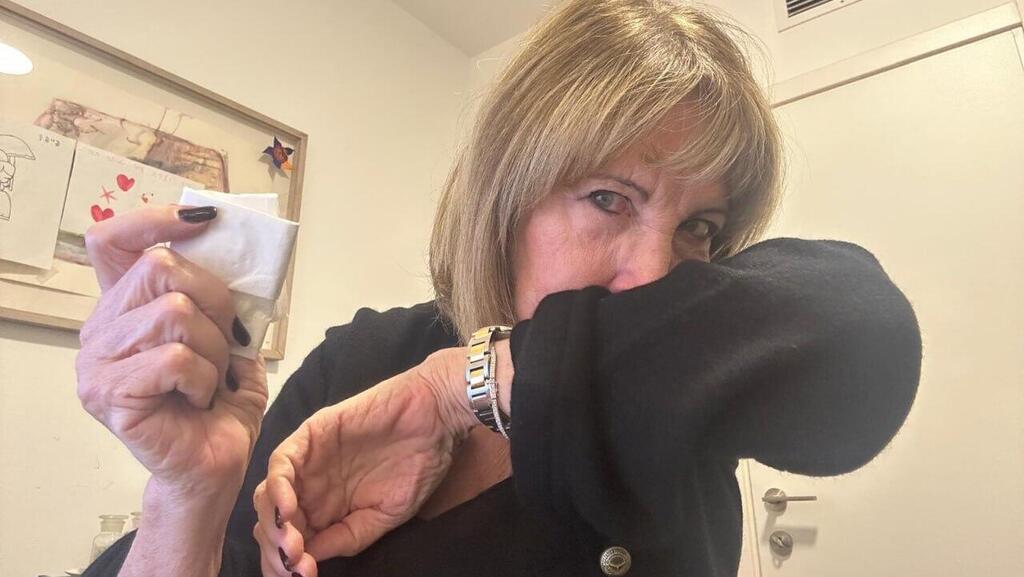
“The first thing is that we have this workaholic tendency, which leads us to show up even when we’re sick,” she said. “So first of all, when we sneeze — and we should remember this from the COVID era — we should always sneeze into our elbow. Another point: when we sneeze, it’s also appropriate to say ‘excuse me.’”
Every winter, Lancut Leibovitz sees the same familiar scenes: uncontrollable sneezing, piles of tissues in the office, umbrellas dripping onto the floor and drivers splashing water on pedestrians. But she believes all of these moments could be handled more gracefully by following a few simple rules.
(Photo: Courtesy)
(Photo: Courtesy)
She adds a surprising detail: saying “bless you” after someone sneezes is not actually necessary. “Not everyone knows this, but there’s no obligation to say ‘bless you,’” she said. “The person who sneezes should simply mumble ‘excuse me,’ and that’s more than enough.”
According to Lancut Leibovitz, once the person sneezing has apologized, those around them should stay silent — just move on without responding. “The goal is not to embarrass the sneezer, who already feels caught and might be thinking, ‘Now I’m the one spreading germs.’ Saying ‘excuse me’ allows everyone else to carry on as if nothing happened.”
What about tissues?
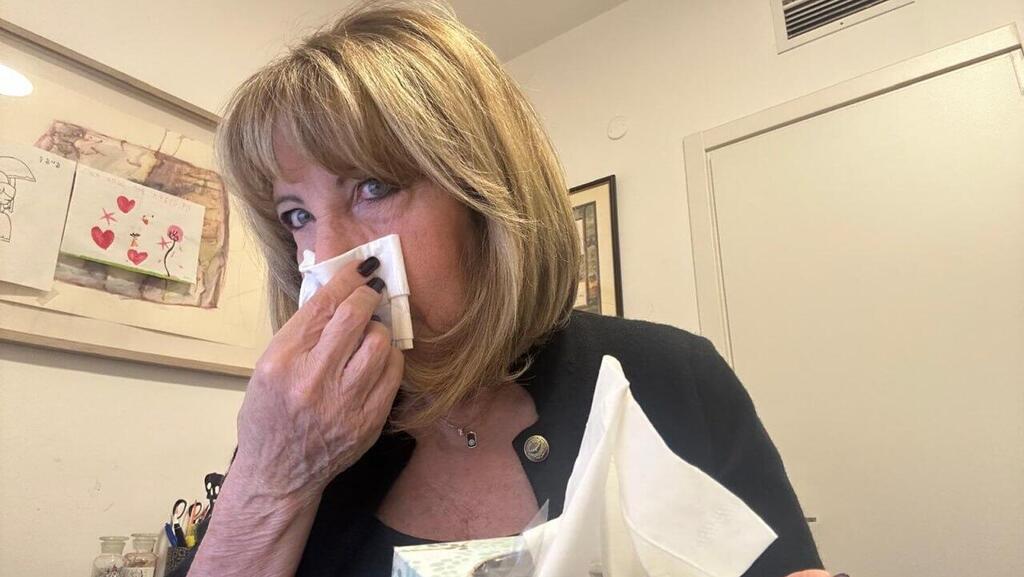
“There are all kinds of unpleasant ways people wipe their noses. So first, just fold the tissue, dab and that’s it.” If more is needed — what she jokingly calls “making additional music” — she recommends simply stepping outside to finish.
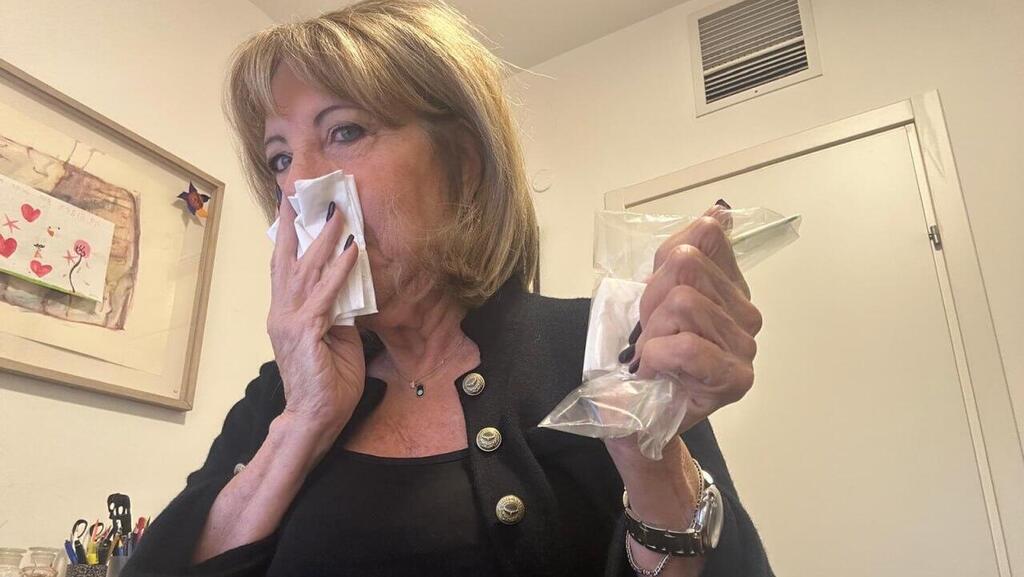
She also suggests a practical tip: carry a small plastic bag for used tissues. “Everyone should have a personal little bag for used tissues. Don’t even throw them directly into the trash, it’s not hygienic,” she said. In offices and restaurants, she explained, it’s common to see piles of wet or used tissues on tables or overflowing bins. That’s why, she says, it’s important to take a moment, stay mindful and collect used tissues in a personal bag.
Is it possible, or even desirable, to control the volume of a sneeze?
“Look, there’s no chance you can actually control that. Some people really put their heart and soul into sneezing,” she said. Still, she emphasized the minimum standard: “Just don’t let it out into the air. Sneeze into your elbow or a tissue.” There are certain natural sounds we can’t control, she added, but at the very least, one should say “excuse me” afterward. The rule remains simple: sneeze as politely as possible, and say excuse me.
What should you do if you have a coughing or sneezing fit on public transportation or at an event?
“In that case, if it’s a real fit, just step outside, calm down and return quietly,” she said. “You can’t ruin an entire event because of it. Just apologize, step out, come back — and everything’s fine.”
(Photo: Shutterstock)
From there, Tami shifts to a topic that particularly bothers her: how Israelis handle umbrellas. Unlike abroad, she says, where many establishments provide special plastic bags for wet umbrellas, in Israel, people tend to walk into buildings with dripping umbrellas.
“Abroad, you have those plastic bags you’re supposed to use before entering,” she explained. “So here, I often suggest that offices place a nice container outside where people can leave their umbrellas, rather than walking in with one that’s dripping wet.”
She also recommends carrying a spare plastic bag when using public transportation: “Don’t hold the umbrella upright. Keep it pointed down, and there won’t be any dripping — because even we don’t like it when we’re the ones getting everything wet.”
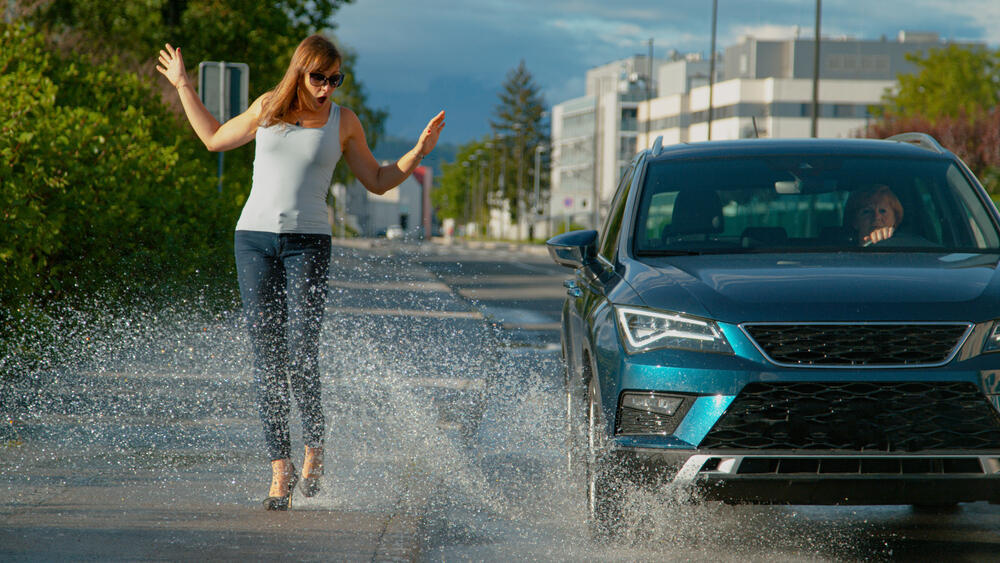
She’s also eager to address drivers on rainy days. “There are lots of people waiting at bus stops or walking on sidewalks, and drivers don’t always think about us,” she said. “Suddenly there’s a puddle, and poof, your umbrella and raincoat won’t help you.”
Her request to drivers is simple: slow down and show some consideration for pedestrians. “It’s the bare minimum of courtesy.”