

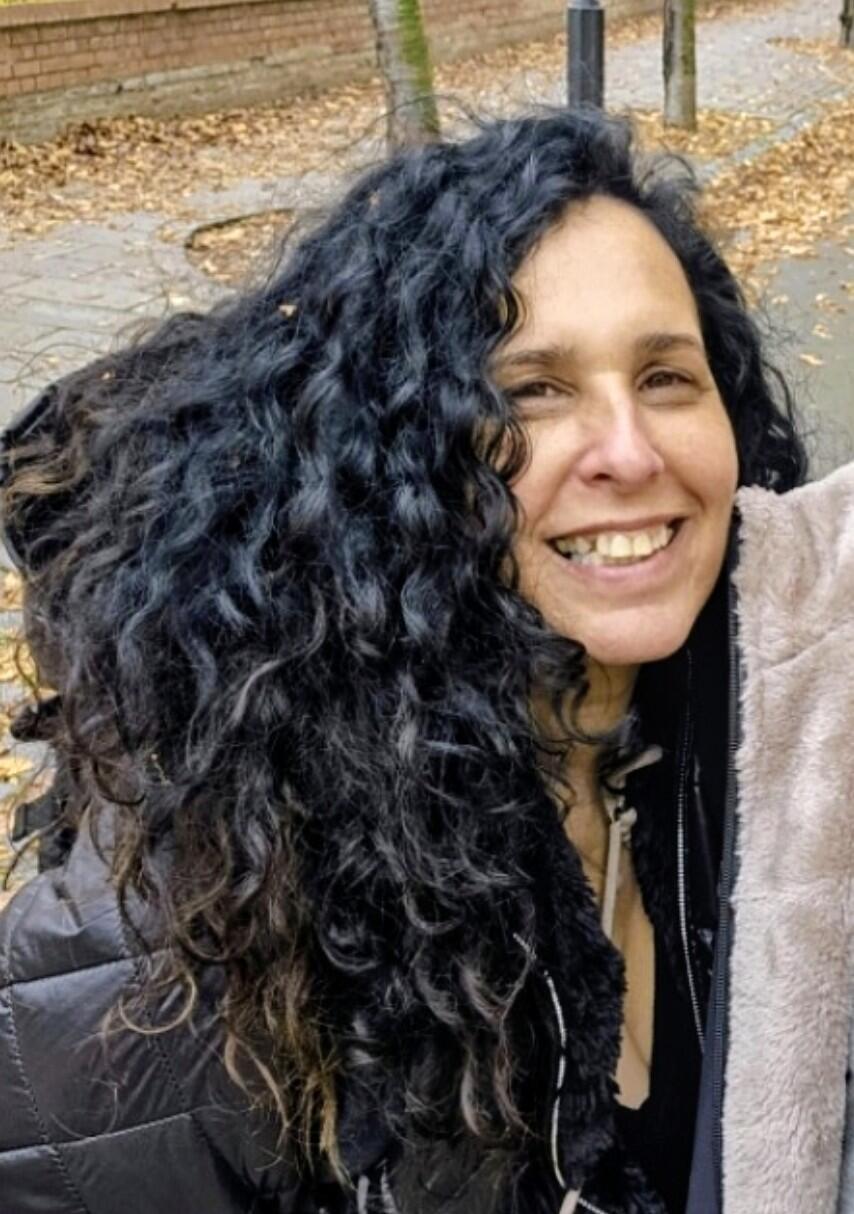
Eighteen months ago, Meirav Greenberg decided she'd had enough. After years of experimenting with every shampoo, hair cream and styling product imaginable, she threw them all away and decided to go natural. Completely natural. "I used to put so many products on my hair, creams and all kinds of crap," she says. "Suddenly, without any of it, I thought, you know what? I don't actually need this stuff."
Greenberg, 52, from Herzliya, is married and has two children. A former photographer, she now works as a rehabilitation instructor for people dealing with mental health challenges. She says that before she stopped using shampoo, the amount of hair she lost in the shower was particularly distressing.

"I have curly hair, and I was experiencing really serious hair loss. So much hair would come out, and it was depressing every single time. I felt that something about washing my hair, and the way it looked afterward, just wasn't right for me."
And have you noticed a difference?
"I'm still losing hair, but there's no comparison to how much I used to lose."
The idea of giving up shampoo came from another curly-haired woman who told Greenberg she didn't use it. "I started looking into it, and her hair looked great. People told me the first few months could be difficult, but I decided to give it a try. I realized it wasn't nearly as bad as I'd imagined."
The beginning wasn't entirely pleasant. Greenberg experienced itching and even developed small sores on her scalp from scratching. "My head was itchy, and I had a few little sores from scratching. Nothing dramatic, but there was definitely itching."
Didn't that make you think, what am I doing to myself? Maybe I should just wash my hair?
"Actually, no. First of all, I wanted to stop going through that nightmare of losing so much hair. I went to a dermatologist who told me it wasn't a good idea to avoid shampooing. He definitely tried to talk me out of it, but I didn't go back."
After two or three months, she says, she learned to manage the itching. Today, she rinses her hair with water, brushes it and massages her scalp, sometimes using a rubber scalp brush. Occasionally, she also uses vinegar, which she believes helps balance her scalp's acidity and soften her hair.
Has the appearance of your hair changed?
"I won't tell you it looks better. That wouldn't be accurate, because it looked good when I used shampoo and took care of it, too. I just had to put a lot more effort into it, and it felt much less pleasant to the touch."
Doesn't it get greasy?
"Maybe straight hair doesn't look as good when it's oily, but curly hair? I wish mine would get oily. I need that oil. I can't say this is good for everyone. For me personally, it's been good."
And what about the smell?
"I don't really smell my own hair, so I've asked other people, and they said it doesn't smell. Of course, it doesn't have that nice shampoo scent either. Sometimes, if I'm going out or want it to smell nice, I'll spray a little perfume on my hair."
(Photo: Courtesy)
There is still one product Greenberg refuses to give up. Every two months, she uses a wash-out hair dye, which she describes as "a kind of shampoo," while trying to keep it away from her scalp.
For her, abandoning shampoo was never an ideological decision. It was simply about finding something that worked. "I'm not one of those natural-health people. That's not my thing. I did this purely because of how my hair feels. If using products made my hair feel good, I'd use them."
The myths surrounding shampoo
Greenberg is far from alone. More women, and men too, are choosing to eliminate shampoo or reduce how frequently they use it as part of the growing "No Poo" movement, short for "No Shampoo."
The approach advocates caring for and cleaning hair without conventional commercial shampoos or synthetic cleansing products, whether through natural alternatives or simply rinsing with water. But is there any scientific basis for giving up shampoo?
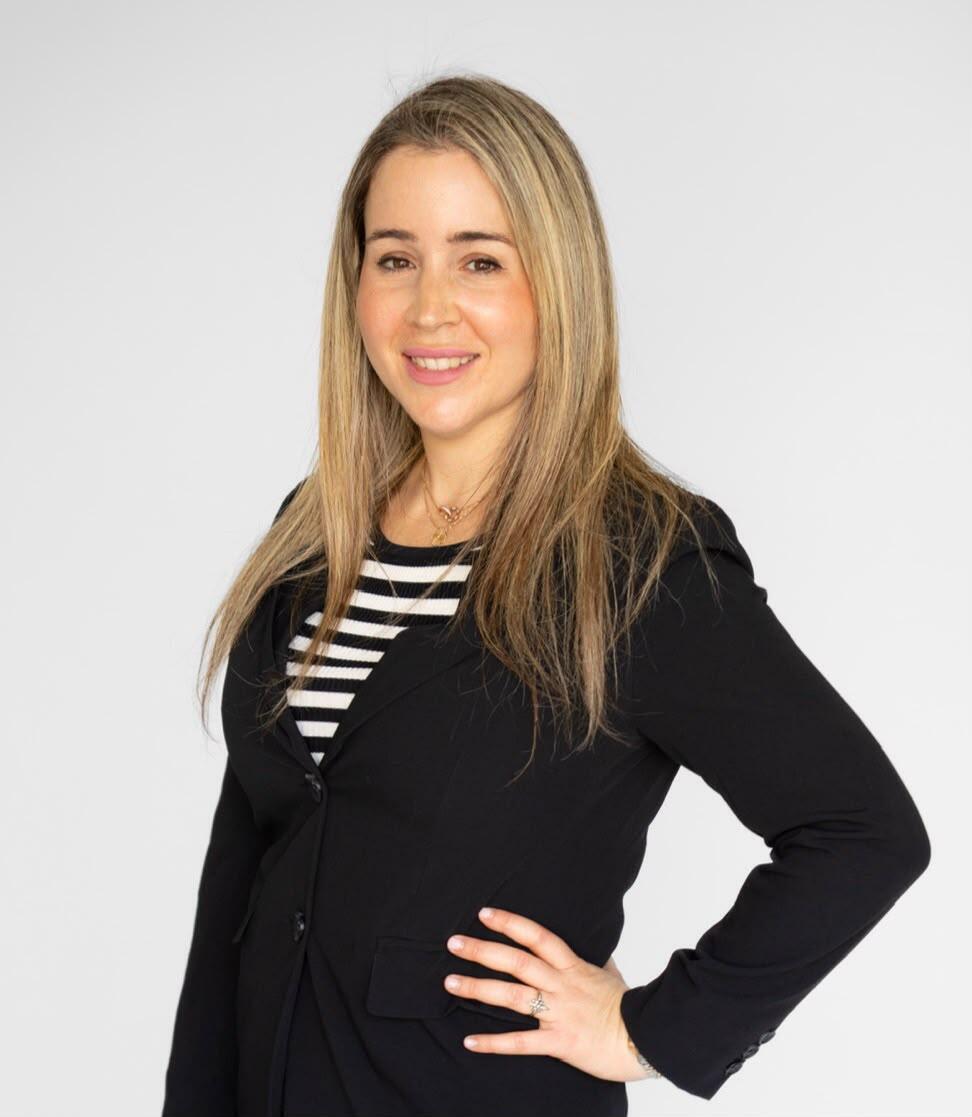
"There are a lot of misconceptions surrounding hair washing, and many of them are simply incorrect," says Dr. Yeela Ben-Naftali, a specialist in plastic and aesthetic surgery with Clalit Health Services in the Dan-Petah Tikva district.
"Recommendations vary depending on the scalp and hair type. In the short term, if you don't wash your hair, oil and dirt accumulate, and that can cause itching. Over time, inflammation, itching and seborrheic dermatitis can worsen."
Is there any truth to the idea that you can train your hair to become less oily by washing it less frequently?
"That hasn't been proven. If you don't wash your hair, more oil and dirt accumulate, which can make the hair look less voluminous. But there is no evidence that avoiding shampoo reduces oil production."
Dr. Yeela Ben-Naftali
(Photo: Nir Cooperman)
She is equally cautious about claims that giving up shampoo can reduce hair loss. "There's no evidence that avoiding shampoo helps with hair loss. The average person loses between 50 and 100 hairs a day. When you don't wash your hair for several days and then take a shower, you suddenly see more hair. That doesn't mean the hair loss has gotten worse. It's simply hair that has accumulated over several days."
Hair loss, she explains, is influenced by genetics, hormones, nutrition and stress. Ben-Naftali also distinguishes between shampooing itself and damage caused by improper washing habits. "Very aggressive washing, very hot water or products that aren't suitable for your hair aren't good either. That's why it's important to use the right products and wash at a frequency appropriate for your hair."
‘Sometimes I miss the ritual’
Hodaya Twito, 34, from central Israel, also believes in finding the right washing frequency rather than following rigid rules.
Her journey began during a trip to India in 2014. "There was a woman there with really beautiful hair. My friend and I asked what she did, and she told us she washed it once a month. I thought, wow, that's what I want. She had beautiful straight hair, and I had curls, but I figured I'd give it a try."
Twito continued washing her hair during the trip. After returning to Israel, however, she decided to experiment, partly because she wanted to change the products she used. "I wanted to move in a more natural direction. From there, it developed into natural hair masks, natural shampoos and periods when I didn't wash my hair at all. I kept experimenting to see what worked for me. Today, my hair looks much healthier, feels nicer and isn't greasy."

Hodaya Twito
(Photo: Courtesy)
So how often do you wash your hair?
"It really varies. Sometimes once every two months, sometimes every two days. Usually, I hardly wash it, but if we've had a barbecue, for example, of course I'll wash it. And if it's been a long time and I feel like washing it, I do."
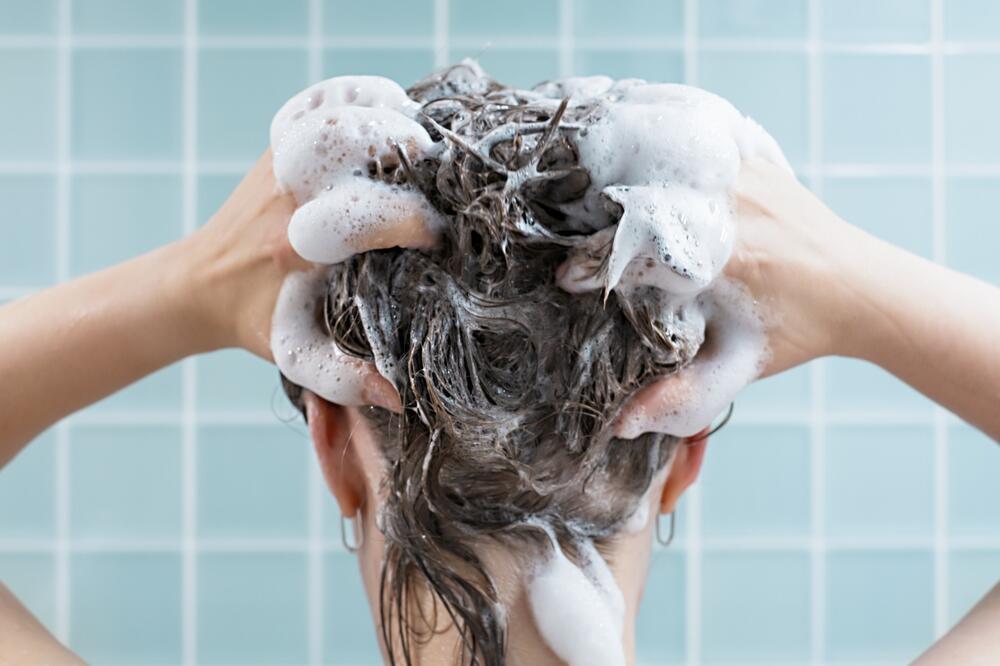
Although she enjoys natural products, Twito admits that she still appreciates the experience of washing her hair. "I really love the natural lifestyle, but at the end of the day, I also love washing my hair. It's a pleasant activity, and we associate it with taking care of ourselves. Sometimes I miss that ritual."
What's the longest you've gone without washing it?
"I suppose two or three months."
When Twito does use shampoo, she chooses products marketed as natural. "I buy natural shampoo, but I don't really know how much of it is genuinely natural and how much is just marketing nonsense. I make my own hair masks using eggs, yogurt, coffee, avocado or aloe vera."
What happens when you sweat?
"Then I'll wash it with natural shampoo or just rinse it with water, and it feels better. It's very flexible. I'm not fanatical about the natural thing. Some women say, 'Once I switched to natural products, I'm never going back,' but there are challenges with natural products, too."
Sometimes washing your hair is a form of pampering
(Photo: Shutterstock/TatianaKim)
Her friends and family, she says, accepted the habit without much discussion. "For people who know me, it just fits who I am. Nobody really made a big deal out of it. It was something that happened gradually."
And despite being pleased with her hair, Twito doesn't claim that washing less frequently has solved every problem. "I still have hair loss. Just because I stopped washing my hair doesn't mean all my hair problems disappeared. It's not black and white."
She also continues caring for her curls every day. "When I wake up, my curls are all scrunched up, so I rinse my hair with water and put on a little almond oil. I still take care of it. It's not like I just stopped shampooing and left it at that."
How often should you actually wash your hair?
So what does medicine recommend? According to Ben-Naftali, there is no universal answer. The right frequency depends primarily on hair type, scalp condition and lifestyle. "For oily hair, the general recommendation is to wash more frequently, either every day or every other day. For normal hair, we're usually talking about every two or three days, depending on the need."
"For dry hair, washing every few days to once a week may be appropriate. For very curly and very dry hair, even once a week can be enough."
She stresses that these are only general guidelines. "If someone has seborrheic dermatitis, inflammation or another skin condition, they need a proper examination and consultation, and both the shampoo and washing frequency should be adjusted accordingly."
Daily activities can also change how often someone needs to wash their hair. "If you do very intense physical activity or spend time somewhere particularly dirty, you may need to adjust the frequency according to how much sweat and dirt accumulate."

An appropriate shampoo should not damage the hair
(Photo: Shutterstock/AS project)
Is it true that anti-dandruff shampoo can actually make dandruff worse?
"Anti-dandruff shampoo is supposed to reduce dandruff, not cause it. If someone uses a very harsh shampoo that doesn't suit their scalp and it causes peeling and irritation, that might look like the dandruff is getting worse. But an appropriate anti-dandruff shampoo should help."
Another misconception Ben-Naftali wants to clear up is that people who rarely wash their hair are more likely to get head lice. "That's a myth that's really important to debunk. Not washing your hair doesn't increase your risk of lice. Lice spread from head to head, including between children with clean hair."
For people concerned about the ingredients in shampoo, she suggests focusing on selecting the right product rather than eliminating shampoo altogether. "I've heard about approaches where people don't use shampoo at all and wash only with water. But an appropriate shampoo shouldn't cause harm. It's supposed to remove oil and sweat."
"Dry hair needs a gentler shampoo, while hair affected by inflammation or seborrhea needs an appropriate product. Recommendations must be tailored to the person's skin and hair type."
Her message is ultimately one of moderation and individual needs rather than strict rules. "I always tell my patients that in medicine, one plus one doesn't necessarily equal two."