


How do you say “may you live to 120” in Japanese? It may sound like the setup to a joke, but in Japan it has become part of demographic reality. In recent years it seems almost impossible to talk about longevity without mentioning Japan. It is not just about statistics, but a cultural and health phenomenon that fascinates researchers around the world. For decades Japan has been considered a country with exceptionally high life expectancy and since the 1980s it has consistently ranked at the top of global lists.
In the latest international ranking Japan is in second place, just behind Switzerland, with an average life expectancy of 84.1 years — nearly three years above the OECD average. But what lies behind this impressive figure? A balanced diet? A highly organized health system? Or perhaps something deeper? Can the secret of Japanese longevity even be cracked? We turned to Prof. Rotem Kowner, an expert on Japanese studies at the University of Haifa, to explore the mechanisms that allow Japanese citizens not only to live longer but to maintain a high quality of life.
The health care system: access and a sense of care
Forget the diet. Forget the exercise. We’ll get to them later. But all of these factors, important as they are, are secondary compared with what Prof. Kowner sees as the main reason Japan tops the life-expectancy charts: its health system. In his view, that is where any discussion of the Japanese secret should begin.
“The health system is the central factor,” he says. “It’s what moves a country from a life expectancy of 60 to 85. Everything after that is marginal. More than 92 percent of Japan’s population is urban and lives a short distance from hospitals. The system is universal, meaning everyone receives care. That’s a major advantage and it helps explain Japan’s place at the top.”
This stands in sharp contrast with the United States, which is five years behind Japan in life expectancy. “There is an entire population in the U.S. that simply doesn’t get to a hospital,” Kowner notes. He describes what makes the Japanese system unique: “There’s a slightly different model. Many Japanese carry supplementary insurance. Basic coverage alone is not enough, so people add on.
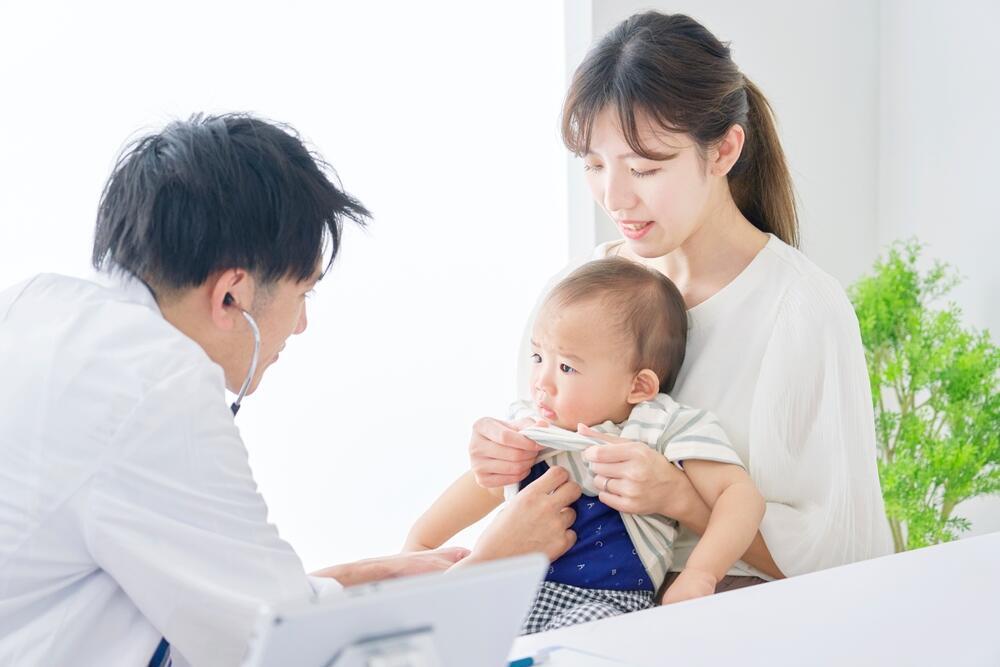
“And while some countries rely mostly on large hospitals, Japan has many small ones. A clinic with one doctor, two nurses and ten patients. Every village or town has them. You don’t need to travel far for a test. It’s more dispersed. And regular screening tests are a deeply ingrained habit.”
(Photo: Shutterstock)
The deeper you look into Japan’s approach, the clearer it becomes that its health system is not just a medical framework but a broader social ethos. According to Kowner, it’s a country where people feel the state genuinely cares about their well-being, and that sentiment shapes behavior and ultimately life expectancy.
He points to prenatal care as a striking example. “Women are expected to follow strict monitoring during pregnancy. From avoiding alcohol to leaving their job and staying home with the baby afterward. This helps explain why infant mortality in Japan is extremely low.”
And care doesn’t taper off later in life. “Doctors, nurses and social workers make home visits. There’s a great deal of state concern for citizens’ welfare. Many cities have banned smoking in public places and even on the street. There is an active effort to reduce smoking altogether.”
Diet: less sugar, more green tea
Once the centrality of the health system is clear, we can talk about the factor everyone loves to discuss — food. Japan’s image as a country built on clean, healthy eating has taken on almost mythic proportions, but Kowner is quick to ground the discussion in reality.
“Japanese food changed dramatically after World War II,” he says. “There’s far more dairy, meat and sugar — all the things we consider unhealthy. Why? Because everyone enjoys sugar and alcohol and fat. Foods people wanted but couldn’t afford in the past are now widely available.”
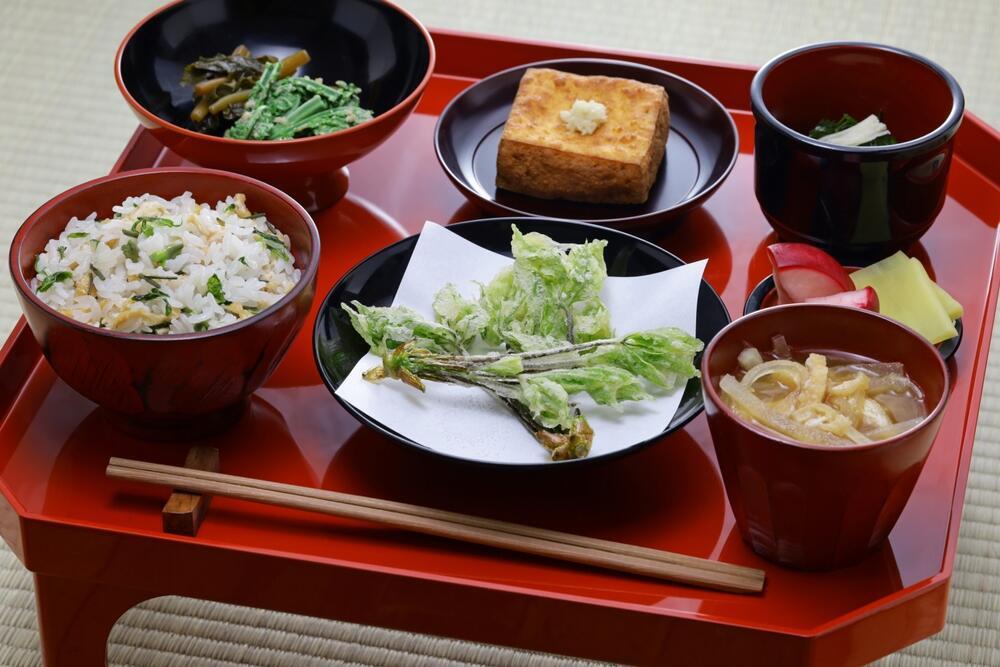
Still, he stresses that consumption levels remain lower than in Western countries. “Even with all the changes, Japanese diets are still more balanced, with less meat and more fish, less sugar and especially less white sugar. There is almost no dairy. Much more protein comes from soy than in other high-life-expectancy countries.”
(Photo: Shutterstock)
Traditional food culture also persists. “Plenty of Japanese still eat traditional foods. Fermented products, seaweed, the so-called superfoods. We know these foods contribute to health and slow aging. Green tea is another example. When you’re served a drink in Japan it’s almost always hot. Green tea is common and has properties that support longevity, like high antioxidant content. Today you’ll even find it in ice cream and other products.”
How people eat matters too. “Japanese tend to eat one dish as a meal. There aren’t lots of sides. You get a dish and that’s it. And there’s the idea of stopping at 80 percent fullness,” Kowner says. “They also eat fewer calories overall. Obesity is rare. There is a culture of slow, social eating and of eating under control, where you feel full before your brain sends the signal.”
Physical activity: walking and active aging
Japan is known for taisō, group exercise at schools and workplaces, but Kowner downplays its importance. “I doubt it contributes much to longevity,” he says. Yet daily life does add up.
“Public transportation in Japan is fantastic. When you rely on it instead of driving you walk a lot — cycling to the train station, walking from the bus stop. It’s meaningful. It adds up, especially among people in their fifties and sixties who wouldn’t be walking much otherwise. Intensive use of public transit means more steps throughout the day.”
He recalls a moment from one of his visits: “I saw groups of elderly people in parks playing ball games. They were all over 80. You don’t see that everywhere. These activities are part of their routine. Look at global competitions — the world champions for ages 40, 50, 60 and up. By the eighties the champions are almost all Japanese. In the hundred-meter sprint, in mountain climbing. There is encouragement to stay active in old age.”
Social and cultural structure: extreme hygiene and late retirement
Understanding Japanese longevity requires looking beyond diet and physical activity and examining the social environment. Japan offers a unique mix of dense urban living, state responsibility and unwritten social rules that shape daily life as much as any medical factor.
Japan may have turned hygiene into a kind of science. For visitors it can seem like an obsession: spotless streets, immaculate homes and almost ritual personal cleanliness. Yet behind this is a cultural habit that also supports health. “Hygiene in Japan is significant,” Kowner says. “Small practices accumulate, both in household cleanliness and in personal hygiene. It’s a social expectation.”
But hygiene is also tied to rest. “You wash before entering the bath. You scrub. Then you sit in the tub, often in public bathhouses with others. There are thousands of bathhouses and hot springs. They’re not just for washing, but for resting, almost like meditation. Nearly every Japanese home has a bathtub. You clean yourself, then sit with your eyes closed and relax. It’s both physical and emotional stress relief in a fairly tense society.”
Another concept that has gained global attention is ikigai, often translated as “a reason to live” — a sense of purpose that supports happiness and longevity. Western culture has embraced it romantically, but Kowner believes the idea exists everywhere. “It became trendy,” he says. “But does it really affect quality of life? I assume everyone has some form of purpose. I’m not sure it’s unique to Japan.”
 Prof. Rotem Kowner
In Japan, old age itself looks different. In many countries retirement marks the beginning of quieter years. In Japan it is often a transition to a new stage: part-time, simpler work that keeps older adults socially connected. Sometimes it’s driven by economic necessity, but the result is a society where people in their seventies and eighties are active, mobile and feel they still contribute.
“Japanese pensions are limited compared with other developed countries, so many people have to continue working part-time. In the last two decades there’s also a labor shortage, so older workers are encouraged to stay in the workforce,” Kowner explains.
“There is a willingness across Japan to employ older people. Many who would normally be retired work part-time and still contribute. They do jobs like ushers or bus drivers. They’re simple jobs but they matter. And they provide a sense of meaning.”
Traffic accidents and crime rates have also steadily dropped, reducing preventable deaths. “Lower mortality is a key reason life expectancy rises. Japan has less death from accidents and from crime. Crime rates are very low, which also reduces stress,” he says.
“Traffic fatalities have been low for years. Over a decade ago the government increased enforcement and imposed severe penalties for driving under the influence. That cut accidents dramatically. In 1970 Japan had 16.2 deaths per 100,000 people from road accidents. Today it’s 2.6. A remarkable success.”
Not all that glitters is gold: suicide and alcohol
After all the praise it’s important to remember the other side. Life in Japan is not a picture of perfection. Behind the impressive longevity lies a demanding reality: heavy psychological pressure, social expectations, habits that harm health and environmental issues the country is still grappling with. High life expectancy does not mean a life free of challenges.
(Photo: Shutterstock)
Environmental pollution is one such issue. “Over the last 30 or 40 years Japan has made major efforts to improve its environment,” Kowner notes. “Urban areas today are far less polluted in air and water than before. Still, pollution levels are higher than in some other places. The government is prioritizing it.”
The well-known stress of Japanese life takes a toll. “It’s a society under high tension, which certainly doesn’t help. Yes, there are attempts to reduce it through bathing, shared meals and so on, but stress remains significant. It’s relatively high even compared with other countries with long life expectancy.”
This tension contributes to Japan’s high suicide rate. “Suicide is a small part of overall mortality, but at certain ages it can be the third leading cause of death. It’s linked to pressure, shame over failure and social expectations.”
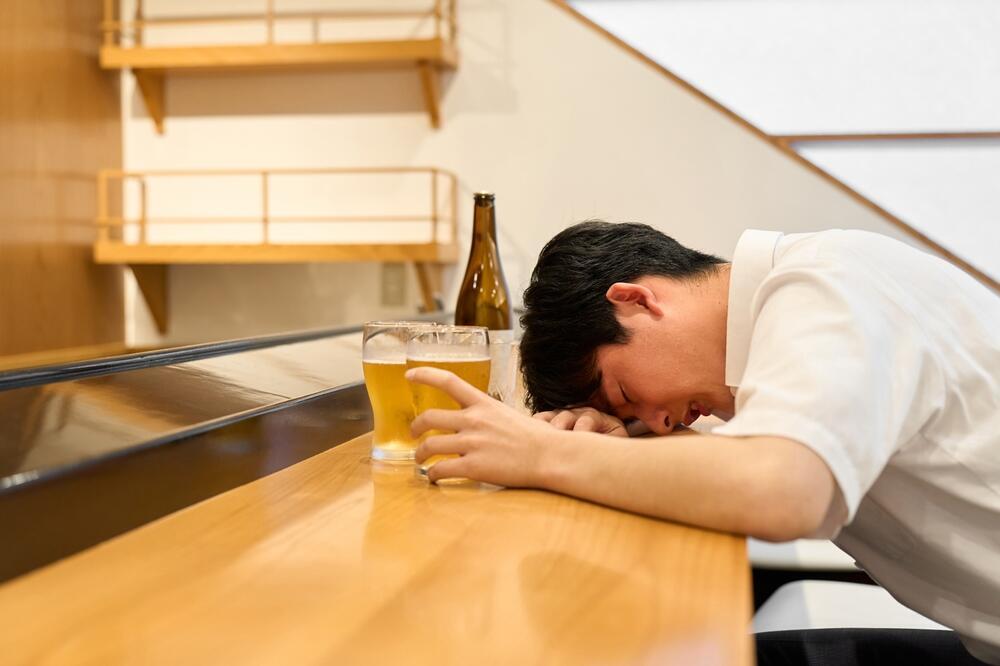
Heavy alcohol and salt consumption is another problem. “Among certain groups or age brackets, men drink a lot,” Kowner says. “That leads to liver disease and related deaths. High salt intake is also common in some regions. In other words, Japan isn’t perfect, but it certainly has valuable lessons for all of us.”