

The latest round of fashion shows was notable for the near-total absence of size diversity on the runway. But at the same time, the industry took a significant step forward on another front: age.
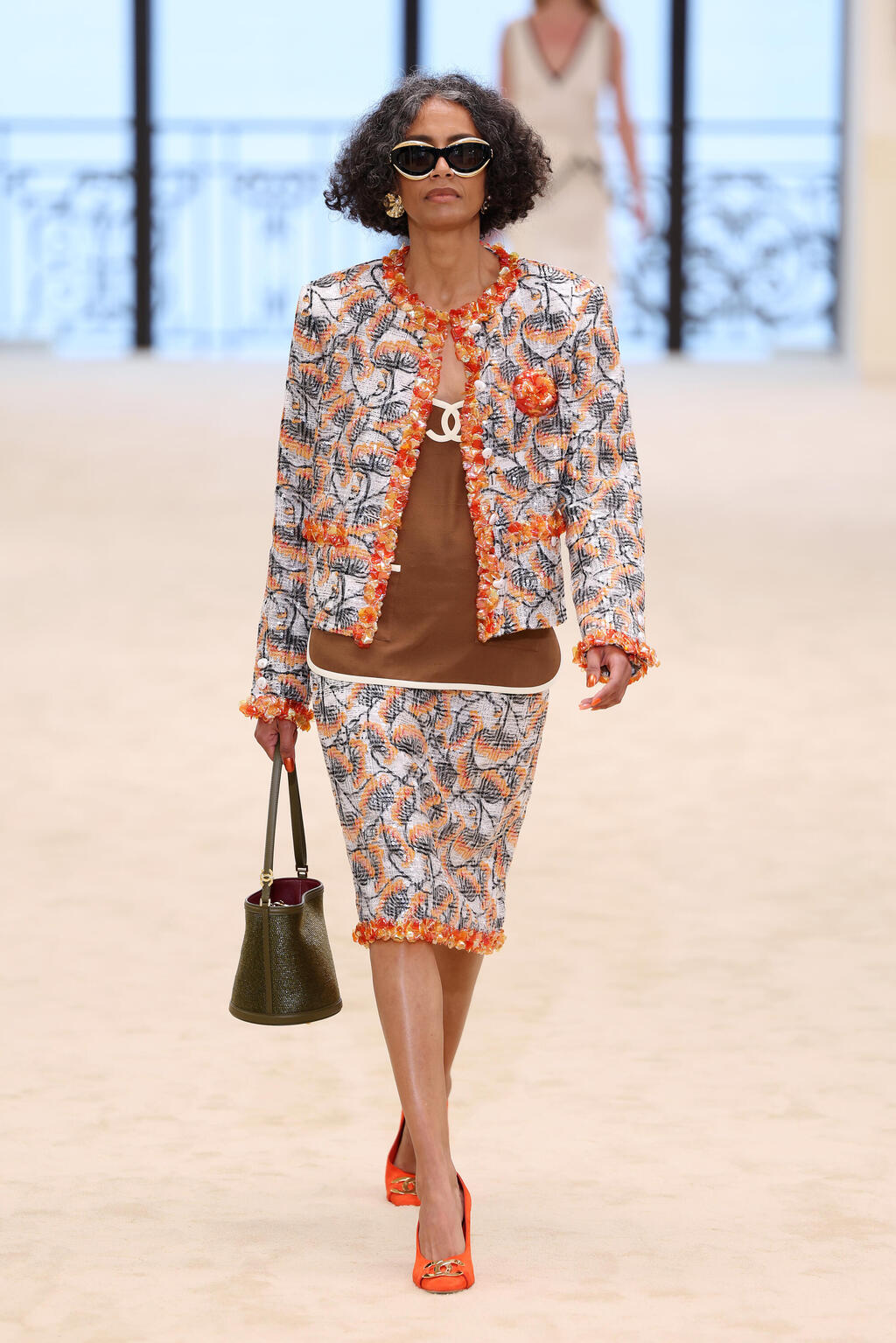
In late January, 50-year-old model Stéphanie Cavalli, with her gray hair fully visible, opened Chanel’s haute couture show. Chanel creative director Matthieu Blazy included mature women as part of an approach aimed at presenting fashion that real women can identify with. European media described it as couture’s “age taboo” being broken. And Blazy is far from alone.
Miu Miu’s fall-winter 2026 show, one of the most talked-about presentations of the year, was closed by 57-year-old actor Gillian Anderson. Chloë Sevigny, 51, also walked the runway, as did 1990s supermodel Kristen McMenamy, 61.
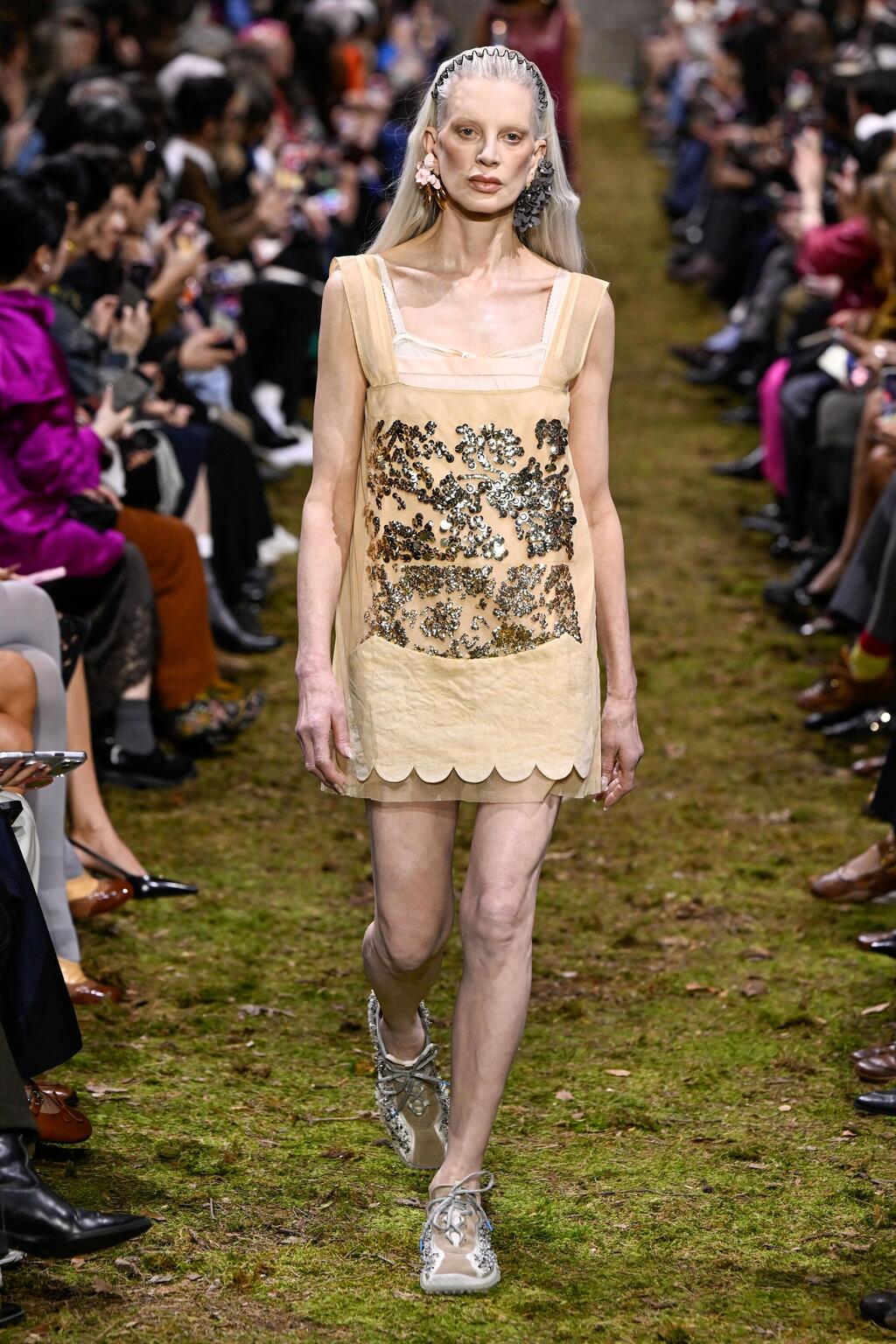
Kristen McMenamy on the Miu Miu runway
(Photo: Gettyimages IL/WWD)
Designer Michael Kors recently marked 45 years of his brand with a nostalgic and emotional moment, giving retired supermodel Christy Turlington, 57, the honor of closing his show. And in February, Kate Moss, one of the defining stars of the 1990s, closed Demna’s debut show for Gucci in a tight, sparkling dress at age 52. Similar gestures appeared on the runways of Tom Ford, Alaïa and Carolina Herrera.
According to data from fashion search engine Tagwalk, only one of the top 20 brands included plus-size models or models with fuller body types. But all of them included an older model.
After years in which fashion chased the fountain of youth, 2026 is shaping up as the year age became an asset. The industry is rediscovering the power of mature women, and the message is clear: charisma, experience and presence are the most coveted accessories right now.
Why now?
There are several reasons behind the shift.
The first is the least romantic, and also the most obvious: money. Major fashion houses now understand that older women are a significant consumer force with enormous economic influence, and that the luxury customer base has long since stopped being made up only of women in their 20s.
Remember COVID? During the frightening lockdown years, the way all of us looked changed overnight thanks to masks. What else have we seen in recent years? Mass layoffs, businesses closing, wars breaking out, economic crises and the rise of artificial intelligence, which upended many of the rules we thought we knew.
In the middle of all that, something surprising happened: younger consumers became less excited about fashion shopping and luxury brands. Instead, they preferred experiences, travel and more conscious consumption. The audience that was supposed to be addicted to fashion and luxury suddenly found itself spending in vintage and secondhand stores, leaving disappointed luxury brands in need of a new audience.
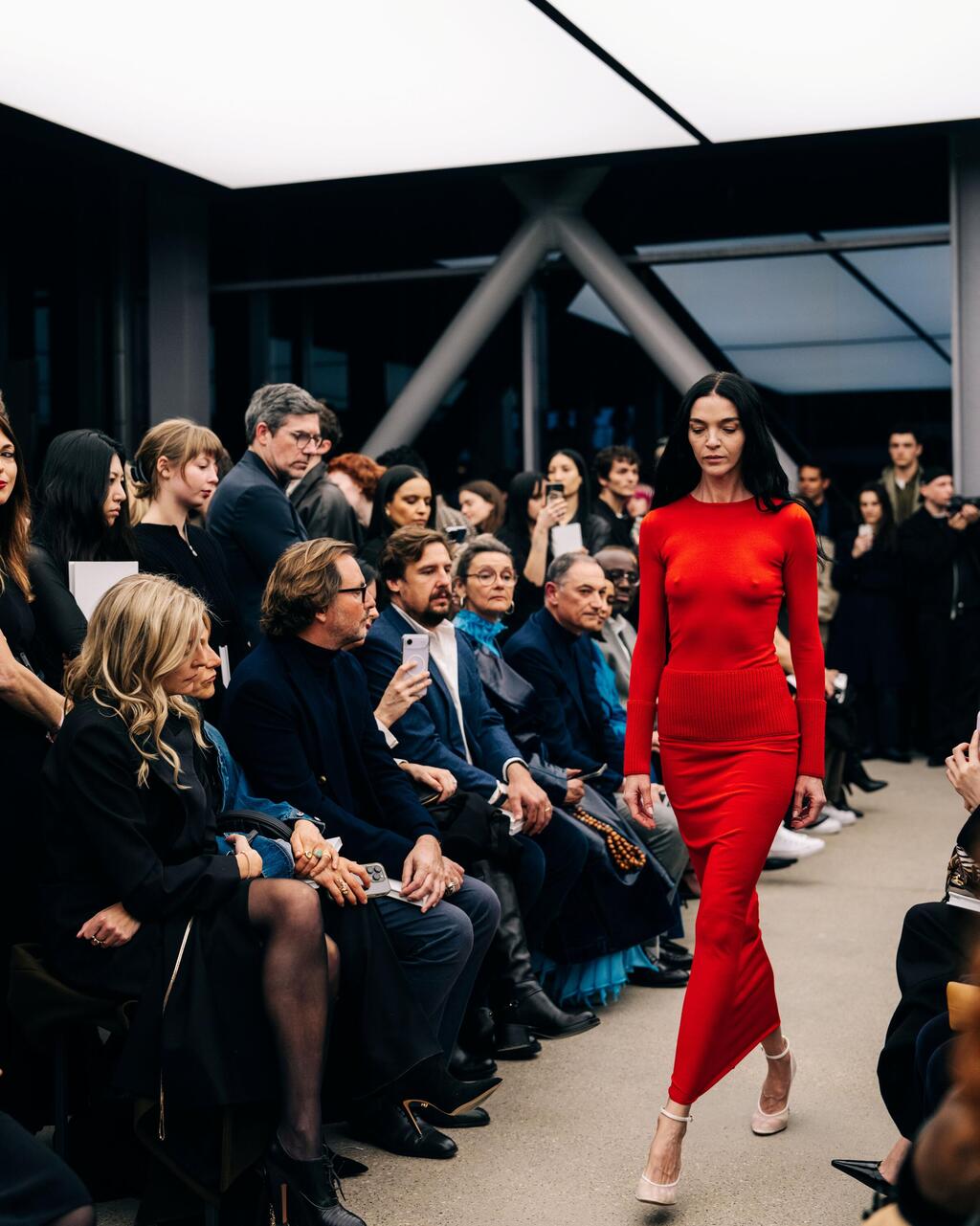
Maria Carla Boscono on the Alaïa runway
(Photo: Gettyimages IL/WWD)
After the pandemic, the fashion industry began turning its gaze back toward older women. Yes, the same women who had been pushed out of the conversation for years suddenly became an important consumer group.
According to business media and analysis platform The Business of Fashion (BoF), a large share of the luxury market’s growth in recent years came from price increases rather than real growth in demand. That forced brands to rethink who their true audience is.
The second reason is cultural fatigue. The world seems tired of the obsession with staying young forever.
The third is credibility. There is a growing understanding that older women give clothes a sense of authenticity. When a woman with history, presence and a real life wears a suit, a dress or a coat, the item does not look like a detached fantasy, but rather something that can be imagined in real life, on a body, in the street and at work.
The fourth reason is depth. Luxury brands live on values such as tradition and continuity, and older women naturally fit that story better than a narrative of fast youth and changing trends. There is a match between the brand's image and the faces representing it. If a brand sells durability and elegance, it also needs figures who can carry those values.
The fifth reason is image. Choosing older women is also a smart branding move. Every fashion house wants to appear connected to reality, sensitive to social change and, above all, less detached. This shift allows brands to look current and tuned in.
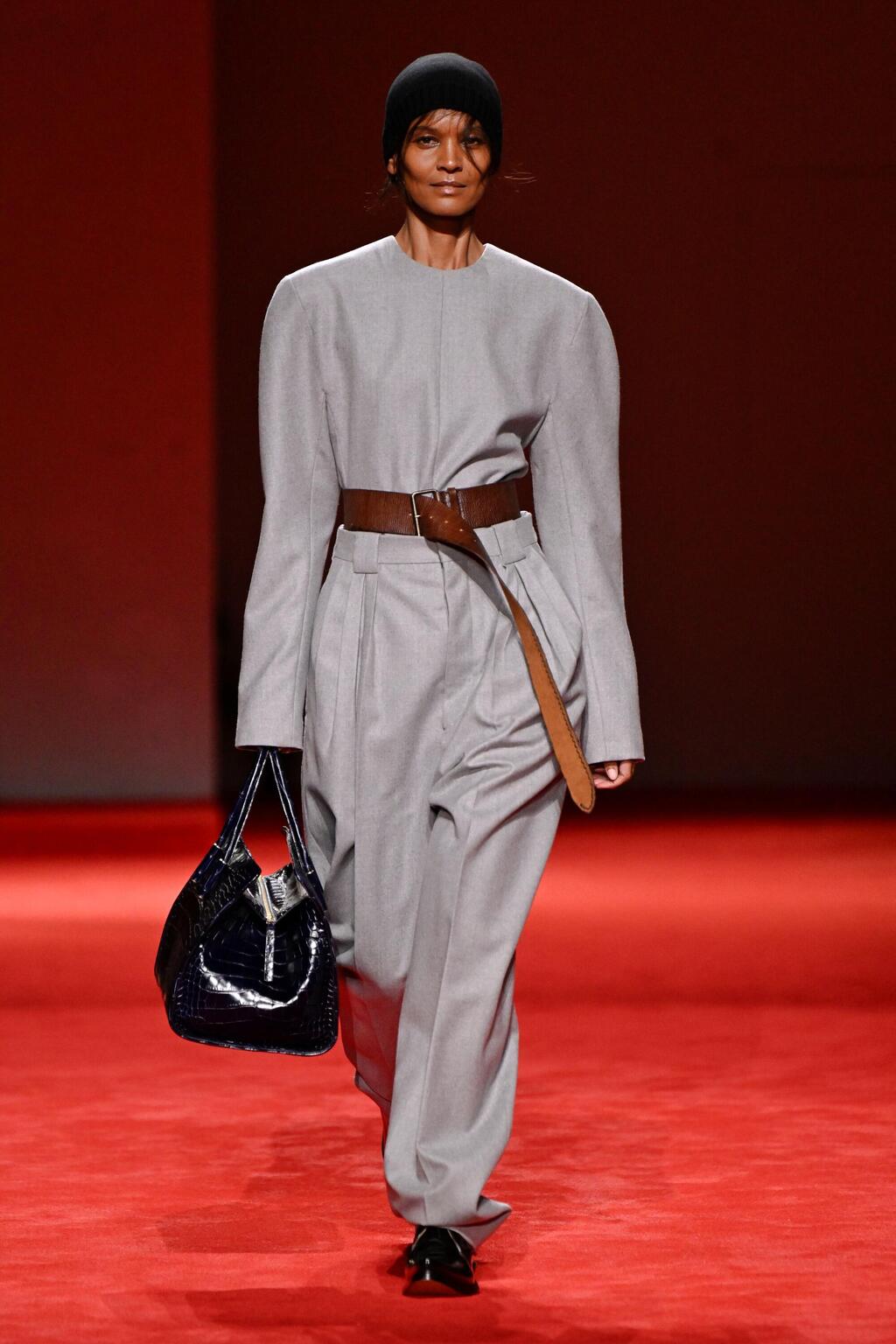
Mature model on the Bottega Veneta runway
(Photo: Gettyimages IL/WWD)
There is criticism, of course
The fact that women over 40, 50, 60 and 70 are walking major runways is wonderful. But it is also worth asking who is still absent. Most of the older women who received magazine covers, runway slots and campaigns this year are famous actors or iconic models. Their central place in the fashion conversation is a meaningful and welcome change, but it is still not a full revolution.
Look closely and you will see that most of them are thin, wealthy and have access to expensive aesthetic treatments. Or, in more polite terms, they all “look very good for their age.” In other words, age has changed, but the beauty ideal remains very narrow.
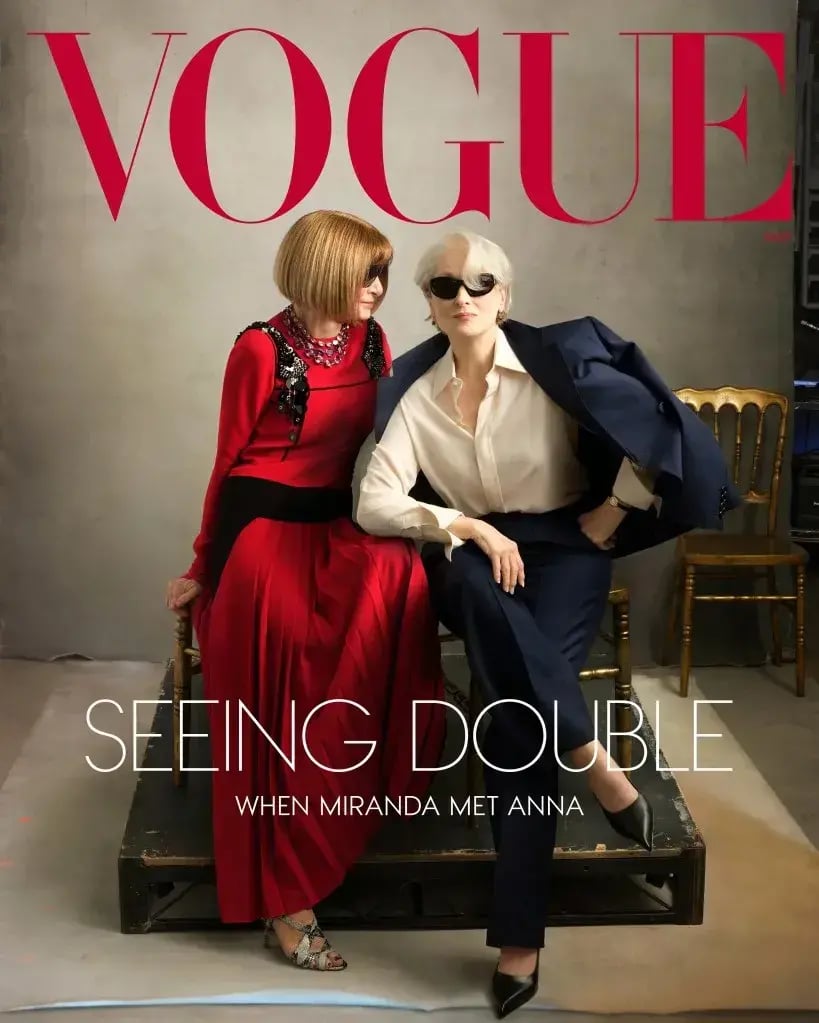
Anna Wintour and Meryl Streep, both 76, photographed for the cover of Vogue by Annie Leibovitz, also 76
(Photo: PR)
So what does it mean?
Let’s put it this way: the fashion world did not suddenly “discover” older women. It finally understood that they are not at the margins of the story, but at its center.
Fashion is embracing models with visible signs of age, such as gray hair and wrinkles, because these are the women who buy more, show more loyalty and are less interested in chasing passing trends.
At the same time, it is impossible to ignore that 50 and 60 today are not what 50 and 60 used to be. Thanks to the growing field of longevity and rising awareness, many women are able to maintain a younger appearance for far longer.
The shift is not limited to fashion. Beyond the runway, there is also a broader cultural process in which people are choosing to emphasize their age rather than hide it. The conversation is spilling into real life and changing it from within.
In a world where every wrinkle or spot can be filtered away in seconds, it is encouraging to see a counterreaction to artificial aesthetics. The path toward real, equal inclusion is still long, but at least the industry appears to be moving in the right direction.