

While some brands around the world have relied on their benefits for years, the enthusiasm surrounding medicinal mushrooms in Israel is a relatively new phenomenon, and their use in skincare products on the local market is only beginning to take shape.
“As the years go by and more studies are published, companies are starting to understand the power and benefits of mushrooms,” says Idan Bar-Shalit, training manager for the brand Origins, which has a 20-year-old product line called Mega-Mushroom based on medicinal mushroom extracts. “They are better known in the world of dietary supplements, but slowly there is a growing understanding of the impact they can also have on the appearance of the skin. That’s why we’re suddenly seeing them cross over into cosmetics.
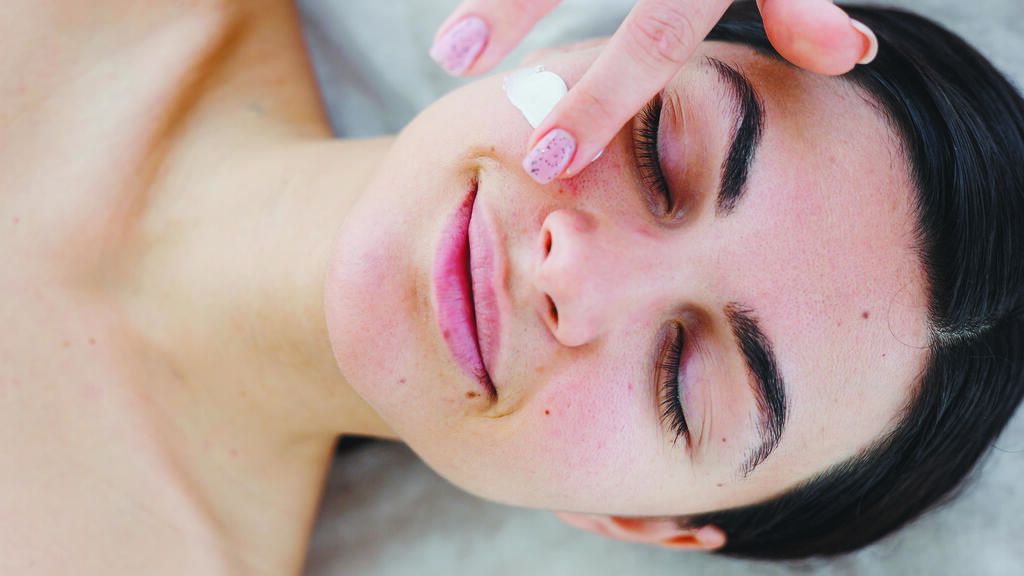
“This line was created in 2005 through a collaboration between the brand and Dr. Andrew Weil, a physician who specializes in integrative medicine, meaning a combination of Western and natural medicine. He began researching mushrooms back in the 1970s, and today he is considered something of a mushroom guru. He believes that problems begin with inflammation, so the goal is to calm that inflammation first from within, through nutrition, proper hydration and maintaining inner calm. Cosmetic products help us treat the skin from the outside as well.”
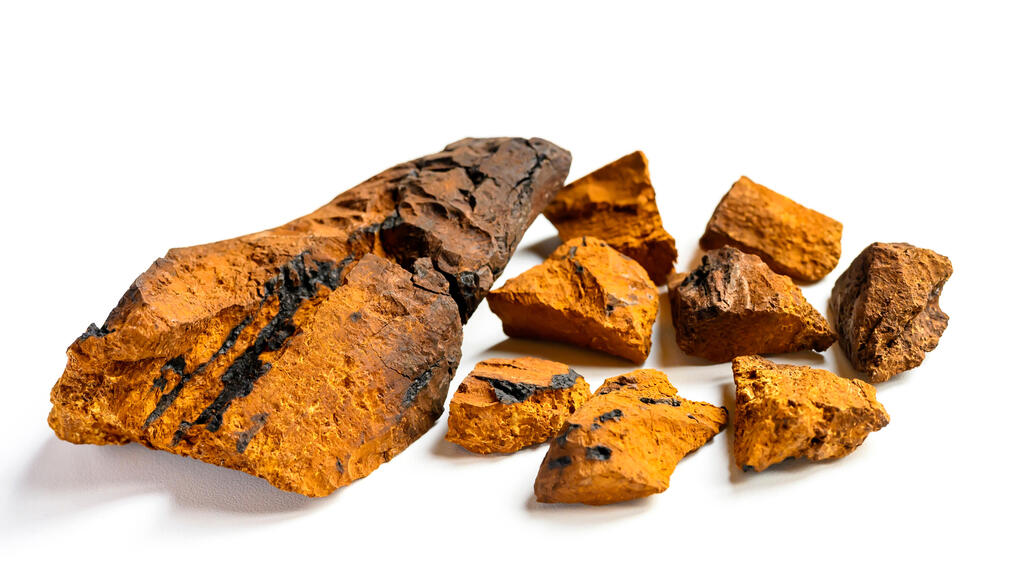
Chaga mushroom
(Photo: Shutterstock/ASPA creative)
“There is a general rise in awareness of the benefits of medicinal mushrooms,” explains Tal Weiman, vice president of marketing at MycoSpring, a company that develops, cultivates and enhances mushrooms in cooperation with research institutes and universities in Israel and abroad. “This is largely because today’s consumer culture is far more conscious, and also because the reality we live in pushes us into lives filled with stress, overload and anxiety. People are looking for natural, high-quality solutions, and we see the same trend in the beauty world.”
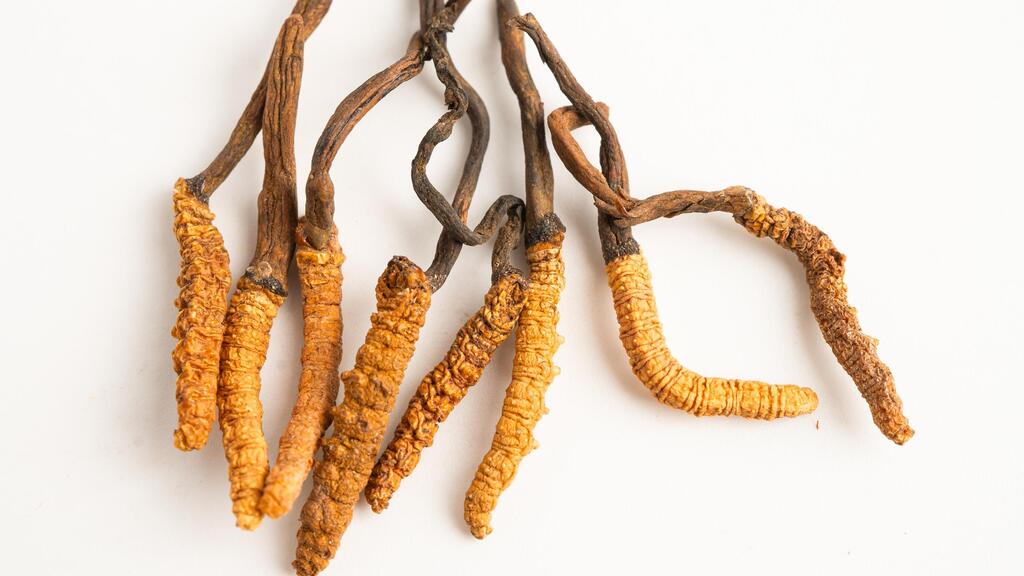
The cordyceps mushroom
(Photo: Shutterstock/ASPA creative)
Until recently, MycoSpring focused on cultivating and researching medicinal mushrooms and marketing dietary supplements. About two months ago, it launched a new skincare brand called SENE (the Latvian word for mushrooms), featuring a product line enriched with the much-discussed cordyceps mushroom.
“Our beauty brand grew out of an evolution of a therapeutic cream developed by Rea Sofer, the company’s founder and vice president of research, development and cultivation,” Weiman says. “He had a skin irritation that wouldn’t go away, and he thought mushrooms could surely help. He ran various experiments and eventually applied cordyceps extract to the irritation, and it cleared up.
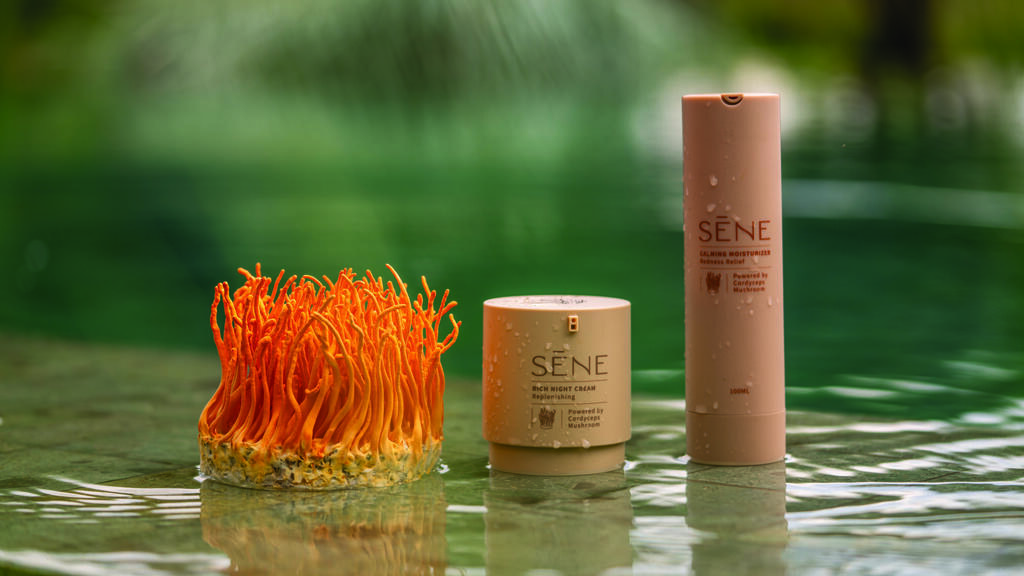
The new skincare brand SENE
(Photo: Asaf Karela)
“Globally, the use of mushrooms in skincare hasn’t exploded yet, but it’s not new. There are a few cosmetic companies that incorporate mushrooms in one way or another into their products, but it’s fairly marginal, usually a very limited line within a broader portfolio or the inclusion of mushrooms as an ingredient to align with current trends. We’re coming at this from a different angle. We know the qualities and benefits of medicinal mushrooms, and out of our vision that medicinal mushrooms are a way of life, we wanted to make them accessible at the skincare level as well.”
What are the benefits of medicinal mushrooms in skincare?
“Medicinal mushrooms contain powerful active compounds that support the body’s systems and the skin,” Weiman says. “They are rich in antioxidants, polysaccharides and adaptogenic substances that balance, protect and renew. Simply put, they help the skin cope better with stress, pollution, dryness and hormonal changes. Cordyceps, for example, is an extraordinary antioxidant mushroom. It helps balance environmental damage and is an excellent moisturizer for the skin. Because it balances and soothes, it is suitable for all skin types. For us, it was important that the mushroom not be just one ingredient in a formula, but that the products be built around it, so the other ingredients support the cordyceps and place it at the center.”
“Reishi is considered the ‘mushroom of immortality’ and a symbol of longevity,” Bar-Shalit adds. “It is an adaptogen, meaning the body recognizes it as part of itself and therefore does not fight it. It helps combat irritation, strengthens the skin barrier and soothes the skin. Another key mushroom in our line is fermented chaga, known as the ‘queen of mushrooms.’ Fermentation helps fight environmental damage and prevents both immediate and future reactive irritation in the skin.”
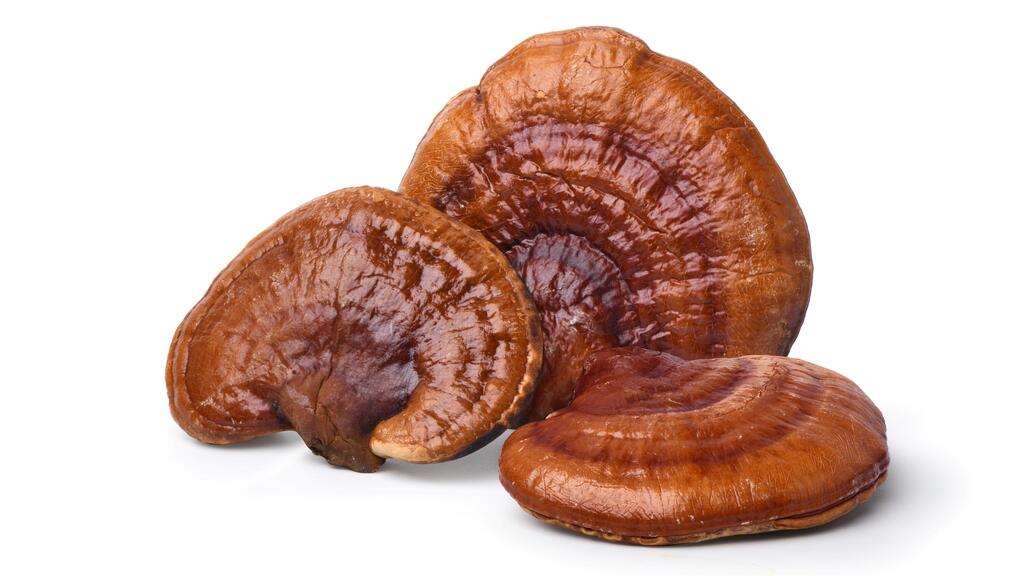
The reishi mushroom
(Photo: Shutterstock/ASPA creative)
Do you believe this is a trend that will continue to grow?
“Yes. The boundaries between internal health and external care are becoming blurred,” Weiman concludes. “People are looking for synergy between what they consume and how they look, מתוך a holistic approach. In cosmetics and beauty, we are no longer operating under an ‘anti-aging’ mindset that focuses on treating existing signs, but rather a ‘prejuvenation’ approach that emphasizes prevention and preservation before aging damage occurs. People want to live healthier lives for longer and are willing to invest in that. Mushrooms are perceived as a preventive solution for healthy people who want to maintain their health and vitality, and this approach is also being applied to skincare: preventing aging and improving the appearance of the skin.”