


Bed sheets are among the most frequently used items in any home, and as a result, they are also among the first to wear out. Improper washing, drying or storage can damage their softness, color and overall feel.
Interior designer Hila Bronstein says most households only need two high-quality sheet sets per bed.

“There’s no need to stockpile piles of bedding that just take up space,” she says. “Two sets are enough, one in use and one in the wash. That way, you can invest in better-quality sheets instead of constantly buying average ones.”
Textile experts Yaakov Harpaz, chief designer at Arad Textile, and Hani Sabag, marketing manager at Linera Home, explain how proper care can significantly extend the lifespan of bedding.
1. Choosing quantity over quality
Bronstein recommends focusing on fewer, higher-quality sets rather than accumulating many lower-quality ones. This also reduces storage needs and clutter.
2. Ignoring fabric type
According to Harpaz, one of the most common mistakes is not adapting washing methods to the fabric.
“Each fabric reacts differently to heat, water, sunlight and detergents,” he says. Cotton, satin, percale and linen require different care, even if all are made from 100% cotton. Following care labels and separating fabrics accordingly helps prevent premature wear.
3. Washing too aggressively
High-temperature washing is often seen as more effective, but it can damage fibers over time.
“In most cases, washing at 30 to 40 degrees Celsius is enough for thorough cleaning,” Harpaz says. He recommends using gentle cycles, avoiding overloading the machine and separating light and dark colors.

(Photo: Linera Home)
Turning pillowcases and duvet covers inside out before washing can also reduce external wear and help maintain a uniform appearance.
When it comes to detergents, milder options are preferable. Fabric softener should be used sparingly, if at all, as it can reduce breathability and even stain light-colored sheets.
Sabag adds that even premium materials like Egyptian cotton require careful handling to maintain their softness.
“Less is more,” she says. “The first wash is important because it opens the fibers and softens them, allowing the sheets to reach their natural texture.”
4. Washing too often or not enough
For hygiene and durability, Harpaz recommends washing sheets once a week. Pillowcases, which absorb sweat, oils and skin residue, require particular attention.
Heavier items such as duvets and bedspreads can be washed less frequently, depending on use and season.
5. Mixing with clothes and towels
Sabag advises washing bedding separately from clothing.
“Sheets should not be washed with heavy items like towels or jeans, which create friction and damage the fabric,” she says. Overloading the machine should also be avoided to allow proper cleaning and softness.
6. Overdrying
Drying plays a major role in how sheets feel during use.
Air drying is the best option for preserving fibers. When using a dryer, a low-temperature setting is recommended.
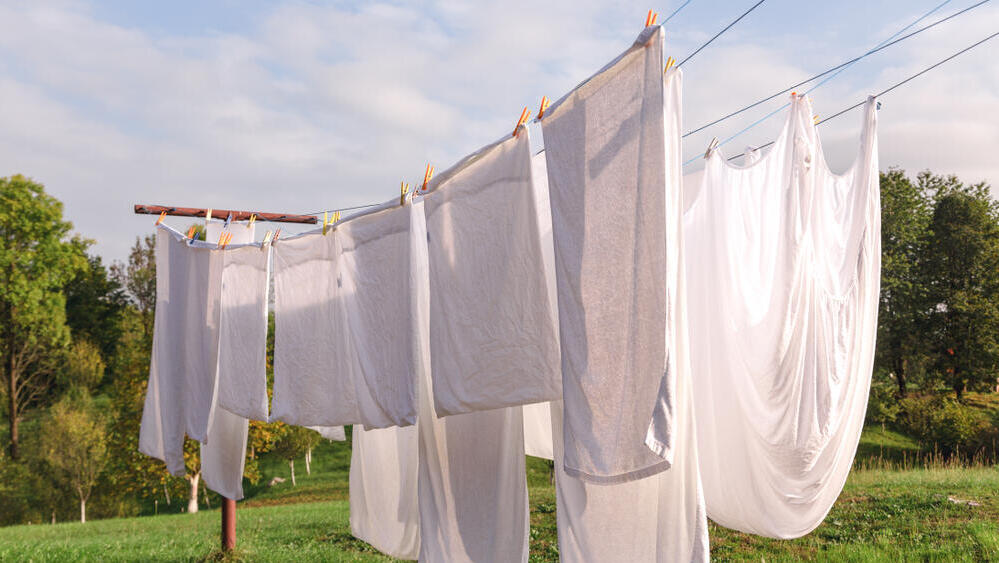
(Photo: shutterstock)
“Removing sheets while they are still slightly damp helps maintain softness and reduces wrinkles,” Harpaz says. Overdrying can stiffen fabric and accelerate wear.
Egyptian cotton sheets tend to dry faster due to their fiber structure, Sabag notes.
Sheets should be removed promptly from the washing machine and hung in a stretched position to reduce wrinkles and maintain a smooth look without ironing.
7. Improper storage
Even clean, high-quality sheets can be damaged by poor storage.
“They should be stored only when completely dry, in a cool, dry and well-ventilated space,” Harpaz says.
He advises avoiding sealed plastic bags or vacuum storage, which can trap moisture and damage fibers. Instead, use breathable fabric containers, shelves or drawers, and periodically air out stored bedding to maintain freshness and prevent odors.
Proper care, experts say, can make the difference between bedding that wears out quickly and sheets that remain soft, clean and comfortable for years.