


Israel is a land of innovation, home to Nobel laureates and biotech miracles—but it also holds a quieter, more overlooked distinction: the highest per-capita stray cat population in the world.
Between 500,000 and 1.5 million stray cats prowl Israel’s streets, according to a recent Knesset Research and Information Center report. For every sun-drenched windowsill and shaded alley, there is a feline seeking refuge, food or simply a soft corner of peace. Yet the state, for all its prowess, has yet to craft a national policy to address the problem.
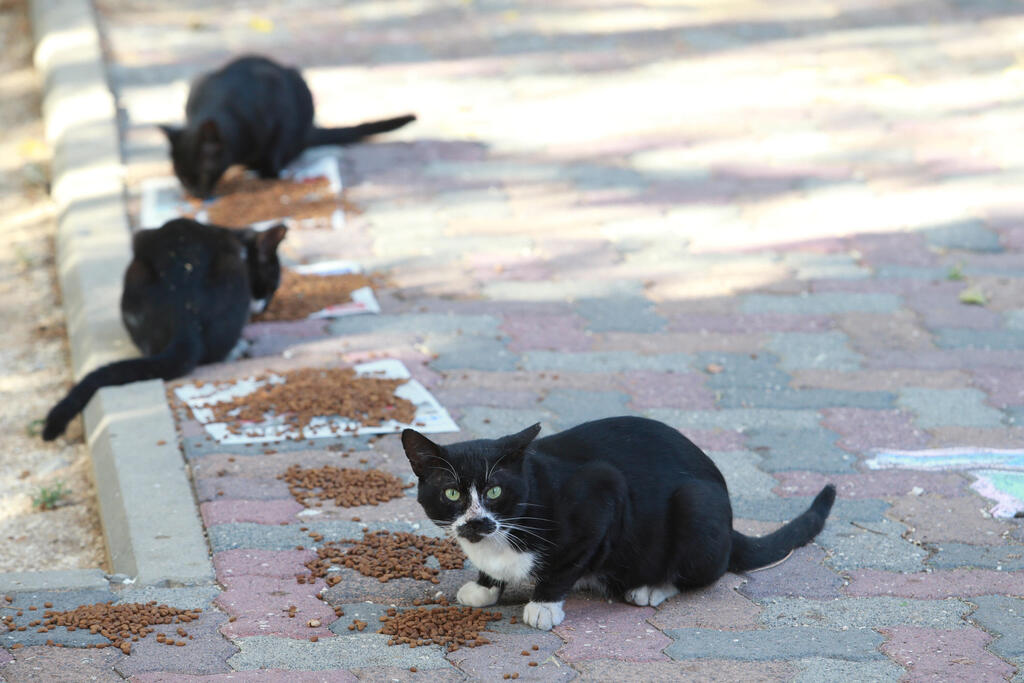
The Agriculture Ministry has set aside just $1.2 million to address the situation—a fraction of the estimated $18 million experts say is needed to sterilize 250,000 cats and slow the tide. And while kindness abounds—bowls of kibble placed near benches, handmade shelters hidden behind dumpsters—the burden has quietly shifted from public systems to private hearts.
Sterilization is the key, but only if it’s widespread and sustained. Field studies, such as one in Rishon LeZion, show that even with high spay-and-neuter rates, the population drops only about 7% per year. To turn the tide, 70% of the population must be reached—and then maintained. Anything less, and it will not help.
These felines’ daily existence cannot be defined as effortless or devoid of challenges. Most live fewer than five years, weathering injury, hunger, disease and seasonal extremes. Still, they remain—watchful, soft-footed and essential. They reduce pests, inspire empathy, and bring small, flickering moments of life to the concrete thrum of the city.

(Photo: shutterstock)
Yet the system meant to care for them is patchy at best. Municipalities are nominally responsible for managing stray populations, but they’re not required by law to act. Where goodwill exists, resources often don’t. Municipal veterinarians are overworked and underpaid, with many towns failing to meet even minimal employment standards. Cat catchers, vital to any sterilization effort, are untrained and unsupported. There’s no certification, no national framework—just improvisation.
Get the Ynetnews app on your smartphone: Google Play: https://bit.ly/4eJ37pE | Apple App Store: https://bit.ly/3ZL7iNv
In 2021, the Agriculture Ministry went so far as to solicit public input. It interviewed veterinarians, feeders and city officials. But words didn’t become policy. The cats kept multiplying. The feeders kept showing up. The state, critics say, kept looking away.
“The state can’t keep turning a blind eye,” said Knesset lawmaker Yasmin Sacks Friedman, who commissioned the report. “This isn’t about loving or hating cats. It’s about managing a reality that already exists and won’t disappear on its own. The lack of policy causes suffering—for the animals and for the people.”
Stray cats eating
(Video: Dana Delter)


It’s not just about budget lines or bureaucratic inefficiency. It’s about vision. A society’s grace is measured not just by its tech IPOs, but by how it treats its voiceless.
What Israel needs is a coordinated, humane, national strategy—one rooted in science, compassion, and long-term commitment. Until then, the cats will keep weaving through the gaps in our system. And some of us will keep feeding them, whispering apologies into their fur for a country that still hasn’t done right by them.