


Most of Israel’s privately operated desalination plants have been temporarily shut because severe seawater turbidity caused by recent weather conditions is interfering with filtration, the Water Authority said Monday.
The shutdowns began Saturday, although the authority disclosed the situation only on Monday. As a result, fresh-water supplies to agriculture in southern Israel have been reduced, while agricultural water deliveries in the Ramat Negev Regional Council have been halted entirely.
Gallery
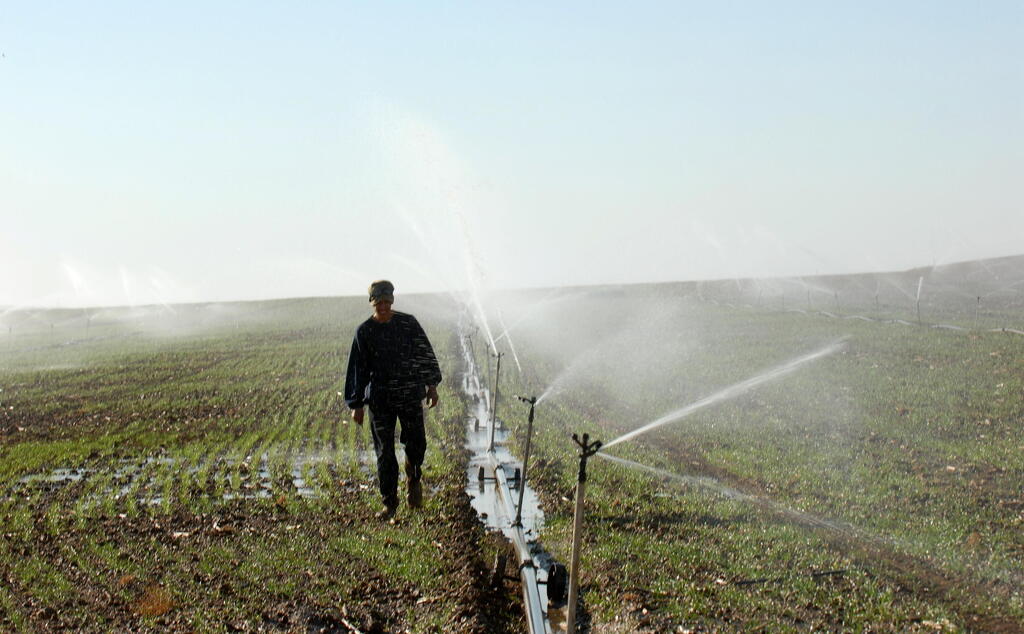
Severe seawater turbidity shuts most Israeli desalination plants, curbing farm water in south
(Photo: Meir Azulay)
The desalination facilities in Hadera and Eilat have continued operating, as have 20 local facilities run by national water company Mekorot.
The Water Authority said the national water system remains under control and that Mekorot has stepped up production from all available sources.
“According to current estimates, some of the desalination facilities will resume operations soon,” the authority said. “Professional teams are closely monitoring water quality and are prepared for every scenario, with the goal of returning all facilities to operation as soon as the seawater becomes clearer.”
High levels of turbidity prevent desalination plants from operating because suspended material can clog membranes and disrupt the filtration process.
As of Monday afternoon, Hadera was the only one of Israel’s six major desalination plants still operating.
The Ashkelon and Ashdod plants were shut on Saturday, while the Sorek and Palmachim facilities stopped operations on Sunday afternoon or overnight.
“There is hope that Sorek B will begin operating soon because the samples from there look good,” Water Authority Director-General Yehezkel Lifshitz said.
The Hadera facility produces roughly 120 million to 130 million cubic meters of water annually.
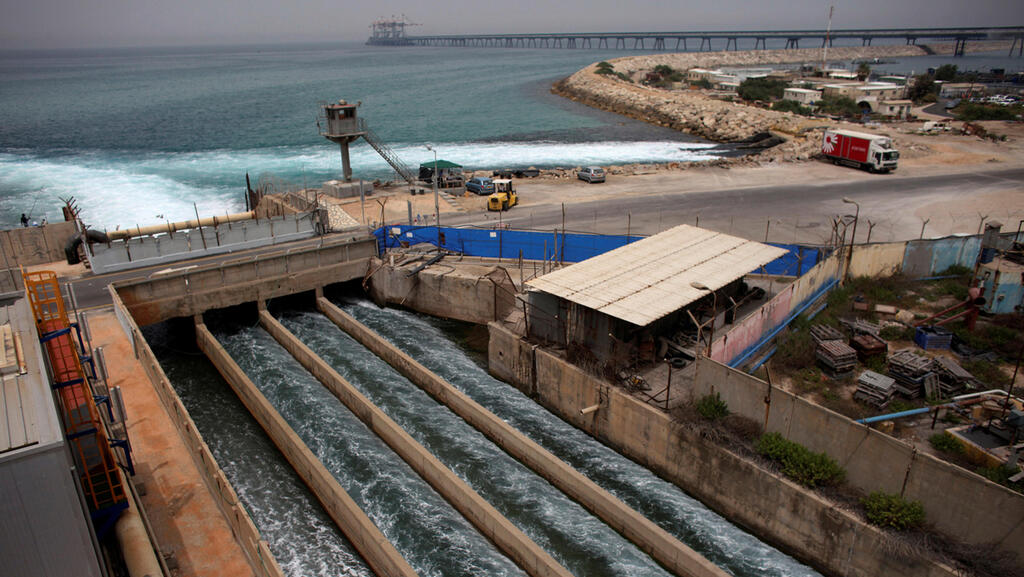
Still operating: IDE’s seawater desalination plant in Hadera
(Photo: Reuters)
The combined annual production capacity of the facilities currently offline is around 750 million cubic meters, excluding Sorek B at full capacity. That means only about 15% to 17% of normal annual desalination output is currently operating.
The facilities are expected to restart once seawater turbidity falls to acceptable levels.
Because intake depths and locations differ between plants, facilities that are geographically close to one another may still resume operations at different times.
Southern Israel bears the brunt
The main pressure is being felt in southern Israel, where the water network has more limited capacity to transport supplies from other parts of the country.
Authorities are currently prioritizing household drinking water over agriculture and landscaping.
At the same time, efforts are underway to increase pumping from the Sea of Galilee and groundwater wells.
Northern Israel has been affected far less because it relies more heavily on the Sea of Galilee and groundwater sources.
Farmers using treated wastewater are also largely unaffected. The restrictions mainly apply to southern farmers who rely on fresh water, including desalinated supplies.
The Eshkol Regional Council sent farmers an alert urging them to immediately reduce their use of fresh water for irrigation and landscaping.
“Following disruptions at national desalination facilities caused by the rains, there is interference with the national water supply,” the council said.
“Farmers and those responsible for landscaping are asked to immediately reduce all use of fresh water for agriculture and gardening. Treated wastewater may still be used.”
The council warned that continued agricultural use of fresh water could affect supplies for household consumption and drinking.
In the Ramat Negev Regional Council, fresh-water supplies for agriculture have been stopped altogether.