

At the beginning of February, in the wild, snow-covered north of British Columbia, Canada, award-winning Israeli nature photographer Amit Eshel led a small group of photographers on a journey devoted entirely to the search for rare moments in nature. The cold was biting, the air was dry and the deep snow muffled every sound.
It was the perfect setting for one of the most extraordinary experiences imaginable.
Canadian lynx
(Video: Amit eshel)


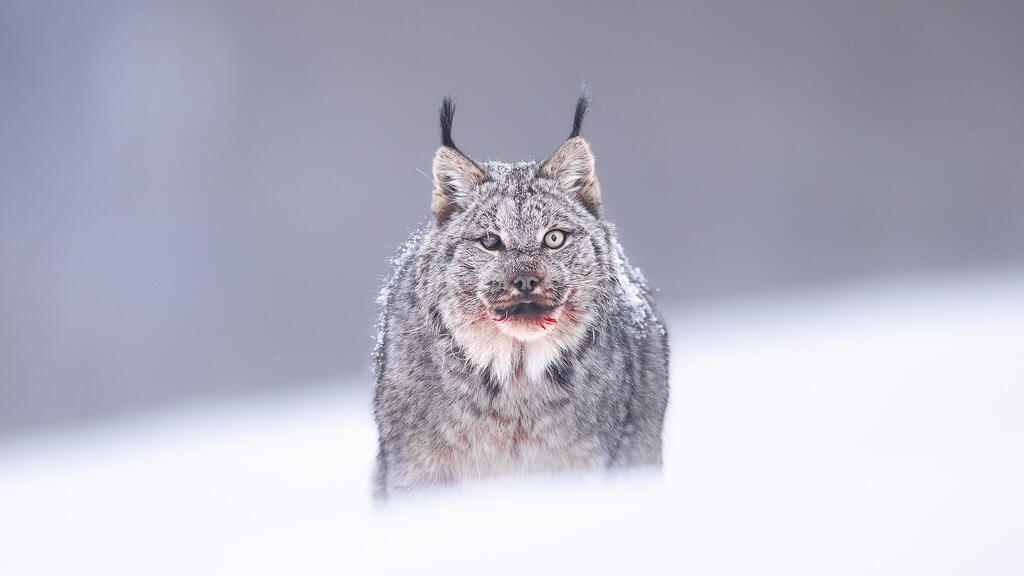
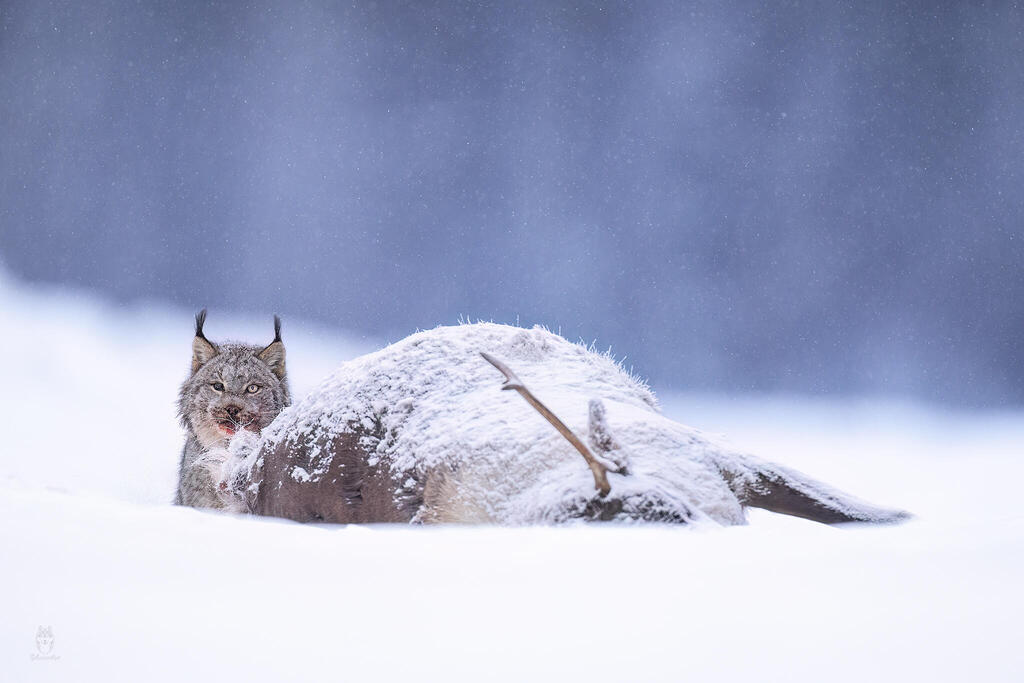
During one of the mornings, the team spotted a Canadian lynx for the first time as it fed on a caribou carcass. The scene was both powerful and quiet, an elegant predator in the heart of a frozen landscape, moving naturally within the harsh reality of survival. For the photographers, it was a rare moment that revealed a less documented side of the lynx, not only as a hunter of small prey, but also as an opportunist that knows how to make use of opportunity.
According to Eshel, who has gained international recognition through his wins in numerous nature photography competitions, including what is considered the world’s most prestigious, it was clear from the first moment that this was an animal with a story.
(Photo: Amit Eshel)
(Photo: Amit Eshel)
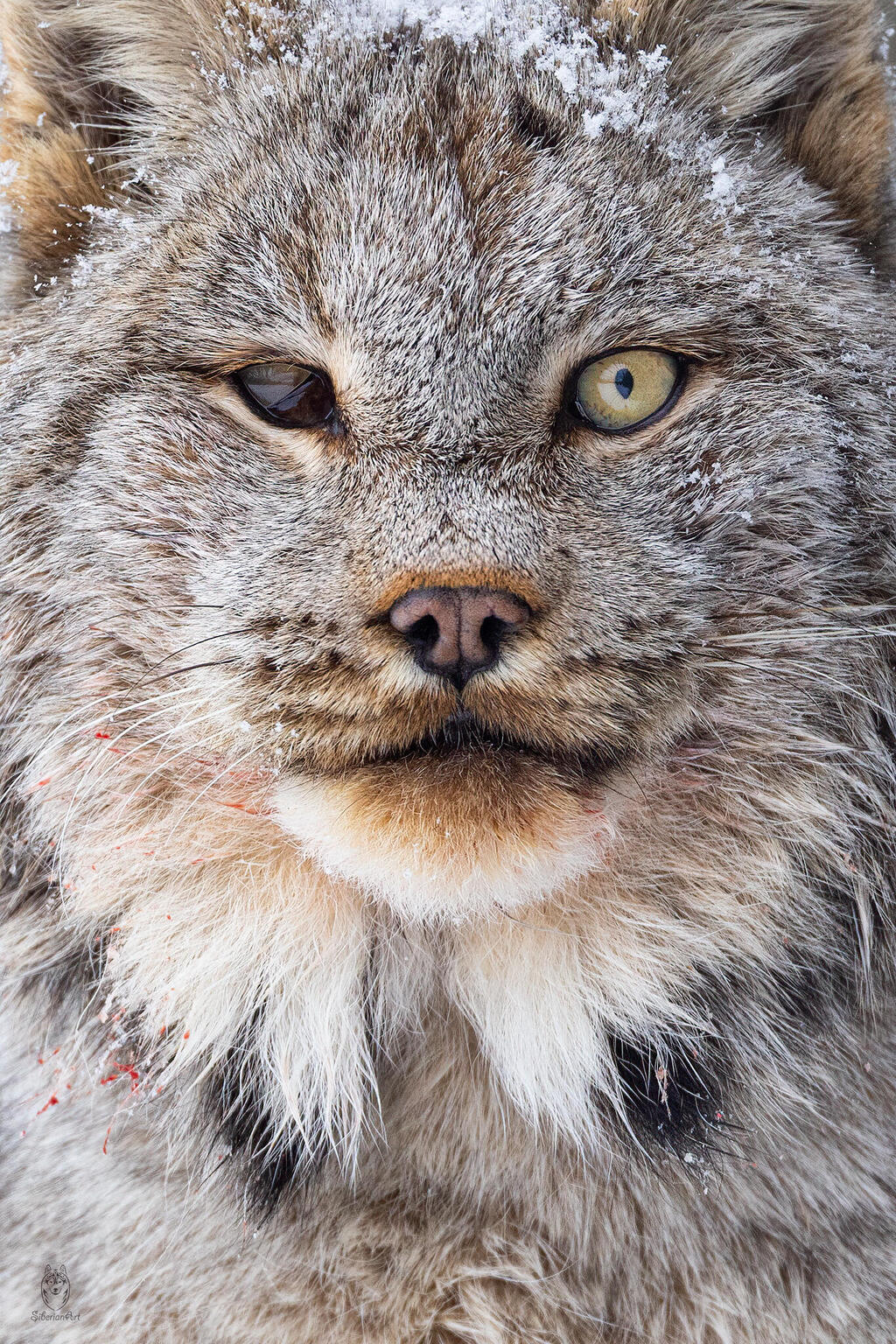
“One of its eyes was injured, apparently an old wound, the result of survival struggles, hunting or a confrontation with prey in the harsh wilderness where it lives,” Eshel said. “Even so, it functioned in a completely impressive way. There was something deeply moving in the way it kept moving, eating and carrying on, a testament to the resilience and adaptability of predators in the wild.”
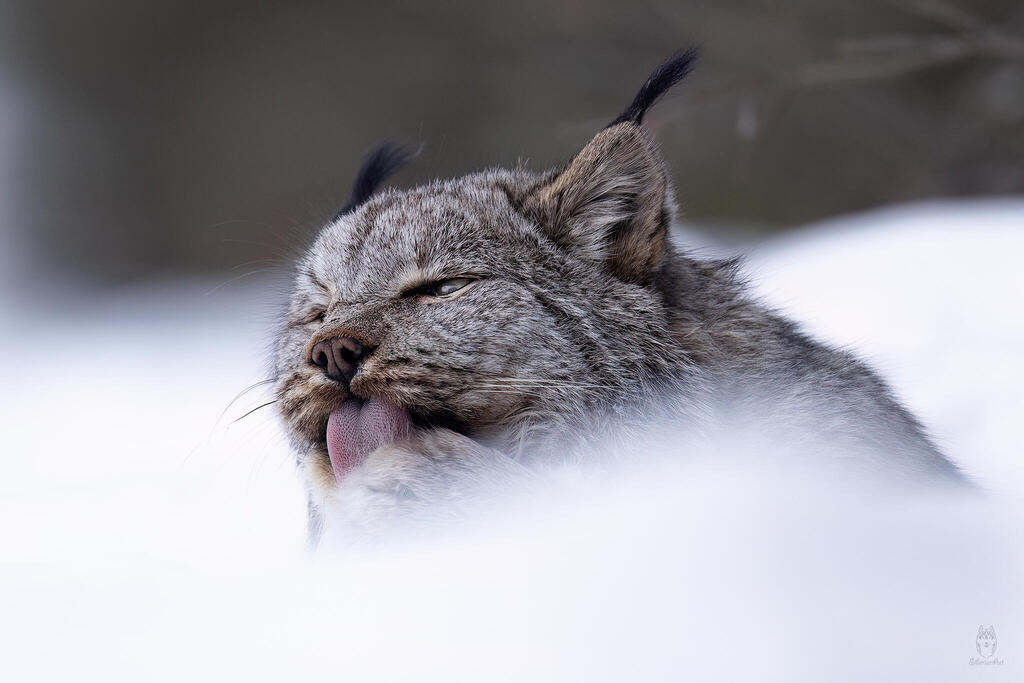
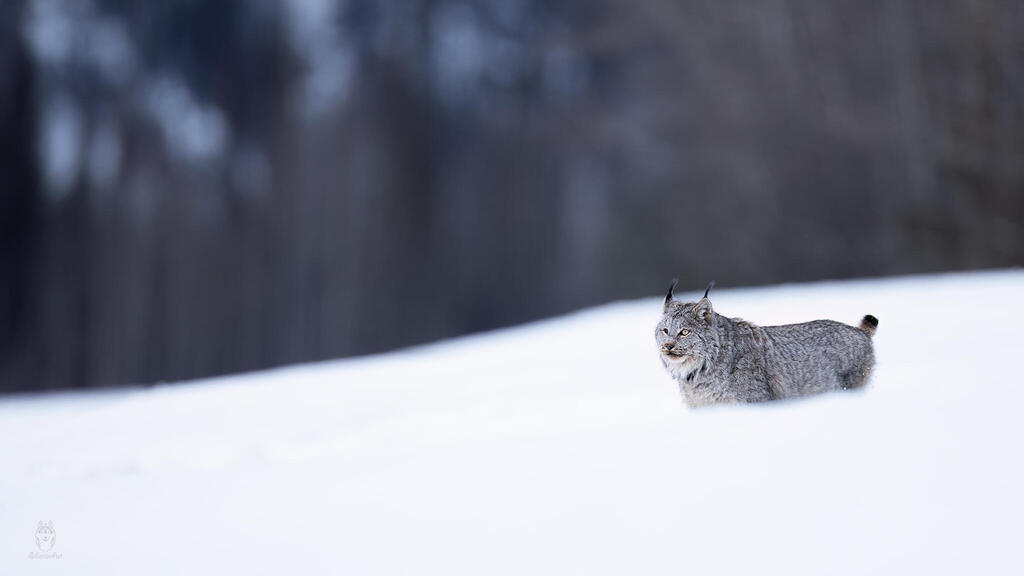
After some time, once it was full and more relaxed, the lynx moved a short distance from the carcass and sat down on the snow. There, just a few yards from the photography team, one of the expedition’s most unusual moments took place.
(Photo: Amit Eshel)
(Photo: Amit Eshel)
“It was surprisingly calm, watching us almost indifferently, as if we had become part of the landscape,” Eshel recalled. “The approach was slow, measured and respectful. I taught the participants to stop, breathe and understand the situation before every movement. In the wild, especially with an elusive predator like the lynx, everything depends on the energy you project. Every step forward is examined, not only by us, but by the animal too.”
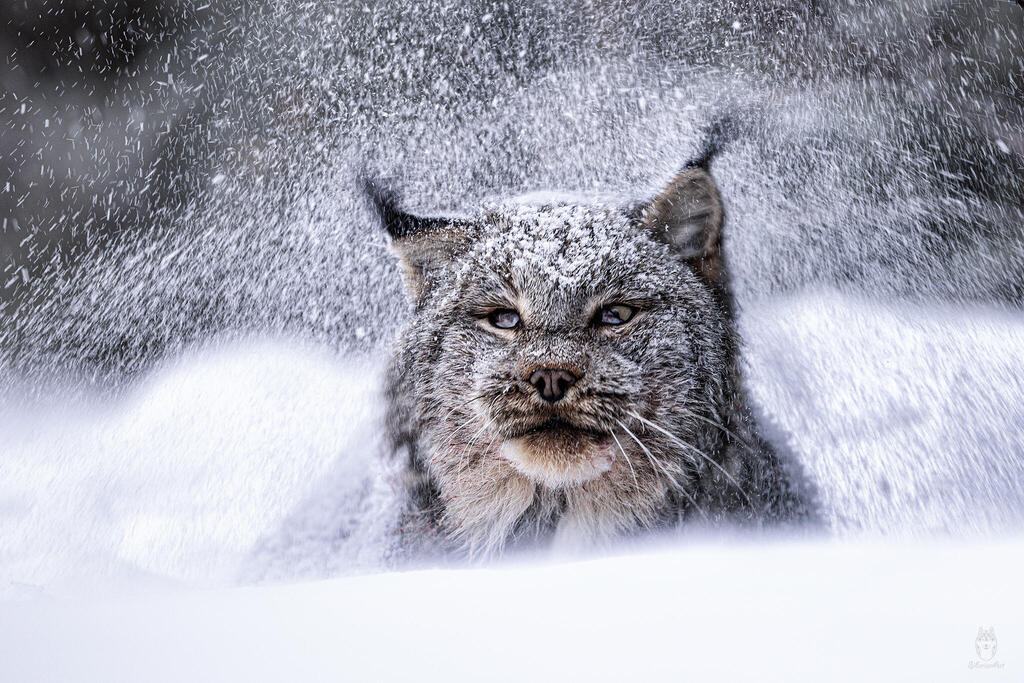
What made the encounter even more powerful was an understanding of the lynx’s way of life. The Canadian lynx is a solitary predator, perfectly adapted to life in extreme cold. Its thick fur and broad paws allow it to move easily over deep snow, while its hunting strategy relies on silence, camouflage and a precise leap. Its diet depends mainly on the snowshoe hare, and there is a close ecological link between the two species, with rises and declines in their populations closely intertwined over the years.
(Photo: Amit Eshel)
“Even so, as we saw that morning, the lynx knows how to be flexible,” Eshel said. “When an opportunity comes its way, like a caribou carcass, it will make full use of it, which highlights its intelligence and ability to adapt to changing conditions.”
One moment that remained etched in the team’s memory came when they watched the lynx’s breath turn into delicate vapor in the freezing air, drifting slowly into the surrounding space.
“It was a quiet, almost dreamlike scene that illustrated both the delicacy and the power of life in the far north,” Eshel said. “This experience highlights a central principle I believe in: real wildlife photography is not only about technique, but about connection. With the right approach, with respect and with a deep understanding of animals and their environment, it is possible to reach moments that cannot be staged. This was not only an encounter with a lynx, but also a reminder of why we go out into nature in the first place.”