

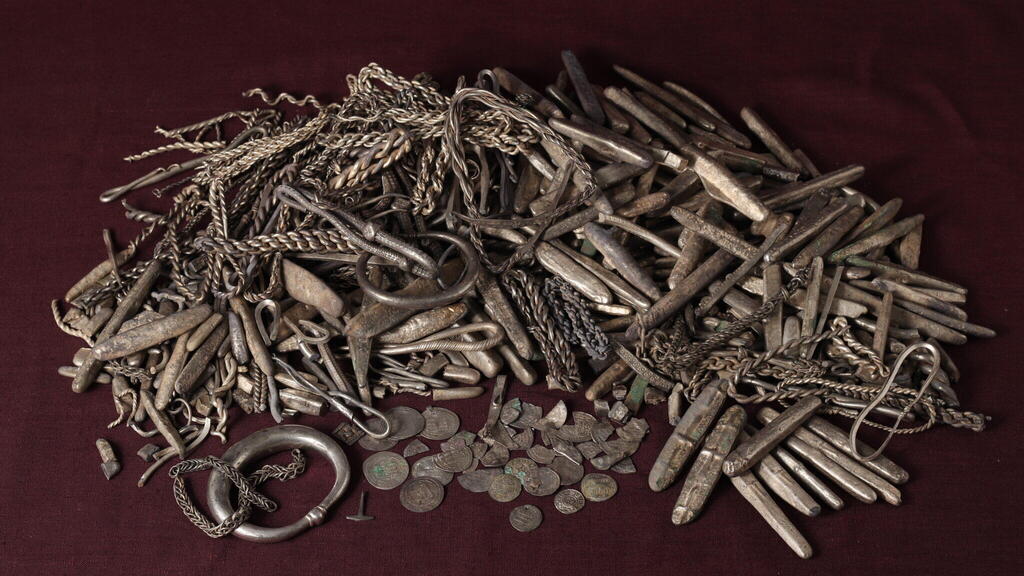
A homeowner in northern Denmark made an extraordinary discovery while building a raised patio in his yard: more than 18.5 kilograms of silver objects buried in the ground for roughly 1,100 years.
According to Live Science, analysis of the find indicates that it is the largest Viking Age silver hoard ever discovered in Denmark, weighing nearly three times as much as the country’s previous largest silver cache from the period.
(Photo: North Jutland Museums)
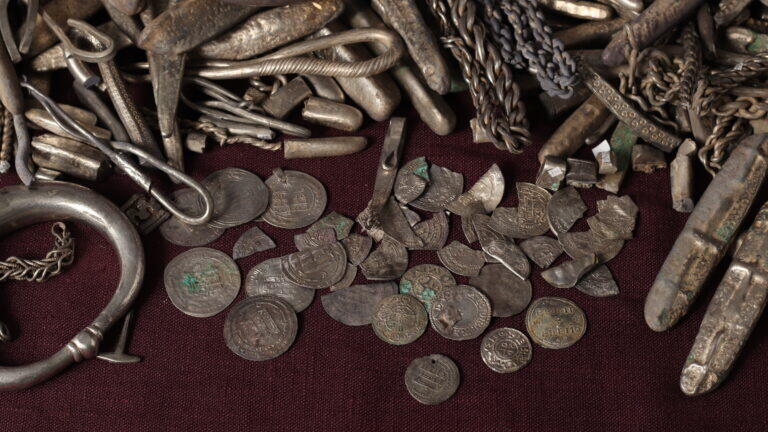
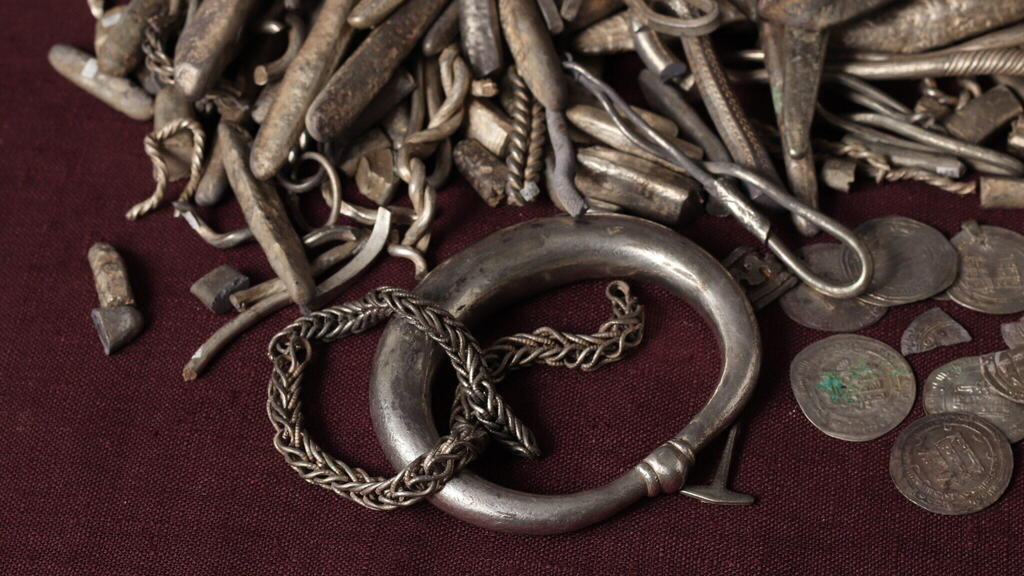
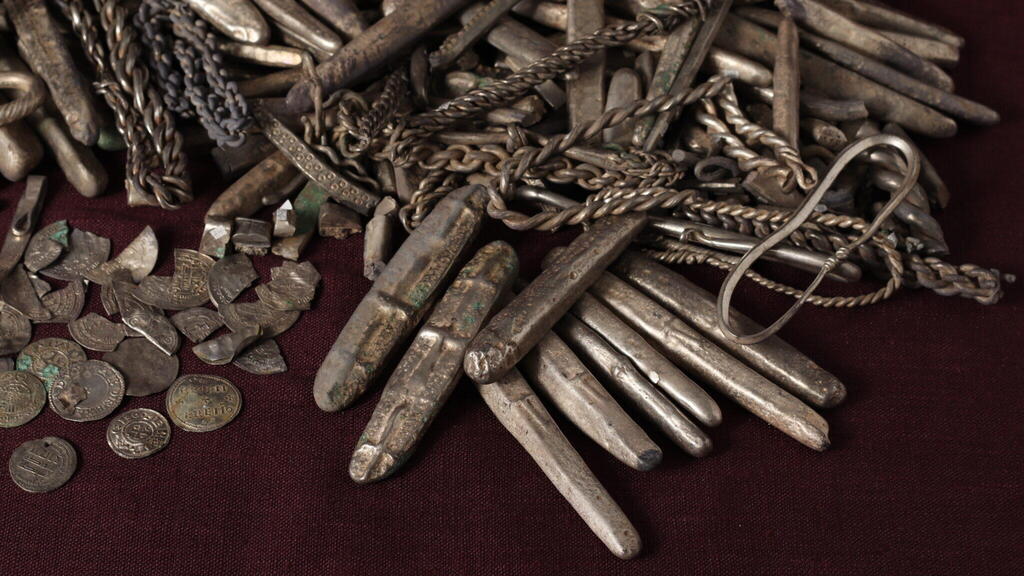
The hoard contains about 700 silver objects, including ingots, jewelry, 47 complete coins and coin fragments. Among the finds is also a small object resembling Mjölnir, the hammer of Thor, the Norse god of thunder, lightning, storms and strength. Such objects are often interpreted as protective symbols and as indications that their owners followed the pre-Christian Norse religion.
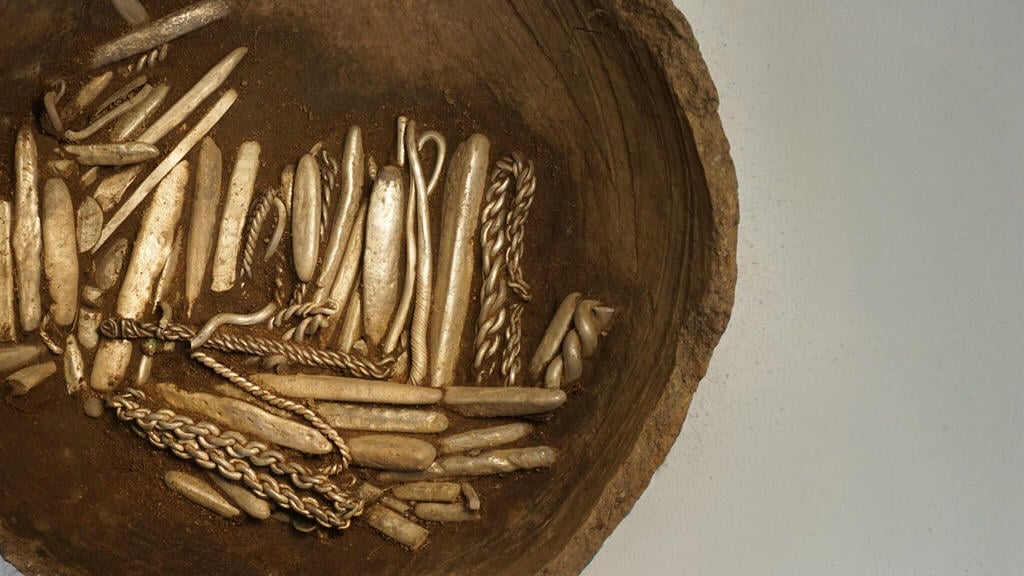
About 320 of the objects were found inside a ceramic vessel, while the rest were recovered from the surrounding soil. One silver ingot bears runic characters, the writing system used in Scandinavia during the Viking Age.
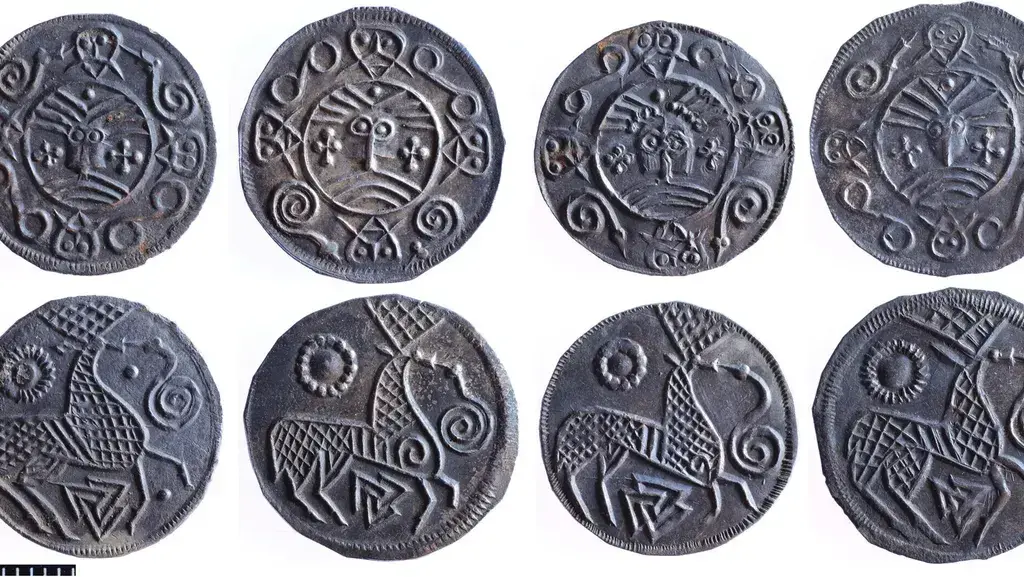
Among the coins are two Anglo-Saxon pennies minted during the reign of Edward the Elder, who ruled Wessex in England from 899 until his death in 924. The coins help date the hoard to sometime in the 10th century.
(Photo: North Jutland Museums)
(Photo: North Jutland Museums)
The cache also includes Islamic coins. Torben Sarauw, head of cultural heritage at North Jutland Museums, said the combination of Islamic and Anglo-Saxon currency points to extensive Viking-era connections between Denmark and regions across Europe and farther east.
“The area was not peripheral, but an important part of the major economic and cultural networks that connected Scandinavia with the regions around the Baltic Sea and the Islamic world to the east, as well as the North Sea region, England and Western Europe to the west,” Sarauw said.
The find also offers clues about how Viking Age communities stored, organized and concealed wealth. Researchers found that the silver ingots, along with some bracelets and fragments, can be divided into defined weight categories.
“When we analyze the weight of the silver objects, the hoard reveals information about economic behavior in the Viking Age,” Sarauw said. “The hoard does not consist only of beautiful objects, since most of them form part of a structured value system based on weight.”
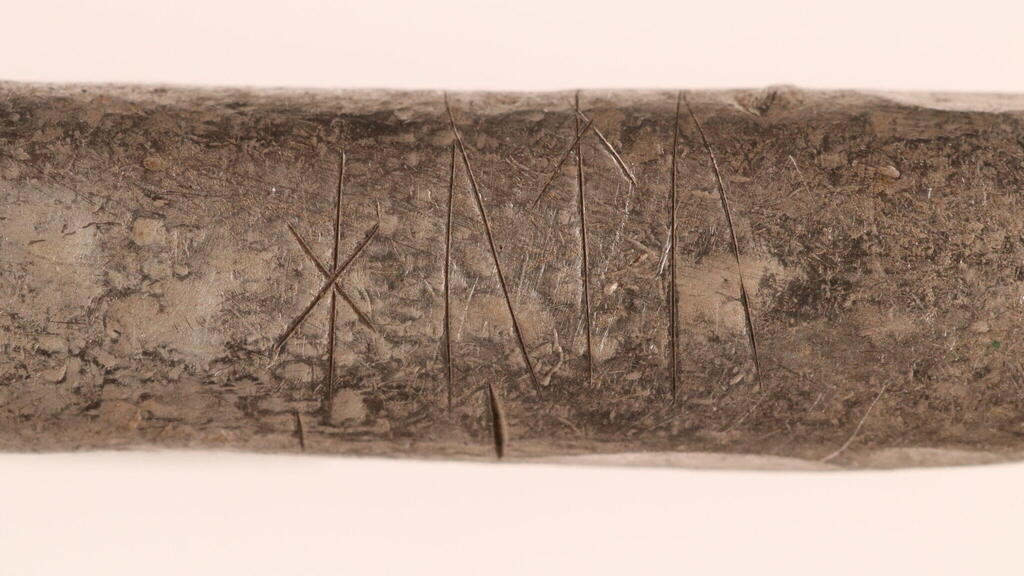
Runic characters on one of the silver ingots, a writing system used in Scandinavia during the Viking Age
(Photo: North Jutland Museums)
(Photo: North Jutland Museums)
(Photo: Claus Feveile/Birch et al. Archeometry 2026)
That suggests the collection was not random but represented a substantial store of wealth.
“The hoard clearly demonstrates how silver served both as an asset and as a means of payment during the Viking Age,” Sarauw added. “It is like finding a Viking Age safe.”
Researchers still do not know why the silver was buried. The cache may have been hidden near a Viking settlement, alongside a road that no longer exists or in a more remote concealed location.
Answering that question would require extensive archaeological excavation, which is difficult because the area where the treasure was found is now developed.
The objects will now be transferred to the National Museum of Denmark for further examination, where researchers hope additional analysis will reveal more about their origins, use and the person who buried them.