

An ancient burial cave and additional archaeological finds were uncovered Monday beneath a building in Silwan, east Jerusalem, during an operational activity by Border Police officers. An initial examination by Israel Antiquities Authority experts found that the graves date to the Second Temple period.
Gallery
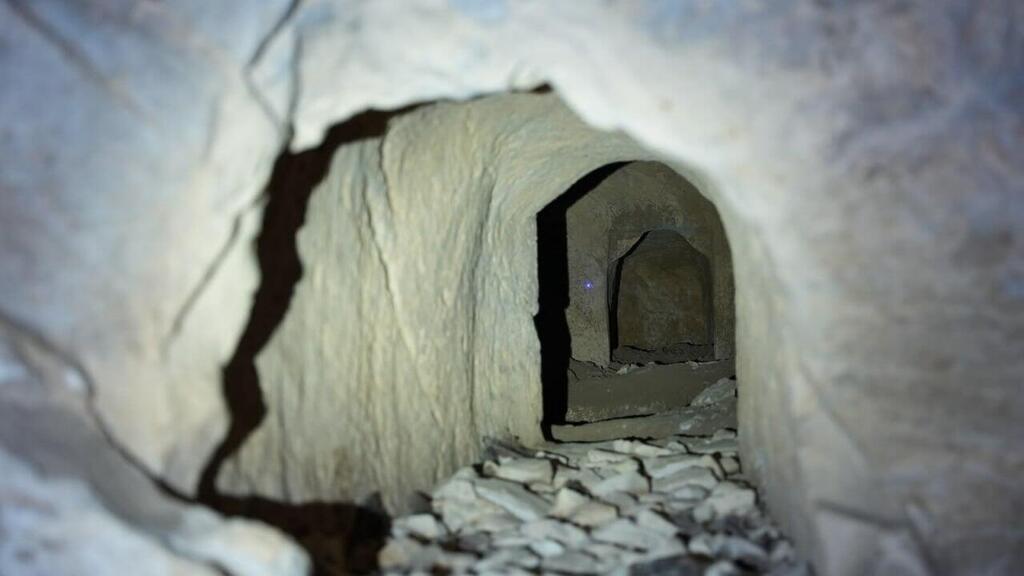
An ancient burial cave discovered during operational activity in Silwan in east Jerusalem
(Photo: Israel Police spokesperson)
The cave was discovered during searches carried out by Jerusalem Border Police officers at a compound in Silwan as part of a Jerusalem District operation related to a violent dispute between families. During the searches, officers noticed findings beneath one of the buildings and experts from the Israel Antiquities Authority were called to the scene.
A preliminary examination at the site indicated that the discovery was a burial cave containing graves from the Second Temple period. Additional archaeological finds also were uncovered alongside the cave.
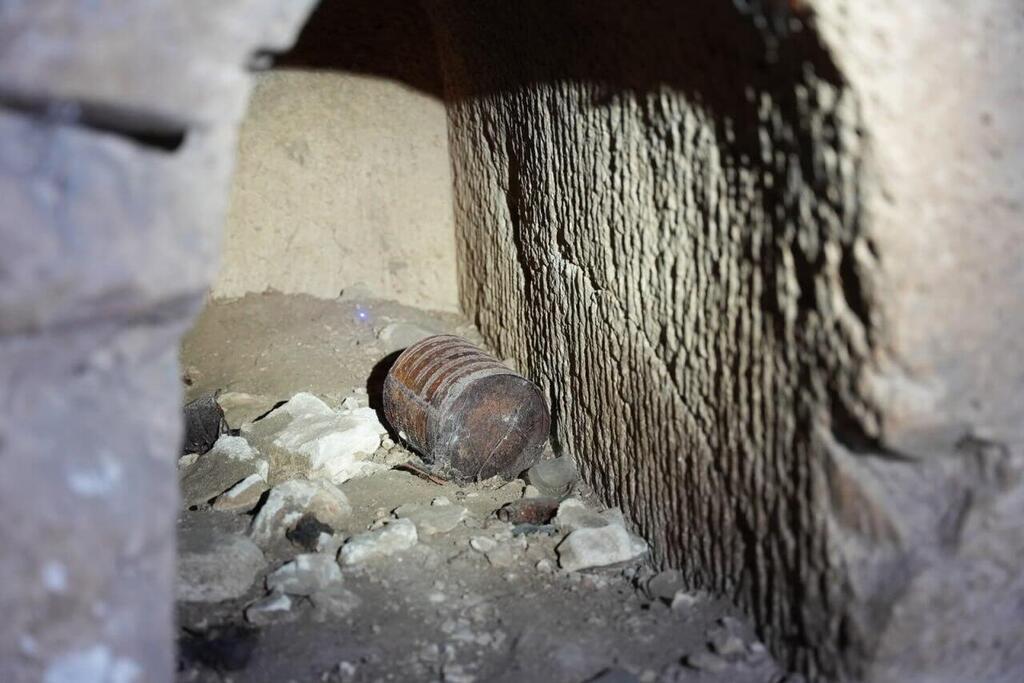
Ancient burial cave and archaeological finds discovered under a building in Silwan
(Photo: Israel Police spokesperson)
Police said officers and Border Police personnel were securing the site in coordination with representatives of the Israel Antiquities Authority to allow further examination of the findings and to ensure they are handled in accordance with whatever is discovered.
Silwan, known in Hebrew as Kfar HaShiloah, is a neighborhood in southeastern Jerusalem near the walls of the Old City. The Hebrew name Kfar HaShiloah is preserved in the Arabic name Silwan. The area is rich in archaeological remains from ancient periods, including the City of David, Hezekiah’s Tunnel, the Pool of Siloam and burial systems.
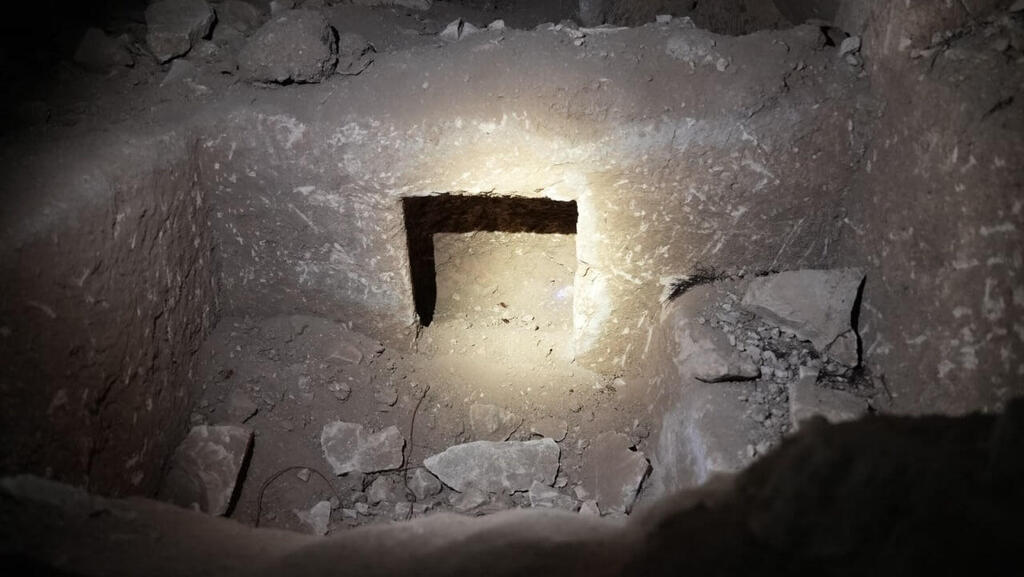
Inside the ancient burial cave
(Photo: Israel Police spokesperson)
During the Second Temple period, Jerusalem was an important religious and administrative center, and the area south of the Temple Mount formed part of the city and the routes leading into it. Archaeological evidence of life in ancient Jerusalem continues to be uncovered in Silwan and the City of David today.