

As criticism of Israel and calls against the country intensify around the world, an Israeli veterinarian has received international recognition for risking her life to save animals in the aftermath of the Hamas-led Oct. 7 attack.
While most residents were leaving communities near the Gaza border following the attack, Dr. Galia Melman-Shalev of Ein HaBesor chose to return. Beginning Oct. 8, she and her husband entered evacuated communities despite the danger to search for animals left behind — dogs, cats and horses trapped in burned homes, wounded by gunfire or wandering frightened and hungry.
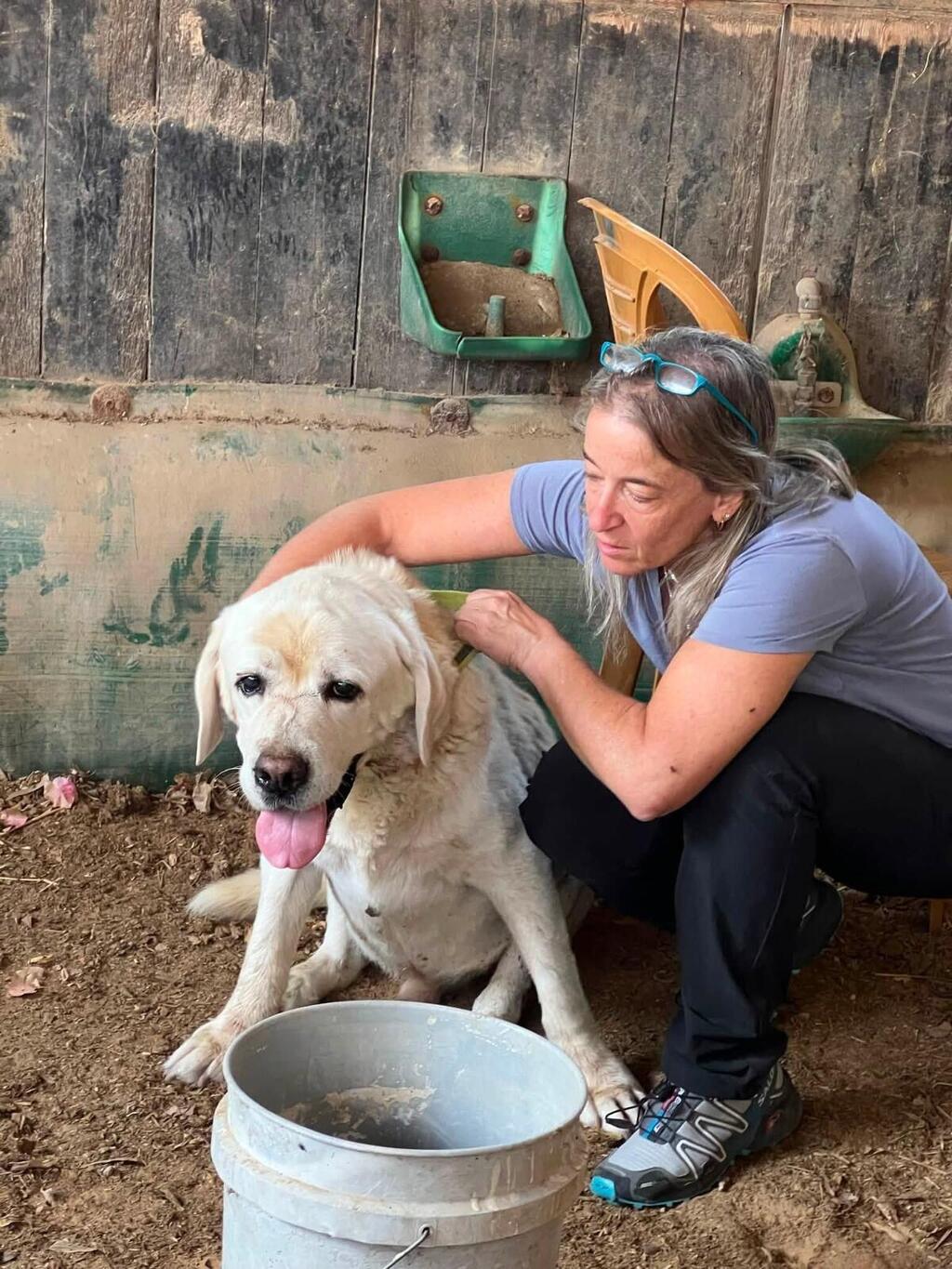
What began as improvised rescues under fire grew into a large-scale operation in which hundreds of animals were rescued, treated and reunited with their families. For those efforts, the World Small Animal Veterinary Association, or WSAVA, has awarded Melman-Shalev its 2026 Companion Animal Welfare Award, one of the veterinary profession’s prestigious international honors.
The award was presented to Melman-Shalev, 58, “in recognition of her unimaginable dedication to protecting animals and supporting their families during the crisis of Oct. 7 and the war that followed.”
The organization cited actions that it said involved risking her life by entering communities amid gunfire and active fighting, describing her commitment to saving animals as an act of extraordinary courage that has received widespread international recognition.
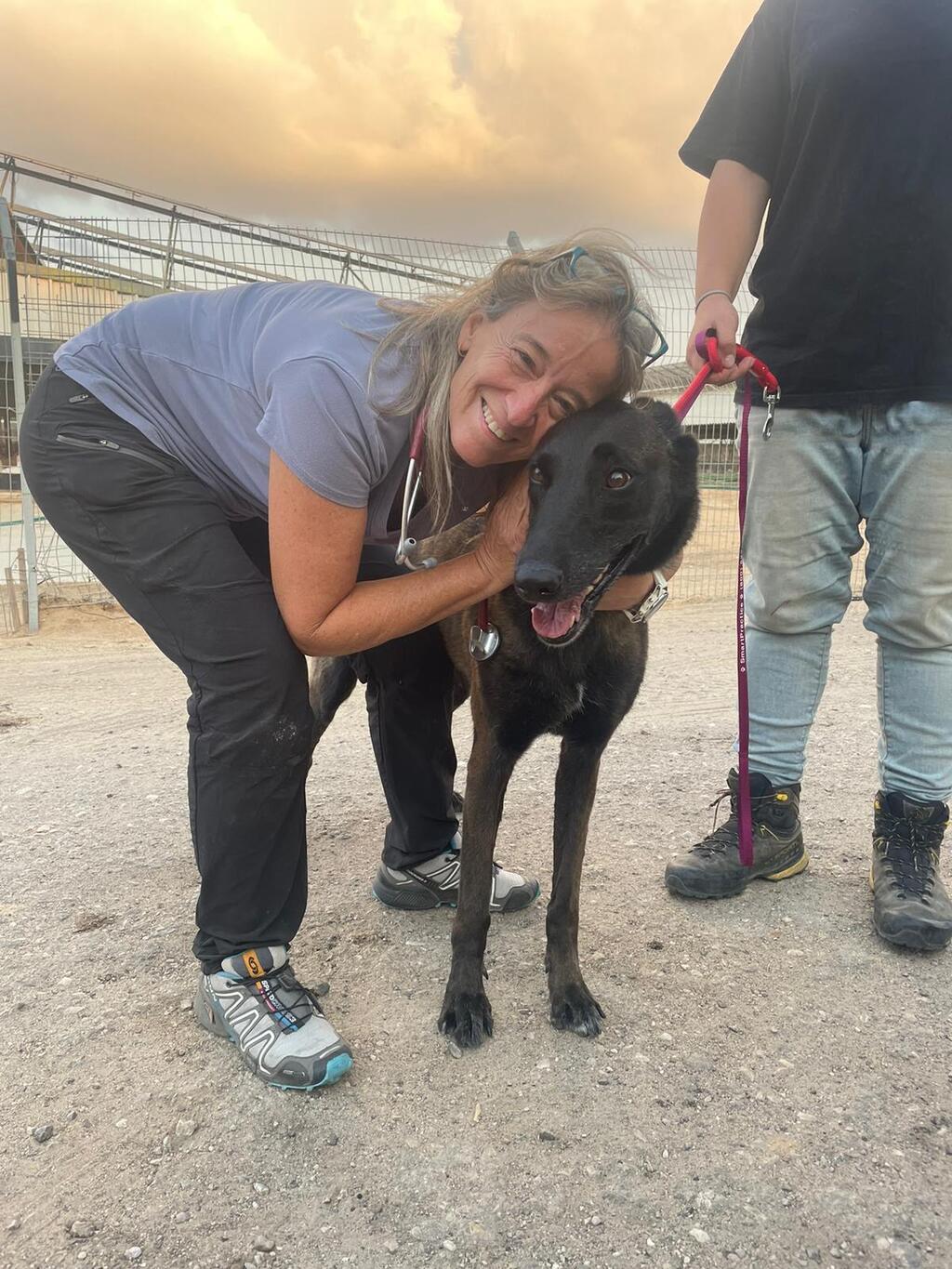
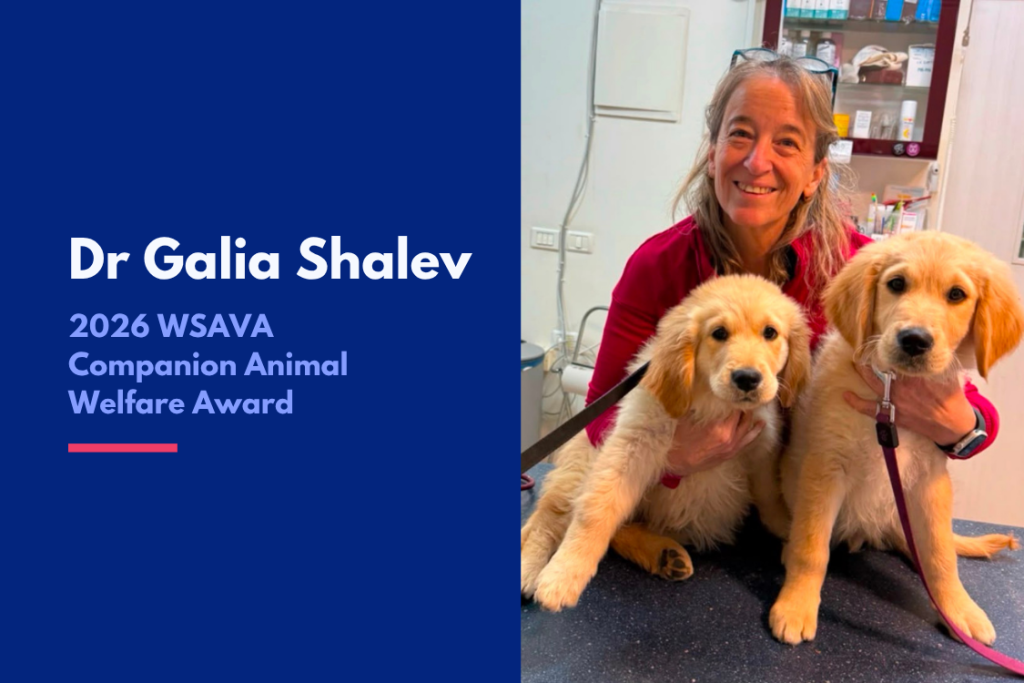
Dr. Galia Melman-Shalev
WSAVA represents dozens of national veterinary associations and hundreds of thousands of veterinarians worldwide. The organization said Melman-Shalev received the award following a nomination by the Israel Companion Animal Veterinary Association, or ICAVA.
WSAVA said her story offered a powerful example of the role veterinarians can play during emergencies — not only protecting animals but also preserving human bonds and strengthening communities.
Melman-Shalev and her husband entered Gaza border communities while armed terrorists were still believed to be in the area, rescuing animals left behind by residents who had been evacuated in haste.
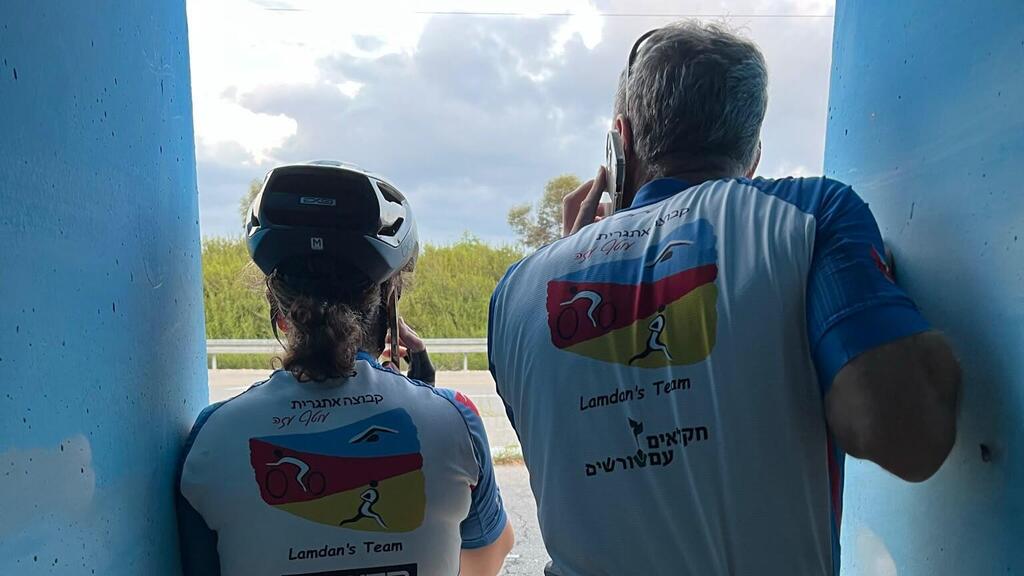
Dr. Melman-Shalev and her husband were late for training on October 7
Speaking to ynet about Oct. 7, Melman-Shalev said she and her husband had been running late for a training session ahead of a triathlon competition at the Kfar Aza gas station that morning.
“Suddenly, we heard the first sirens and Red Alert warnings on the radio,” she said. “We found ourselves at an intersection where many people wounded at the Nova festival were arriving, and we treated the wounded at the entrance to Kibbutz Sa’ad. Our two daughters, ages 24 and 15, were still in the moshav. We couldn’t get back there, and it was only the next day that we were reunited with them. Once we knew our family was safe, I realized the animals would need to be cared for.”
In the communities, the couple encountered devastating scenes: animals trapped inside homes that had been burned to the ground or destroyed, pets severely wounded by gunfire and shrapnel and others wandering through yards and fields frightened, injured and starving.
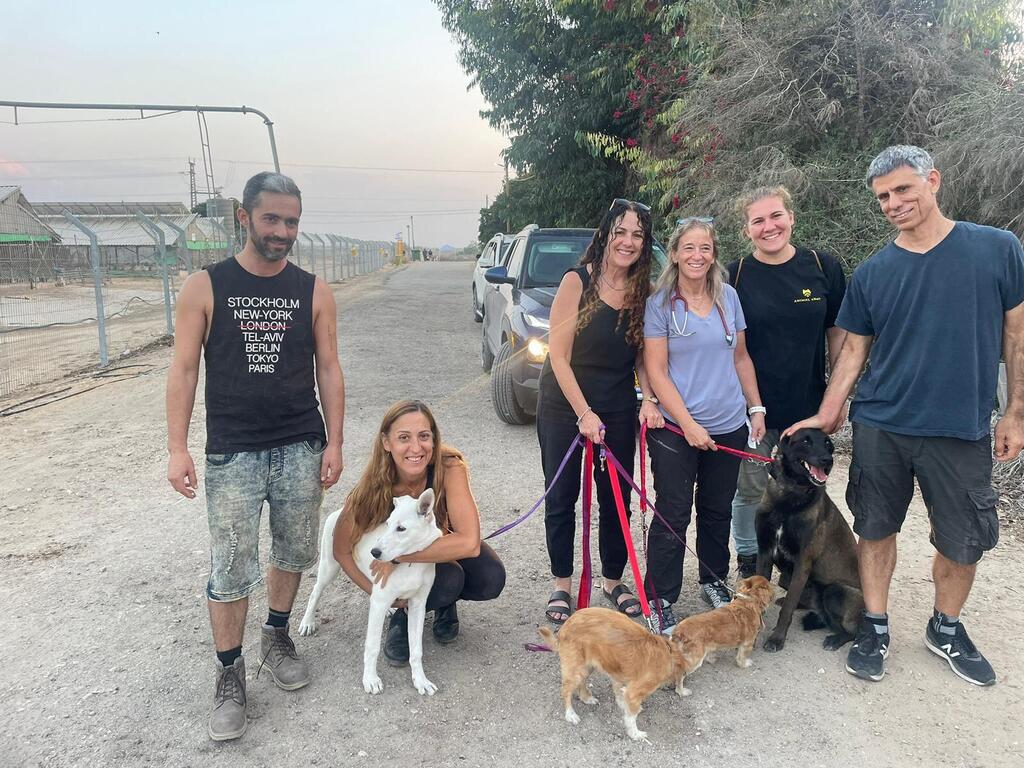
Dr. Melman-Shalev and volunteers
Despite the danger, Melman-Shalev and her husband provided emergency medical treatment and first aid in the field and rescued animals from the devastated communities.
What began as individual rescues soon developed into a much larger operation. An abandoned stable was converted into an emergency shelter, and a volunteer network was built from scratch to locate, treat and reunite hundreds of animals with their families.
“That same day, we began receiving calls from soldiers and members of local emergency response teams in the area about animals that needed help and medical treatment,” Melman-Shalev said. “We were moving around areas where there were still terrorists without really understanding what was happening. Evacuated families were calling to try to locate the pets they had left behind.”
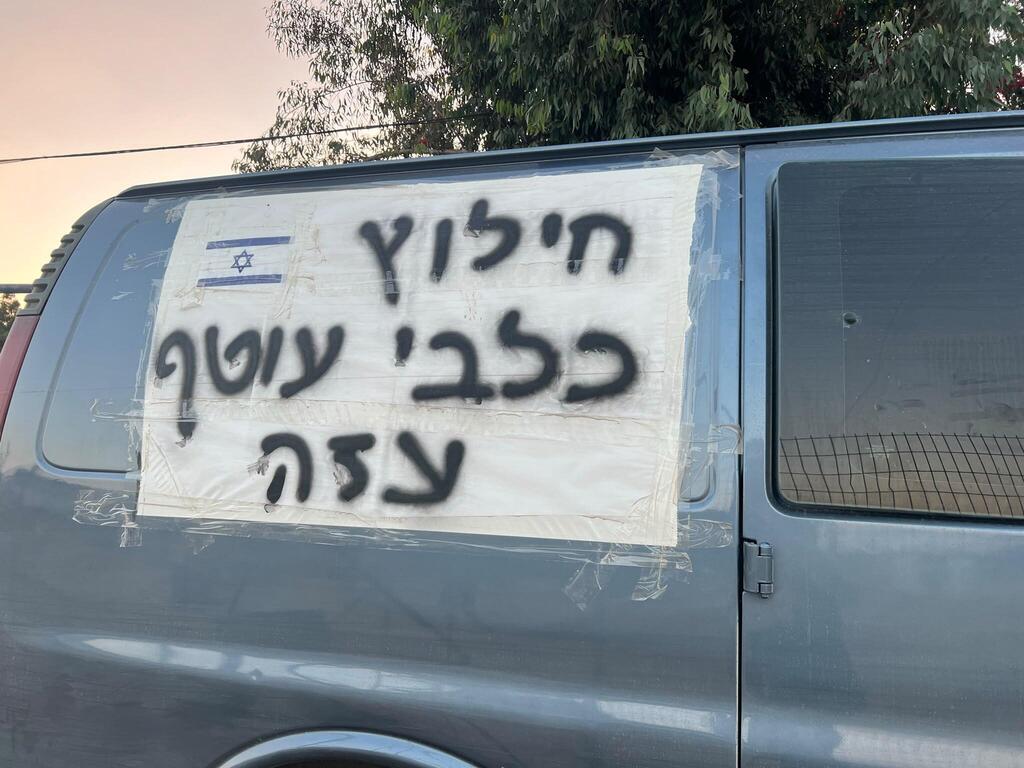
The dog rescue van
“I treated animals at my clinic, and then more and more calls started coming in, and the clinic filled up with animals,” she said. “We put the dogs in the stable until that filled up too.”
Melman-Shalev mobilized numerous volunteers to help with the operation.
“We brought the animals to Beit Kama, and volunteers helped transfer them to foster homes, including with assistance from Brothers in Arms,” she said, referring to the Israeli civil society organization that mobilized extensive volunteer operations following the Oct. 7 attack.
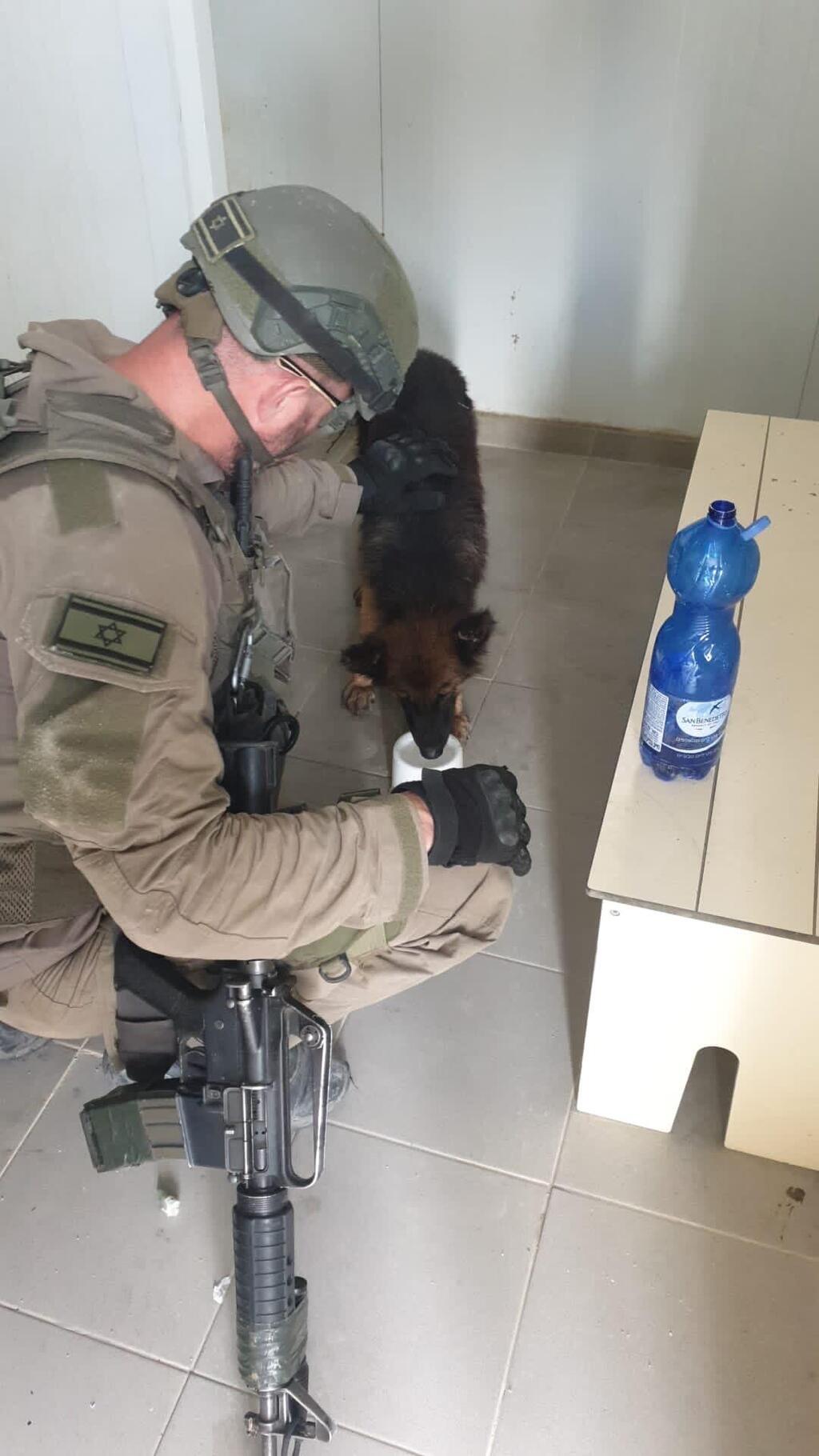
IDF troops helped as well
Her work continued after she relocated with evacuees to the southern resort city of Eilat, where she provided veterinary treatment and vaccinations for three months.
“When the home disappears, the pet is sometimes the last source of support that remains,” she said.
‘It was something I had to do’
“It was unlike anything I had experienced in my many years as a veterinarian,” Melman-Shalev said of the rescue operation and receiving the award. “Treating and rescuing the animals from the evacuated communities was simply something that had to be done. For families who had lost their homes and their sense of security, knowing that their beloved pet had been found, was being cared for and was waiting for them could mean an enormous amount.”
“Many people joined us and helped along the way, and I am especially grateful to my husband, our daughters and all the volunteers,” she said. “This award may bear my name, but it represents the extraordinary compassion, courage and commitment of everyone who helped us.”
“For me, it is a powerful reminder of our responsibility as veterinarians to be there for animals and for the people who love them, especially when they need us most,” she added.
Dr. Anat Lichter Feld, chair of the Israel Companion Animal Veterinary Association, said Melman-Shalev’s work reflected “the highest values of the veterinary profession: compassion, service, responsibility and 7courage.”