

A meteor is a tiny fragment of rock or dust that enters Earth's atmosphere at tremendous speed, creating a bright streak of light visible to the naked eye. Every summer, Earth passes through the debris trail left behind by an ancient comet, producing the spectacular Perseid meteor shower.
This year's display is expected to be especially impressive. Under ideal dark-sky conditions, observers could see up to 150 meteors per hour, traveling at roughly 37 miles (59 kilometers) per second. Because the Moon will be near its new phase, moonlight will have minimal impact, making viewing conditions exceptionally favorable.
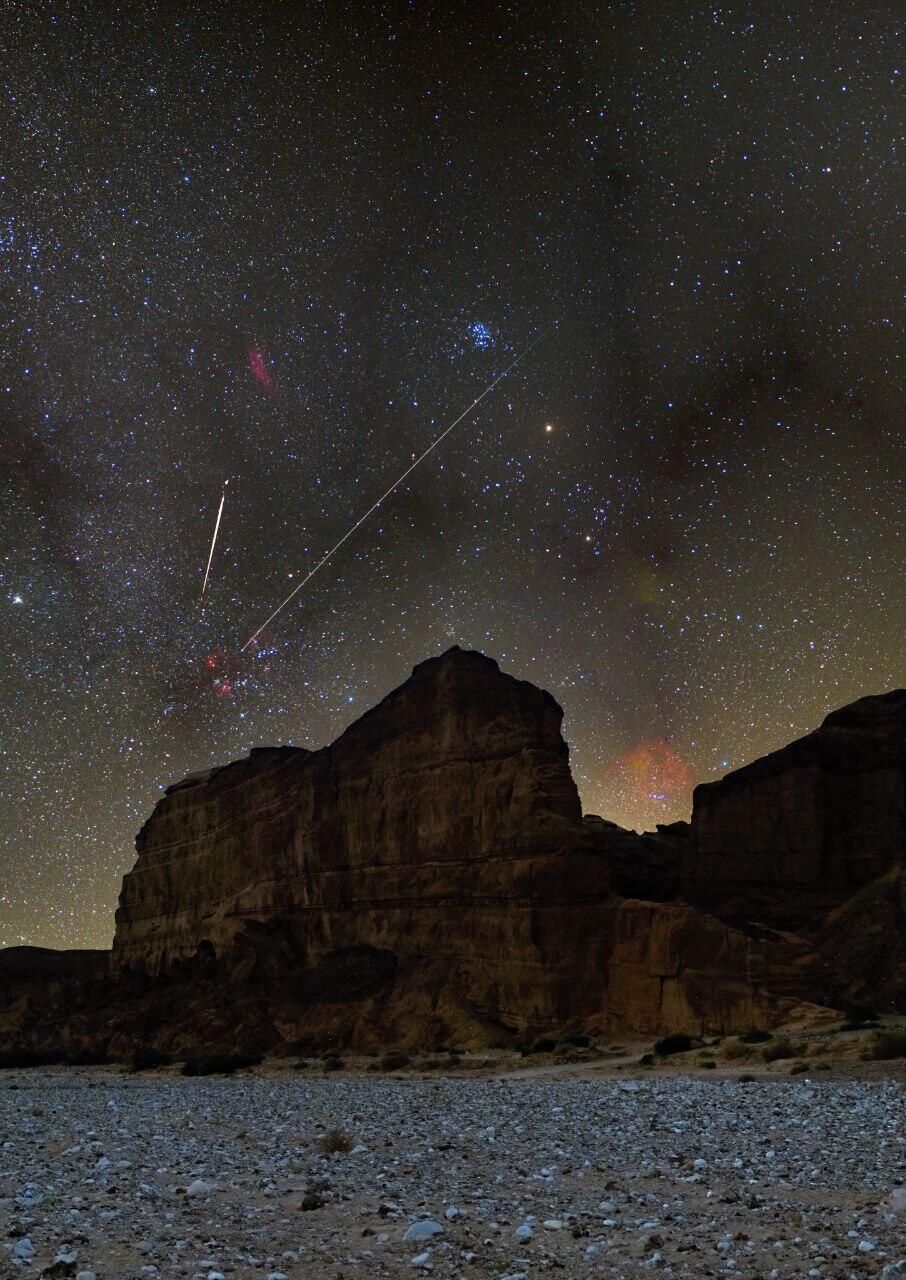
For the best experience, plan to head outdoors during the early morning hours, when meteor activity peaks. Give your eyes about 20 minutes to fully adjust to the darkness, and avoid checking your phone; every glance at a bright screen resets your night vision. Bring a blanket, turn off your devices and simply look up. Dark-sky locations that combine meteor watching with guided astronomy programs, laser-guided telescope tours, planetarium shows and family activities offer the most memorable experience.
Negev and Arava
Spend a weekend combining astronomy, desert landscapes, family activities and overnight accommodations at the Society for the Protection of Nature in Israel's Har HaNegev Field School in Mitzpe Ramon on August 7–8, August 14–15, August 21–22 and August 28–29.
Additional midweek and weekend programs at Hatzeva Field School feature Perseid viewing, family astronomy adventures, a planetarium experience, a refreshing dip at Ein Bokek, complimentary admission to the Sapir Country Club pool and overnight accommodations on August 12–13, August 13–14 and August 14–15.
Families can also enjoy one-hour evening astronomy experiences featuring telescopes, laser-guided sky tours and a portable planetarium at Shikmim Field School, near Nitzanim, from August 9–11.
Galilee and northern Israel
A long weekend in the Galilee combines Perseid viewing beneath clear summer skies with scenic hiking trails, refreshing streams, family activities and overnight accommodations at Alon Tavor Field School from August 13–15.
Southern Israel offers the country's finest stargazing conditions thanks to exceptionally low light pollution, dry desert air that minimizes atmospheric distortion and remarkably clear skies throughout most of the year.
As the Middle East's only International Dark Sky Reserve, Mitzpe Ramon offers some of the finest conditions anywhere in the region for viewing the Perseid meteor shower.
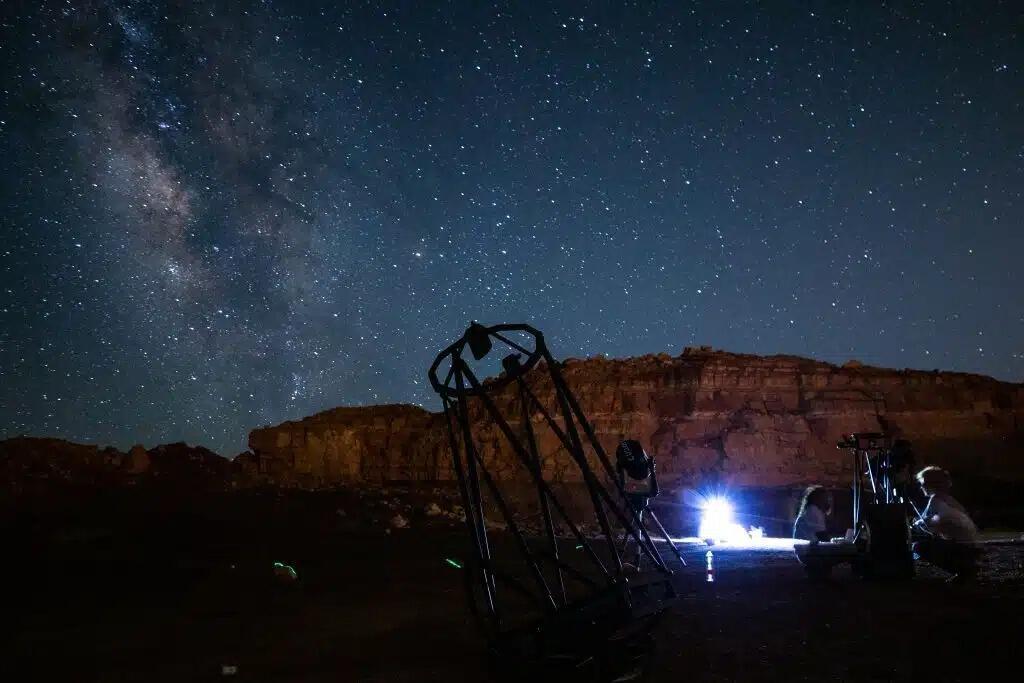
Ramon Crater
(Photo: Shimon Bokshtein)
Uri Kochavim ("Stargazers"), one of Israel's leading astronomy experience providers, is hosting nightly events from August 6–14. Programs include authentic desert hospitality, fascinating talks by professional astronomers exploring both astronomy and the philosophy of infinity, and sky observations through advanced portable telescopes, including Israel's largest mobile telescope.
Admission: ₪220 per person, ₪765 for a family of four.
Southern Arava
Neot Smadar
The skies above Kibbutz Neot Smadar rank among Israel's best for stargazing. Guided astronomy tours take place every Sunday, Tuesday and Thursday at 8:30 p.m. and are included with the Summer Card.
Reservations: +972-54-878-8721
August 2–27 (excluding Fridays and Saturdays)
Nightly stargazing begins at 10:00 p.m., with astronomy programs held throughout the park.
From August 9–13, during the peak of the Perseids, astronomy guides use laser pointers near Solomon's Pillars to identify constellations, galaxies and other celestial objects.
Admission: ₪49 (included with the Summer Card). Guided astronomy tours are available for an additional fee.
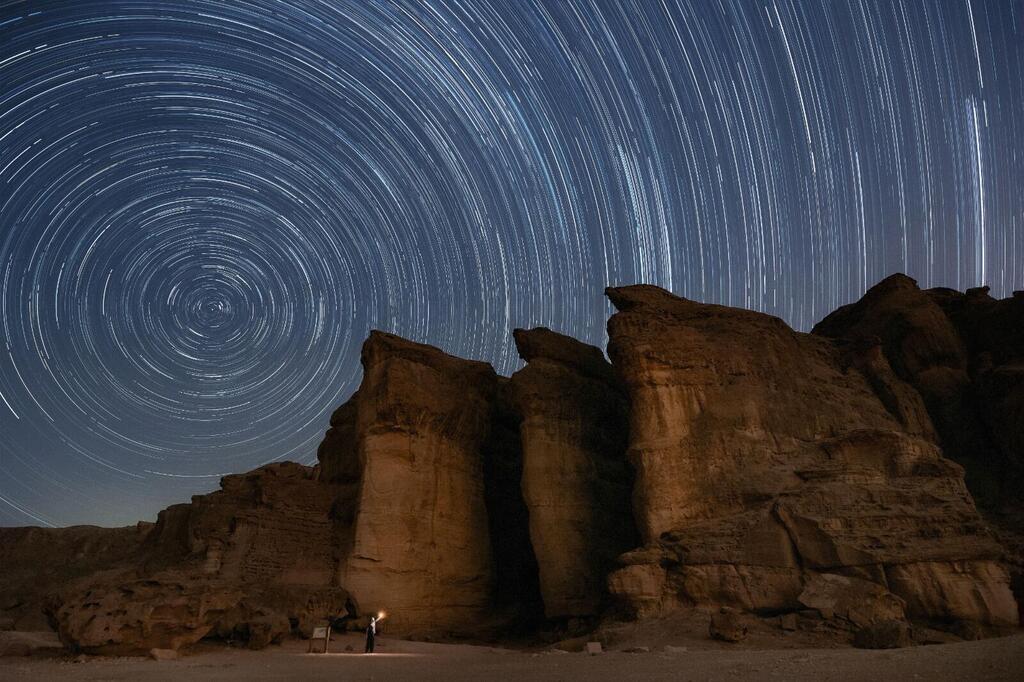
Timna Park
(Photo: Liorphoto)
Star Festival – Glow Desert Home (Kfar Shitim)
This unique desert festival blends astronomy, music and wellness beneath pristine dark skies. Visitors enjoy guided telescope observations alongside breathwork workshops, ice baths, acro-yoga, sound healing, ecstatic dance, cacao ceremonies and live performances by Yarden Biton and the electronic-shamanic project NAVAIA. Families can also enjoy a children's bubble show.
Guests may choose from camping, glamping or air-conditioned accommodations.
Spend an evening learning to identify constellations, observe the night sky and search for meteors with expert guides.
Dates: Tuesdays, July 14, August 18 and August 25, beginning at 8:30 p.m.
The sky has already prepared the greatest show of the summer. All that's left is to find a dark spot, put your phone away and look up.