

Israeli researchers have found a clear link between a dog’s body weight and pressure in its eyes, according to a study published in the Journal of Veterinary Internal Medicine. The study was led by Dr. Oren Pe'er of the Koret School of Veterinary Medicine at the Hebrew University of Jerusalem, in collaboration with Prof. Ron Ofri, Dr. Lionel Sebbag and Dr. Michal Mazaki-Tovi.
While excess weight is widely recognized as a risk factor for conditions such as insulin resistance, diabetes, chronic inflammation and orthopedic diseases, the study suggests obesity may also have implications for eye health, particularly in dogs predisposed to glaucoma.

The study included 40 healthy dogs ranging from underweight to obese. Researchers assessed the dogs’ body condition using the nine-point Body Condition Score scale, body mass index and other parameters, and found a significant difference between groups based on weight.
Overweight and obese dogs had an average intraocular pressure of 20.3 millimeters of mercury, compared with 13.7 millimeters of mercury in dogs of normal weight. Although both groups remained within the normal range of 10 to 25 millimeters of mercury, overweight and obese dogs were closer to the upper limit, where health problems may begin.

Excess weight in dogs may lead to elevated intraocular pressure
(Photo: Nach-Noth/Shutterstock)
For every one-point increase on the body condition scale, intraocular pressure rose by about 2 millimeters of mercury. By comparison, each 10% increase in canine body mass index was associated with an increase of about 3 millimeters of mercury in intraocular pressure.
Researchers believe the link may be driven by several factors. “Physical changes such as fat accumulation around the eye or increased venous pressure may make it more difficult for fluids to drain from the eye. In addition, metabolic changes caused by obesity, such as higher levels of triglycerides and the hormone leptin, may affect eye pressure,” Dr. Pe'er said. Leptin is a protein hormone produced by fat cells and adipose tissue.
The study found that overweight dogs had higher levels of triglycerides and leptin, and both measures were associated with higher intraocular pressure. “We found a significant association between body fat indicators and intraocular pressure in healthy dogs,” Dr. Pe'er said. “Since elevated intraocular pressure is the primary risk factor for glaucoma, the findings suggest that obesity may be a modifiable risk factor, especially in dogs predisposed to the disease.”
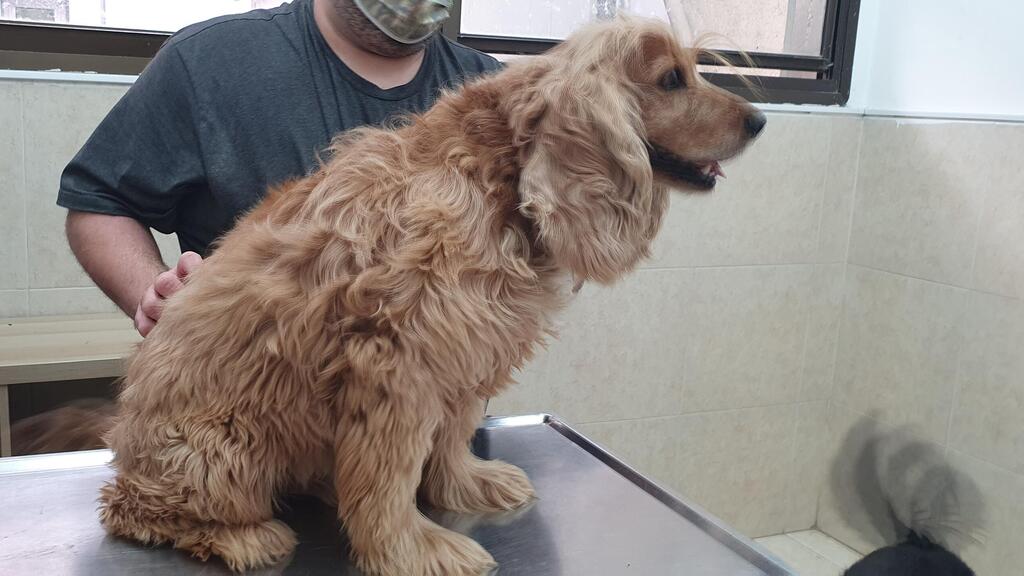
Paco, an overweight cocker spaniel that took part in a study examining the link between obesity and increased intraocular pressure in dogs
(Photo: Dr. Oren Pe'er)
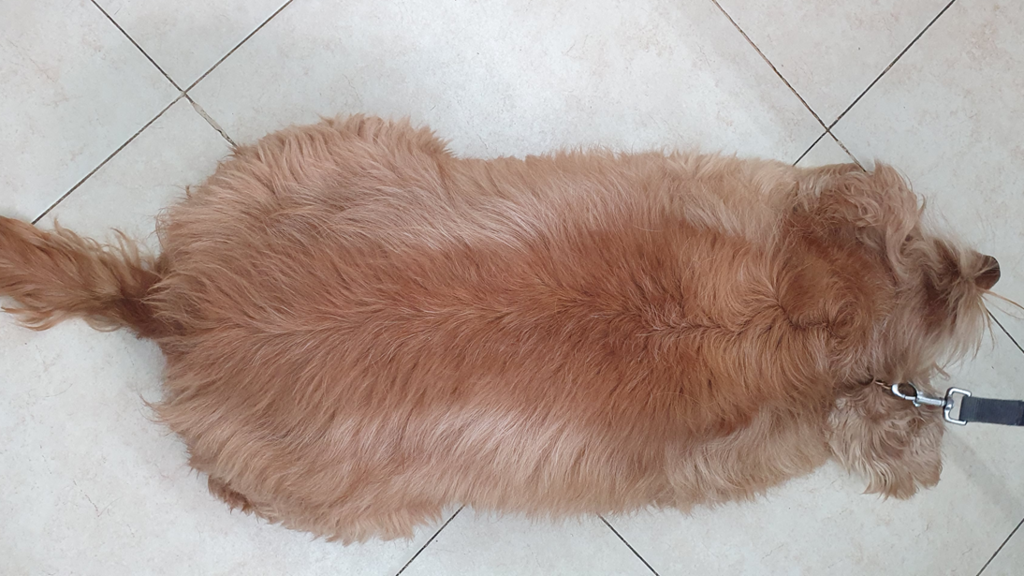
(Photo: Dr. Oren Pe'er)
Although eye pressure in both groups remained within the normal range, the average difference of 6.6 millimeters of mercury between dogs of normal weight and those that were overweight was notable. In breeds known to be predisposed to glaucoma, this additional pressure could be significant for long-term eye health.
“The conclusion is that weight management and maintaining a healthy body condition play an important role in preserving normal eye physiology and reducing the risk of eye disease,” Dr. Pe'er said.