

The repeated sirens and the need to rush again and again to a safe room or shelter have become part of daily life in recent days. For our pets, however, this is a confusing and unfamiliar situation: changes in routine, sudden movement by household members and tension in the air. Dogs and cats are highly sensitive to their surroundings, and during stressful periods their behavior may change as well.
Efrat Nofach Kenari, a dog trainer in the Israel Prison Service’s mutual rehabilitation program together with Let the Animals Live, who specializes in the Force Free (“positive approach”) method, and Lilach Shachar, a cat behavior consultant and manager of the Let the Animals Live cat shelter in Givatayim, explain how pet owners can help animals cope during this period.
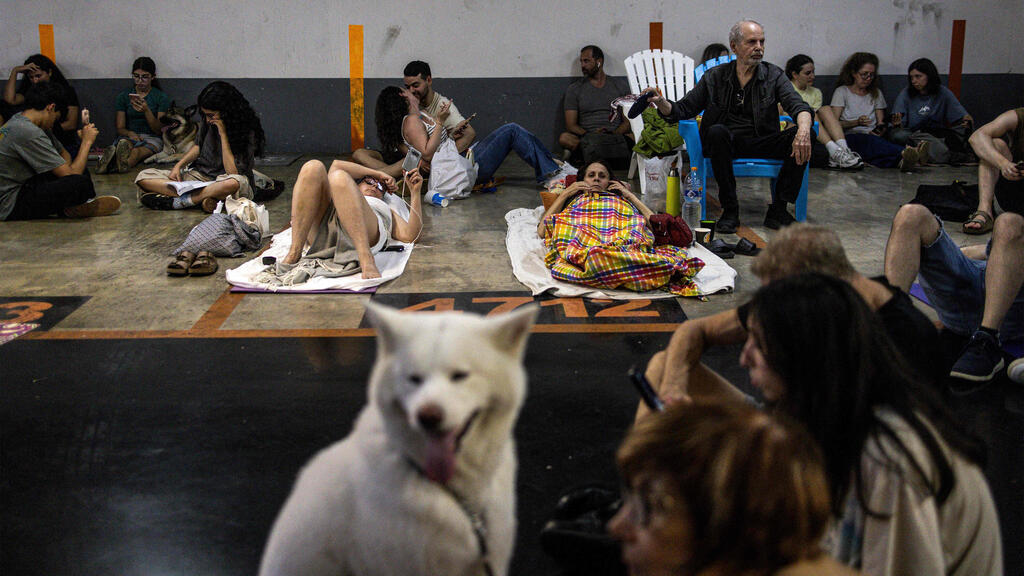
According to them, it begins with the behavior of the people in the home. Animals are highly attuned to the atmosphere around them, so it is important to remain as calm as possible in their presence. Just as children are influenced by their parents’ reactions in stressful situations, dogs and cats often respond according to the emotional signals they receive from their environment.
The first step is to familiarize pets with the protected space during normal times. Nofach Kenari recommends going into the shelter or safe room with the dog even when things are calm. “Play with the dog there, bring treats and create a positive experience. That way the dog learns that it is a safe and pleasant place, not only somewhere you go during an emergency.”
For cats, it is also important to create early familiarity with emergency equipment. Shachar recommends getting the cat used to its carrier. “Place a familiar bed or blanket inside and put a small treat there once a day. This way the cat will get used to entering it voluntarily and will see it as a safe space.”
When a siren sounds and the family heads to the shelter, safety and control are essential. “During times like these it’s important to make sure the dog is always on a leash, even when going to the protected space,” Nofach Kenari stresses. “Dogs can easily panic and run away, and there are quite a few cases of dogs escaping during periods like this.”
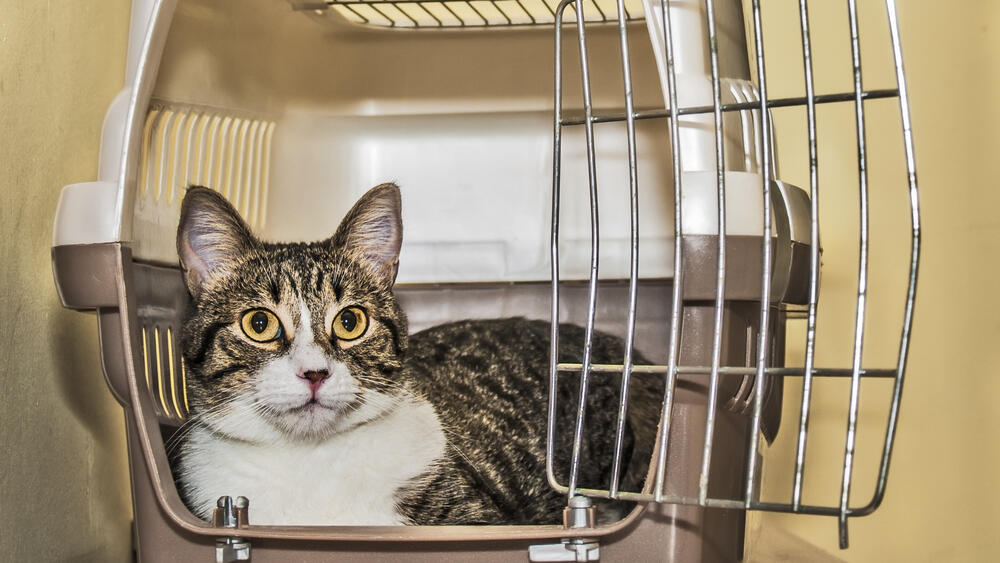
Cat in a carrier
(Photo: Shutterstock)
In the case of cats, Shachar explains that during periods of repeated sirens it is preferable to bring them into the protected space if possible. “The cat should be placed in a securely closed carrier and not held in your arms. Even a calm cat may panic and break free. It is also recommended to cover the carrier with cloth, which reduces outside stimuli and helps calm the cat.”
However, if a cat refuses to enter the carrier and there is no gentle way to do so, it is better to leave it in its familiar environment. In such cases, it is advisable to equip the cat with a collar and tag that includes a name and phone number, in case it escapes due to structural damage.
Even inside the shelter itself, it is important to consider the dog’s needs. There may be other dogs present, so attention should be paid to their behavior and they should be separated if necessary. It is also recommended to create a small, defined space for the dog that will give it a sense of security.
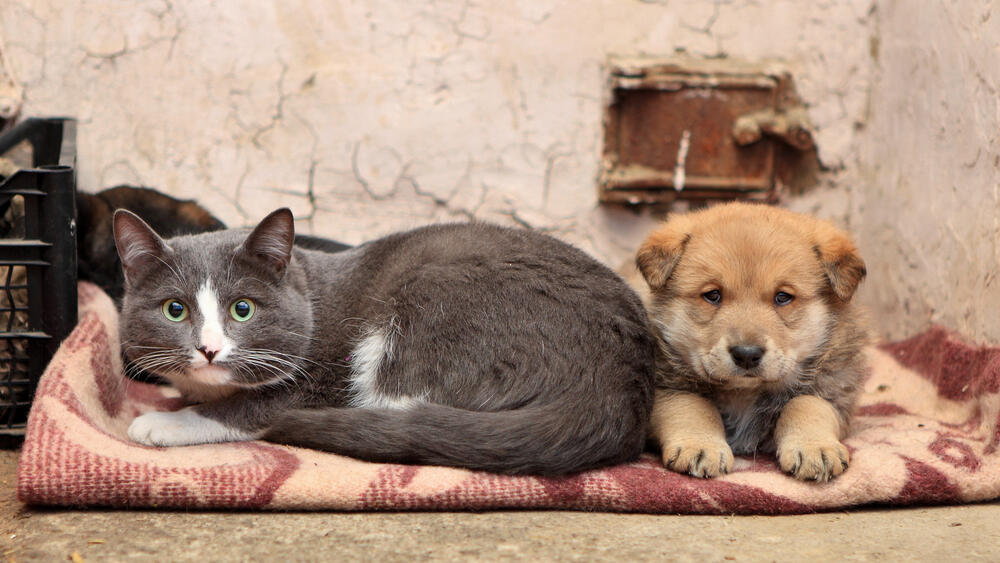
Dog and cat
(Photo: Shutterstock)
To keep the dog occupied and reduce stress, owners can bring a familiar toy or item into the shelter. If the dog still appears anxious, gentle petting or massage may help.
Ultimately, early preparation and familiarity with the protected space can make the experience far less stressful for pets. When members of the household manage to project calm and create a sense of security, dogs and cats are more likely to feel safe even in a difficult situation.
Dr. Sharon Maoz Navon is a veterinarian and director of the Let the Animals Live shelter.