

The Arab region experienced its hottest year on record in 2024, according to a first-of-its-kind climate report released by the World Meteorological Organization (WMO). The report paints a grim picture, revealing a rapid pace of warming and increasingly destructive climate extremes from Morocco to the United Arab Emirates.
The Arab region, which includes 22 countries across North Africa and the Middle East, spanning 13 million square kilometers, experienced its hottest year on record in 2024, according to the WMO report, published in collaboration with the United Nations Economic and Social Commission for Western Asia.
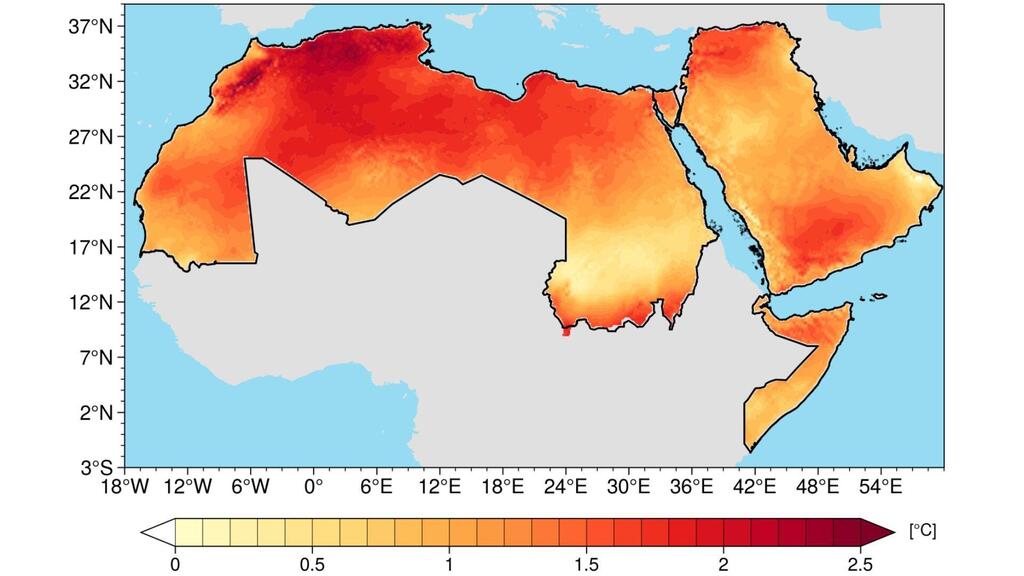
In 2024, the average temperature across the region was 1.08 degrees Celsius higher than the annual average for the period 1991–2020.
Heat waves lasted longer, especially in North Africa and parts of the Middle East, with a clear upward trend since 1981. Several countries recorded extreme temperatures exceeding 50 degrees Celsius (122°F) in the past year.
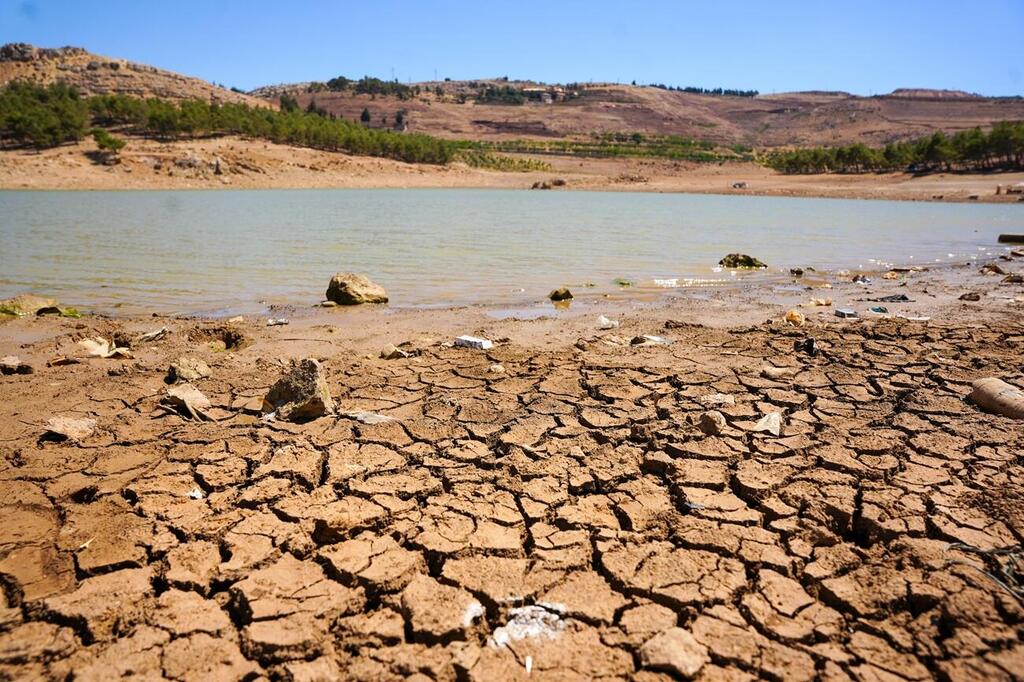
Syria
(Photo: Rami Alsayed/NurPhoto/Reuters)
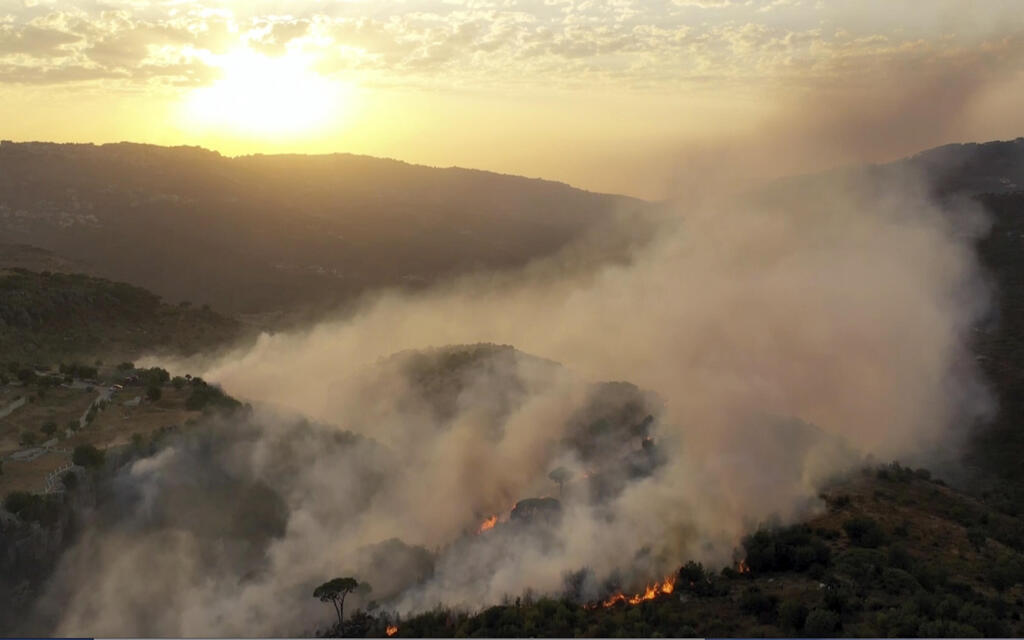
Forest fire in Lebanon triggered by extreme heat
(Photo: AP)
WMO Secretary-General Celeste Saulo said the findings reflect a continuation of a long-term trend. "Temperatures are rising at twice the global average. Human health, ecosystems and economies can’t cope with extended spells of more than 50 °Celsius. Droughts are becoming more frequent and severe in one of the world’s most water-stressed regions. And at the same time, we have seen some disruptive and dangerous deluges,” said Saulo.
In some parts of North Africa, drought conditions have worsened after six consecutive dry winters, particularly in Morocco, Algeria and Tunisia. Meanwhile, intense rainfall and flash floods have caused loss of life and property in arid countries such as Saudi Arabia, Bahrain and the UAE.
Protesters near climate conference in Dubai
(VIdeo: Reuters)


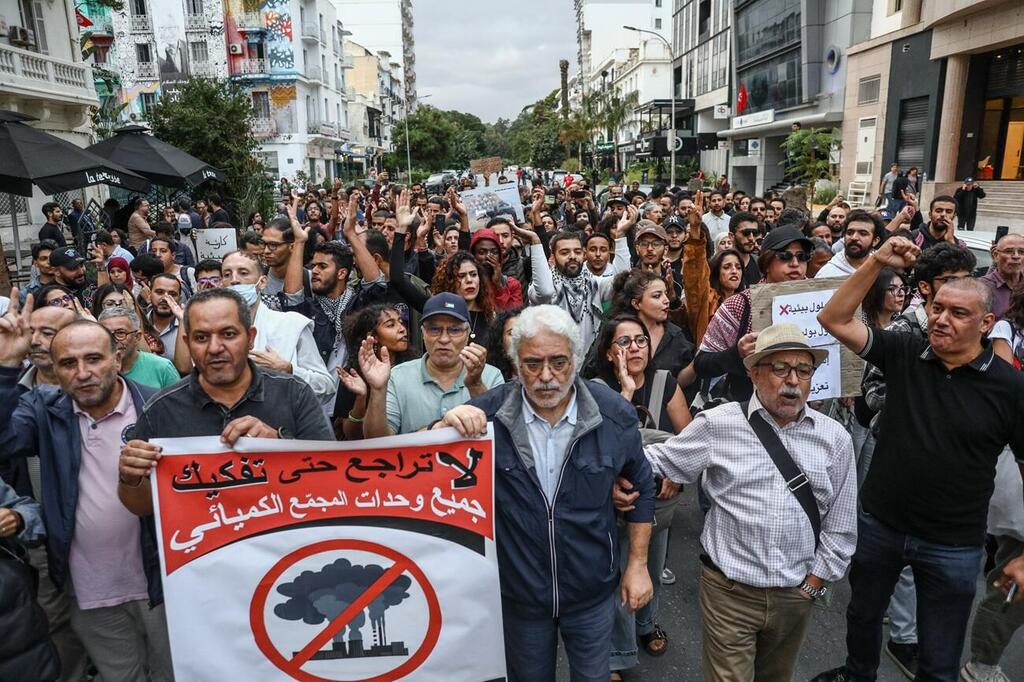
Protest against greenhouse gas emissions in Tunisia
(Photo: Chedly Ben Ibrahim/NurPhoto/Reuters)
Extreme weather events affected nearly 3.8 million people and resulted in more than 300 deaths, primarily due to prolonged heat waves and floods. The frequency and intensity of climate disasters have risen sharply, with an 83% increase in recorded events between 1980–1999 and 2000–2019.
The report aims to raise awareness among decision-makers in a region that includes 15 of the 20 most water-scarce countries worldwide. Climate threats intersect with ongoing socioeconomic challenges such as rapid urbanization, violent conflicts, poverty and population growth.
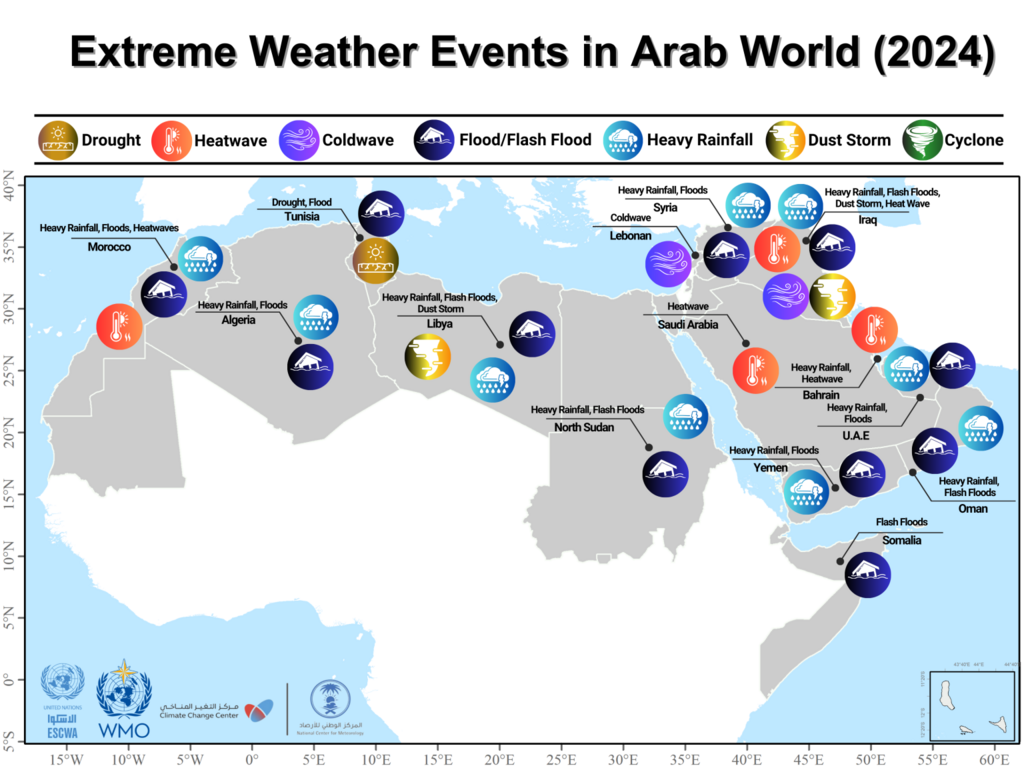
(Illustration: World Meteorological Organization)
The authors stress that preparing for these threats is not merely a matter of cost, but of saving lives and livelihoods. While nearly 60% of Arab countries have above-average preparedness, this still falls short of what is needed. As water shortages worsen, some governments have turned to desalination, wastewater recycling, dam construction and improvements in irrigation networks.
The report incorporates regional climate projections from the Intergovernmental Panel on Climate Change. “Climate models covering the Arab region project a potential rise in average temperatures of up to 5°C by the end of the century under high-emission scenarios", said Rola Dashti, executive secretary of the Economic and Social Commission for Western Asia.
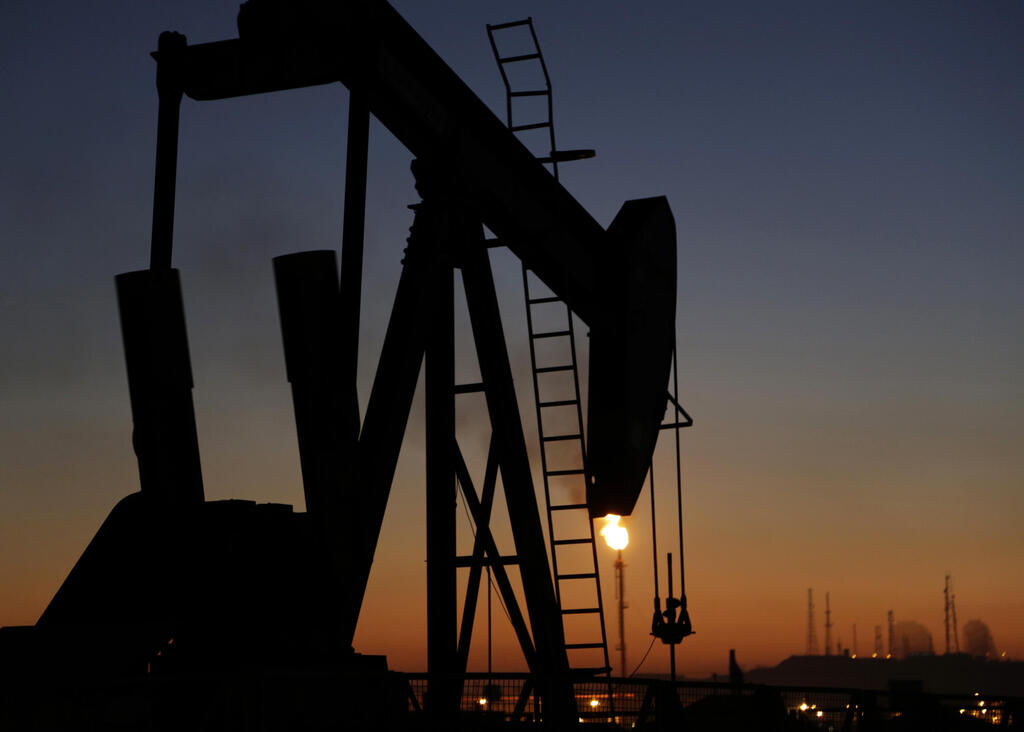
Oil industry in Bahrain driving rise in greenhouse gas emissions
(Photo: Hasan Jamali/AP)
"By incorporating climate projections, the report provides an annual snapshot of current conditions, while also serving as a strategic foresight tool that empowers the region to prepare for tomorrow’s climate realities", she added.
Ahmed Aboul Gheit, secretary-general of the League of Arab States and former Egyptian foreign minister, said it was a “qualitative step towards enhancing our collective understanding of climate patterns, associated risks and their social and economic impacts."