

NASA successfully launched its Artemis II mission early Thursday, sending four astronauts toward the moon in the first human spaceflight beyond low Earth orbit since 1972.
The spacecraft lifted off at 1:35 a.m. Israel time from Cape Canaveral, Florida, after multiple delays. The crew, three Americans and one Canadian, will become the first humans in more than 53 years to view the moon up close.
Watch the live broadcast from the launch site in Florida.
Although the astronauts will not land on the moon or enter lunar orbit, they are expected to pass within about 6,500 kilometers of the lunar surface on the sixth day of the mission. The flight marks the first time since the Apollo era that humans travel beyond Earth’s immediate orbit and enter the gravitational field of another celestial body.
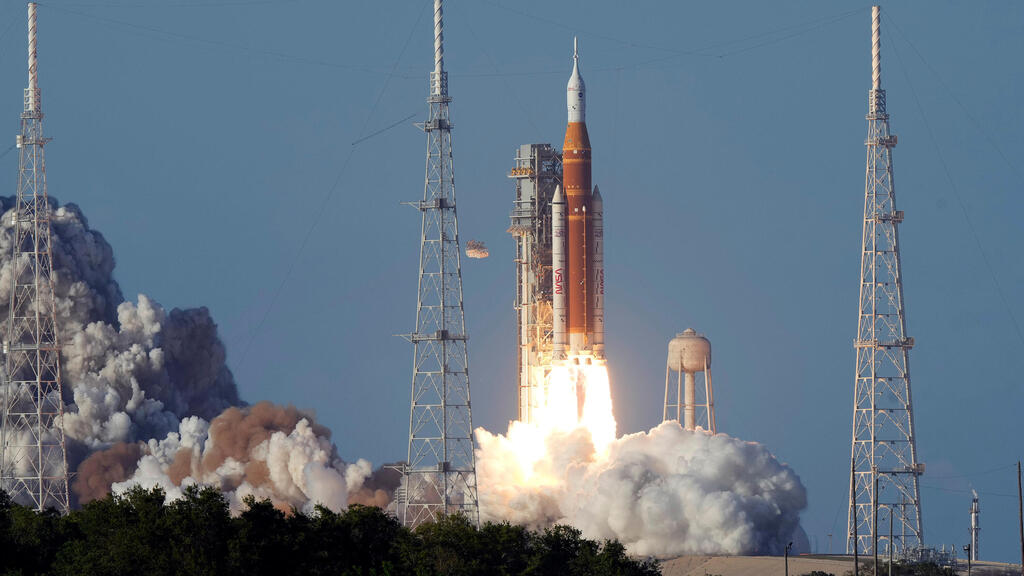
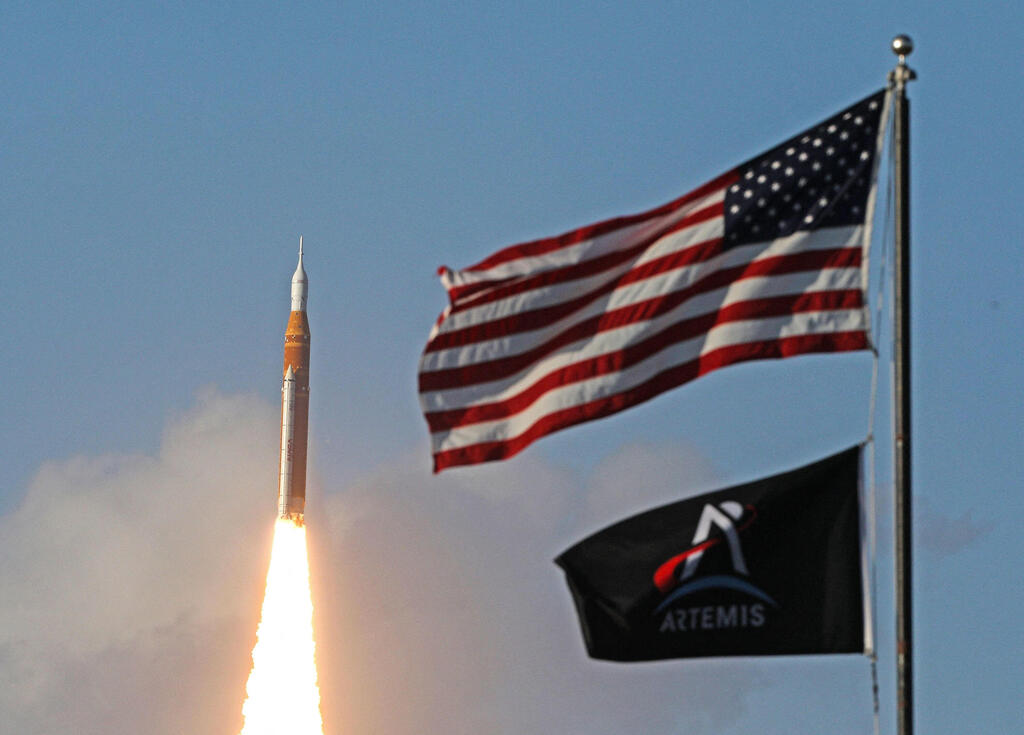
(Photo: Gregg Newton/ AFP)
The crew is led by mission commander Reid Wiseman, 50, a former U.S. Navy fighter and test pilot selected by NASA in 2009. He previously spent about six months aboard the International Space Station in 2014 and later served a two-year term as chief of NASA’s astronaut office beginning in 2020
Pilot Victor Glover, 49, joined NASA in 2013 after a career as a Navy fighter and test pilot. He holds a master’s degree in engineering and flew a six-month mission to the International Space Station in 2020–2021. He was also part of the first operational crew to reach the station aboard SpaceX’s Dragon spacecraft. Glover is expected to become the first Black astronaut to travel to the vicinity of the moon.
Mission specialist Christina Koch, 47, also joined NASA in 2013. An electrical engineer, she previously worked at NASA’s Goddard Space Flight Center and the National Oceanic and Atmospheric Administration. She spent 328 consecutive days in space during a 2019–2020 mission, the longest single spaceflight by a woman, and took part in the first all-female spacewalk. Koch is expected to become the first woman to see the moon up close.
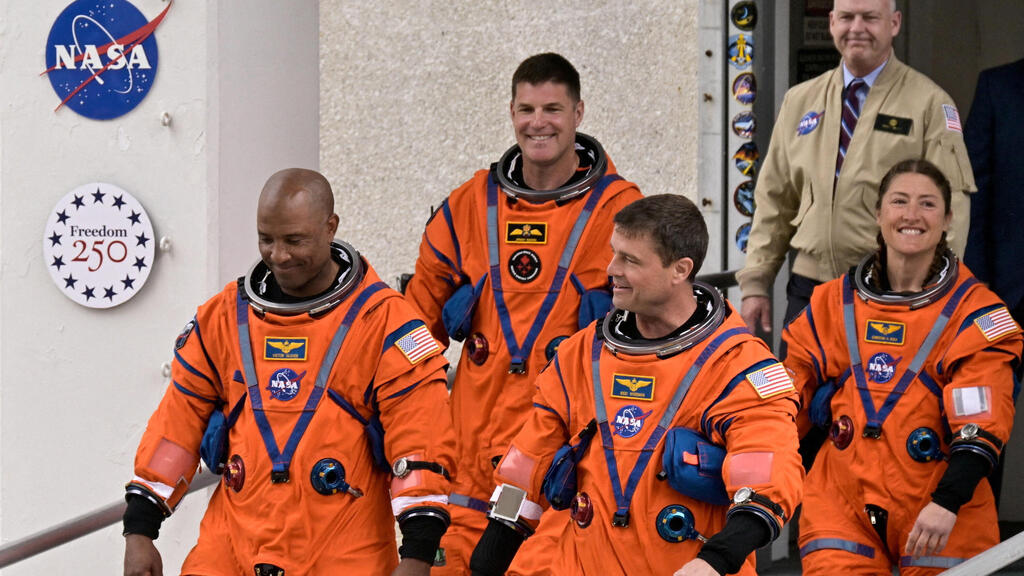
The mission crew
(Photo: Steve Nesius/ Reuters)
Canadian astronaut Jeremy Hansen, 50, completes the crew and will be making his first spaceflight. A former Royal Canadian Air Force fighter pilot, he was selected as part of Canada’s contribution to the Artemis program. Hansen is expected to become the first non-American to travel near the moon.
Artemis II is the first crewed test flight of NASA’s Artemis program, the United States’ flagship effort to return humans to the moon. The program has cost at least $93 billion since 2012, with NASA aiming to land astronauts on the lunar surface by 2028, targeting the moon’s south pole.
The United States remains the only country to have landed humans on another celestial body, with six successful moon landings during the Apollo program. In recent years, U.S. officials have increasingly focused on China, a major technological rival that has advanced steadily with robotic lunar missions and aims to send astronauts to the moon by 2030.