

A historic discovery from a battle fought in the early 19th century. In near-zero visibility and at a depth of 15 meters, a team of divers is racing against time to recover what remains of the Danish warship Dannebroge, sunk by the British navy during the Battle of Copenhagen on April 2, 1801.
Marine archaeologists working at the site have uncovered two cannons, uniforms and shoes, Danish navy insignia, bottles and even part of a human lower jaw, possibly belonging to one of the battle’s victims. The site lies at the center of a massive project, set to be completed by 2070, to build a new residential district off Denmark’s coast.
Gallery
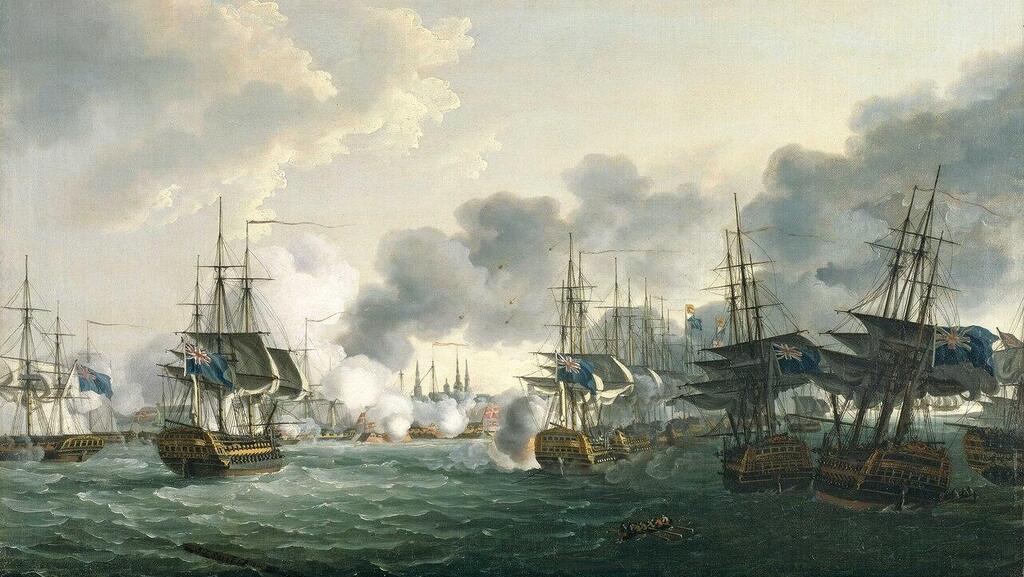
The British navy defeats the Danish fleet at the Battle of Copenhagen
(Illustration: John Thomas Serres/WIkipedia)

Computer mapping of the Danish warship Dannebroge
(Photo: James Brooks/AP)
Denmark’s Viking Ship Museum, which is leading the underwater excavations that have been ongoing for several months, announced the findings exactly 225 years after the cannons that sank the Danish flagship roared. “It’s a big part of the Danish national feeling,” said Morten Johansen, head of marine archaeology at the museum. “A great deal has been written about the battle by very enthusiastic spectators, but we actually don’t know how it was to be onboard a ship being shot to pieces by English warships and some of that story we can probably learn from seeing the wreck.”
Dendrochronological dating of wood samples — a scientific method that determines the age of timber by analyzing tree rings — matches the ship’s construction date. The excavation site is also filled with cannonballs, a tangible reminder of the heavy bombardment endured by the Danish fleet. Archaeologists hope the discovery will help reexamine the event that helped shape the Scandinavian nation, while revealing personal stories of those who went into battle that day.
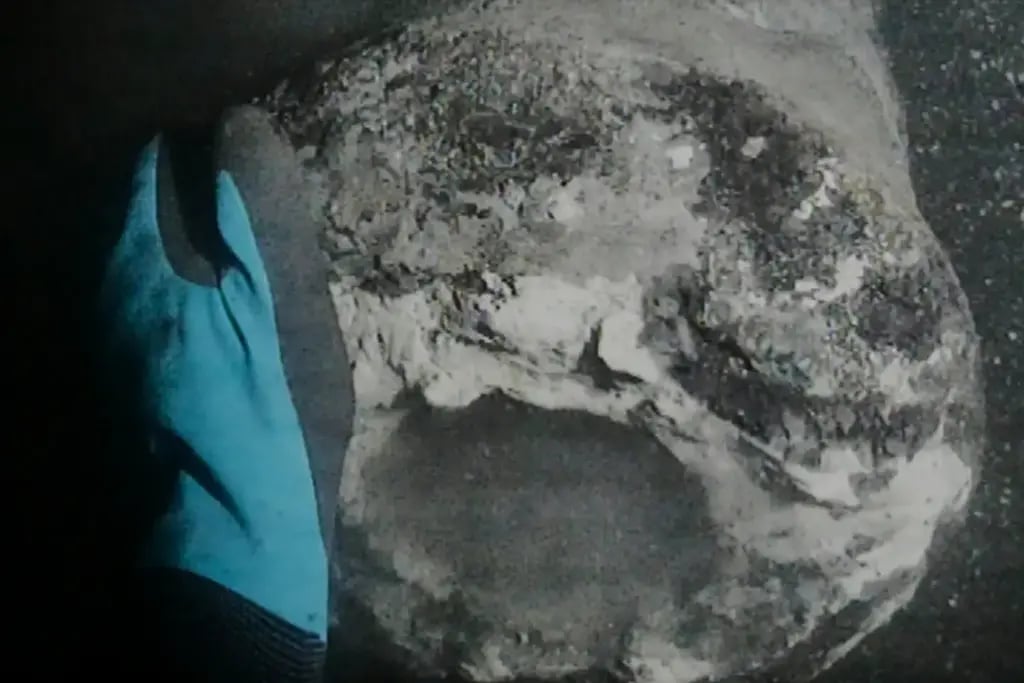
Remains of a cannon, likely from the Danish flagship Dannebroge, which sank during the Battle of Copenhagen in 1801
(Photo: Viking Ship Museum/AP)
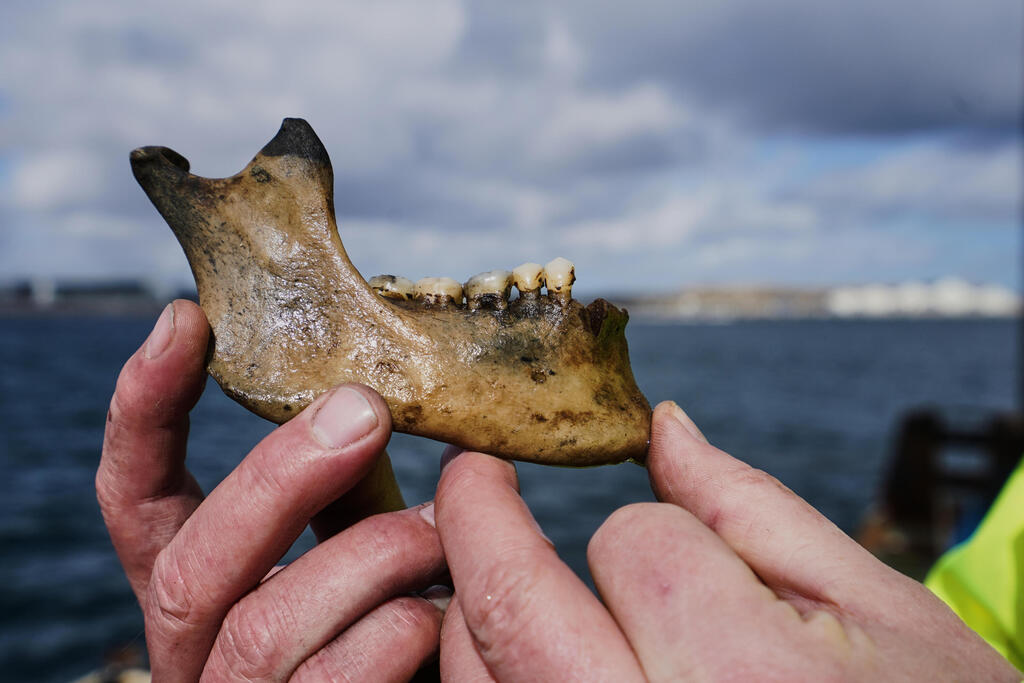
Part of a lower jawbone, likely from one of the fighters who took part in the Battle of Copenhagen in 1801
(Photo: James Brooks/AP)
During the Battle of Copenhagen, Admiral Horatio Nelson — known in this region for thwarting Napoleon’s campaign in Egypt and the Land of Israel — led the British fleet in an attack that defeated the Danish navy, which had anchored near the city in an attempt to defend it.
Thousands were killed and wounded in the brutal naval clash, which lasted for hours and is considered one of Nelson’s “great battles.” The aim was to force Denmark out of a northern European alliance that included Russia, Prussia and Sweden.
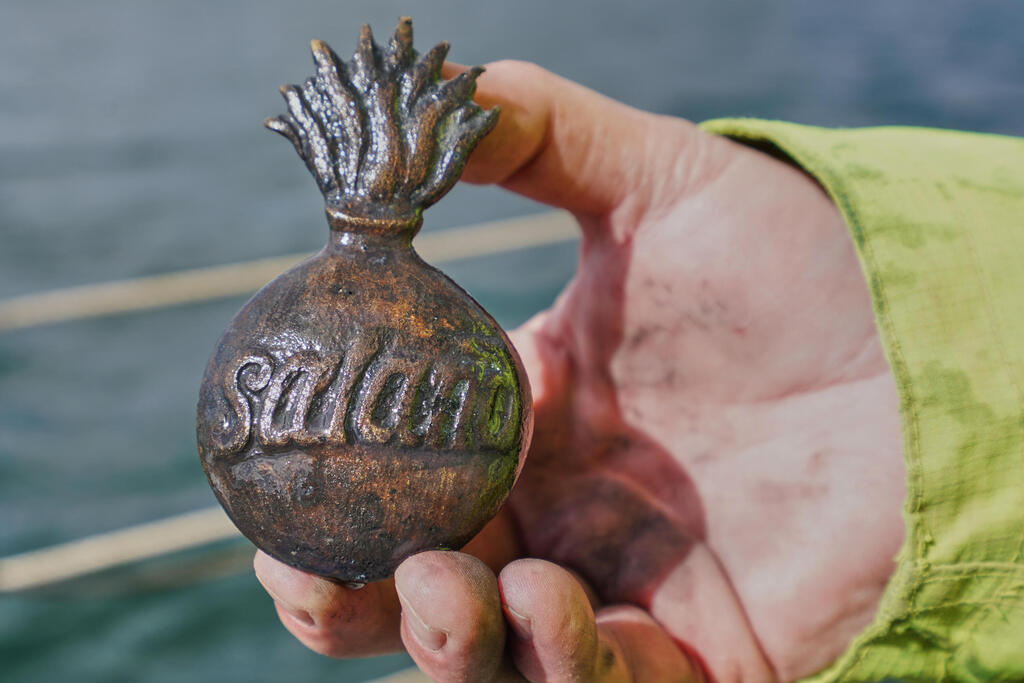
A metal insignia found in excavations of the Danish flagship that sank during the Battle of Copenhagen in 1801
(Photo: James Brooks/AP)
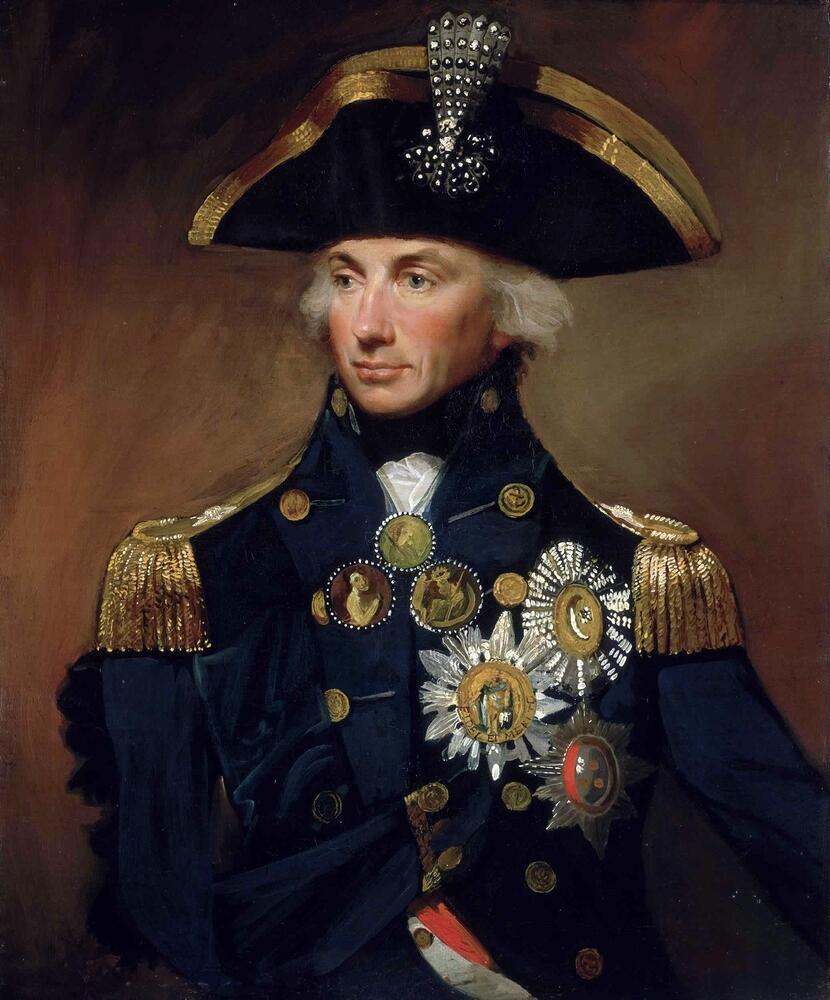
British Admiral Horatio Nelson
(Illustration: Rawpixel.com/Shutterstock)
At the center of the fighting was the Danish flagship, commanded by Commodore Olfert Fischer. Cannon fire tore through its upper deck before incendiary shells ignited fires on board. “It was a nightmare to be on board one of these ships,” Johansen said. “When a cannonball hits a ship, it’s not the cannonball that does the most damage to the crew, it’s wooden splinters flying everywhere, very much like grenade debris.”
Despite being vastly outnumbered, the Danes fought bravely until the order came to withdraw and surrender. In the end, Nelson offered a ceasefire to prevent further Danish bloodshed, which was accepted under pressure by Crown Prince Frederik.