

Social media and other online platforms have become a major marketplace for illegal wildlife trafficking, allowing sellers to reach buyers around the world with a speed and anonymity that traditional smuggling networks could never match, researchers warn.
Behind seemingly ordinary advertisements, posts and videos lies a global trade involving rare species and threatening biodiversity, animal welfare and potentially human health.
Gallery
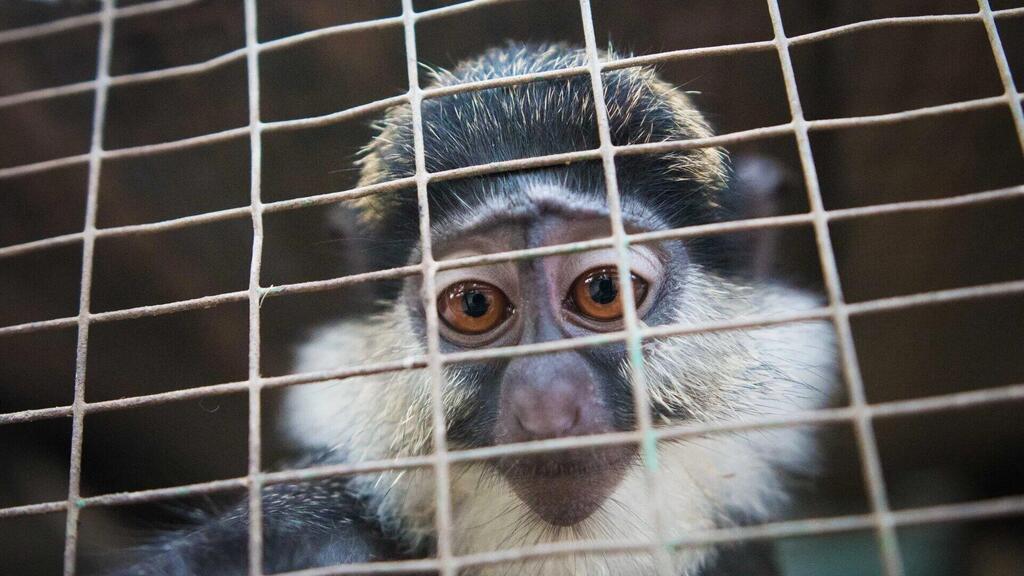
A white-bottomed guenon, a monkey emblematic of the exotic pet trade, part of a broader international trade in primates that puts added pressure on wild populations
(Photo: Neil D'Cruze)
Researchers monitoring online activity for six weeks in mid-2025 identified more than 1,600 primates being offered for sale on Facebook, Instagram, TikTok and YouTube.
And primates are only part of the problem. Birds, snakes, frogs, orchids and many other forms of wildlife are increasingly traded through online platforms.
An international team of experts led by researchers at the University of Helsinki warned in a review published in Nature Reviews Biodiversity that thousands of animal, plant and fungal species are now being illegally traded online, many of them already threatened with extinction.
“Online illegal wildlife trade spans many platforms, including popular social media, and represents a growing and evolving threat to biodiversity conservation,” said Professor Di Minin of the University of Helsinki’s Department of Geosciences and Geography, who led the research team.
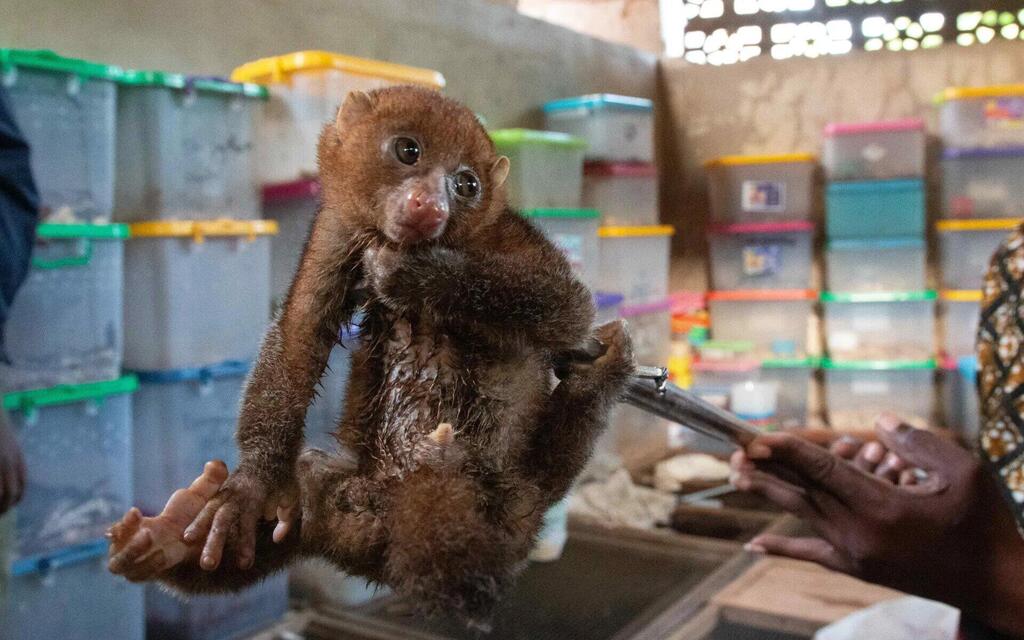
A small nocturnal primate from the forests of West Africa (Perodicticus potto potto), targeted by the exotic pet trade, illustrating a global problem tied to serious concerns over animal welfare, wildlife conservation and public health
(Photo: Neil D'Cruze)
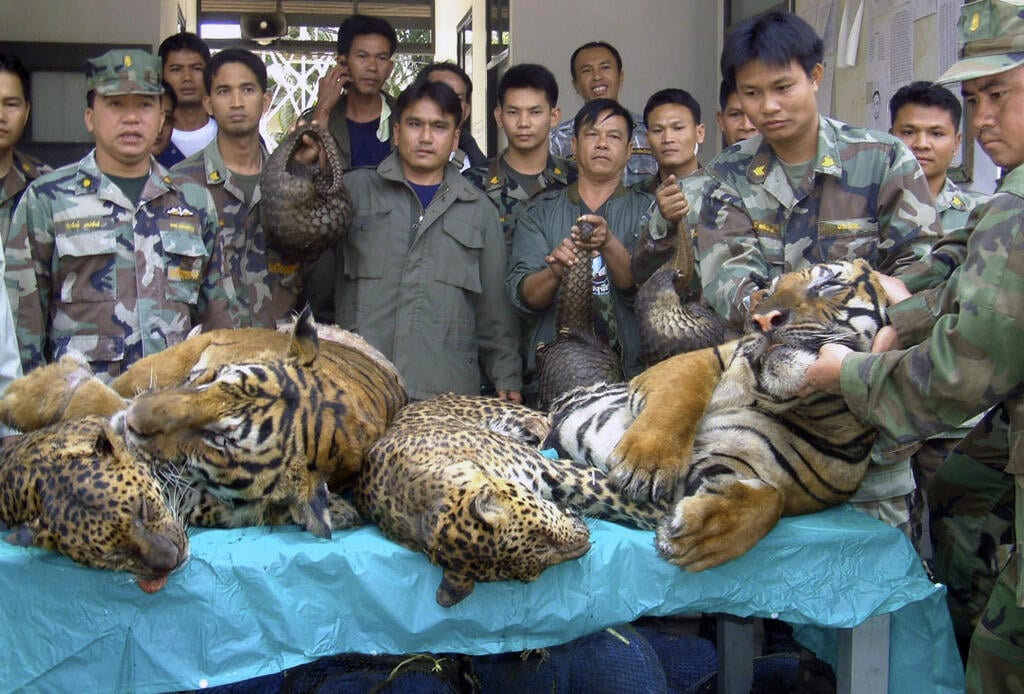
Dead tigers, leopards and pangolins seized in Thailand, illustrating the illegal wildlife trade in Asia
(Photo: AP)
“What is particularly concerning is that many of the species illegally traded online are at high risk of extinction, or were not previously considered at risk because of illegal wildlife trade.”
Researchers say weak regulatory oversight and the anonymity offered by digital platforms are among the main factors enabling the trade to flourish.
Dr. Annette Hübschle of the University of Cape Town’s Department of Public Law, a member of the research team, said the findings highlight an urgent need to strengthen efforts against illegal online wildlife trafficking.
“These strategies should not only strengthen species protection, but also improve regulatory and technological capacity, meaningfully involve local communities and promote a whole-of-society approach to conservation,” she said.
Speed and anonymity amplify the damage
The researchers say the environmental and animal-welfare consequences resemble those caused by traditional offline wildlife trafficking, but online platforms dramatically increase the potential scale of the damage.
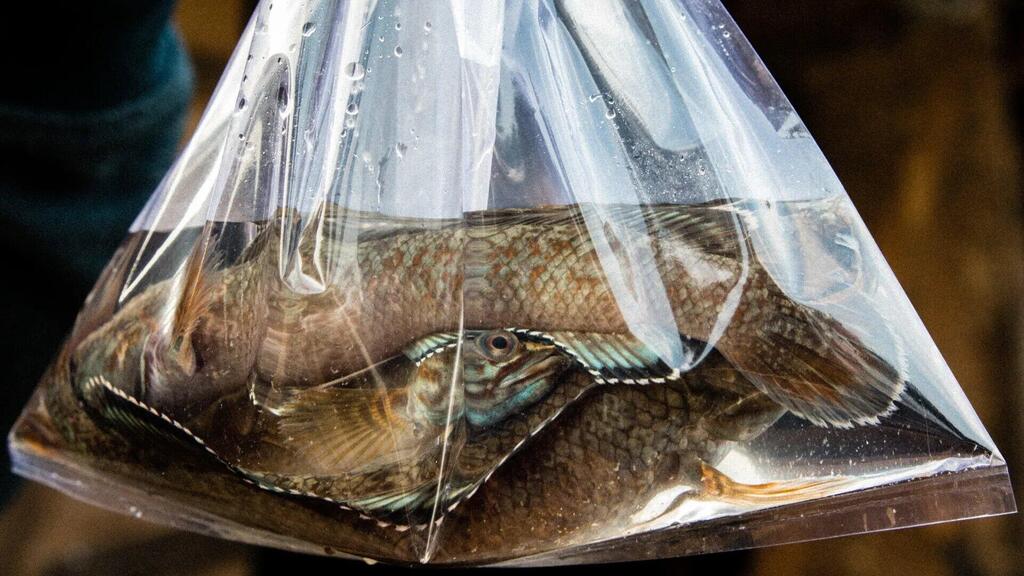
A snakehead fish, whose species are traded internationally as live ornamental fish, a commerce that can threaten wild populations and increase the risk of invasive species
(Photo: Neil D'Cruze)

Destruction of elephant tusks and animal horns seized in Myanmar
(Photo: Aung Shine Oo/AP)
“The negative impacts on animal welfare and biodiversity are similar to those of traditional illegal wildlife trade conducted offline, but the reach and speed of online platforms amplify these harms,” said Dr. Neil D’Cruze of Manchester Metropolitan University’s Department of Natural Sciences, a co-author of the review.
“Illegal online wildlife trade operates through complex and decentralized networks that cross national borders. These networks expand traditional smuggling routes and, in some cases, even replace them.”
The trade can place additional pressure on wild populations already threatened by habitat destruction, hunting and other human activity. It can also increase the risk of invasive species being introduced into new environments and raise concerns over the health of both animals and people.
The review also identified major gaps in available data, meaning researchers still lack a complete picture of the scale of online wildlife trafficking.
Better understanding consumer behavior and reducing demand, the authors said, should become key priorities alongside stronger regulation and improved technological tools for detecting illegal trade.
“Addressing illegal wildlife trade on the internet is complex but not insurmountable,” Di Minin said. “It requires cross-sector collaboration and comprehensive policy frameworks that recognize the online dimensions of wildlife trade.”
The researchers argue that governments, conservation organizations, technology companies and local communities will all need to cooperate if authorities hope to contain a market that has increasingly moved beyond physical borders and traditional trafficking routes.