

There are not many Israeli murder cases that remain unsolved after more than three decades. Even fewer are cases in which the motive is unknown, no suspects were identified, no arrests were made and almost no one appears to be demanding answers about the progress of the investigation.
In the summer of 1994, three dolphins, two males and one female, were transferred from the Dolphinarium at the southern end of Tel Aviv’s beachfront promenade to Luna Park, at the far end of Rokach Boulevard.
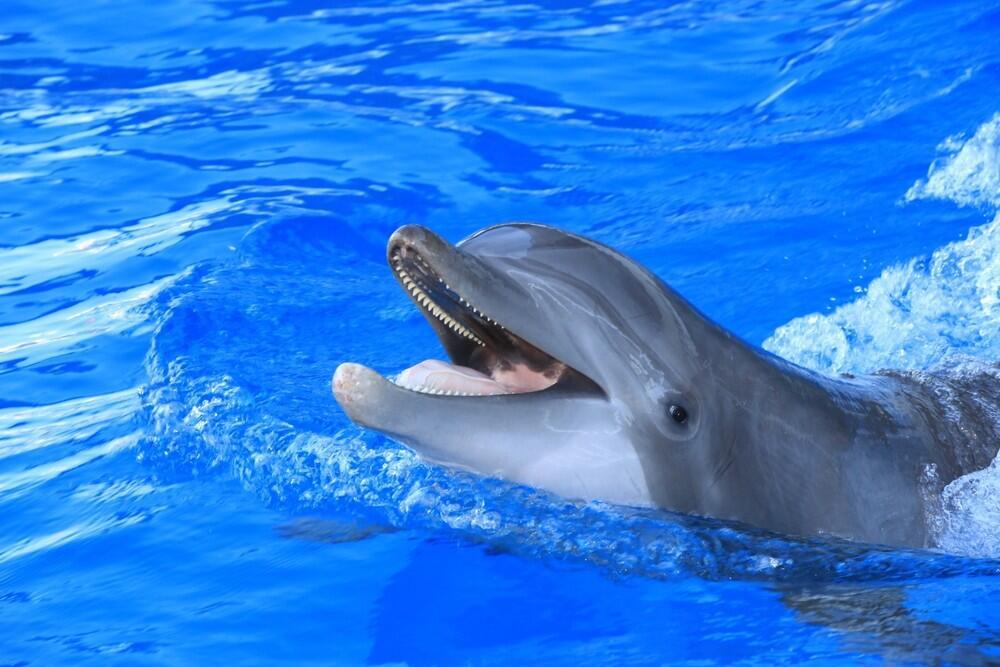
(Photo: shutterstock)
The move drew protests from animal-rights groups, but Max, Bobby and Fyadora were nevertheless forced to adjust to their new lives in the shadow of the amusement park’s iconic roller coaster, pirate ship and Ferris wheel.
It is unclear whether the stress of the move played a role, but Max died not long afterward. In his absence, Bobby and Fyadora continued entertaining Israeli children.
That was also what Bobby did on Saturday, July 22, 1995. He performed for visitors that afternoon. The following morning, his body was found lying in the dolphin pool.
Soon afterward, investigators determined the cause of death: poisoning.
A postmortem examination at the Veterinary Institute in Abu Kabir found about 100 lead air-rifle pellets in Bobby’s stomach. The pool where his body was discovered was closed to visitors, meaning the poisoning was likely carried out sometime between Saturday evening and Sunday morning.
There were no obvious suspects. It is not even clear whether a comprehensive investigation was ever conducted.
Bobby was only 5 when he was poisoned, but his death appears to have produced real change in the industry in which he had spent his short life. The killing reignited protests by activists who had long opposed the use of wild marine mammals as mass entertainment.
Benny Schlesinger of the Israeli animal-rights organization Let the Animals Live was among the most vocal campaigners. After Bobby’s death, he promised protests outside Luna Park and argued that the killing proved the organization’s claim that dolphins could not be maintained in Israel under adequate health and welfare conditions.
“In the past, I went on an eight-day hunger strike in the fight to free the dolphins,” he said at the time. “Everyone laughed at me and told me the conditions were good. Now, sadly, it turns out I was right.”
This time, the activists’ protests did not appear to fall on deaf ears. Sami Yahia, then the amusement park’s director-general, said he intended to file a police complaint over the poisoning. Luna Park management also promised it would not purchase additional dolphins to replace Bobby or Max.
But Fyadora remained.
The 12-year-old dolphin was left alone in the pool, apart from the occasional company of a seal named Tosha. Her life appeared increasingly bleak. Two months after Bobby’s death, the decision was made to return her to her native Russia.
All the dolphins at Tel Aviv’s Luna Park were owned by the Russian Academy of Sciences, which had leased the mammals to Israeli promoters.
Animal-rights activists were not pleased by the decision to send Fyadora back. Transferring animals to a location where their health or welfare may be harmed can violate the international CITES convention, to which Israel is a signatory. Activists argued that conditions awaiting her in Russia were also unlikely to be adequate and that her owners would probably continue leasing her to dolphin shows around the world.
Today, captive dolphin shows are becoming increasingly rare. Growing awareness of the welfare of marine mammals, boosted in part by the acclaimed 2013 documentary “Blackfish,” has led many countries to recognize that captivity can impose severe suffering on animals of such size and intelligence.
That change came too late for Max, Fyadora and especially Bobby.
Thirty-one years after his death, it is still unclear how 100 lead pellets reached a closed pool at Luna Park or why anyone wanted a 5-year-old dolphin dead.