

At the recent World Economic Forum in Davos, Nvidia CEO Jensen Huang presented his “five-layer cake” model of artificial intelligence. According to Huang, the cake is built from layers of energy, chips and infrastructure, data centers and cloud computing, models and applications. At its base lies energy, the force that drives data centers, both through massive electricity consumption to run systems and through direct and indirect energy use to remove heat and keep equipment functioning efficiently.
Data centers have become one of the hottest investment sectors globally and in Israel. In recent years, new facilities of varying sizes have been built across the country, with many more planned. They support cloud storage, AI models and a wide range of digital services for local users and customers worldwide.
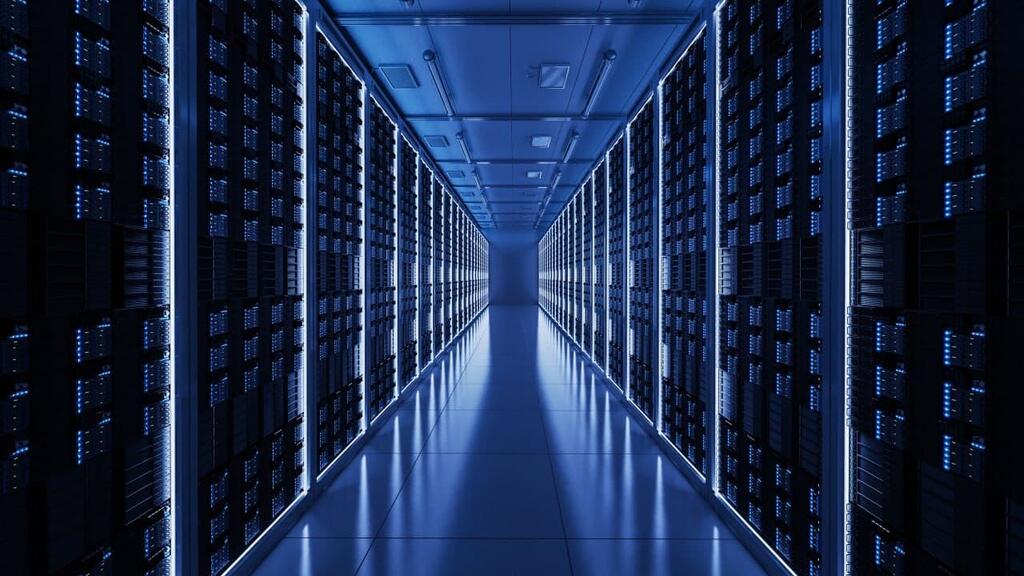
Alongside their many benefits, data centers also have a hidden backside, with significant negative environmental impacts. They require vast amounts of land, a scarce resource in a small and densely populated country like Israel. They also consume enormous quantities of electricity and water, much of it produced through desalination, an energy-intensive process.
Moreover, most of Israel’s electricity is still generated by burning fossil fuels, resulting in substantial air pollution and greenhouse gas emissions.
The growing connection between energy infrastructure and computing infrastructure raises difficult questions for Israel’s national energy system. Can Israel afford to establish so many energy-hungry data centers when the power sector already operates close to crisis levels in routine times, and even more so in emergencies? This comes as Israel exports increasing amounts of natural gas, raising concerns that domestic supply for electricity generation may eventually fall short, driving up energy and computing costs. Whatever happened to energy security?
Another issue is reliability. Because data centers require uninterrupted power supply, they rely on backup generation systems, primarily diesel engines. Diesel is far more polluting than natural gas. Fuel is stored near the facilities and emits air pollutants, including volatile organic compounds and carcinogens. These systems are also periodically tested, meaning pollution is released even during routine operations.
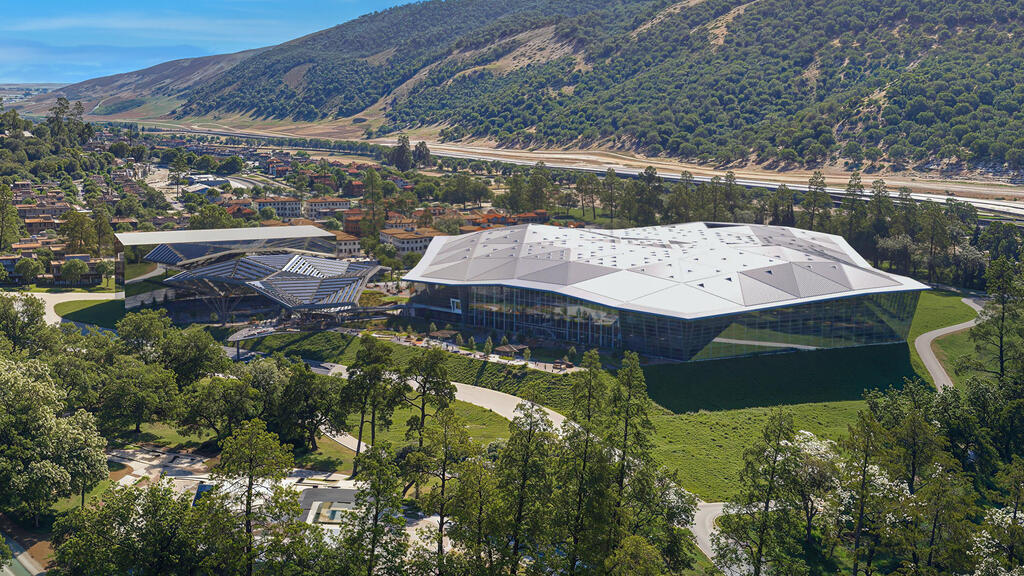
Nvidia's planned Israeli campus
(Photo: Nvidia)
A further concern is that many data centers serve overseas users. In practice, Israel is exporting energy through data. The environmental and fuel costs, however, are borne locally.
Reducing these environmental and economic impacts requires a different way of thinking. First and foremost, energy efficiency must improve. A significant share of data center energy use goes to cooling systems, including fans and chilled water. Alternative cooling technologies, such as immersing servers in specialized liquids, are already being deployed globally to reduce heat removal demands, with major companies continually seeking new solutions.
Another step is integrating renewable energy, particularly solar power combined with energy storage. These systems can also provide backup during failures and emergencies. Using the heat expelled from servers, often referred to as waste energy, for other heat-consuming processes can further improve efficiency.
In colder countries, waste heat from data centers is sometimes fed into municipal heating systems. While this is less suitable for Israel, the warm water generated during cooling could be used for preheating water in public facilities such as hospitals, small factories or agricultural systems, including algae cultivation.
Ultimately, data centers should be viewed as part of a broader energy ecosystem, one that combines renewable generation, storage, energy efficiency and heat supply. This requires advance planning of facility locations, close to areas suitable for dual-use solar energy generation and near potential heat consumers.
 Prof. Adi WolfsonPhoto: Dudu Grinshfen
There is also an opportunity for synergy. Data collected in data centers and analyzed using AI tools could help optimize Israel’s national energy system overall and improve energy efficiency within data centers themselves. In this sense, the sector could help drive the transition to renewable energy with storage and accelerate smarter grid planning.
As new data centers continue to emerge and electricity demand keeps rising, Israel must develop clear policy and regulation to coordinate computing and energy infrastructure. Such policy must distinguish between data centers serving national needs and those serving international markets, and set planning and operational standards that reduce energy consumption, minimize waste and maximize renewable energy use.
Prof. Adi Wolfson is head of the master’s program in green engineering at the Sami Shamoon College of Engineering